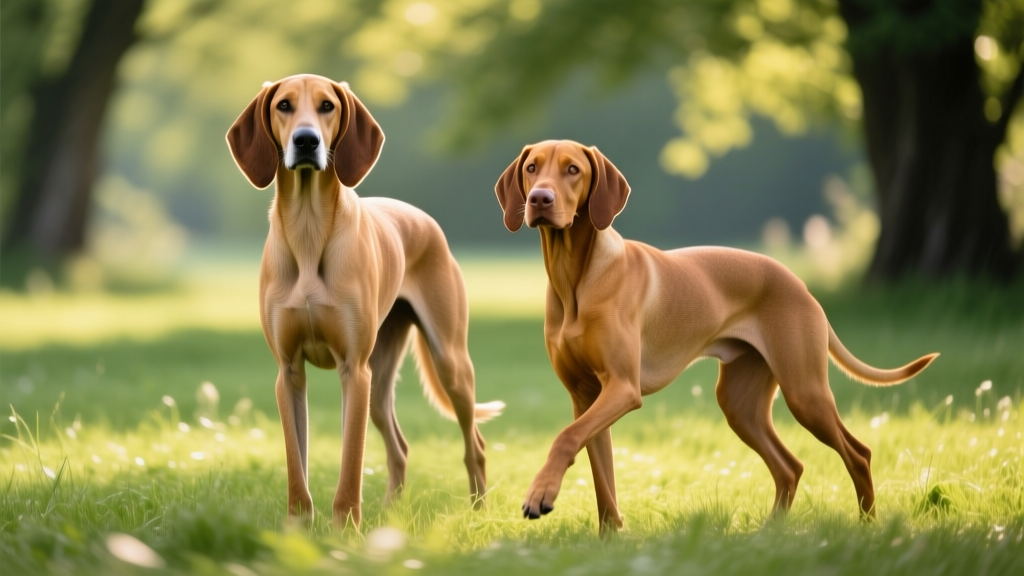
Long Haired Malinois: The Groenendael Belgian Shepherd Guide
Is a long haired Malinois right for you? This Groenendael Belgian Shepherd profile covers temperament, health, exercise, grooming, and 2026 costs.

What Is a Long Haired Malinois?
When people search for a "long haired Malinois," they're almost always looking at one of two Belgian Shepherd varieties: the Groenendael (black long-haired) or the Tervuren (fawn/mahogany long-haired with black overlay). The Malinois itself is the short-coated variety. All four varieties — Malinois, Groenendael, Tervuren, and Laekenois — belong to a single breed in most international registries, including the Fédération Cynologique Internationale (FCI). The American Kennel Club, however, recognizes them as separate breeds: the Belgian Malinois, Belgian Sheepdog (Groenendael), Belgian Tervuren, and Belgian Laekenois.
If you've seen a dog that looks like a Malinois draped in flowing black or fawn fur, you're looking at a Groenendael or Tervuren. These dogs share the Malinois's legendary work ethic, sharp intelligence, and athletic drive — just wrapped in a longer, more weather-resistant coat. In this guide, we'll focus primarily on the Groenendael (the black long-haired variety most commonly confused with a "long haired Malinois") while noting where Tervuren traits differ.
| Trait | Details |
|---|---|
| Size Class | Large |
| Weight (Male) | 60–75 lb / 27–34 kg |
| Weight (Female) | 45–65 lb / 20–29 kg |
| Height (Male) | 24–26 in / 61–66 cm at withers |
| Height (Female) | 22–24 in / 56–61 cm at withers |
| Lifespan | 12–14 years |
| Coat Type | Long, straight, dense double coat; black (Groenendael) or fawn-mahogany (Tervuren) |
| Energy Level | Very high (working breed) |
| Grooming Frequency | 2–3 times/week; daily during shedding season |
| AKC Group | Herding |
| Origin | Belgium, late 1800s |
Origin and History: From Belgian Pastures to Global Service
The story of the long-haired Belgian Shepherd begins in the village of Groenendael, just outside Brussels, in the late 19th century. In 1891, Belgian veterinarian Professor Adolphe Reul convened a meeting at the Cureghem Veterinary School to identify a distinctly Belgian shepherd dog. From that meeting, breeding stock was selected based on coat type and regional origin. The black long-coated dogs from the Groenendael area became the foundation for the variety that bears the village's name.
The Société Royale Saint-Hubert (Belgium's kennel club) officially recognized the Groenendael in 1907. By World War I, these dogs had transitioned from livestock herding to military courier work, ambulance support, and supply transport for Belgian forces. Between the wars, Belgian Shepherds served in police and customs roles across Europe. Today, Groenendaels and Tervuren compete in AKC herding trials, obedience, agility, and protection sports like IGP (formerly Schutzhund). While less common in military and police work than the short-coated Malinois — whose low-maintenance coat is preferred in hot climates — long-haired varieties still serve in search and rescue and detection roles worldwide.
Temperament and Personality: What Living With One Is Really Like
Groenendaels and Tervuren share the core Belgian Shepherd temperament: intense focus, high drive, deep bonding with their handler, and a sensitivity that makes harsh training methods counterproductive. Here are five traits you'll encounter daily:
1. Velcro-level attachment. These dogs shadow their primary person from room to room. Expect your Groenendael to lie at your feet while you cook, sit beside you on the couch, and wait outside the bathroom door. This closeness makes separation anxiety a genuine risk — puppies need structured alone-time training from day one.
2. Environmental awareness. A Groenendael notices everything: the delivery truck, the neighbor's cat, the squirrel three yards away. This vigilance made them excellent flock guardians and makes them outstanding sport dogs. It also means they'll alert-bark at novel stimuli unless you train an "off switch" early.
3. Problem-solving persistence. These dogs don't give up easily. If a treat puzzle is too hard, they'll chew, paw, flip, and nose it until they succeed. This intelligence means they learn commands rapidly — but they also learn bad habits rapidly. An untrained Groenendael will invent its own job, which might involve herding your toddlers or digging escape routes under fences.
4. Reserved with strangers. Unlike a Golden Retriever's indiscriminate friendliness, Groenendaels typically observe newcomers with cool suspicion before warming up. Early, positive socialization (exposure to diverse people, environments, and sounds between 8–16 weeks) is essential to prevent over-guarding or fear-based reactivity.
5. High play drive. Tug, fetch, flirt pole, scent work — these dogs need interactive engagement, not just physical exercise. A Groenendael who only gets leash walks will remain mentally unfulfilled and likely develop nuisance behaviors like counter-surfing, obsessive licking, or fence-running.
Strengths
- Exceptionally trainable — excels in obedience, agility, herding, and scent work
- Loyal and deeply bonded to family
- Natural watchdog without excessive aggression
- Athletic and versatile sport/trail companion
- Generally healthy with a 12–14 year lifespan
Challenges
- Requires 90+ minutes of daily physical and mental exercise
- Prone to separation anxiety if left alone too long
- Heavy shedding — especially spring and fall coat blows
- Not ideal for first-time owners without mentorship
- Herding instinct may cause nipping at children's heels
Exercise and Activity Needs: Plan for 90–120 Minutes Daily
This is a working breed that was built to trot alongside flocks for 8–10 hours. A 30-minute leash walk around the block will leave your Groenendael frustrated and under-exercised. Here's a realistic daily activity framework for an adult (18+ months):
| Activity Type | Duration | Examples |
|---|---|---|
| Aerobic exercise | 45–60 min | Off-leash running, bikejoring, hiking, swimming |
| Structured training | 20–30 min | Obedience drills, trick training, scent discrimination |
| Mental enrichment | 15–20 min | Puzzle feeders, snuffle mats, frozen Kongs, hide-and-seek |
| Free exploration | 15–20 min | Sniffari walks (letting dog set pace and investigate) |
For puppies under 12 months, follow the "5 minutes of structured exercise per month of age" guideline — a 4-month-old gets roughly 20 minutes of structured activity, not counting free play. High-impact activities like jumping, long-distance running on hard surfaces, and agility equipment should wait until growth plates close (typically 14–18 months for large breeds).
Sport recommendations: Groenendaels thrive in IGP, mondioring, competitive obedience, rally, barn hunt, herding trials, and dock diving. If competition isn't your goal, recreational activities like canicross (running with your dog harnessed to you), backpacking with a dog-weighted pack, and nose work classes provide equivalent stimulation.
Health Issues: Breed-Specific Conditions to Know
Groenendaels are generally robust dogs, but like all purebreds, they carry genetic predispositions. Responsible breeders screen for these conditions through the Orthopedic Foundation for Animals (OFA) and genetic testing. Always consult your veterinarian about screening schedules and any symptoms you observe.
| Condition | Description | Estimated Prevalence | Screening / Notes |
|---|---|---|---|
| Hip Dysplasia | Malformation of the hip joint causing arthritis | ~8–12% (OFA data) | OFA/PennHIP evaluation at 24 months |
| Elbow Dysplasia | Developmental abnormality of the elbow joint | ~5–8% | OFA elbow radiographs at 24 months |
| Progressive Retinal Atrophy (PRA) | Gradual degeneration of the retina leading to blindness | ~3–5% | CERF/OFA eye exam annually; DNA test available |
| Epilepsy (Idiopathic) | Recurring seizures with no identifiable structural cause | ~4–6% (higher than breed average) | No screening test; diagnosis by exclusion. Belgian Shepherds are overrepresented in epilepsy studies per Merck Veterinary Manual |
| Gastric Dilatation-Volvulus (GDV/Bloat) | Stomach fills with gas and twists — life-threatening emergency | ~4–6% lifetime risk in deep-chested breeds | Prophylactic gastropexy during spay/neuter recommended |
Hypothyroidism and hemangiosarcoma (a cancer of blood vessel lining) also appear at elevated rates in Belgian Shepherds compared to the general dog population. The Belgian Sheepdog Club of America recommends annual thyroid panels and vigilance for sudden weight loss, lethargy, or pale gums as hemangiosarcoma indicators.
- Unproductive retching or a visibly distended abdomen (possible GDV)
- Seizure lasting more than 3 minutes, or cluster seizures (2+ in 24 hours)
- Sudden hind-leg weakness or dragging (possible spinal issue)
- Pale gums with rapid breathing and collapse
Grooming the Long Coat: Tools, Schedule, and Shedding Realities
The Groenendael's coat consists of a harsh, straight outer layer approximately 2–3 inches long over a dense, soft undercoat. The hair is shorter on the head, ears, and front legs, and longer on the neck (forming a "collarette"), tail (plumed), and back of the thighs ("culottes").
Weekly routine (2–3 times per week):
- Line-brush the entire coat using a long-pin slicker brush (like the Chris Christensen Big G) followed by an undercoat rake for the culottes and ruff
- Comb through with a wide-toothed greyhound comb to check for mats behind the ears, under the front legs, and at the pantaloons
- Wipe ears with a vet-approved ear cleaner; check for redness or odor
- Trim nails if they click on hard flooring (typically every 3–4 weeks)
Shedding season (spring and fall, approximately 3–4 weeks each): Expect daily brushing sessions of 15–20 minutes. An undercoat rake and a deshedding tool like the Furminator (used carefully to avoid cutting guard hairs) are essential. During peak blow, you'll collect enough undercoat to stuff a small pillow — this is normal.
Bathing: Every 8–12 weeks unless the dog is visibly dirty or smelly. Use a canine-formulated shampoo; avoid human products which disrupt the skin's acid mantle (pH 6.2–7.4 for dogs vs. 4.5–5.5 for humans). A high-velocity dryer like the B-Air or K-9 III dramatically reduces drying time and helps blow out loose undercoat.
Never shave a Groenendael. The double coat provides insulation against both heat and cold. Shaving disrupts the coat's thermoregulatory function and the hair often grows back unevenly or with altered texture.
Training and Intelligence: Methods That Work
Groenendaels rank among the most trainable breeds, often compared to Border Collies and German Shepherds in working intelligence. They learn new commands in 5–15 repetitions and retain them with periodic reinforcement. However, their sensitivity to handler emotion and tone means they shut down under punitive methods.
Recommended approach: Positive reinforcement (R+) and LIMA (Least Intrusive, Minimally Aversive) methods. Use high-value treats (freeze-dried liver, chicken, cheese), toy rewards for high-drive dogs, and marker-based training (clicker or verbal "yes"). Avoid shock collars, prong collars, and alpha rolls — these damage the trust-based relationship this breed requires and can trigger fear-based aggression in sensitive individuals.
Key training milestones:
- 8–16 weeks: Socialization windows, name recognition, sit/down/lure, crate training, bite inhibition
- 4–6 months: Leash walking foundation, recall with long line, impulse control (leave-it, wait), handling exercises for grooming
- 6–12 months: Formal obedience, introduction to sport foundations (flatwork for agility, tracking for nose work), duration stays, proofing commands with distractions
- 12–18 months: Advanced sport training, off-leash reliability, Canine Good Citizen (CGC) test preparation
Mental stimulation is non-negotiable. A Groenendael who receives physical exercise but no mental challenges will remain restless. Puzzle feeders, training sessions, and novel enrichment activities (new walking routes, scent games, trick training) tire this breed faster than running alone.
Family Suitability: Kids, Other Pets, and Living Situations
With children: Groenendaels raised with children from puppyhood typically bond strongly and act as watchful companions. However, their herding instinct can manifest as heel-nipping, circling, or attempting to "drive" running children into a group. Families with children under 8 should supervise all interactions and redirect herding behavior with positive reinforcement. Older children (10+) who can participate in training and walking make excellent junior handlers.
With other dogs: Same-household dogs are usually accepted, especially if introduced as puppies. Dog-to-dog socialization should be ongoing. Some Groenendaels display same-sex aggression, particularly intact males. Spaying/neutering reduces but doesn't eliminate this tendency.
With cats and small animals: Early introduction (before 16 weeks) improves success rates significantly. Adult Groenendaels with no cat exposure may have strong prey drive toward small animals. Never leave a Groenendael unsupervised with rabbits, guinea pigs, or similar pets.
Apartment living: Possible but challenging. A Groenendael can adapt to apartment life only if the owner commits to 90+ minutes of outdoor activity daily and provides substantial indoor enrichment. Without this commitment, the dog will vocalize, pace, and destroy furnishings. A house with a securely fenced yard (minimum 5-foot fence; some individuals can clear 4-foot fences) is strongly preferred.
Cost of Ownership: Puppy Price, Annual Budget, and Lifetime Expenses
Puppy purchase price (2026): A Groenendael puppy from a responsible breeder who performs OFA hip/elbow evaluations, CERF eye exams, and genetic testing typically costs $1,800–$3,500. Show-line or titled-parentage litters may reach $4,000–$5,000. Imported puppies from European working lines add $1,500–$3,000 in transport and import fees. Tervuren puppies fall in a similar range. Avoid breeders offering puppies under $1,000 without health documentation — these are often backyard breeders or puppy mills.
Adoption alternative: Belgian Shepherd rescue organizations like the Belgian Sheepdog Rescue Trust occasionally have Groenendaels and Tervuren available for $300–$600 adoption fees. These dogs are often adults surrendered due to owner lifestyle changes.
| Category | Low Estimate | High Estimate |
|---|---|---|
| Food (premium kibble or balanced raw, 30–40 lb dog) | $600 | $1,200 |
| Preventive medications (heartworm, flea/tick) | $250 | $500 |
| Veterinary care (annual exam, vaccines, dental) | $400 | $900 |
| Grooming supplies and professional grooming | $150 | $500 |
| Training classes and sport memberships | $200 | $800 |
| Pet insurance (comprehensive plan) | $600 | $1,100 |
| Miscellaneous (toys, beds, gear replacement) | $200 | $500 |
| Total Annual Cost | $2,400 | $5,500 |
Over a 12–14 year lifespan, total ownership costs typically range from $32,000 to $75,000+, excluding emergency veterinary expenses. Pet insurance or a dedicated emergency fund of $3,000–$5,000 is strongly recommended given the breed's bloat and epilepsy risks.
Frequently Asked Questions
Is the long haired Malinois (Groenendael) right for first-time owners?
Generally, no — unless the first-time owner is committed to working with a professional trainer and joining a Belgian Shepherd mentorship community. These dogs are forgiving of handler mistakes compared to some working breeds, but their exercise and mental stimulation demands are substantial. A novice owner who works 10-hour days and expects a couch companion will struggle severely. First-time owners who are active, home often, and willing to attend group classes can succeed with dedicated preparation.
How much exercise does a long haired Malinois need daily?
Adult Groenendaels and Tervuren need a minimum of 90 minutes of combined physical and mental exercise daily, with 120 minutes being ideal. This should include at least 45 minutes of aerobic activity (running, hiking, swimming) plus 20–30 minutes of structured training or sport work. Puppies need less structured exercise but more frequent short play sessions.
What health problems is the Groenendael prone to?
The most significant breed-specific concerns are hip dysplasia (8–12%), elbow dysplasia (5–8%), idiopathic epilepsy (4–6%), progressive retinal atrophy (3–5%), and gastric dilatation-volvulus/bloat. Responsible breeders screen for hip, elbow, and eye conditions through OFA. Discuss prophylactic gastropexy with your veterinarian if you're spaying or neutering.
How big does a long haired Belgian Shepherd get?
Adult males stand 24–26 inches (61–66 cm) at the shoulder and weigh 60–75 lb (27–34 kg). Females stand 22–24 inches (56–61 cm) and weigh 45–65 lb (20–29 kg). They are squarely built and athletic, not bulky — think marathon runner, not weightlifter.
Are Groenendaels good with children and other pets?
With proper socialization, they are excellent family dogs who bond deeply with children. However, their herding instinct may cause them to nip at running children's heels — this behavior must be redirected through positive reinforcement training. They coexist well with other household dogs and can learn to live with cats if introduced early. Small pets like rabbits should always be kept separate.
How much does a long haired Malinois (Groenendael) cost?
Puppies from health-tested, responsible breeders cost $1,800–$3,500, with show and import lines reaching $4,000–$5,000+. Annual care costs range from $2,400 to $5,500 depending on your region, insurance coverage, and activity level. Lifetime ownership costs typically fall between $32,000 and $75,000 over 12–14 years.
What's the difference between a Groenendael and a Tervuren?
Both are long-haired Belgian Shepherds with identical temperaments and care requirements. The only difference is coat color: Groenendaels are solid black (with small amounts of white permitted on the chest and toes), while Tervuren are fawn to mahogany with a black overlay and black mask. In some registries, fawn long-haired puppies born to Groenendael parents are registered as Tervuren.
Beth Carrasco
All our authors care for dogs every day — read more of their work on the authors page.