Hungarian Hound vs Vizsla: Complete Breed Comparison Guide
Hungarian Hound vs Vizsla compared head-to-head on temperament, exercise needs, health risks, cost, and family fit.
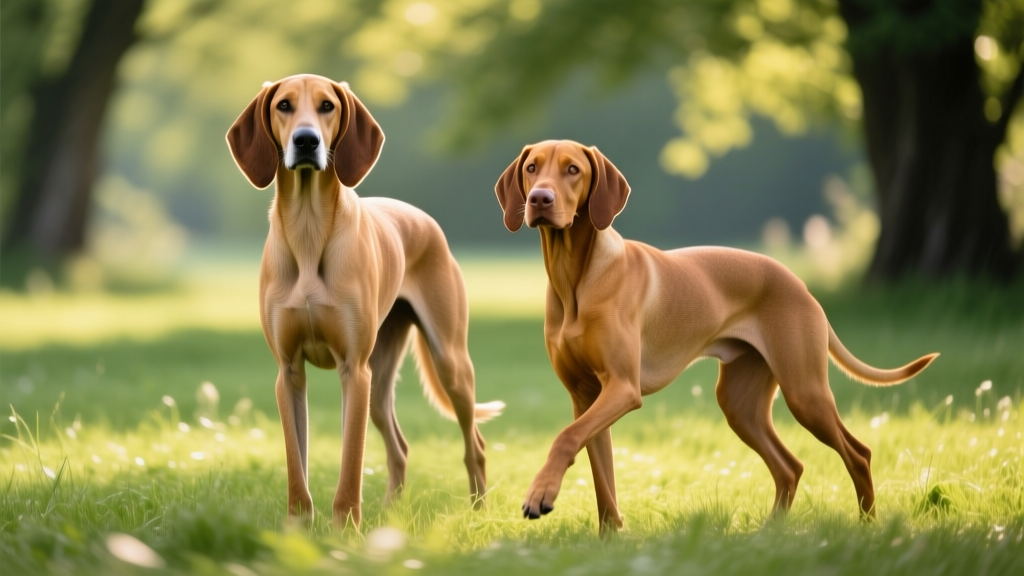
Two Hungarian Hunting Breeds, Two Very Different Dogs
If you've been searching for a Hungarian Hound vs Vizsla comparison, you're likely drawn to athletic, versatile hunting breeds with Old World heritage. Both originate from Hungary, both excel in field work, and both form intense bonds with their people. But beneath the surface similarities, these breeds diverge sharply in temperament, energy expression, grooming demands, and the type of household where they thrive.
The Vizsla — specifically the Hungarian Vizsla or Magyar Vizsla — is the more widely recognized of the two, ranking consistently in the AKC's top 35 breeds. The Hungarian Hound (Erdélyi Kopó), sometimes called the Transylvanian Hound, is considerably rarer outside Central Europe and was only recognized by the United Kennel Club in 2006. Understanding the real differences between these breeds prevents mismatched expectations and surrendered dogs.
This guide breaks down both breeds across every metric that matters for prospective owners: physical specs, behavioral tendencies backed by breed-standard observations, documented health predispositions, real exercise requirements, and the actual cost of responsible ownership in 2026.
Breed Origins and Historical Purpose
The Vizsla traces back over 1,000 years to the Magyar tribes who settled the Carpathian Basin around 895 AD. These golden-rust pointing dogs were bred to work closely with falconers and later with firearms, locating and indicating upland game birds. The breed nearly went extinct after World War II — dedicated Hungarian breeders saved the remaining stock, and Vizslas were exported to the United States in the 1930s, gaining AKC recognition in 1960.
The Hungarian Hound (Erdélyi Kopó) developed in the mountainous Transylvania region, which historically belonged to the Kingdom of Hungary and is now part of Romania. Medieval records from the 12th century reference scent hounds used by Hungarian nobility for tracking bear, wild boar, and bison across dense forest terrain. Unlike the Vizsla's close-working pointer style, the Hungarian Hound was bred to track independently at distance, using voice (baying) to communicate with hunters. The breed suffered devastating losses during both World Wars and under Communist-era restrictions on private hunting dogs. Recovery breeding programs began in earnest in the 1960s, and the UKC granted recognition in 2006.
This historical divergence matters practically: the Vizsla was shaped to check in with its handler constantly, while the Hungarian Hound was selected for independent decision-making at distance. That single difference cascades through everything from recall reliability to apartment suitability.
Physical Characteristics: Size, Build, and Coat
| Trait | Vizsla | Hungarian Hound |
|---|---|---|
| Size Class | Medium-Large | Medium-Large |
| Weight (Male) | 55–65 lb / 25–29 kg | 55–77 lb / 25–35 kg |
| Weight (Female) | 44–55 lb / 20–25 kg | 49–66 lb / 22–30 kg |
| Height (Male) | 22–24 in / 56–61 cm | 22–25 in / 56–64 cm |
| Height (Female) | 21–23 in / 53–58 cm | 20–23 in / 51–58 cm |
| Coat Type | Short, smooth, dense (also Wirehaired variety) | Short, dense, coarse with softer undercoat |
| Color | Golden rust (semmelgelb); small white chest/toe marks acceptable | Black and tan with distinctive tan markings on muzzle, chest, legs |
| Lifespan | 12–14 years | 12–14 years |
| Build | Lean, athletic, square-proportioned | Sturdy, slightly longer than tall, heavier bone |
The Vizsla is noticeably leaner and more greyhound-like in silhouette — built for explosive bursts of speed across open fields. The Hungarian Hound carries more bone and muscle density, reflecting its origin as a dog that needed to push through thick underbrush and potentially confront large, dangerous game. Both breeds are athletic, but they express athleticism differently: the Vizsla is a sprinter-pointer, the Hungarian Hound is an endurance tracker.
Temperament and Personality: Core Behavioral Traits
Temperament is where the Hungarian Hound vs Vizsla comparison becomes most useful for prospective owners. These breeds share Hungarian heritage but were selected for fundamentally different working styles, producing dogs that behave very differently in a home environment.
Vizsla Core Traits
- Velcro attachment: Vizslas are among the most handler-focused breeds in existence. They follow owners room to room, lean against legs during conversation, and become visibly distressed when left alone for extended periods. Separation anxiety is not a defect in this breed — it's a feature of their close-working pointer heritage.
- Sensitive and biddable: Vizslas respond to tone of voice and body language with unusual acuity. Harsh corrections cause them to shut down rather than comply. This sensitivity makes them excellent candidates for positive reinforcement training but poor matches for impatient handlers.
- High social drive: Most Vizslas actively seek interaction with unfamiliar people and dogs. They tend to greet strangers with enthusiasm rather than suspicion, making them poor guard dogs despite their alertness.
- Soft mouth instinct: Bred as pointing/retrieving dogs, Vizslas typically carry objects gently. Many will retrieve tossed toys without prompting and deliver them carefully to hand.
- Environmental sensitivity: Vizslas often react strongly to loud noises, household chaos, or sudden routine changes. They thrive in predictable, calm environments.
Hungarian Hound Core Traits
- Independent problem-solving: Selected to track at distance from handlers, Hungarian Hounds think for themselves. This produces a dog that may acknowledge a recall cue but choose to finish investigating a scent first. They are not disobedient — they are making independent assessments, which is exactly what their breeding demanded.
- Vocal expression: This breed bays — a deep, resonant howl-bark used historically to communicate location during hunts. In a home setting, this translates to vocalizing at doorbells, passing dogs, unusual sounds, and sometimes simply when excited. Apartment living is challenging with this trait.
- Courage with composure: Originally bred to track bear and boar, Hungarian Hounds are bold without being reckless. They tend to assess situations calmly rather than react impulsively, but they will not back down from confrontation if provoked.
- Loyal to family, reserved with strangers: Unlike the Vizsla's indiscriminate friendliness, Hungarian Hounds typically form deep bonds with their primary people and remain watchful or aloof with unfamiliar visitors. They are not aggressive toward strangers, but they don't seek their attention.
- Pack-oriented with other dogs: Historically hunted in groups, most Hungarian Hounds integrate well into multi-dog households and show less resource-guarding tendency than many independent breeds.
Exercise and Activity Requirements
Both breeds are high-energy sporting dogs, but their exercise needs differ in type and structure. Vague advice like "needs lots of exercise" doesn't help you plan your week.
| Requirement | Vizsla | Hungarian Hound |
|---|---|---|
| Minimum daily exercise | 60–90 minutes | 75–120 minutes |
| Preferred activity type | Structured running (canicross, bikejoring), fetch, swimming, field work | Long scent-work walks, hiking off-leash in secure areas, tracking exercises |
| Mental stimulation need | High — puzzle feeders, obedience drills, agility | Very High — nose work, scent trails, hide-and-seek games |
| Off-leash reliability | Moderate-High with training (strong pointing instinct may override recall near birds) | Moderate (scent-tracking instinct is powerful; GPS collar strongly recommended) |
| Apartment viability | Possible with 90+ min daily exercise and midday stimulation | Difficult — vocalization and space needs make houses with yards strongly preferred |
For the Vizsla, structured cardiovascular exercise works better than free roaming. Activities like canicross (dog-assisted running), bikejoring, dock diving, and organized field trials channel their energy productively. A Vizsla that only gets leash walks will almost certainly develop destructive behaviors — chewing, counter-surfing, or hyperactive indoor behavior.
The Hungarian Hound needs sustained, low-to-moderate intensity movement over long durations — think 90-minute hikes through wooded areas rather than 30-minute sprints. Their scent-tracking drive means they benefit enormously from structured nose work sessions. Even 15 minutes of hiding treats around the house and letting them search provides significant mental fatigue. Consider enrolling in AKC Scent Work or introducing tracking exercises in your yard.
Health Predispositions and Veterinary Screening
Both breeds are generally robust, but each carries specific genetic risks that responsible owners should monitor. Always consult your veterinarian about breed-appropriate screening, and work with breeders who perform recommended health tests before breeding.
| Condition | Vizsla | Hungarian Hound |
|---|---|---|
| Hip Dysplasia | ~7% prevalence (OFA data) | ~5–8% estimated (limited screening data due to small population) |
| Progressive Retinal Atrophy (PRA) | DNA test available; carriers exist in population | Not widely documented; limited breed-specific data |
| Epilepsy (idiopathic) | Higher-than-average breed incidence; estimated 2–4% | Not well-documented; individual cases reported |
| Cancer predisposition | Hemangiosarcoma and lymphoma overrepresented; Vizsla Club of America lists cancer as leading cause of death | Insufficient population data for prevalence estimates |
| Hypothyroidism | Documented breed predisposition; ~3–5% estimated | Not specifically documented |
| Sebaceous Adenitis | Known occurrence in breed; skin condition causing hair loss | Not documented |
| Elbow Dysplasia | Low prevalence but screened by responsible breeders | Screening recommended but data limited |
The Vizsla's cancer predisposition deserves particular attention. The Vizsla Club of America Foundation has funded multiple cancer research studies because hemangiosarcoma and lymphoma appear at higher rates in the breed compared to the general dog population. Owners should discuss annual wellness bloodwork with their veterinarian starting at age 6–7 and remain alert for symptoms like unexplained weight loss, lethargy, abdominal swelling, or non-healing skin lesions.
For the Hungarian Hound, the primary health challenge is simply limited data. The breed's small population outside Central Europe means fewer dogs have been screened through OFA or similar databases. Prospective owners should request that breeders perform hip and elbow radiographs, cardiac auscultation, and ophthalmologic exams regardless of whether breed-specific prevalence data exists.
Grooming and Maintenance
Both breeds are relatively low-maintenance in grooming compared to coated sporting breeds, but "low maintenance" doesn't mean no maintenance.
Vizsla grooming schedule:
- Brushing: Weekly with a rubber curry brush or grooming mitt (5–10 minutes). During seasonal sheds in spring and fall, increase to 2–3 times weekly.
- Bathing: Every 6–8 weeks or as needed. Their short coat dries quickly and doesn't hold odor heavily.
- Nail trimming: Every 2–3 weeks. Active Vizslas on rough terrain may wear nails naturally, but most need regular trimming.
- Ear cleaning: Weekly check and cleaning with veterinarian-approved ear wash. Vizslas have pendant ears that trap moisture, increasing infection risk — especially in dogs that swim frequently.
- Dental care: Daily tooth brushing recommended; professional dental cleaning under anesthesia every 1–2 years based on veterinary assessment.
Hungarian Hound grooming schedule:
- Brushing: Weekly with a bristle brush or hound glove. Their slightly coarser outer coat benefits from a bristle brush that reaches through to the undercoat.
- Bathing: Every 8–10 weeks. Over-bathing strips natural oils from their weather-resistant coat.
- Nail trimming: Every 2–3 weeks, same as Vizsla.
- Ear cleaning: Weekly, critical for this breed. Hungarian Hounds have long, pendant ears and significant ear canal hair, creating an environment prone to bacterial and yeast infections. After any outing in wet or wooded terrain, check ears same-day.
- Dental care: Same protocol as Vizsla — daily brushing plus professional cleanings as recommended.
Training, Intelligence, and Working Style
Both breeds are intelligent, but they apply intelligence differently — and this distinction determines which training methods produce results.
The Vizsla ranks high in working/obedience intelligence and learns new cues in 5–15 repetitions for most tasks. Their sensitivity means they respond best to positive reinforcement — food rewards, play rewards, and verbal praise. Force-free methods are not just ethically preferable for Vizslas; they are functionally superior. Harsh corrections or confrontational methods (alpha rolls, leash jerks, shock collars) cause Vizslas to become anxious and avoidant rather than compliant. If you've ever watched a Vizsla "shut down" during training — lying flat, avoiding eye contact, refusing to engage — you're seeing a stress response, not stubbornness.
The Hungarian Hound presents a different training profile. They learn quickly but apply learning selectively, particularly when scent stimuli compete for their attention. Training sessions should be short (5–10 minutes), varied, and high-value — repetitive drills bore them. Recall training requires particular investment: start in enclosed areas, use high-value rewards (real meat, not kibble), and accept that 100% reliability off-leash may not be achievable in all environments. A GPS tracking collar (such as the Garmin Alpha 200 or Tractive GPS) is practical insurance for off-leash exercise in unfenced areas.
Both breeds benefit from early socialization during the critical 3–14 week window. Expose puppies to varied surfaces, sounds, people, and other dogs in positive, controlled settings. Puppy kindergarten classes using positive reinforcement methods are strongly recommended for both breeds.
Family Suitability and Living Environment
Vizsla — Pros
- Exceptionally affectionate with family members of all ages
- Generally excellent with children when properly socialized
- Friendly with other household dogs
- Quiet indoors when adequately exercised
- Adaptable to various living situations with sufficient activity
Vizsla — Cons
- Prone to separation anxiety; not suited to 8+ hour alone days
- Sensitivity to household tension or chaotic environments
- High exercise demands that don't reduce with age until senior years
- May develop mouthy behavior if understimulated
- Strong prey drive toward small animals (cats, rabbits) without early exposure
Hungarian Hound — Pros
- Calm, composed indoor demeanor when exercise needs are met
- Good with children in the family; patient and steady
- Integrates well into multi-dog households
- Less prone to separation anxiety than Vizslas
- Natural watchdog — alerts to unusual activity without excessive reactivity
Hungarian Hound — Cons
- Baying vocalization is a significant issue in apartments or close-neighborhood settings
- Independent recall makes off-leash exercise risky without secure fencing
- Higher exercise duration requirements (75–120 min vs 60–90)
- Reserved with strangers; may not suit highly social households
- Limited breeder availability outside Central Europe increases wait times and travel costs
With children: Both breeds are generally good with children in their own family. Vizslas tend to be more exuberant and may accidentally knock over toddlers during play — supervision is essential with young children. Hungarian Hounds are typically steadier and more tolerant of clumsy handling, but all interactions between dogs and children under 10 should be directly supervised regardless of breed.
With other pets: Vizslas can coexist with cats if raised together from puppyhood, but their pointing instinct may trigger chasing of outdoor cats or small wildlife. Hungarian Hounds have strong prey drive toward small animals due to their hunting heritage and should be introduced to cats and small pets cautiously. Both breeds generally do well with other dogs.
Cost of Ownership
| Expense Category | Vizsla | Hungarian Hound |
|---|---|---|
| Puppy purchase (responsible breeder) | $1,800–$3,000 | $2,500–$4,500 (limited US breeders; import costs may add $1,500–$3,000) |
| First-year veterinary care (vaccines, spay/neuter, screening) | $800–$1,400 | $800–$1,400 |
| Annual food cost (premium kibble or balanced diet) | $600–$900 | $700–$1,000 (larger average size) |
| Annual preventive medications (heartworm, flea/tick) | $250–$450 | $250–$450 |
| Pet insurance (annual premium) | $600–$1,100 | $600–$1,200 (limited breed data may increase premiums) |
| Training classes (puppy through intermediate) | $400–$800 | $400–$800 |
| GPS tracking collar (one-time) | $0–$400 (optional) | $200–$500 (strongly recommended) |
| Grooming supplies and professional services (annual) | $100–$300 | $100–$300 |
| Estimated first-year total | $4,550–$8,350 | $5,550–$10,450 |
| Estimated annual ongoing cost (years 2+) | $1,950–$3,650 | $2,050–$3,950 |
The Hungarian Hound's higher acquisition cost reflects scarcity rather than inherent value difference. In the United States, there are very few active Hungarian Hound breeders, and many buyers import puppies from Hungary, Romania, or other Central European countries — adding transport, import health certification, and quarantine-related expenses.
Adoption through breed-specific rescues is an option for Vizslas (organizations like Vizsla Club of America maintain rescue networks). Hungarian Hound rescues in the US are extremely rare, though Central European hound rescue organizations occasionally have dogs available for international adoption.
Frequently Asked Questions
Is the Vizsla or Hungarian Hound right for first-time owners?
The Vizsla is the more realistic choice for first-time owners, provided the household can meet their exercise needs and isn't away for long work hours. Their biddable nature and desire to please make training more straightforward. The Hungarian Hound's independence, vocalization, and recall challenges make them better suited to owners with prior experience managing scent hounds or independent working breeds.
How much daily exercise does each breed actually need?
The Vizsla requires a minimum of 60–90 minutes of structured cardiovascular exercise daily — running, not just walking. The Hungarian Hound needs 75–120 minutes of sustained activity, ideally including scent-based work. Neither breed is suitable for sedentary lifestyles or owners who can commit only to short neighborhood walks.
What health problems are these breeds prone to?
Vizslas have documented predispositions to hemangiosarcoma, lymphoma, idiopathic epilepsy, hip dysplasia (~7%), hypothyroidism, progressive retinal atrophy, and sebaceous adenitis. Hungarian Hounds have less documented breed-specific data due to their smaller population, but hip and elbow dysplasia screening is recommended. Both breeds benefit from annual wellness exams and breed-appropriate genetic screening.
How big do these breeds get as adults?
Adult male Vizslas typically weigh 55–65 lb (25–29 kg) and stand 22–24 inches (56–61 cm) at the shoulder. Adult male Hungarian Hounds are somewhat heavier, at 55–77 lb (25–35 kg) and 22–25 inches (56–64 cm). Females of both breeds are proportionally smaller. The Hungarian Hound carries more bone and muscle mass despite similar height.
Are these breeds good with children and other pets?
Both breeds are generally good with children in their own family when properly socialized. Vizslas may be too exuberant for toddlers and need supervision during play. Both breeds can coexist with other dogs readily. Cat compatibility depends on early socialization and individual prey drive — neither breed should be trusted unsupervised with small pets like rabbits or hamsters.
How much does it cost to buy and maintain these breeds?
Vizsla puppies from responsible breeders cost $1,800–$3,000 with first-year total expenses of $4,550–$8,350. Hungarian Hound puppies cost $2,500–$4,500 (potentially much more with import costs) and first-year totals of $5,550–$10,450. Ongoing annual costs for both breeds range from $1,950–$3,950 depending on insurance, food quality, and veterinary needs.
Marcus Aldridge
All our authors care for dogs every day — read more of their work on the authors page.


