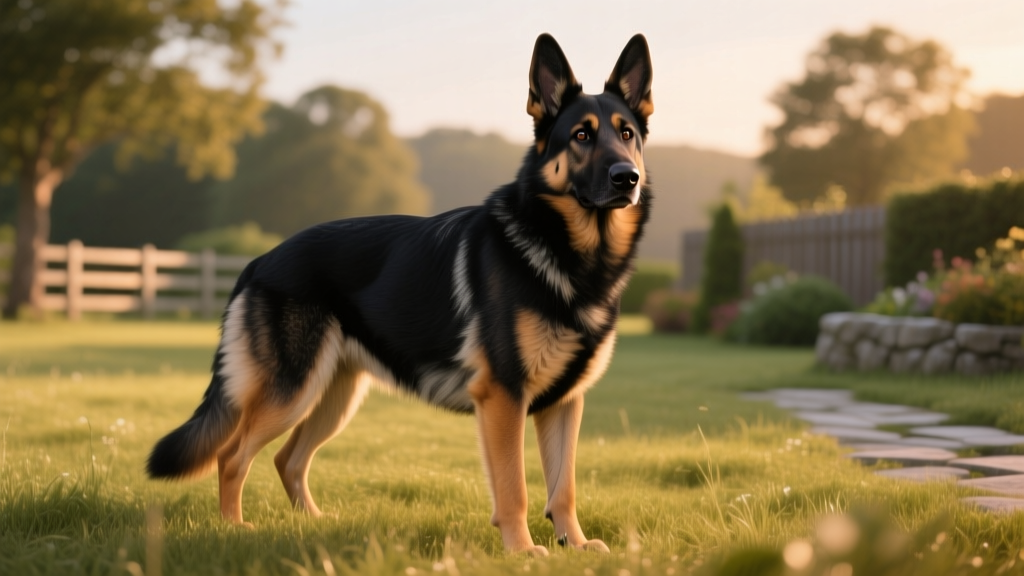
Labrador Retriever Size Guide: How Big Do Labs Really Get?
Complete Labrador Retriever size guide covering adult weight, height, growth milestones, and care needs. Learn exactly how big your Lab will get.

If you've ever stood next to a full-grown Labrador Retriever and wondered whether yours will end up quite that large, you're not alone. Labrador Retriever size is one of the most searched topics among prospective owners — and for good reason. A dog that can pull 65-80 pounds of muscle behind a leash requires different gear, vehicles, and living arrangements than a 30-pound companion. This guide breaks down exact Labrador Retriever size benchmarks, growth timelines, and what those numbers mean for your daily life with a Lab.
Labrador Retriever Breed Overview
The Labrador Retriever originated in Newfoundland, Canada — not Labrador, despite the name — in the early 1700s. Fishermen bred the St. John's Water Dog, a smaller retriever, to haul nets and catch fish that escaped from hooks. British nobles visiting Newfoundland in the early 1800s brought these dogs back to England, where the breed was refined into the modern Labrador Retriever we know today. The American Kennel Club recognized the breed in 1917, and Labs have held the top spot for most popular dog breed in the United States for over 30 consecutive years.
Labs are firmly in the large breed category. They are not giant breeds like Great Danes or Mastiffs, but they are substantially heavier and more powerful than medium breeds like Border Collies or Australian Shepherds. Their size, combined with their exuberant energy, is something every prospective owner should plan for before bringing one home.
| Attribute | Details |
|---|---|
| Size Class | Large |
| Male Weight | 65-80 lb / 29-36 kg |
| Female Weight | 55-70 lb / 25-32 kg |
| Male Height | 22.5-24.5 in / 57-62 cm |
| Female Height | 21.5-23.5 in / 55-60 cm |
| Lifespan | 11-13 years |
| Coat Type | Short, dense double coat |
| Energy Level | High (working-dog drive) |
| Grooming Frequency | Weekly brushing, seasonal deshedding |
| Family Fit | Excellent — kids, other dogs, cats |
How Big Do Labrador Retrievers Get? Growth Milestones
Understanding Labrador Retriever size across the lifespan helps you plan for crate upgrades, food transitions, and veterinary expectations. Labs grow rapidly in their first six months, then slow considerably as they approach their adult frame.
| Age | Male Weight (lb) | Female Weight (lb) | Notes |
|---|---|---|---|
| 8 weeks | 10-14 | 8-12 | Ready to go home; ~2 lb/week gain |
| 3 months | 20-26 | 16-22 | Rapid skeletal growth phase |
| 6 months | 40-50 | 35-45 | ~75% of adult height reached |
| 9 months | 55-65 | 45-58 | Near adult height; still filling out |
| 12 months | 62-75 | 52-65 | Adult height reached; muscle/chest still developing |
| 18-24 months | 65-80 | 55-70 | Fully mature; chest and musculature complete |
A common mistake new Lab owners make is assuming their dog is "done growing" at 12 months. While height at the shoulder is mostly set by one year, Labs continue to broaden through the chest and build muscle mass until 18-24 months. This is also why many veterinarians recommend keeping Labs on large-breed puppy food (formulated to slow growth rate and protect developing joints) until at least 12 months, then transitioning to an adult large-breed formula.
English vs. American Lab size: There is a noticeable difference between the two types. English (or "show bench") Labs tend to be stockier, heavier-boned, and shorter — often at the lower end of the height range but the higher end of the weight range. American (or "field") Labs are leaner, longer-legged, and more athletic in build, often at the taller end of the height range but lighter in weight. Neither type is "more correct" — they simply reflect different breeding priorities.
Temperament & Personality: What Living With a Lab Is Really Like
Labrador Retrievers weren't the most popular breed in America for three decades by accident. Their temperament is remarkably well-suited to family life — but understanding the specific traits helps you decide if the reality matches your expectations.
1. Retrieving drive is constant. Labs carry things. Shoes, socks, stuffed animals, your mail — if it fits in their mouth, they'll pick it up. This isn't misbehavior; it's a hardwired breed trait from generations of retrieving fish and game. Channel this by keeping a basket of designated "carry toys" near the door so your Lab grabs an appropriate item when guests arrive instead of your shoe.
2. Food motivation is intense. A 2016 study published in Cell Metabolism found that approximately 23% of Labrador Retrievers carry a variant of the POMC gene associated with increased hunger and obesity risk. This isn't just "my Lab loves food" — it's a documented genetic predisposition. You will need to measure meals precisely, resist begging, and keep trash cans secured with locking lids.
3. Social to a fault. Labs typically greet strangers with full-body wiggles and an assumption that every human exists to pet them. This makes them terrible guard dogs but exceptional therapy and service animals. If you want a dog that will alert you to intruders with suspicion, a Lab is not your breed.
4. Mouthy through adolescence. Lab puppies explore the world with their mouths, and this phase can extend to 12-18 months. Nipping, chewing, and gentle mouthing are normal but need redirection to appropriate chew items. A frozen Kong stuffed with peanut butter will outlast most puppy chewing sessions.
5. Water obsession is near-universal. Puddles, pools, lakes, sprinklers, mud — Labs love water. This is wonderful for summer exercise but means you'll want a towel station by the door and possibly a dog-friendly ramp for pool safety.
Exercise & Activity Requirements
Labs are working dogs, and their exercise needs reflect that heritage. The Merck Veterinary Manual notes that insufficient exercise in Labs frequently leads to obesity and destructive behavior — two of the most common reasons owners surrender this breed.
| Life Stage | Minutes/Day | Recommended Activities |
|---|---|---|
| Puppy (2-6 months) | 20-30 total (split sessions) | Free play, short walks, puppy socialization classes |
| Adolescent (6-18 months) | 45-60 | Fetch, swimming, hiking, basic obedience training |
| Adult (18 months-8 years) | 60-90 | Running, swimming, agility, dock diving, hiking, field work |
| Senior (8+ years) | 30-60 | Leisurely walks, gentle swimming, scent games |
Swimming is the single best exercise for Labs — it's full-body, low-impact on joints, and taps into their natural instincts. If you have access to a safe body of water, even 20 minutes of swimming can equal an hour of walking in terms of energy expenditure. For apartment-dwelling Lab owners, a combination of morning walks, evening fetch sessions, and weekend hikes typically meets the breed's needs.
Mental exercise matters equally. A Lab that gets 90 minutes of physical exercise but zero mental stimulation will still find ways to entertain itself — usually by dismantling your couch. Puzzle feeders, snuffle mats, frozen Kongs, and 10-15 minute training sessions all count toward tiring out a working-breed brain.
Common Health Issues in Labrador Retrievers
While Labs are generally robust dogs, their size and genetics predispose them to specific conditions. Consult your veterinarian for breed-appropriate screening, and always ask breeders for OFA (Orthopedic Foundation for Animals) health clearances on both parents.
| Condition | Prevalence | Key Details |
|---|---|---|
| Hip Dysplasia | ~12-15% (OFA data) | Malformation of hip joint causing arthritis. OFA screening of breeding stock is critical. |
| Elbow Dysplasia | ~10-12% (OFA data) | Abnormal elbow joint development; can cause lameness as early as 5-6 months. |
| Obesity | ~25-30% of pet Labs | POMC gene variant increases risk. Excess weight worsens joint disease and shortens lifespan by up to 2 years. |
| Exercise-Induced Collapse (EIC) | ~5-8% affected; ~30% carriers | Genetic condition causing weakness/collapse after intense exercise. DNA test available. |
| Progressive Retinal Atrophy (PRA) | ~3-5% | Gradual vision loss leading to blindness. DNA test for prcd-PRA variant available. |
Bloat (Gastric Dilatation-Volvulus) is a life-threatening emergency that can affect any deep-chested large breed, including Labs. While less common in Labs than in Great Danes or Standard Poodles, it remains a risk. Feeding 2-3 smaller meals per day rather than one large meal, avoiding vigorous exercise within an hour of eating, and using a slow-feeder bowl can reduce risk. If your Lab shows a distended abdomen, unproductive retching, or restlessness after eating, seek emergency veterinary care immediately.
A 2024 study published in Scientific Reports using UK veterinary records found that the most common causes of death in Labrador Retrievers were musculoskeletal disorders and tumors, emphasizing the importance of weight management and regular senior wellness screening from age 7 onward.
Grooming: Managing the Lab Coat
The Labrador Retriever's double coat is designed for cold-water retrieving: a soft, dense undercoat insulates, while a short, hard outer coat repels water. This coat is low-maintenance compared to long-haired breeds but is not low-shedding. Labs shed year-round with two heavy "coat blow" periods in spring and fall.
- Weekly: Brush with a slicker brush or rubber curry brush (e.g., Kong ZoomGroom) for 10-15 minutes to remove loose undercoat.
- During shedding season (spring/fall): Daily brushing with an undercoat rake (e.g., Furminator Large Short-Hair) for 15-20 minutes. Expect tumbleweeds of fur regardless.
- Bathing: Every 6-8 weeks or as needed. Use a dog-specific oatmeal shampoo; Labs' skin can dry out with human products.
- Nails: Trim every 3-4 weeks. If you hear clicking on hard floors, they're too long.
- Ears: Check and clean weekly with a veterinary ear cleanser. Labs' floppy, hairy ears trap moisture and are prone to otitis externa (ear infections).
- Teeth: Brush 3-4 times per week minimum with enzymatic dog toothpaste. Dental disease affects over 80% of dogs by age 3.
Never shave a Lab. The double coat regulates temperature in both heat and cold. Shaving disrupts the coat structure, can cause permanent patchy regrowth, and removes the natural UV and insect protection the outer coat provides.
Training & Intelligence
Labrador Retrievers rank 7th in Stanley Coren's The Intelligence of Dogs for working and obedience intelligence — meaning they can learn a new command in fewer than 5 repetitions and obey a known command on the first attempt 95% of the time or better. This trainability is why Labs dominate service dog work, search and rescue, detection work, and competitive obedience.
Recommended training approach: Positive reinforcement methods — treats, praise, toy rewards — are ideal for Labs. Their food motivation makes clicker training and treat-based shaping highly effective. Force-free, LIMA (Least Intrusive, Minimally Aversive) training builds confidence and preserves the trusting relationship Labs naturally form with their handlers. Aversive methods like shock collars or prong collars are unnecessary and counterproductive with this breed.
Key training milestones:
- 8-16 weeks: House training, crate training, bite inhibition, basic sit/down/come
- 4-6 months: Leash walking foundations, impulse control (leave it, wait), continued socialization
- 6-12 months: Reliable recall (critical before off-leash freedom), settle/mat training, introduction to structured activities
- 12+ months: Advanced obedience, sport training (agility, rally, field work), Canine Good Citizen certification
The biggest training challenge with Labs isn't intelligence — it's impulse control. Adolescent Labs (6-18 months) are famously exuberant. Jumping on guests, pulling on leash, and counter-surfing are the top three complaints. Consistent management (baby gates, tethering, removing temptation) combined with reinforcement of alternative behaviors (sit to greet, loose-leash walking) resolves most issues by 18-24 months.
Family Suitability: Kids, Pets, and Living Spaces
Labs are among the most family-compatible breeds available. Their patience, tolerance for handling, and desire to be involved in all family activities make them excellent companions for children. That said, a rambunctious 70-pound adolescent Lab can accidentally knock over a toddler during play — supervision is essential until the dog has learned calm indoor behavior.
With other dogs: Typically excellent. Labs are social and generally non-aggressive with other dogs when properly socialized. Dog parks, daycare, and multi-dog households are well-suited to the breed.
With cats: Generally good, especially when raised together. Their retrieving instinct can sometimes trigger chasing of small, fast-moving animals, but most Labs learn to coexist peacefully with household cats.
Apartment living: Possible but challenging. Labs can adapt to apartment life if they receive adequate daily exercise (60-90 minutes minimum), but their size, shedding, energy, and tendency to vocalize when bored make a house with a fenced yard a significantly better fit. If you're in an apartment, commit to multiple daily walks, regular park visits, and mental enrichment to prevent destructive behavior.
Pros of Labrador Ownership
- Exceptional family dog; patient with children
- Highly trainable; excels in obedience and sports
- Versatile: hiking, swimming, therapy, service work
- Low-maintenance coat (no professional grooming)
- Generally healthy with 11-13 year lifespan
- Social and friendly with strangers and other pets
Cons of Labrador Ownership
- Heavy shedding year-round
- High exercise needs (60-90 min/day)
- Prone to obesity without strict food management
- Exuberant adolescence can last to 2+ years
- Poor guard dog — greets everyone warmly
- Requires significant space; not ideal for apartments
Cost of Owning a Labrador Retriever
Budgeting realistically for a Lab prevents the heartbreak of surrendering a dog you can't afford to care for. Here's what to expect in 2026:
| Expense | Cost Range | Notes |
|---|---|---|
| Puppy (responsible breeder) | $1,200-$3,000 | Includes OFA health testing, early socialization, AKC registration. Rescue/adoption: $200-$600. |
| First-year veterinary care | $500-$900 | Puppy vaccines (DHPP, rabies, bordetella), spay/neuter, heartworm test, fecal exams. |
| Annual veterinary (adult) | $400-$700 | Wellness exam, vaccines, heartworm prevention, flea/tick prevention. |
| Food (monthly) | $50-$90 | 3-4 cups/day of quality large-breed kibble (AAFCO complete & balanced). |
| Pet insurance (monthly) | $40-$80 | Varies by plan, deductible, and location. Recommended for large breeds. |
| Grooming supplies (annual) | $60-$120 | Brushes, shampoo, nail clippers, ear cleanser. |
| Training classes | $150-$400 | Puppy class + basic obedience; additional for sport/advanced training. |
| Estimated annual total (adult) | $1,800-$3,200 | Excludes emergency veterinary costs. |
Emergency veterinary costs for a large dog can be significant — a GDV (bloat) surgery typically costs $3,000-$7,000, and hip surgery for dysplasia can run $3,500-$7,000 per hip. Pet insurance or a dedicated emergency fund of at least $2,000-$3,000 is strongly recommended.
Frequently Asked Questions About Labrador Retriever Size
Is a Labrador Retriever the right breed for first-time dog owners?
Yes, with preparation. Labs are forgiving of beginner mistakes, eager to please, and respond well to positive reinforcement training. Their main challenge for first-time owners is managing their energy and size during adolescence. Enroll in puppy classes early, commit to daily exercise, and expect a high-energy household for the first 2-3 years. If you're prepared for that, Labs are one of the best first-dog choices available.
How much exercise does a Labrador Retriever need daily?
Adult Labs need 60-90 minutes of physical activity per day, ideally split into two sessions. This should include a mix of cardiovascular exercise (running, swimming, fetch) and mental stimulation (training, puzzle toys, scent work). Puppies need less structured exercise but plenty of free play. A tired Lab is a well-behaved Lab — an under-exercised one will create its own entertainment, usually at your furniture's expense.
What health problems are Labrador Retrievers most prone to?
The most common breed-specific conditions are hip dysplasia (~12-15%), elbow dysplasia (~10-12%), obesity (~25-30%), exercise-induced collapse (~5-8%), and progressive retinal atrophy (~3-5%). Responsible breeders screen for all of these via OFA evaluations and DNA testing. Always ask to see health clearances before purchasing a puppy, and maintain your Lab at a lean body condition score (4-5 out of 9) to minimize joint stress.
How big does a Labrador Retriever get as an adult?
Adult male Labs typically weigh 65-80 lb (29-36 kg) and stand 22.5-24.5 inches (57-62 cm) at the shoulder. Adult females weigh 55-70 lb (25-32 kg) and stand 21.5-23.5 inches (55-60 cm). English/show-type Labs tend to be heavier and stockier; American/field-type Labs tend to be leaner and taller. Labs reach full height by 12-14 months but continue filling out in chest and muscle until 18-24 months.
Are Labrador Retrievers good with children and other pets?
Labs are among the best breeds for families with children. They are patient, tolerant, and playful. Supervision is important with toddlers due to the dog's size and exuberance — a happy Lab tail can leave bruises on small legs. With other dogs, Labs are typically friendly and social. With cats and small pets, most Labs coexist well when raised together, though their prey drive varies by individual.
How much does it cost to buy and maintain a Labrador Retriever?
Expect to pay $1,200-$3,000 for a well-bred puppy from a responsible breeder, or $200-$600 through breed rescue. Annual ongoing costs for an adult Lab range from $1,800-$3,200, covering food, veterinary care, preventives, insurance, and supplies. First-year costs are higher ($2,500-$4,500) due to puppy vaccines, spay/neuter, and initial gear purchases. Always budget for potential emergency veterinary expenses.
Sources: AKC Labrador Retriever Breed Standard | Merck Veterinary Manual — Labrador Retriever | Orthopedic Foundation for Animals (OFA) breed statistics
This article is for informational purposes only and does not replace professional veterinary advice. Always consult your veterinarian for health concerns, dietary decisions, and breed-appropriate screening for your Labrador Retriever.
Beth Carrasco
All our authors care for dogs every day — read more of their work on the authors page.