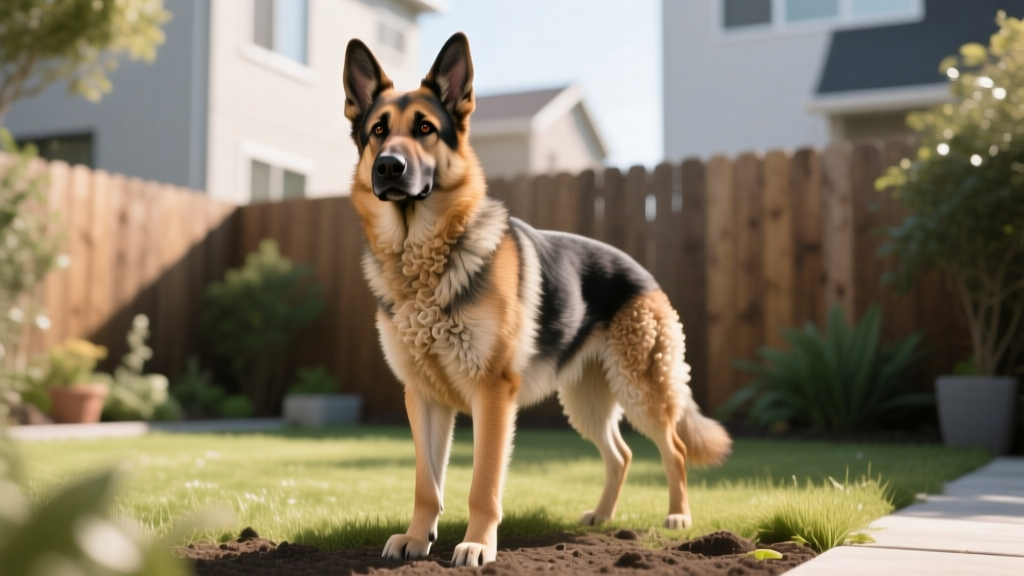
Labrador Dog Size Guide: Growth, Weight & What to Expect
Complete guide to Labrador dog size including adult weight, height, growth timeline, and how to maintain a healthy body condition score.

Labrador Retriever Overview & Size Class
The Labrador Retriever ranks as America's most popular dog breed for good reason. Originally developed in Newfoundland, Canada during the 1830s, these dogs were bred to retrieve fish and waterfowl in cold Atlantic waters. British nobility refined the breed in the 1800s, establishing the standard we recognize today.
Labradors fall squarely into the large breed category—not giant like Great Danes, but substantial enough that apartment dwellers should carefully consider space requirements. Their athletic build and moderate size make them versatile family companions, though their exuberance can overwhelm small children during puppyhood.
| Attribute | Specification |
|---|---|
| Size Class | Large |
| Weight Range | 55-80 lb (25-36 kg) |
| Height Range | 21.5-24.5 inches (55-62 cm) |
| Lifespan | 10-12 years |
| Coat Type | Double coat, short and dense |
| Energy Level | High (active working breed) |
| Grooming Frequency | Weekly brushing, monthly baths |
| Family Fit | Excellent with children and other pets |
Physical Characteristics & Size Specifications
According to the American Kennel Club breed standard, male Labradors stand 22.5-24.5 inches (57-62 cm) at the withers and weigh 65-80 lb (29-36 kg). Females are smaller at 21.5-23.5 inches (55-60 cm) and 55-70 lb (25-32 kg). Dogs outside these ranges are disqualified from conformation shows but make equally wonderful pets.
Labradors possess a distinctive "otter tail"—thick at the base and tapering to a point—which serves as a powerful rudder during swimming. Their broad skulls feature a defined stop, and their kind expressions reflect the breed's gentle temperament. The double coat consists of a soft, weather-resistant undercoat beneath a short, straight outer coat that feels slightly oily to the touch, providing natural waterproofing.
Three colors are recognized: black (most common genetically), yellow (ranging from pale cream to fox red), and chocolate (light sedge to dark brown). Silver Labradors, while popular, remain controversial—major kennel clubs don't recognize them as a standard color, though they're purebred dogs with a dilute chocolate gene.
Labrador Growth Timeline: Puppy to Adult
Understanding your Labrador's growth pattern helps set realistic expectations and monitor healthy development. Most Labradors reach their full height by 12-18 months, though they continue filling out and gaining muscle mass until age 2-2.5 years.
| Age | Expected Weight (Males) | Expected Weight (Females) | Development Notes |
|---|---|---|---|
| 8 weeks | 10-15 lb (4.5-7 kg) | 8-12 lb (3.5-5.5 kg) | Rapid early growth phase |
| 3 months | 20-30 lb (9-14 kg) | 15-25 lb (7-11 kg) | Peak growth velocity |
| 6 months | 40-55 lb (18-25 kg) | 35-45 lb (16-20 kg) | Reaches ~75% adult weight |
| 9 months | 55-70 lb (25-32 kg) | 45-60 lb (20-27 kg) | Growth rate slowing |
| 12 months | 60-75 lb (27-34 kg) | 50-65 lb (23-29 kg) | Near full height |
| 18-24 months | 65-80 lb (29-36 kg) | 55-70 lb (25-32 kg) | Fully mature |
Genetics, nutrition, and early spay/neuter timing all influence final size. Research published in the Merck Veterinary Manual indicates that early gonadectomy (before 6 months) may result in slightly taller dogs due to delayed growth plate closure, though the difference is typically less than an inch.
Temperament & Personality Traits
Labradors earned their reputation as ideal family dogs through specific behavioral traits honed over centuries of selective breeding:
1. Retrieving Drive: Labradors possess an innate desire to carry objects in their mouths. You'll notice this from puppyhood—shoes, socks, toys, and even gentle mouthing of hands. Channel this instinct with appropriate chew toys and retrieve games rather than punishing the behavior.
2. Social Confidence: Well-bred Labradors approach strangers with wagging tails rather than fear or aggression. This makes them poor guard dogs but excellent therapy and service animals. They typically greet delivery drivers, neighbors, and other dogs with enthusiasm.
3. Food Motivation: Labradors rank among the most food-driven breeds, which makes training easier but requires strict portion control. A 2016 study in the journal Cell Metabolism identified a POMC gene mutation in approximately 23% of Labradors that increases hunger signals, contributing to the breed's obesity predisposition.
4. Water Obsession: Many Labradors will attempt to enter any body of water—pools, puddles, lakes, or even toilets. Provide safe swimming opportunities and rinse with fresh water afterward to prevent skin irritation.
5. Extended Puppyhood: Labradors often retain playful, bouncy energy until age 3-4 years. This "puppy brain" phase requires patience and consistent training, but the payoff is a loyal, joyful companion.
Exercise Requirements & Activity Recommendations
Labradors require 60-90 minutes of structured exercise daily, split into multiple sessions. This isn't optional—under-exercised Labradors develop destructive behaviors, excessive barking, and weight gain.
Daily Exercise Breakdown:
- Morning (20-30 minutes): Brisk leash walk or jogging session before breakfast
- Midday (15-20 minutes): Fetch, swimming, or puzzle toy interaction
- Evening (30-40 minutes): Longer walk, hike, or training session incorporating obedience commands
Swimming is ideal for Labradors—it provides full-body conditioning without joint stress. If you have pool access, introduce water gradually and always supervise. For apartment dwellers, consider dog daycare or hiring a dog walker to meet midday exercise needs.
Avoid high-impact activities (long-distance running, jumping, agility) until growth plates close around 18-24 months. Premature stress on developing joints increases hip and elbow dysplasia risk.
Common Health Issues & Breed-Specific Risks
While generally healthy, Labradors face several hereditary conditions. Responsible breeders screen parent dogs through the Orthopedic Foundation for Animals (OFA) and provide health certificates.
| Condition | Prevalence | Symptoms | Treatment Cost Range |
|---|---|---|---|
| Hip Dysplasia | 10-15% of Labradors | Limping, difficulty rising, bunny-hopping gait | $1,500-$6,000 (surgery) |
| Elbow Dysplasia | 8-12% | Front leg lameness, reluctance to play | $1,500-$4,000 (surgery) |
| Obesity | 30-40% (lifestyle-related) | Visible fat deposits, difficulty breathing, reduced stamina | $200-$500/year (diet management, related conditions) |
| Progressive Retinal Atrophy (PRA) | 3-5% | Night blindness progressing to total blindness | No cure; supportive care $200-$500/year |
| Exercise-Induced Collapse (EIC) | 5-8% carrier rate | Hind leg weakness, collapse after intense exercise | Management only; avoid trigger activities |
Prevention Strategy: Maintain lean body condition (ribs easily felt but not visible), feed measured meals rather than free-choice, and schedule annual veterinary exams including orthopedic screening after age 2.
Always consult your veterinarian if you notice limping lasting more than 48 hours, sudden vision changes, or exercise intolerance. Early intervention improves outcomes significantly.
Grooming & Coat Care Schedule
Labradors shed moderately year-round with intense seasonal "blowing" periods in spring and fall. Their double coat requires consistent maintenance to control loose hair and prevent skin issues.
Weekly Routine (10-15 minutes):
- Brush with a slicker brush or rubber grooming mitt to remove loose undercoat
- Check ears for redness, odor, or debris—clean with veterinary ear solution if needed
- Inspect nails; trim if you hear clicking on hard floors (typically every 3-4 weeks)
Monthly Tasks:
- Bathe using a mild, dog-specific shampoo (human products disrupt skin pH)
- Deep deshedding with an undercoat rake during shedding seasons
- Brush teeth 2-3 times weekly using enzymatic dog toothpaste—dental disease affects 80% of dogs by age 3
Recommended Tools: Kong ZoomGroom rubber brush ($12-15), Furminator deshedding tool for medium/large dogs ($35-45), Hertzko slicker brush ($15-20).
Never shave a Labrador—this damages the coat's insulating properties and can lead to permanent alopecia. The double coat regulates temperature naturally, keeping dogs cool in summer and warm in winter.
Training & Intelligence
Labradors rank #7 in Stanley Coren's The Intelligence of Dogs, learning new commands in 5-15 repetitions and obeying on the first command 95% of the time. Their combination of intelligence, biddability, and food motivation makes them exceptionally trainable.
Recommended Training Methods:
- Positive reinforcement: Use high-value treats (small pieces of chicken, cheese, or commercial training treats) to reward desired behaviors immediately
- Clicker training: The distinct click sound marks the exact moment of correct behavior, accelerating learning
- Short sessions: 5-10 minutes, 2-3 times daily maintains focus better than hour-long sessions
Essential Commands for Labradors:
- "Drop it" / "Leave it": Critical for preventing ingestion of toxic substances or inappropriate objects
- Loose-leash walking: A 70-lb dog pulling on leash becomes unmanageable—start training at 8 weeks
- Recall ("Come"): Labradors' friendly nature means they'll approach strangers or traffic without reliable recall
- "Settle" / mat training: Teaches calm behavior when guests arrive or during meals
Avoid aversive methods (shock collars, prong collars, alpha rolls)—these damage the human-dog bond and can create fear-based aggression. The American Veterinary Society of Animal Behavior recommends only force-free, reward-based training methods.
Family Suitability Assessment
- Children (patient, gentle, tolerant of handling)
- Other dogs (social, non-territorial)
- Cats (if socialized early; may chase outdoor cats)
- Active families who enjoy outdoor activities
- First-time dog owners (forgiving of training mistakes)
- Apartment dwellers without yard access
- Sedentary households
- Families unable to commit 60-90 minutes daily to exercise
- People seeking a guard dog (too friendly)
- Those wanting a low-shedding breed
Labradors thrive in homes with fenced yards where they can burn energy safely. Their size and exuberance make them better suited to houses than apartments, though committed owners can make apartment living work with rigorous exercise routines and mental stimulation.
Supervise interactions between Labradors and children under 5 years old—not because of aggression risk, but because an excited 60-lb dog can accidentally knock down a toddler. Teach children to respect the dog's space during meals and sleep.
Cost of Ownership Breakdown
Budget realistically before committing to a Labrador. Initial and ongoing costs add up quickly for large, active dogs.
| Expense Category | First Year | Annual (Years 2+) |
|---|---|---|
| Puppy Purchase (reputable breeder) | $1,200-$2,500 | — |
| Initial Supplies (crate, bed, bowls, leash, collar) | $300-$500 | $100-$200 (replacements) |
| Veterinary Care (vaccines, spay/neuter, exams) | $800-$1,500 | $400-$800 |
| Food (high-quality large-breed formula) | $600-$900 | $600-$900 |
| Preventive Medications (heartworm, flea/tick) | $200-$400 | $200-$400 |
| Training (group classes or private lessons) | $200-$600 | $0-$200 (ongoing) |
| Grooming Supplies & Services | $100-$300 | $100-$300 |
| Pet Insurance (recommended) | $400-$700 | $400-$700 |
| Total Estimated Cost | $3,800-$7,400 | $1,800-$3,300 |
Emergency veterinary care can cost $2,000-$10,000+ for conditions like bloat (gastric dilatation-volvulus), which Labradors are predisposed to due to their deep chests. Pet insurance or a dedicated emergency fund provides financial protection.
Adoption Alternative: Labrador rescues and shelters offer adult dogs for $200-$500, often already spayed/neutered, vaccinated, and temperament-tested. This route saves money while providing a home to a dog in need.
Frequently Asked Questions
Is a Labrador Retriever right for first-time dog owners?
Yes, Labradors are excellent for first-time owners due to their forgiving nature, eagerness to please, and tolerance of training mistakes. However, their size, energy level, and 10-12 year commitment require serious consideration. Attend puppy classes and read breed-specific training resources before bringing your dog home.
How much exercise does a Labrador need daily?
Adult Labradors require 60-90 minutes of structured exercise daily, including walks, swimming, fetch, and training sessions. Puppies need shorter, more frequent play sessions (5 minutes per month of age, twice daily) to protect developing joints. Mental stimulation through puzzle toys and training is equally important as physical exercise.
What health problems are Labradors prone to?
Labradors face elevated risks for hip and elbow dysplasia (10-15% prevalence), obesity (30-40% are overweight), progressive retinal atrophy, and exercise-induced collapse. Purchase from breeders who provide OFA health clearances for parent dogs, maintain your dog at a lean weight, and schedule annual veterinary exams to catch issues early.
How big does a Labrador get when fully grown?
Male Labradors reach 65-80 lb (29-36 kg) and 22.5-24.5 inches (57-62 cm) tall. Females are smaller at 55-70 lb (25-32 kg) and 21.5-23.5 inches (55-60 cm). Most Labradors reach full height by 12-18 months but continue gaining muscle mass until age 2-2.5 years.
Are Labradors good with children and other pets?
Labradors are exceptionally good with children and other animals when properly socialized. Their patient, gentle temperament makes them one of the best family dog breeds. Always supervise interactions with young children, and introduce new pets gradually using positive associations.
How much does it cost to buy and maintain a Labrador?
Expect to pay $1,200-$2,500 for a well-bred Labrador puppy from a reputable breeder. First-year expenses total $3,800-$7,400 including supplies, veterinary care, food, and training. Annual maintenance costs $1,800-$3,300 for food, preventive care, and routine veterinary visits. Pet insurance adds $400-$700 annually but protects against emergency expenses.
Beth Carrasco
All our authors care for dogs every day — read more of their work on the authors page.