Basset Hound Breeds: Complete Care, Temperament & Health Guide
Everything about Basset Hound breeds: temperament, health risks, exercise needs, grooming, training tips, and 2026 cost of ownership breakdown.
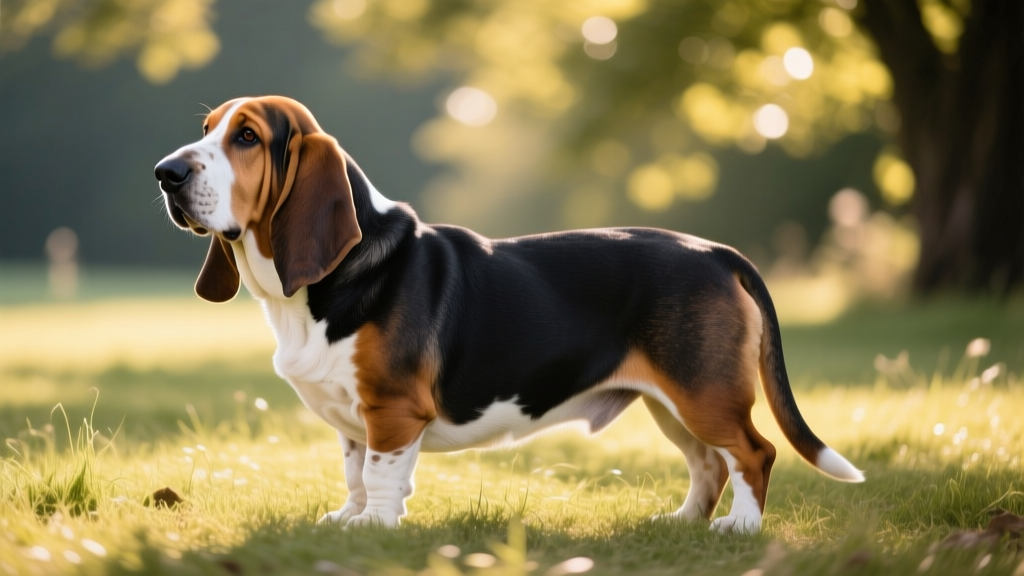
If you've ever heard a deep, booming howl echo across a neighborhood and spotted a low-slung dog with ears dragging the ground, you've likely met a Basset Hound. These unmistakable scent hounds pack enormous personality into a compact, heavy-boned frame. But behind those soulful eyes and comical expression lies a dog with specific care needs that many first-time owners underestimate.
This guide covers everything prospective and current Basset Hound owners need to know — from breed-specific health risks with actual prevalence data to realistic cost breakdowns for 2026. Whether you're researching before adoption or troubleshooting a behavior challenge with your current Basset, you'll find actionable, veterinary-informed guidance here.
Breed Overview: Origins and Purpose
The Basset Hound traces its lineage to 6th-century France, where monks at the Abbey of St. Hubert bred low-statured hounds for hunting on foot. The name itself reveals the purpose: bas (low) + set (set/placed) — a dog built close to the ground. By the 1800s, French hunters had refined the breed into an exceptional scent tracker capable of pursuing rabbits and hares through dense underbrush at a pace a human could follow.
The breed arrived in England in the 1860s and crossed to the United States by the 1880s, gaining AKC recognition in 1885. Today's Basset Hound is classified as a medium-to-large breed despite its short stature, belonging to the Hound Group. They are scent hounds first and foremost — their nose contains approximately 220 million scent receptors, second only to the Bloodhound among recognized breeds.
| Attribute | Details |
|---|---|
| Size Class | Medium-Large (heavy-boned, low-station) |
| Weight Range | 40–65 lb / 18–29 kg |
| Height Range | 11–15 inches / 28–38 cm at the shoulder |
| Lifespan | 12–13 years (range: 10–15 years) |
| Coat Type | Short, smooth, dense double coat |
| Energy Level | Low-to-moderate |
| Grooming Frequency | Weekly brushing; daily ear checks |
| Family Fit | Excellent with children; good with other dogs |
| Apartment Friendly | Conditional (needs daily walks; may vocalize) |
| AKC Group | Hound Group |
Temperament and Personality: What Living With a Basset Is Really Like
Basset Hounds are often described as "stubborn," but that label oversimplifies a breed wired for independent decision-making. In the field, a Basset had to track scent trails without constant human direction — this independence translates at home into a dog that evaluates whether a command is worth obeying rather than responding reflexively.
Here are five core temperament traits you'll encounter daily:
1. Scent-Driven Focus
When a Basset catches an interesting smell, the world ceases to exist. This isn't defiance — it's neurobiology. Their olfactory cortex is proportionally larger than most breeds. Expect your Basset to "go deaf" on walks when a compelling scent appears. This is why a secure fence (minimum 4 feet, with no gaps at the base) and a reliable recall are non-negotiable.
2. Affectionate Without Clinginess
Bassets want to be in the same room as their people but rarely demand constant physical contact. They'll lean against your leg, sleep at the foot of your bed, and greet you warmly — but they're equally content dozing in a sunny spot while you work. This makes them well-suited to owners who work from home but can't accommodate a velcro dog.
3. Vocal Communication
The Basset Hound's signature baroo — a deep, resonant howl-bark hybrid — carries surprisingly far for a dog this size. They vocalize to announce visitors, express boredom, or protest being left alone. In apartment settings, this can become a lease issue if not managed through adequate stimulation and gradual alone-time training.
4. Food Motivation (Bordering on Obsession)
Bassets will eat anything, at any time, in any quantity. This trait makes them highly trainable with food rewards but also puts them at constant risk for counter-surfing, trash-raiding, and obesity. You'll need to puppy-proof at a level typically reserved for toddler households.
5. Gentle Disposition
Aggression is extremely rare in well-socialized Bassets. They tend to greet strangers with curiosity or indifference rather than suspicion. This makes them poor guard dogs but outstanding therapy dog candidates — many Bassets excel in pet-assisted therapy programs due to their calm demeanor and tolerance for handling.
Physical Characteristics: Built for Endurance, Not Speed
The Basset Hound's physique is a study in functional extremes. Every physical trait serves the original hunting purpose:
- Long, pendulous ears: Sweep ground-level scents upward toward the nose. These ears can extend beyond the tip of the nose when stretched forward.
- Dense, heavy bone structure: Despite standing only 11–15 inches tall, a mature Basset weighs 40–65 lb (18–29 kg) — comparable to many dogs twice their height. This low center of gravity provides stability in rough terrain.
- Loose, wrinkled skin: Traps scent particles near the nose for continuous olfactory input.
- Prominent sternum and short, powerful legs: Enable sustained tracking through brush at a deliberate pace.
Coat colors recognized by the AKC breed standard include tri-color (black, white, and tan), red and white, and lemon and white. The coat is short, smooth, and surprisingly dense — Bassets shed moderately year-round with heavier seasonal shedding in spring and fall.
Exercise and Activity Needs: The 30–45 Minute Rule
Contrary to their couch-potato reputation, Basset Hounds need structured daily exercise to maintain joint health and prevent obesity — their two biggest health threats. Here's a realistic activity framework:
| Activity Type | Duration | Frequency | Notes |
|---|---|---|---|
| Leash walks | 20–30 minutes | Daily (1–2x) | Allow sniffing time; this is mental exercise |
| Scent games | 10–15 minutes | 3–5x weekly | Hide treats/toys; use snuffle mats |
| Supervised yard time | 15–20 minutes | Daily | Fenced area only; never off-leash in open areas |
| Swimming (optional) | 10–15 minutes | 1–2x weekly | Use a dog life vest — Bassets are NOT natural swimmers due to heavy front-end weight |
| Training sessions | 5–10 minutes | Daily | Short, food-reward-based; end on success |
Critical exercise restrictions: Avoid high-impact activities (jumping off furniture, agility with jumps, running on hard surfaces) especially during the first 18 months when growth plates are still closing. Their long spine and short legs make them vulnerable to intervertebral disc disease (IVDD), and repetitive jarring accelerates joint wear.
Total daily exercise target: 30–45 minutes of moderate activity, split across 2–3 sessions. This is lower than most medium-large breeds but non-negotiable for weight management.
Common Health Issues: Breed-Specific Risks and Prevalence
Basset Hounds carry genetic predispositions to several conditions that owners should actively screen for and monitor. Always consult your veterinarian about a screening schedule tailored to your individual dog.
| Condition | Description | Estimated Prevalence | Screening/Prevention |
|---|---|---|---|
| Intervertebral Disc Disease (IVDD) | Herniation or degeneration of spinal discs causing pain, weakness, or paralysis | ~10–15% lifetime risk in chondrodystrophic breeds | Limit jumping/stairs; maintain lean weight; veterinary neurological exams |
| Glaucoma (Primary) | Increased intraocular pressure damaging the optic nerve; can cause blindness within 24–48 hours if untreated | ~5–7% of Bassets; typically onset 3–5 years | Annual veterinary ophthalmologic exam; gonioscopy screening recommended by OFA |
| Ear Infections (Otitis Externa) | Chronic bacterial or yeast infections in the ear canal due to poor airflow from long, heavy ears | ~50–60% of Bassets experience recurrent infections | Weekly ear cleaning with vet-approved solution; daily visual checks |
| Gastric Dilatation-Volvulus (GDV/Bloat) | Stomach fills with gas and twists; life-threatening emergency requiring immediate surgery | Elevated risk vs. general population; deep-chested conformation | Feed 2–3 small meals daily; avoid exercise 1 hour before/after eating; know emergency signs |
| Obesity | Excess body weight accelerating joint degeneration, IVDD risk, and cardiac strain | Estimated 40–50% of pet Bassets are overweight | Measured portions; body condition score (BCS) monitoring monthly; target BCS 4–5/9 |
Emergency Red Flags — Call Your Vet or Emergency Clinic Immediately:
- Sudden inability to use hind legs or dragging rear paws (possible IVDD)
- Distended, tight abdomen with unproductive retching (possible GDV/bloat)
- Cloudy or red eye with squinting and apparent pain (possible acute glaucoma)
- Head tilt with loss of balance (possible inner ear infection or vestibular disease)
Responsible breeders screen for hip dysplasia, elbow dysplasia, and eye conditions through the Orthopedic Foundation for Animals (OFA). Always request health clearances before purchasing a puppy.
Grooming Requirements: Low-Maintenance Coat, High-Maintenance Ears
The Basset Hound's grooming needs are a tale of two extremes — the coat is refreshingly simple, but the ears, facial folds, and nails demand consistent attention.
Coat care (weekly): Brush with a rubber curry brush or medium-bristle hound glove for 10–15 minutes weekly. During spring and fall shedding peaks, increase to 2–3 sessions per week. A deshedding tool like the Furminator Short Hair Medium can reduce loose undercoat effectively. Bathing every 4–6 weeks with a gentle oatmeal-based dog shampoo is sufficient unless your Basset rolls in something objectionable (a common occurrence given their scent-drive).
Ear care (2–3x weekly minimum): This is the single most important grooming task for Basset owners. Clean ears using a veterinarian-recommended drying ear cleanser (look for products containing salicylic acid or ketoconazole for dogs prone to yeast). Lift the ear flap, fill the canal with solution, massage the base for 20–30 seconds, then allow your dog to shake. Wipe visible debris with cotton balls — never use cotton swabs in the ear canal.
Facial folds (daily to every other day): Wipe the loose skin folds around the mouth and eyes with a damp cloth or canine facial wipe to prevent moisture buildup and bacterial growth.
Nail trimming (every 2–3 weeks): Bassets often don't wear nails down sufficiently due to their moderate activity level. Overgrown nails alter foot mechanics and stress joints. Use a guillotine-style or scissor-style clipper; if nails are dark and you can't see the quick, trim 1–2 mm at a time.
Training and Intelligence: Working With the Independent Mind
Basset Hounds rank 71st out of 138 breeds in Stanley Coren's working/obedience intelligence rankings — but this metric measures willingness to obey on first command, not raw cognitive ability. Bassets understand commands readily; they simply require convincing that compliance is worthwhile.
Trainability rating: 3/5 (Moderate — requires patience, high-value rewards, and realistic expectations)
Recommended training approach: Positive reinforcement with food rewards is the only method that produces reliable results with Bassets. Force-free, reward-based training aligns with how this breed learns — they respond to "what's in it for me?" rather than pressure-based compliance. Key strategies:
- Keep sessions under 10 minutes. Bassets lose focus quickly on repetitive drills. Three 5-minute sessions outperform one 20-minute session.
- Use high-value treats. Small pieces of boiled chicken, freeze-dried liver, or string cheese work better than standard training biscuits for this food-motivated breed.
- Train recall on a long line (15–30 ft) before attempting off-leash. Many Bassets never achieve reliable off-leash recall due to scent-drive override. This is a breed trait, not a training failure.
- Socialize extensively between 8–16 weeks. Expose puppies to diverse surfaces, sounds, people, and other dogs during the critical socialization window to prevent fear-based reactivity.
Never use shock collars, prong collars, or alpha rolls with Basset Hounds. These methods damage the human-dog bond and can trigger fear-based shutdown in a breed that is fundamentally cooperative when motivated.
Family Suitability: Kids, Other Pets, and Living Situations
Strengths for Families
- Patient and tolerant with respectful children ages 6+
- Low prey drive toward cats when raised together (though individual variation exists)
- Generally friendly with other dogs; enjoys pack living
- Not hyperactive indoors; adapts to calmer household rhythms
- Sturdy enough to handle accidental bumps from children (unlike toy breeds)
Considerations for Families
- May knock over toddlers accidentally due to dense, heavy body
- Howling/baying can disturb neighbors in apartment/condo settings
- Requires secure fencing — not suitable for invisible/electronic fences (scent override)
- Not ideal for owners seeking a jogging or hiking companion
- Drool and shedding require household tolerance for mess
With children: Bassets are among the most child-tolerant breeds available, but supervision is always necessary. Teach children not to pull ears, ride the dog, or disturb a sleeping Basset. Their long spine is vulnerable to injury from rough handling.
With other dogs: As pack hounds, Bassets typically integrate well into multi-dog households. Introduce new dogs on neutral territory and supervise initial interactions.
Apartment living: Possible with commitment to 2+ daily walks and mental stimulation. The primary obstacle is vocalization — if your Basset develops a baying habit when left alone, it can lead to noise complaints. Crate training and gradual desensitization to alone time starting in puppyhood significantly reduce this risk.
Cost of Ownership: 2026 Breakdown
Budgeting accurately for a Basset Hound prevents surrender — this breed's health needs make them more expensive to maintain than their moderate size suggests.
| Expense Category | First Year | Annual (Years 2+) |
|---|---|---|
| Puppy purchase (responsible breeder) | $800–$2,000 | — |
| Adoption fee (rescue) | $200–$500 | — |
| Initial supplies (crate, bed, bowls, leash, gate) | $250–$450 | $50–$100 (replacement) |
| Veterinary care (wellness, vaccines, spay/neuter) | $600–$1,200 | $400–$800 |
| Food (quality kibble, 2–2.5 cups/day) | $400–$650 | $400–$650 |
| Preventive medications (heartworm, flea/tick) | $200–$400 | $200–$400 |
| Grooming supplies (ear cleaner, brushes, nail clippers) | $50–$100 | $30–$60 |
| Pet insurance (recommended for this breed) | $480–$840 ($40–$70/mo) | $480–$960 ($40–$80/mo) |
| Training classes (puppy + basic obedience) | $200–$500 | $0–$200 |
| Total Estimated Cost | $3,180–$6,640 | $1,560–$3,170 |
Emergency fund recommendation: Set aside $1,500–$3,000 or maintain pet insurance. IVDD surgery alone can cost $3,000–$8,000, and glaucoma treatment runs $1,000–$3,000 depending on whether surgical intervention is required.
Frequently Asked Questions
Is the Basset Hound right for first-time owners?
Yes, with caveats. Bassets are forgiving of training mistakes and rarely develop aggression, making them safer for novice owners than many hound breeds. However, their ear care requirements, obesity risk, and potential for vocalization demand a level of proactive management that first-time owners should research thoroughly before committing. If you're prepared for daily ear checks and measured feeding, a Basset can be an excellent first dog.
How much exercise does a Basset Hound need daily?
Target 30–45 minutes of moderate activity daily, split across 2–3 sessions. This typically means two 15–20 minute leash walks plus one scent game or short training session. Avoid high-impact activities like jumping or running on hard surfaces, which stress their long spine and short joints.
What health problems are Basset Hounds prone to?
The five most significant breed-specific risks are intervertebral disc disease (IVDD), primary glaucoma, chronic ear infections, gastric dilatation-volvulus (bloat), and obesity. Of these, ear infections are nearly universal without preventive care, and obesity affects an estimated 40–50% of pet Bassets. Regular veterinary screening and weight management are the two most impactful preventive measures.
How big does a Basset Hound get?
Adult Bassets stand 11–15 inches (28–38 cm) at the shoulder and weigh 40–65 lb (18–29 kg). Males tend toward the upper range. Despite their short legs, they are dense, heavy-boned dogs — do not mistake them for a small breed. Their weight-to-height ratio is among the highest of any recognized breed.
Are Basset Hounds good with children and other pets?
Bassets are among the most child-tolerant breeds, showing patience with respectful handling and a sturdy build that withstands accidental bumps. They generally coexist peacefully with other dogs and can live with cats when raised together. Always supervise interactions between dogs and young children regardless of breed temperament.
How much does a Basset Hound cost to buy and maintain?
Expect to pay $800–$2,000 for a puppy from a responsible breeder with OFA health clearances, or $200–$500 through a breed rescue. Annual maintenance costs range from $1,560–$3,170 including food, veterinary care, preventives, and insurance. Pet insurance is strongly recommended given the breed's predisposition to expensive conditions like IVDD and glaucoma.
The information in this guide is for educational purposes and does not replace professional veterinary advice. Always consult your veterinarian for diagnosis, treatment, and preventive care decisions specific to your dog.
Beth Carrasco
All our authors care for dogs every day — read more of their work on the authors page.


