Top K9 Police Dog Breeds: Traits, Training, and What Makes Them Elite
Explore the top K9 police dog breeds, their key traits, training requirements, and how they compare. Find out which breed suits specific working roles.

What Qualifies a Breed as a K9 Police Dog?
Selection Criteria for This List:
- Drive & Work Ethic: High prey drive, ball drive, or defense drive that sustains focus during long operations
- Physical Capability: Endurance for 8–12 hour shifts, agility for urban/rural pursuit, bite force appropriate for apprehension
- Trainability: Ability to learn 50+ commands, retain skills under stress, and generalize across environments
- Temperament Stability: Confidence in novel situations, sound sensitivity tolerance, recovery from startling events
- Health & Longevity: Low incidence of working-line orthopedic issues, 10–13 year working lifespan potential
- Environmental Adaptability: Performance across temperature ranges (−20°F to 100°F / −29°C to 38°C), varied terrain, and high-distraction settings
Breeds were evaluated based on documented deployment by law enforcement agencies (U.S. and international), peer-reviewed canine working literature, and data from organizations like the American Kennel Club and the United States Police Canine Association.
The Top 10 K9 Police Dog Breeds
1. German Shepherd Dog (GSD)
Size Class: Large (50–90 lb / 23–41 kg, 22–26 in / 56–66 cm)
Key Trait: Versatility — equally capable in patrol, detection, tracking, and protection
The German Shepherd remains the most widely deployed police dog globally. Working-line GSDs from Czech, East German, and Belgian bloodlines are preferred for their nerve stability and sustained drive. They excel in dual-purpose roles (patrol + detection) and bond intensely with handlers. Average working career: 7–9 years. Purchase cost for a started working-line GSD: $8,000–$15,000.
2. Belgian Malinois
Size Class: Medium-Large (40–80 lb / 18–36 kg, 22–26 in / 56–66 cm)
Key Trait: Intensity and speed — higher energy output and faster reaction time than most breeds
The Malinois has overtaken the GSD in many elite military and tactical police units (including the U.S. Navy SEALs' canine program). They are lighter, faster, and possess extreme ball drive that translates to relentless search performance. However, they require experienced handlers — their sensitivity and energy can overwhelm novice trainers. Working career: 8–10 years. Cost: $9,000–$18,000 for imported working-line adults.
3. Dutch Shepherd (Hollandse Herder)
Size Class: Large (50–70 lb / 23–32 kg, 22–25 in / 56–64 cm)
Key Trait: Balanced drive — combines Malinois intensity with slightly more environmental stability
Less common than the Malinois but increasingly valued in European police forces. Dutch Shepherds are brindle-coated, which offers practical camouflage. They tend to be slightly less hyper-reactive than Malinois while maintaining comparable athleticism. Working career: 8–10 years. Cost: $7,000–$14,000.
4. Belgian Tervuren
Size Class: Medium-Large (40–65 lb / 18–29 kg, 22–26 in / 56–66 cm)
Key Trait: Detection specialization — exceptional scenting ability with lower physical intensity
While less common in patrol roles, Tervuren excel in narcotics and explosives detection. Their long coat requires more grooming, but their nose work rivals any breed on this list. Some agencies deploy them as single-purpose detection dogs. Working career: 7–9 years. Cost: $5,000–$10,000.
5. Rottweiler
Size Class: Large-XL (80–135 lb / 36–61 kg, 22–27 in / 56–69 cm)
Key Trait: Apprehension power — highest bite force among common police breeds (328 PSI measured)
Rottweilers were historically used in European police work and are still deployed in some German and Austrian forces. Their mass and confidence make them formidable in suspect apprehension, but their heat tolerance is lower than lighter breeds. Best suited for cooler climates or short-duration operations. Working career: 6–8 years. Cost: $4,000–$9,000 for working-line imports.
6. Doberman Pinscher
Size Class: Large (60–100 lb / 27–45 kg, 24–28 in / 61–71 cm)
Key Trait: Speed and intimidation — among the fastest breeds (up to 32 mph / 51 km/h sprint)
Dobermans were used extensively in WWII military roles and remain effective in patrol work where speed and visual deterrence matter. Modern working-line Dobermans (from European breeders prioritizing temperament testing) are more stable than show lines. They are heat-tolerant and agile. Working career: 6–8 years. Cost: $3,500–$8,000.
7. Giant Schnauzer
Size Class: Large (55–85 lb / 25–39 kg, 23.5–27.5 in / 60–70 cm)
Key Trait: Weather resistance — wiry coat insulates against extreme cold and rain
Giant Schnauzers are deployed in several European police forces, particularly in Germany and Russia. Their weatherproof coat and territorial nature make them effective for perimeter and facility protection. They are less common in U.S. agencies due to limited availability of working-line stock. Working career: 7–9 years. Cost: $4,000–$10,000.
8. Labrador Retriever
Size Class: Medium-Large (55–80 lb / 25–36 kg, 21.5–24.5 in / 55–62 cm)
Key Trait: Detection reliability — highest scent discrimination accuracy in controlled studies
Labradors are rarely used in patrol/apprehension but dominate single-purpose detection work (narcotics, explosives, accelerants). Their non-threatening appearance allows deployment in airports, schools, and public events without causing alarm. Working career: 8–10 years. Cost: $3,000–$7,000 for field-line Labs with detection aptitude.
9. Bloodhound
Size Class: Large (80–110 lb / 36–50 kg, 23–27 in / 58–69 cm)
Key Trait: Tracking unmatched — can follow scent trails over 100+ hours old across 100+ miles
Bloodhounds are the gold standard for long-range tracking and missing person recovery. Their evidence is admissible in U.S. courts when the handler is certified. They are single-purpose tracking dogs and lack patrol capability. Working career: 6–8 years. Cost: $2,500–$6,000.
10. American Pit Bull Terrier (Working Lines)
Size Class: Medium (30–65 lb / 14–29 kg, 17–21 in / 43–53 cm)
Key Trait: Determination and pain tolerance — sustains effort through physical adversity
While controversial and subject to breed-specific legislation in many jurisdictions, working-line APBTs have been used in detection and search roles by some agencies. Their athleticism, endurance, and gameness (sustained effort despite fatigue) are assets in specific contexts. However, public perception and legal restrictions limit widespread deployment. Always check local breed-specific legislation before considering this breed for any working role. Working career: 7–9 years. Cost: $1,500–$5,000.
How Do These Breeds Compare?
| Breed | Primary Role | Energy Level | Handler Experience Needed | Heat Tolerance | Avg. Working Career |
|---|---|---|---|---|---|
| German Shepherd | Dual-Purpose (Patrol + Detection) | High | Intermediate+ | Moderate | 7–9 years |
| Belgian Malinois | Patrol / Tactical | Very High | Advanced | High | 8–10 years |
| Dutch Shepherd | Dual-Purpose | Very High | Advanced | High | 8–10 years |
| Belgian Tervuren | Detection | High | Intermediate+ | Moderate | 7–9 years |
| Rottweiler | Apprehension | Moderate-High | Advanced | Low | 6–8 years |
| Doberman | Patrol | High | Intermediate+ | High | 6–8 years |
| Giant Schnauzer | Protection / Perimeter | High | Advanced | Moderate | 7–9 years |
| Labrador Retriever | Detection (Single-Purpose) | Moderate-High | Beginner+ | High | 8–10 years |
| Bloodhound | Tracking | Moderate | Specialized | Low | 6–8 years |
| American Pit Bull Terrier | Detection / Search | High | Advanced | High | 7–9 years |
Decision Framework: Which Breed Fits Your Working Context?
- If you need a dual-purpose dog (patrol + detection) and have intermediate+ handling experience: Choose the German Shepherd. It offers the broadest skill set and the most established training infrastructure.
- If you need maximum speed, intensity, and tactical capability, and have advanced experience: Choose the Belgian Malinois. Expect a dog that demands 2+ hours of structured work daily and will not thrive in a low-stimulation environment.
- If you need a single-purpose detection dog for public-facing environments (airports, schools, events): Choose the Labrador Retriever. Its non-threatening appearance and reliable nose work make it ideal for these contexts.
- If you operate in extreme cold/wet climates and need perimeter protection: Choose the Giant Schnauzer for its weatherproof coat and territorial instinct.
- If you need long-range tracking for missing persons or fugitive recovery: Choose the Bloodhound — no other breed matches its trailing capability.
Honorable Mentions & Breeds to Avoid for Police Work
Honorable Mentions:
- Boxer: Historically used in German police work; athletic but lower stamina than Malinois/GSD
- Airedale Terrier: Used in WWI as sentry dogs; weather-resistant but less available in working lines today
- Bouvier des Flandres: Powerful and weatherproof; limited working-line breeding programs
Breeds Generally Not Suited for Police Work:
- Golden Retriever: Excellent detection nose but typically lacks defense drive for patrol roles
- Border Collie: Extreme intelligence and drive but physically fragile for apprehension; better suited to search-and-rescue
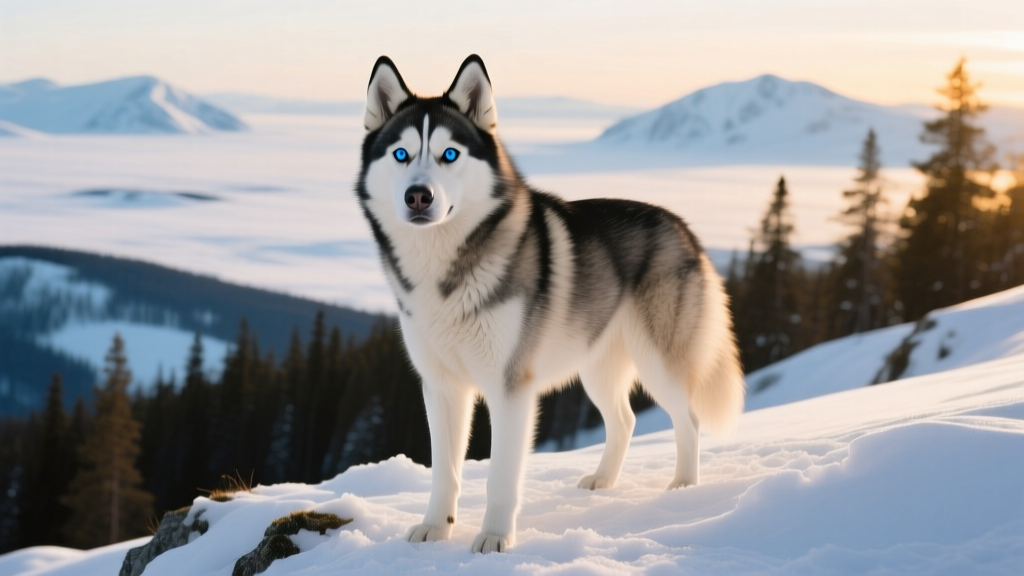
- Siberian Husky: High endurance but low biddability (independent problem-solvers that resist repetitive obedience)
- Great Dane / Mastiff breeds: Intimidating appearance but low stamina, heat intolerance, and short working lifespans (5–7 years)
Frequently Asked Questions
Why is the Belgian Malinois ranked above the German Shepherd for tactical roles?
The Malinois is lighter (typically 20–30 lb less than a GSD), faster in acceleration, and possesses a higher sustained work drive. In tactical scenarios where rapid deployment from vehicles or helicopters is required, the Malinois' agility is a measurable advantage. However, the GSD remains superior for dual-purpose versatility and environmental stability.
Can I train a pet-store puppy to be a police dog?
Realistically, no. Working police dogs are sourced from specialized breeders who select for drive, nerve stability, and health over generations. A pet-line puppy has less than a 5% chance of possessing the required traits. Agencies invest $15,000–$30,000 per dog (purchase + initial training) because the selection process is that critical. If you want a working dog, start with a breeder who performs OFA health testing and temperament evaluations (such as the ZTP or BH tests).
What health tests should a working-line K9 candidate pass?
At minimum: OFA or PennHIP hip certification (excellent or good rating), OFA elbow certification, cardiac evaluation, and a working temperament test (BH, ZTP, or equivalent). For detection dogs, a formal scent discrimination aptitude test is also standard. Consult the Merck Veterinary Manual for breed-specific health screening protocols.
How long does it take to train a K9 police dog from selection to deployment?
Typically 12–20 weeks of formal training after selection, plus 6–12 months of field conditioning with the assigned handler. Ongoing maintenance training is 4–8 hours per week for the dog's entire career. Total investment from puppy selection to deployment-ready: 18–24 months.
Are female dogs used in police work?
Yes. Females are deployed in detection, tracking, and some patrol roles. They tend to be slightly smaller and may have lower physical power for apprehension, but their scent discrimination and agility are equal to males. Intact females require management during estrus cycles (typically twice yearly, lasting 2–3 weeks), which can disrupt training schedules.
Beth Carrasco
All our authors care for dogs every day — read more of their work on the authors page.