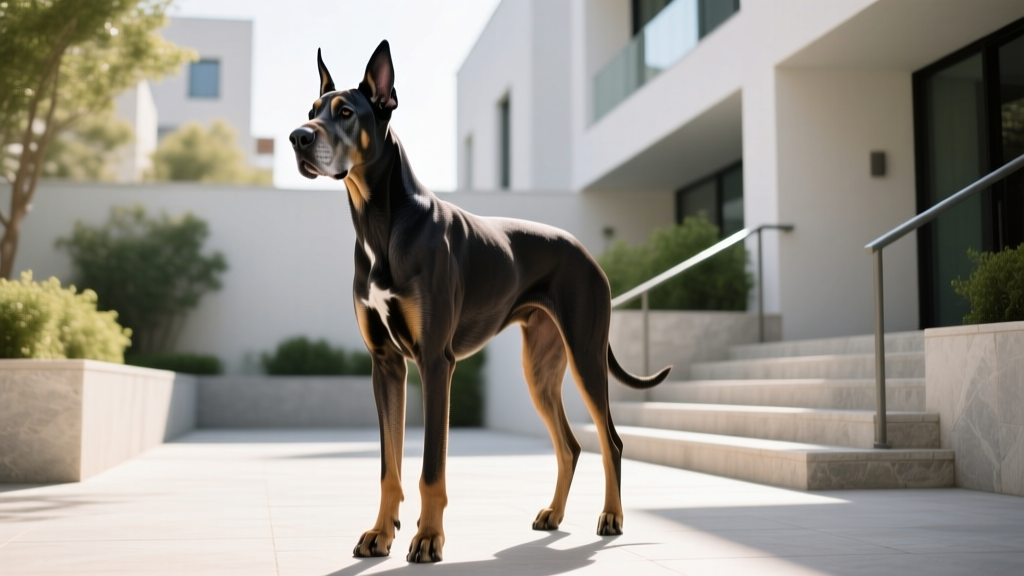
Ibizan Hound Dogs: The Rare Mediterranean Sighthound Guide
Everything about Ibizan Hound dogs — origin, temperament, health risks, exercise needs, and cost. A complete rare breed guide for prospective owners.

The Ibizan Hound: An Ancient Sighthound That Defies Expectations
If you've never seen an Ibizan Hound in person, picture a dog that looks like it walked straight off an Egyptian tomb mural — tall, elegant, with enormous upright ears and a deer-like grace. Known as the Podenco Ibicenco in its native Spain, the Ibizan Hound is one of the oldest sighthound breeds on Earth, yet it remains remarkably rare in the United States. The American Kennel Club ranks it consistently outside the top 150 breeds by registration, meaning most dog owners will never encounter one outside of specialty shows or lure coursing events.
For the right household, Ibizan Hound dogs are extraordinary companions — athletic, gentle, surprisingly funny, and deeply bonded to their people. But they are not a breed for casual ownership. Their prey drive, sensitivity, and exercise demands require an owner who understands sighthound temperament. This guide covers everything you need to know before bringing one home.
This article covers breed history, physical traits, temperament surprises, exercise and grooming needs, health predispositions, breeder guidance, cost expectations, and how the Ibizan Hound compares to similar breeds like the Pharaoh Hound and Whippet.
Origins: From the Balearic Islands to Your Living Room
The Ibizan Hound's story begins in the Balearic Islands off Spain's eastern coast — specifically Ibiza, Formentera, and surrounding islands. Archaeological evidence and artistic depictions suggest dogs nearly identical to the modern Ibizan Hound existed in ancient Egypt over 5,000 years ago. Statues found in the tomb of Antef II (circa 2100 BCE) show pricked-eared hunting dogs that are virtually indistinguishable from today's breed.
- ~3000 BCE: Sighthound-type dogs with large upright ears appear in Egyptian art and tomb carvings along the Nile.
- ~800–600 BCE: Phoenician and Carthaginian traders reportedly bring these hunting dogs to the Balearic Islands during Mediterranean expansion.
- Centuries of isolation: On Ibiza and Formentera, the breed develops independently, selected by rural farmers for rabbit hunting in rugged, rocky terrain.
- Early 1900s: The breed gains formal recognition in Spain as the Podenco Ibicenco, with breed standards established by Spanish cynological societies.
- 1956: The first Ibizan Hounds are imported to the United States by Colonel and Mrs. Consuelo Seoane of Rhode Island.
- 1979: The AKC officially recognizes the Ibizan Hound, placing it in the Hound Group.
The breed's historical purpose was exclusively rabbit hunting. Rural Ibizan farmers used these dogs to hunt rabbits in packs, relying on their acute hearing (those massive ears aren't decorative), keen eyesight, and remarkable vertical jumping ability. Unlike many sighthounds that course prey purely by speed, the Ibizan Hound is a versatile hunter that uses sight, sound, and scent — and can leap several feet straight up from a standstill to clear stone walls and dense brush.
The Fédération Cynologique Internationale (FCI) recognizes the breed under standard #89, and the United Kennel Club (UKC) also maintains a breed registry. Despite this formal recognition across three major registries, the breed remains numerically rare. In 2025, AKC registrations placed the Ibizan Hound around 155th out of roughly 200 recognized breeds — a position it has held for years.
Physical Traits: What Sets Ibizan Hound Dogs Apart
The Ibizan Hound's silhouette is unmistakable. This is a tall, lean, leggy dog built for endurance and agility over rough ground rather than raw sprinting speed. Here are the precise measurements and traits that define the breed:
| Trait | Specification |
|---|---|
| Weight (Males) | 50–55 lb / 23–25 kg |
| Weight (Females) | 45–50 lb / 20–23 kg |
| Height (Males) | 23.5–27.5 in / 60–70 cm at the withers |
| Height (Females) | 22.5–26 in / 57–66 cm at the withers |
| Lifespan | 11–14 years |
| Coat Types | Smooth (short), Wire (harsh, 1–3 in), or Long (rare, silky, 2+ in) |
| Colors | White, red, or any combination of white and red (tan markings acceptable) |
| Ears | Very large, upright, broad at base, highly mobile — the breed's most distinctive feature |
| Energy Level | High — needs 60–90 minutes of vigorous daily exercise |
| Grooming Needs | Low (smooth coat) to Moderate (wire coat needs hand-stripping 2–3× per year) |
| Family Fit | Good with children if socialized; cat/small-pet households require careful management |
Three physical features make the Ibizan Hound instantly recognizable and differentiate it from look-alike breeds:
- Ears: The Ibizan Hound's ears are proportionally larger than those of the Pharaoh Hound or Basenji. They are broad at the base, stiffly erect, and remarkably mobile — the dog swivels them independently like radar dishes to track sounds. Ear length often reaches 4–5 inches on an adult.
- Nose leather: Unlike the Pharaoh Hound (which has flesh-colored or rose-pigmented nose leather), the Ibizan Hound has fully pigmented dark brown to black nose leather — a key distinguishing feature judges use.
- Vertical leap: The Ibizan Hound can jump 5–6 feet straight up from a standing position. This isn't an exaggeration — it's a documented breed trait developed for clearing the dry-stone walls of Ibiza. You need fencing at least 6 feet tall, and even then, a determined Ibizan may attempt to scale it.
Temperament: The Surprises New Owners Don't Expect
If you assume Ibizan Hound dogs behave like typical hounds — aloof, stubborn, single-minded — you're in for several surprises. This breed consistently catches first-time owners off guard in specific ways:
Surprise #1: They're Velcro dogs at home. Despite their independent hunting heritage, Ibizan Hounds form intensely close bonds with their people. They follow owners room to room, lean against legs, curl up on laps despite their size, and are prone to separation anxiety if left alone for long stretches. Many owners describe them as "shadow dogs."
Surprise #2: They're trainable — but on their terms. Unlike Greyhounds (which tend toward polite indifference during training), Ibizan Hounds are genuinely engaged learners. They excel at lure coursing, agility, and obedience when motivated by positive reinforcement. However, repetitive drills bore them quickly. Keep sessions under 10 minutes, use high-value treats (freeze-dried liver, chicken), and vary the exercises.
Surprise #3: They vocalize in unusual ways. Ibizan Hounds don't typically bark much, but they produce a distinctive "roo-roo" vocalization — somewhere between a howl and a yodel — when excited or greeting their people. Some also "talk" with grumbles and chirps. It's endearing, but apartment neighbors may disagree.
Surprise #4: The prey drive is non-negotiable. This is where new owners get into trouble. An Ibizan Hound that has lived peacefully with a household cat for years may still chase and catch a squirrel, rabbit, or unfamiliar cat that runs. Their instinct to pursue small, fast-moving animals is hardwired, not a training problem you can fully eliminate. Secure fencing and leash discipline are mandatory, not optional.
Care Requirements: Exercise, Grooming, and Daily Life
Ibizan Hound dogs have specific care needs that differ from both typical hounds and other sighthounds. Here's what daily and weekly care looks like:
- Exercise (daily): Minimum 60–90 minutes including at least one off-leash sprint session in a securely fenced area (minimum 6-foot fencing). Lure coursing, canicross, or long-line running in open fields are ideal outlets.
- Mental stimulation (daily): Puzzle feeders, scent work games, or short training sessions. Ibizans are intelligent and develop destructive habits (chewing, digging) if under-stimulated.
- Leash walks (daily): Use a martingale collar or well-fitted harness — their narrow heads slip out of standard flat collars easily. A 15–20 foot long line works well for semi-off-leash exploration.
- Coat brushing (weekly): Smooth-coated Ibizans need a rubber grooming mitt once weekly. Wire-coated dogs need brushing 2–3× per week and professional hand-stripping every 3–4 months (budget $60–$100 per session).
- Ear checks (weekly): Those large upright ears collect dust and debris. Wipe the inner ear weekly with a vet-recommended ear cleaner (e.g., Epi-Otic Advanced or Virbac). Watch for redness, odor, or head-shaking.
- Nail trims (every 2–3 weeks): Active Ibizans may wear nails down naturally, but check regularly. Overgrown nails affect their distinctive high-stepping gait and can cause joint stress.
- Dental care (daily ideal, 3× weekly minimum): Brush with enzymatic dog toothpaste. Ibizans can be prone to dental tartar accumulation.
- Cold weather protection: Ibizan Hounds have very low body fat and thin coats. Below 50°F (10°C), provide a fitted fleece or insulated coat for outdoor time. Below freezing, limit outdoor exposure to bathroom breaks only.
Feeding specifics: Adult Ibizan Hounds typically eat 2.5–3.5 cups of high-quality dry food daily, split into two meals. Look for an AAFCO statement confirming "complete and balanced" nutrition for adult maintenance, with a named animal protein (chicken, lamb, fish) as the first ingredient and minimum 22% crude protein. Because of their deep chests, feed from a raised bowl and avoid vigorous exercise for 60 minutes after meals to reduce bloat (GDV) risk.
Health Concerns: What Ibizan Hound Owners Should Monitor
The Ibizan Hound is generally a robust breed, benefiting from centuries of natural selection on the Balearic Islands and a relatively small gene pool managed by careful breeders. However, several conditions appear with notable frequency. Always consult your veterinarian for diagnosis and treatment — the information below is educational, not a substitute for professional care.
| Condition | Prevalence/Notes | Screening/Prevention |
|---|---|---|
| Autoimmune thyroiditis | Reported in breed health surveys; may manifest as hypothyroidism in middle age (5–8 years) | Annual thyroid panel (T4, free T4, TSH) starting at age 3; OFA thyroid registry |
| Seizures (idiopathic epilepsy) | Occasional reports within the breed; onset typically 6 months to 3 years | Avoid breeders whose lines have known seizure history; neurological workup if episodes occur |
| Deafness (unilateral or bilateral) | Higher prevalence in predominantly white-coated individuals; linked to piebald gene | BAER testing for all puppies before placement; ask breeder for certificates |
| Axonal dystrophy | Rare but breed-specific neurological disorder; progressive hind-limb incoordination | No available genetic test; responsible breeders avoid affected lines |
| Hip dysplasia | Low prevalence compared to larger breeds (OFA data shows <5% affected), but present | OFA or PennHIP evaluation of breeding stock; maintain lean body condition |
| Retinal dysplasia | Occasional; may cause vision impairment in severe cases | Annual CERF/OFA eye exams by a veterinary ophthalmologist |
Seek emergency veterinary care if your Ibizan Hound shows any of the following:
- Unproductive retching, a distended abdomen, or restlessness after eating (possible GDV/bloat — a life-threatening emergency)
- Sudden collapse, inability to stand, or hind-limb dragging
- Seizure lasting more than 3 minutes, or multiple seizures in 24 hours
- Difficulty breathing, pale or blue gums
- Signs of severe pain: trembling, refusing to move, vocalizing when touched
Responsible Ibizan Hound breeders should provide health clearances for both parents: OFA thyroid, OFA hip evaluation, BAER hearing test, and a current CERF eye exam. Ask to see certificates — not just verbal assurances. The Orthopedic Foundation for Animals maintains a publicly searchable database where you can verify these results.
How Rare Are Ibizan Hound Dogs — And Where to Find One
The Ibizan Hound is genuinely uncommon. The AKC records approximately 200–400 new registrations per year, and the total U.S. population is estimated at only a few thousand dogs. This means finding a puppy requires patience — expect waitlists of 6–18 months from reputable breeders.
Typical cost breakdown:
| Expense | Estimated Cost |
|---|---|
| Puppy from a health-tested breeder | $1,800 – $3,000 |
| Rescue/adoption (if available — rare) | $300 – $600 |
| Initial vet visits (vaccines, spay/neuter, microchip) | $600 – $1,200 |
| Supplies (crate, martingale collar, harness, fencing upgrades) | $400 – $900 |
| First-year food | $500 – $800 |
| Estimated first-year total | $3,600 – $6,700 |
Where to find a breeder: Start with the AKC Ibizan Hound breeder referral page and the Ibizan Hound Club of the United States (IHCUS). Reputable breeders will: welcome home visits, provide OFA/BAER/CERF health certificates for both parents, require a spay/neuter contract for pet-quality puppies, include a take-back clause (requiring the dog be returned to them if you can no longer keep it at any point in its life), and ask you as many questions as you ask them.
Red flags to avoid: Breeders who have multiple litters available simultaneously, cannot produce health testing documentation, sell puppies before 10–12 weeks of age, offer to ship a puppy without a phone conversation, or advertise "rare colors" (the only accepted colors are white and red — anything else suggests crossbreeding).
Rescue option: Check the IHCUS rescue network and sighthound-specific rescues (such as Greyhound adoption groups that occasionally take in other sighthounds). Ibizan Hounds appear in rescue infrequently, but it does happen — usually when an owner's circumstances change.
Ibizan Hound vs. Similar Breeds: How Do They Compare?
If you're drawn to the Ibizan Hound's look but aren't sure it's the right fit, here's how it stacks up against two commonly compared breeds:
| Trait | Ibizan Hound | Pharaoh Hound | Whippet |
|---|---|---|---|
| Size | 45–55 lb / 22.5–27.5 in | 45–55 lb / 21–25 in | 25–40 lb / 18–22 in |
| Ears | Very large, upright, broad | Large, upright, finer | Rose ears (fold back) |
| Nose pigment | Dark brown/black | Flesh-colored/rose | Dark/black |
| Colors | White and red | Tan/chestnut (no white preferred) | Any color or pattern |
| Exercise needs | 60–90 min/day | 60–90 min/day | 40–60 min/day |
| Apartment suitability | Poor (size + vocalization) | Poor (similar reasons) | Moderate (smaller, quieter) |
| First-time owner fit | Challenging — sighthound experience helps | Challenging — similar difficulty | More manageable — often recommended for novice sighthound owners |
| Blush response | Not present | Yes — ears and nose turn deep rose when excited | Not present |
| Jumping ability | Exceptional (5–6 ft vertical) | High but less documented | Moderate (4 ft fence usually sufficient) |
| AKC popularity rank | ~155th | ~168th | ~60th |
| Typical puppy price | $1,800–$3,000 | $1,500–$2,500 | $1,000–$2,500 |
The key takeaway: if you want a slightly smaller, more widely available sighthound that's gentler on first-time owners, the Whippet is often the better starting point. If you're committed to the tall, pricked-ear Mediterranean type and have sighthound experience (or are willing to learn), the Ibizan Hound rewards the investment with a uniquely engaging personality.
Real Owner Insights: Living With an Ibizan Hound
Based on consistent feedback from Ibizan Hound owners and breed community discussions, here's what daily life actually looks like:
Energy management: Ibizans have an "on/off switch" personality. Outdoors, they are explosive athletes — sprinting, leaping, and coursing with visible joy. Indoors, they are notorious couch potatoes who drape themselves over furniture and sleep for hours. This dichotomy means they can adapt to various living situations if their exercise needs are met. A securely fenced yard is strongly preferred but not strictly required if you commit to daily long-line running sessions and regular visits to enclosed dog parks or lure coursing fields.
Trainability quirks: Ibizan Hounds respond beautifully to lure-based training and movement-oriented activities (agility, lure coursing, fast CAT). They tend to check out during repetitive obedience drills. The most successful Ibizan owners use short, game-based training sessions and always end on a positive note. Force-free, positive reinforcement methods are essential — this breed is highly sensitive and shuts down completely under harsh corrections or aversive tools like prong or shock collars.
Social dynamics: Ibizan Hounds generally get along well with other dogs and are often happiest in pairs. They are typically gentle and playful with respectful children, though their size and exuberance can knock over toddlers. They are aloof with strangers but rarely aggressive — expect polite distance rather than enthusiastic greeting of visitors.
Grooming reality: Smooth-coated Ibizans are among the easiest dogs to groom. A quick wipe with a damp cloth and weekly rubber-mitt brushing keeps them clean. They shed minimally and lack the typical "dog odor." Wire-coated Ibizans require more commitment — hand-stripping (pulling dead hair by hand or with a stripping knife) preserves the coat texture, and clipping the wire coat ruins its weather-resistant properties.
Is this breed right for a first-time owner? Honestly, the Ibizan Hound is a challenging choice for someone with no prior dog experience. The combination of high prey drive, escape-artist fencing requirements, sensitivity to training methods, and exercise demands makes them better suited to owners who have managed sighthounds or similarly driven breeds before. That said, a committed first-time owner who invests in professional positive-reinforcement training, joins the breed community for mentorship, and has access to secure running space can absolutely succeed.
Frequently Asked Questions
Where did the Ibizan Hound originate and what was it bred for?
The breed originated on the Balearic Islands of Spain — primarily Ibiza and Formentera. It was bred by rural farmers for hunting rabbits in packs across rugged, rocky terrain. The dogs used sight, sound, and scent to locate and pursue prey, and their extraordinary vertical jumping ability allowed them to clear the islands' characteristic dry-stone walls.
How rare is the Ibizan Hound today?
Very rare. The AKC records only a few hundred new registrations annually, and the breed consistently ranks around 155th out of roughly 200 recognized breeds. Finding a puppy from a reputable breeder typically involves a waitlist of 6–18 months. The total U.S. population is estimated at only a few thousand dogs.
What makes the Ibizan Hound different from the Pharaoh Hound?
The most reliable visual differences are: the Ibizan Hound has dark-pigmented nose leather (brown/black) versus the Pharaoh Hound's flesh-colored nose; the Ibizan is typically taller and leggier; Ibizan coats are white-and-red versus the Pharaoh Hound's solid tan/chestnut; and the Pharaoh Hound has a unique "blushing" response where its ears and nose turn deep rose when excited — a trait absent in the Ibizan.
Can Ibizan Hound dogs live with cats?
Some Ibizan Hounds can coexist with household cats if raised together from puppyhood and carefully managed. However, this is never guaranteed. Their prey drive is instinctive, and even a well-socialized Ibizan may chase an unfamiliar cat or a household cat that suddenly runs. Many breeders will not place puppies in homes with cats. If you have cats, discuss this honestly with any breeder you contact.
How much does an Ibizan Hound typically cost?
Expect to pay $1,800–$3,000 for a puppy from a health-tested, reputable breeder. First-year total costs (including veterinary care, supplies, food, and fencing upgrades) typically range from $3,600–$6,700. Adoption through a breed rescue, when available, costs $300–$600 but opportunities are infrequent.
Do Ibizan Hounds make good apartment dogs?
Generally no. Their size (up to 55 lb and 27.5 inches tall), exercise requirements, vocalizations (the distinctive "roo-roo" sound), and need for secure outdoor running space make them poorly suited to apartment living. A house with a securely fenced yard (minimum 6 feet high) is strongly preferred.
For personalized health guidance, always consult your veterinarian. If you suspect your dog has ingested a toxic substance, contact the ASPCA Animal Poison Control Center at (888) 426-4435 (24/7, consultation fee applies).
Tom Renshaw
All our authors care for dogs every day — read more of their work on the authors page.