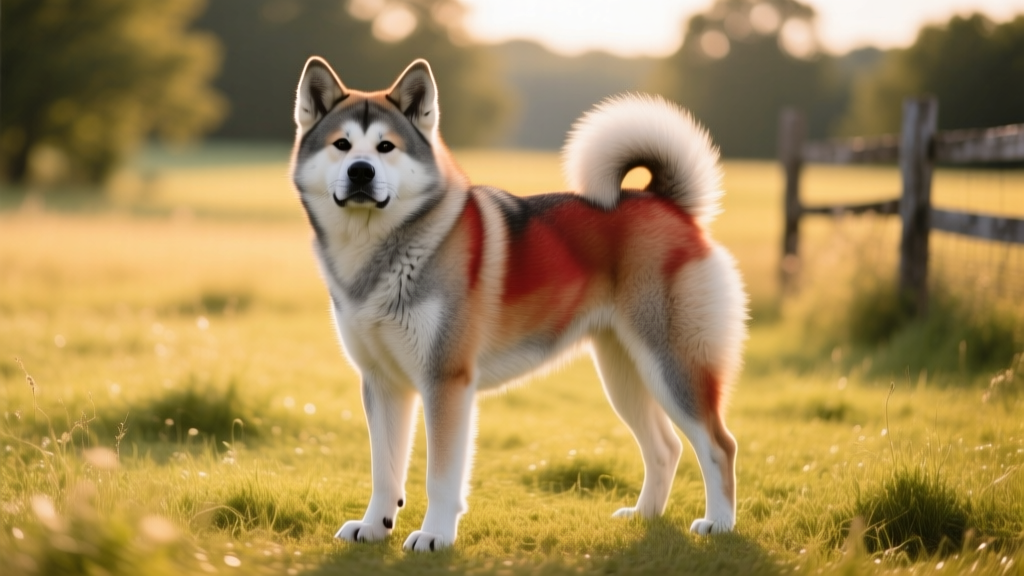
Husky and Pitbull Breed Mix: The Pitsky Profile & Care Guide
Explore the husky and pitbull breed mix — the Pitsky.

Overview: What Is the Husky and Pitbull Breed Mix?
The Pitsky is a designer cross between a Siberian Husky and an American Pit Bull Terrier (APBT), combining two athletic, high-energy working breeds into one striking companion. This husky and pitbull breed mix first gained popularity in the United States during the early 2000s, as the designer-dog movement expanded beyond small companion crosses like the Labradoodle into medium-to-large working-type hybrids.
As a first-generation (F1) cross, the Pitsky inherits traits from both parent breeds unpredictably. Some puppies lean heavily toward the Husky side — blue eyes, vocal tendencies, and a thick double coat — while others favor the Pit Bull parent with a short, sleek coat, broad chest, and stockier build. Multi-generation (F2, F1B) Pitskies are less common but do exist, producing somewhat more predictable offspring.
Neither the American Kennel Club (AKC) nor the United Kennel Club (UKC) recognizes the Pitsky as a standardized breed. However, both parent breeds are well-documented: the Siberian Husky (AKC-recognized since 1930) and the American Pit Bull Terrier (UKC-recognized since 1898). The Pitsky is registered through hybrid organizations such as the American Canine Hybrid Club (ACHC) and the Designer Breed Registry (DBR).
| Attribute | Details |
|---|---|
| Weight Range | 30–70 lb / 14–32 kg |
| Height Range | 16–24 inches / 41–61 cm at the shoulder |
| Lifespan | 12–15 years |
| Size Class | Medium to Large |
| Coat Type | Short-to-medium double coat or short single coat (varies by parent influence) |
| Energy Level | High — requires 60–90+ minutes of vigorous daily activity |
| Grooming | Moderate to high (brushing 3–5x/week for double-coated individuals) |
| Family Fit | Best for active families with dog experience; moderate-to-good with children and other pets when socialized early |
| Trainability | Moderate — intelligent but independent; requires patience and positive reinforcement |
Physical Characteristics: Size, Build, and Coat
The Pitsky's appearance is one of the most variable in the designer-dog world, and this unpredictability is part of the breed's appeal — and its challenge for prospective owners.
Weight and Height
Adult Pitskies typically fall into two size tiers based on which parent they favor:
- Husky-dominant build: 35–50 lb (16–23 kg), 18–22 inches (46–56 cm) — leaner, more elongated frame with a deeper chest cavity.
- Pit Bull-dominant build: 45–70 lb (20–32 kg), 17–24 inches (43–61 cm) — broader shoulders, denser bone structure, more muscular appearance.
Females tend toward the lower end of these ranges; males cluster at the upper end. There is no recognized "miniature" Pitsky — any breeder advertising teacup or mini versions is likely crossing with unrelated small breeds, which introduces unpredictable health risks.
Coat and Color
Coat type depends entirely on genetic inheritance:
- Double coat (Husky-dominant): Dense undercoat with longer guard hairs. Common colors include black-and-white, gray-and-white, red-and-white, and agouti. These dogs shed heavily, especially during biannual coat blows in spring and fall.
- Short coat (Pit Bull-dominant): Single-layer, sleek, low-shed coat. Colors range widely — brindle, fawn, blue (gray), red, black, white, and patched combinations.
Eye color is equally variable. Husky-dominant Pitskies may have striking blue eyes, heterochromia (one blue, one brown), or parti-colored eyes. Pit Bull-dominant individuals typically have brown or hazel eyes.
Ears and Tail
Ears may be erect (Husky-style), semi-erect, or rose-shaped (Pit Bull-style). Tails range from the Husky's characteristic sickle curl to the Pit Bull's straight, tapering whip tail. Some Pitskies have a tail that curls slightly at the tip — a blend of both parents.
Temperament and Personality: 5 Core Traits
The Pitsky inherits a complex blend of working-dog drive, social bonding, and independent thinking. Here are the five core behavioral traits prospective owners should understand:
1. High-Energy Athleticism
Both parent breeds were developed for physically demanding work — Huskies for pulling sleds across Arctic terrain, Pit Bulls for farm work and bull-baiting historically. The result is a dog that doesn't just want exercise but requires it. A Pitsky that doesn't get sufficient physical and mental outlet will channel that energy into destructive chewing, digging, escape attempts, or excessive vocalization.
2. Deep Social Bonding
Pitskies tend to form intense attachments to their primary caregivers. Pit Bulls are famously called "velcro dogs" for their tendency to follow owners room-to-room, and Huskies are pack-oriented to the core. Expect a Pitsky that wants to be near you at all times — on the couch, at your feet while you cook, pressed against your leg while you sleep. This bonding intensity means they are prone to separation anxiety if left alone for extended periods (6+ hours regularly).
3. Vocal Communication
Huskies are among the most vocal dog breeds — they howl, "talk," whine, and grunt rather than bark in a traditional sense. Pit Bulls tend to be quieter but will vocalize when excited. Many Pitskies inherit the Husky's dramatic vocal range. If you live in an apartment with thin walls or close neighbors, this is a significant consideration.
4. Stubborn Independence
Huskies rank 45th out of 138 breeds in working/obedience intelligence according to canine psychologist Stanley Coren's classification — not because they lack intelligence, but because they were bred to make independent decisions while pulling sleds. This independent streak frequently shows up in Pitskies. They may understand a command perfectly but choose not to comply if something more interesting catches their attention.
5. Playfulness and Prey Drive
Both parent breeds have notable prey drive. Huskies were bred to chase small game in the Arctic, and Pit Bulls have terrier ancestry that includes vermin-hunting instincts. Pitskies often retain strong chase impulses toward squirrels, cats, rabbits, and small dogs. Early socialization can mitigate but rarely eliminates this instinct entirely.
Strengths
- Extremely loyal and affectionate with family members
- Athletic and versatile — excels at hiking, running, agility, weight-pulling, and canine sports
- Striking, unique appearance with wide color and pattern variety
- Generally good with children when properly socialized
- Intelligent and capable of learning complex commands and tricks
- Benefits from hybrid vigor, potentially reducing inherited disease risk compared to purebreds
Challenges
- Very high exercise requirement — not suitable for sedentary lifestyles
- Prone to separation anxiety if left alone frequently
- Heavy shedding if double-coated (Husky-dominant)
- Strong prey drive — may not coexist safely with cats or small animals
- Stubborn streak makes training slower than with biddable breeds like Labs or Golden Retrievers
- Potential breed-specific legislation (BSL) concerns due to Pit Bull heritage — check local laws
- Escape artist tendencies — requires secure, tall fencing (6 ft minimum recommended)
Exercise and Activity Needs
The Pitsky is not a dog you can satisfy with a 15-minute walk around the block. Both parent breeds are working dogs with extraordinary stamina, and this cross demands serious daily physical and mental engagement.
| Activity Type | Duration | Frequency | Notes |
|---|---|---|---|
| Brisk walking or jogging | 30–45 minutes | Daily | Use a front-clip harness to manage pulling; both breeds are strong pullers |
| Off-leash running (secure area) | 20–30 minutes | Daily if possible | Only in fully fenced areas — recall is unreliable in high-distraction environments |
| Fetch, flirt pole, or tug | 15–20 minutes | Daily | Excellent for burning energy in smaller yards; flirt poles satisfy prey drive safely |
| Mental enrichment (puzzle toys, scent work) | 15–20 minutes | Daily | Kong toys stuffed with frozen treats, snuffle mats, or hide-and-seek games |
| Canine sports (agility, canicross, weight-pulling) | 30–60 minutes | 2–3x/week | Ideal for channeling working-dog instincts; builds confidence and strengthens bond |
| Swimming | 15–30 minutes | Seasonal | Not all Pitskies enjoy water; introduce gradually with a canine life jacket |
Total daily minimum: 60–90 minutes of combined physical and mental activity. Many Pitskies thrive with 2+ hours, especially younger dogs (ages 1–4). Insufficient exercise is the single most common reason Pitskies are surrendered to rescues.
Heat caution: If your Pitsky inherits the Husky's double coat, exercise during hot weather (above 80°F / 27°C) must be limited to early morning or evening. Pit Bull-dominant individuals with short coats tolerate heat better but are still susceptible to overheating during intense activity. Always provide shade and fresh water.
Training and Intelligence
Pitskies are intelligent dogs — they learn quickly but don't always obey quickly. This distinction is critical for first-time owners to understand. Trainability rating: Moderate (3 out of 5).
Recommended Training Methods
Positive reinforcement is the only approach that works reliably with this cross. Force-free methods — treats, praise, play rewards, and clicker training — align with how both parent breeds learn best. Aversive tools like shock collars, prong collars, or alpha rolls will damage trust, increase anxiety, and potentially trigger fear-based aggression.
- Start early: Begin socialization and basic obedience by 8–10 weeks of age. The critical socialization window closes around 14–16 weeks (AVMA guidelines).
- Keep sessions short: 5–10 minutes, 2–3 times daily. Pitskies lose focus in longer sessions.
- Use high-value rewards: Freeze-dried liver, small cheese pieces, or a favorite tug toy. Low-value kibble often isn't motivating enough for a distracted Pitsky.
- Prioritize recall and loose-leash walking: These are the two most important — and most challenging — skills for this breed mix. Practice recall in progressively more distracting environments over months, not weeks.
- Crate train from day one: Given the separation anxiety risk, a crate provides a safe den space and prevents destructive behavior when unsupervised. Use gradual acclimation — never as punishment.
Socialization Priorities
Given the Pit Bull parent's potential dog-selectiveness and the Husky's prey drive, structured socialization is non-negotiable:
- Expose to diverse people, environments, surfaces, and sounds before 16 weeks
- Arrange controlled playdates with vaccinated, temperament-stable dogs
- Introduce cats and small animals only under close supervision — some Pitskies will never be safe around small pets regardless of socialization
- Enroll in a puppy kindergarten class led by a certified positive-reinforcement trainer
Common Health Issues
As a crossbreed, Pitskies may benefit from hybrid vigor — the genetic diversity that can reduce the expression of recessive inherited diseases. However, they remain susceptible to conditions common in both parent breeds. Always consult your veterinarian for breed-appropriate health screening and preventive care.
| Condition | Description | Estimated Prevalence | Screening/Prevention |
|---|---|---|---|
| Hip Dysplasia | Malformation of the hip joint causing pain, lameness, and eventual arthritis | 15–25% (based on parent breed OFA data) | OFA or PennHIP screening of parents; maintain lean body condition; avoid excessive jumping before 18 months |
| Hypothyroidism | Underactive thyroid gland causing weight gain, lethargy, skin/h coat issues | 5–10% (common in both Huskies and Pit Bulls) | Annual thyroid panel starting at age 4–5; manageable with daily levothyroxine |
| Allergies (Environmental & Food) | Atopic dermatitis, itchy skin, ear infections, paw licking | 20–30% (Pit Bulls are among the most allergy-prone breeds) | Identify triggers via elimination diet or allergy testing; omega-3 supplementation; Apoquel or Cytopoint as prescribed |
| Cataracts & Progressive Retinal Atrophy (PRA) | Clouding of the lens or degeneration of the retina, leading to vision loss | 5–8% (hereditary cataracts are documented in both parent breeds) | Annual CERF/OFA ophthalmologist exam; parent screening reduces risk |
| Patellar Luxation | Kneecap slipping out of position, causing intermittent lameness | 5–10% (more common in smaller/medium individuals) | Veterinary orthopedic exam; surgical correction in severe cases (grades III–IV) |
Additional considerations:
- Gastric Dilatation-Volvulus (GDV/Bloat): While less common in medium-sized dogs than in giant breeds, deep-chested Pitskies (especially Husky-dominant builds) carry some risk. Feed 2–3 smaller meals daily rather than one large meal, and avoid vigorous exercise within 1 hour of eating.
- Dental Disease: Both parent breeds are prone to periodontal disease. Daily tooth brushing with enzymatic dog toothpaste and annual professional cleanings are recommended.
- Heart Conditions: Dilated cardiomyopathy (DCM) has been linked to certain grain-free diets. The FDA continues to investigate this association. Discuss diet choices with your veterinarian.
Emergency Red Flags — Seek Immediate Veterinary Care:
- Distended, hard abdomen with unproductive retching (possible GDV/bloat)
- Sudden hind-limb weakness or dragging (possible spinal issue)
- Difficulty breathing, blue-tinged gums, or collapse
- Seizures or loss of consciousness
- Signs of severe allergic reaction: facial swelling, hives, vomiting after exposure to a new substance
Grooming Requirements
Grooming needs vary dramatically based on which parent's coat your Pitsky inherits:
Double-Coated (Husky-Dominant) Pitskies
- Brushing: 3–5 times per week using an undercoat rake and slicker brush. During seasonal coat blows (spring and fall), daily brushing is necessary to manage the massive shedding.
- Bathing: Every 6–8 weeks or as needed. Over-bathing strips natural oils from the double coat.
- Tools needed: Undercoat rake (e.g., Furminator deShedding Tool — large size), slicker brush, wide-tooth comb for tangles behind ears.
- Never shave: Shaving a double-coated dog destroys the coat's insulating properties and can lead to permanent coat damage (post-clipping alopecia).
Short-Coated (Pit Bull-Dominant) Pitskies
- Brushing: 1–2 times per week with a rubber curry brush or bristle brush to remove loose hair and distribute skin oils.
- Bathing: Every 4–6 weeks. Short-coated dogs may need more frequent baths if they have allergy-related skin issues.
- Tools needed: Rubber curry brush (e.g., Kong ZoomGroom), soft bristle brush, deshedding glove.
Universal Grooming Tasks (All Pitskies)
- Nail trimming: Every 2–4 weeks. Overgrown nails alter gait and contribute to joint stress.
- Ear cleaning: Weekly inspection; clean with a veterinarian-approved ear cleanser if debris is visible. Erect-eared Pitskies tend to have fewer ear infections than floppy-eared breeds, but allergies can change this.
- Teeth brushing: Daily with dog-specific enzymatic toothpaste. Aim for at minimum 3–4 times per week.
Family Suitability: Kids, Pets, and Living Spaces
With Children
Pitskies are generally excellent with children when raised together and properly socialized. Both parent breeds have reputations for gentleness with kids — Pit Bulls historically earned the nickname "nanny dogs" for their protective patience, and Huskies are known for their playful, tolerant nature. That said:
- Never leave any dog unsupervised with children under 10 years old
- Teach children to respect the dog's crate, meal times, and sleep space
- Pitskies' high energy and size can accidentally knock over toddlers during play — manage interactions accordingly
With Other Pets
This is the most variable aspect of Pitsky temperament:
- Other dogs: Many Pitskies do well with other dogs, especially if raised together. However, same-sex aggression can occur (inherited from both parent breeds). Dog-to-dog introductions should be gradual and controlled.
- Cats: Possible but not guaranteed. Early kitten exposure increases success rates. Adult Pitskies with established prey drive may never be trustworthy around cats.
- Small animals (rabbits, guinea pigs, hamsters): Generally not recommended. The combined prey drive of both parent breeds makes cohabitation risky.
Apartment Living
Pitskies can live in apartments if their exercise needs are met — but they are far from ideal apartment dogs. Considerations:
- Vocalization (Husky heritage) may disturb neighbors
- Minimum 60–90 minutes of outdoor activity daily is non-negotiable
- Access to a nearby dog park or running trail is highly recommended
- Some apartment complexes have breed restrictions that may affect Pit Bull-type dogs — verify before signing a lease
A house with a securely fenced yard (6-foot fence minimum, with no gaps — both breeds are skilled escape artists) is the ideal living situation.
Cost of Ownership
Budgeting realistically for a Pitsky prevents surrender and ensures you can provide quality care throughout their 12–15 year lifespan.
Puppy Purchase Price
- From a responsible breeder: $500–$2,000, depending on location, parent health testing, and breeder reputation. Reputable breeders will provide OFA/PennHIP hip certifications, CERF eye clearances, and a health guarantee.
- From a rescue or shelter: $50–$400 adoption fee. Pit Bull and Husky mixes are among the most common breeds in U.S. shelters, so adoption is a viable and often rewarding option.
Annual Care Cost Breakdown
| Expense Category | Low Estimate | High Estimate |
|---|---|---|
| High-quality food (AAFCO complete & balanced, 22%+ protein) | $480/year | $900/year |
| Routine veterinary care (exams, vaccines, heartworm/flea prevention) | $400/year | $800/year |
| Pet insurance (accident + illness plan) | $480/year | $960/year |
| Grooming supplies or professional grooming | $100/year | $400/year |
| Toys, enrichment, and gear replacement | $150/year | $400/year |
| Training classes or behavioral consultation | $100/year | $600/year |
| Total Annual Range | $1,710 | $4,060 |
First-year total (including puppy purchase): $2,210–$6,060. Emergency veterinary care is not included in these estimates — a single GDV surgery can cost $3,000–$7,000, which is why pet insurance or a dedicated emergency fund is strongly recommended.
Important Note on Breed-Specific Legislation
Because the Pitsky has American Pit Bull Terrier heritage, some municipalities, housing authorities, and insurance companies may classify them under breed-specific legislation (BSL) or breed restrictions. Laws vary significantly by city, county, and state. Before bringing a Pitsky home, research your local regulations, check with your homeowner's or renter's insurance provider, and verify any HOA or lease restrictions.
Frequently Asked Questions
Is the husky and pitbull breed mix right for first-time owners?
Generally, no. The Pitsky's combination of high energy, stubborn independence, strong prey drive, and potential dog-selectiveness makes this cross better suited for owners with prior dog-handling experience. First-time owners who are committed to investing in professional training classes, daily structured exercise, and thorough socialization can succeed — but the learning curve is steeper than with more forgiving breeds like Labrador Retrievers or Cavalier King Charles Spaniels.
How much exercise does a Pitsky need daily?
At minimum, 60–90 minutes of combined physical exercise and mental enrichment per day. Many Pitskies, especially those aged 1–4 years, thrive with 2 or more hours. Activities should include brisk walking or jogging, off-leash running in secure areas, interactive play (fetch, flirt pole, tug), and mental challenges like puzzle feeders or scent work.
What health problems is the Pitsky prone to?
The most common breed-relevant conditions include hip dysplasia (15–25% estimated prevalence based on parent breed data), allergies and atopic dermatitis (20–30%), hypothyroidism (5–10%), cataracts and progressive retinal atrophy (5–8%), and patellar luxation (5–10%). Responsible breeders screen parent dogs for hips, eyes, and thyroid to reduce inherited disease risk.
How big does a Pitsky get?
Adult Pitskies typically weigh 30–70 lb (14–32 kg) and stand 16–24 inches (41–61 cm) at the shoulder. Size depends heavily on which parent breed the individual favors. There is no standard size, as this is a designer cross rather than a recognized breed.
Is the Pitsky good with children and other pets?
With children: generally yes, when socialized early and supervised. Pitskies are typically affectionate and playful with kids. With other dogs: variable — many coexist well, but same-sex aggression is possible. With cats and small animals: risky due to inherited prey drive from both parent breeds. Early socialization improves odds but doesn't guarantee compatibility.
How much does a Pitsky cost to buy and maintain?
Puppy prices range from $500–$2,000 from a responsible breeder, or $50–$400 through rescue adoption. Annual care costs range from approximately $1,710–$4,060 per year, including food, veterinary care, insurance, grooming, toys, and training. First-year costs (including puppy purchase) typically total $2,210–$6,060.
Robin Maitland
All our authors care for dogs every day — read more of their work on the authors page.