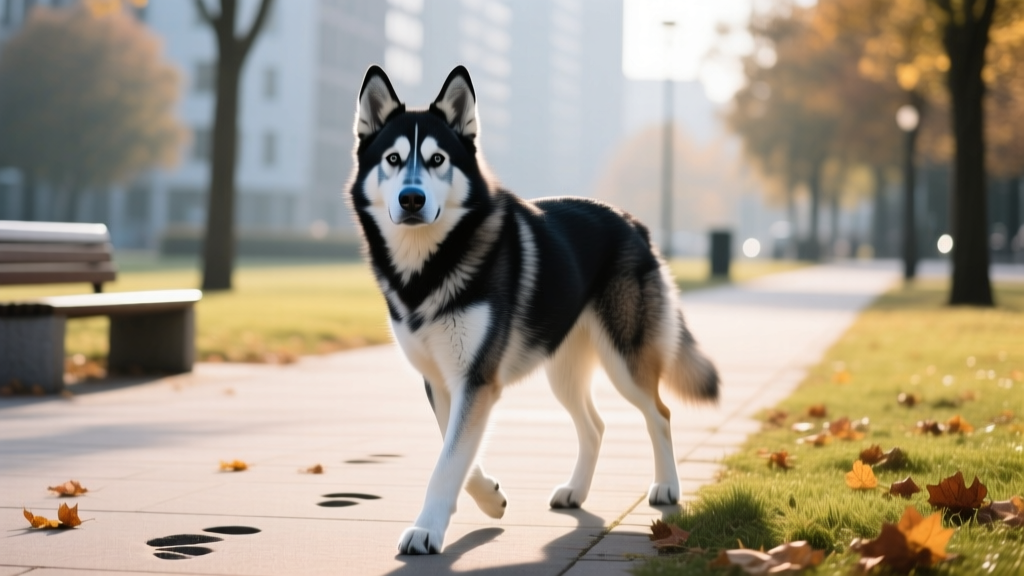
Huge Dog Types: 12 Giant Breeds Compared for Size:
Explore 12 huge dog types ranked by size, temperament, health risks, and cost. Includes a comparison table, decision framework, and expert guidance for

If you've ever stood next to a Great Dane and felt like you were looking up at a small horse, you already understand the appeal of huge dog types. Giant breeds command attention — they're loyal, often surprisingly gentle, and they turn every walk into a conversation starter. But bringing home a dog that can weigh as much as an adult human requires serious preparation, honest budgeting, and a clear understanding of what life with a giant breed actually looks like.
This guide breaks down 12 of the most notable huge dog types, comparing them across the attributes that matter most to real owners: adult size, exercise needs, health risks, grooming demands, and the true cost of ownership. Whether you're researching your first giant breed or expanding a multi-dog household, you'll find the data you need to make a confident decision.
How We Selected These Huge Dog Types: The Criteria
- Minimum adult weight: 80 lb (36 kg) for males — every breed on this list routinely exceeds this threshold.
- AKC or FCI recognition: Only breeds with established breed standards and documented health screening protocols are included.
- Availability: Breeds must be obtainable through responsible breeders or rescue organizations in the United States without import restrictions.
- Owner viability: Each breed has a track record of successful placement in family homes (not exclusively working/guard roles).
Breeds were grouped into two tiers: True Giants (typically 120+ lb / 54+ kg) and Large-Giant Crossover breeds (80–120 lb / 36–54 kg) that frequently produce individuals exceeding 120 lb.
Weight alone doesn't define a giant breed. Height at the withers, bone density, and overall body mass all factor in. The American Kennel Club recognizes several breeds in the "Working" and "Herding" groups that meet the giant classification, and we've supplemented AKC data with breed club health surveys and veterinary literature.
The 12 Best Huge Dog Types: Ranked and Profiled
Breeds are organized into two tiers by size class, then ranked within each tier by overall suitability for the average household — factoring in temperament stability, trainability, health predictability, and cost of care.
Tier 1: True Giants (120+ lb / 54+ kg)
Size Class: True Giant | Male Weight: 140–175 lb (64–79 kg) | Height: 30–32 in (76–81 cm)
Key Trait: The tallest of all huge dog types — a Great Dane on hind legs can reach over 7 feet.
Despite their imposing stature, Great Danes are famously gentle and people-oriented. They're often called "the world's biggest lapdog." Bred originally in Germany to hunt wild boar, today's Dane is a moderate-energy companion that needs 45–60 minutes of daily exercise and thrives on close human contact. Their short coat is low-maintenance, but their size means everything — from food bills to medication doses to crate sizes — costs more.
Why It Made the List: The Great Dane is the benchmark against which all other huge dog types are measured. No other breed combines this extreme height with such a stable, family-friendly temperament.Size Class: True Giant | Male Weight: 140–180 lb (64–82 kg) | Height: 28–30 in (71–76 cm)
Key Trait: Unmatched cold-weather endurance and an instinctive nurturing temperament toward children.
Originating from the Swiss Alps where they were bred by monks for alpine rescue, Saint Bernards carry a deep genetic drive to protect and comfort. They're calm indoors but need space and at least 30–45 minutes of moderate daily activity. Both rough-coated and smooth-coated varieties exist; the rough coat requires brushing 3–4 times weekly. Expect significant drooling — it's a breed hallmark, not a flaw.
Why It Made the List: Saint Bernards consistently score among the highest of all giant breeds for tolerance with children and strangers, making them one of the safest huge dog types for families.Size Class: True Giant | Male Weight: 160–230 lb (73–104 kg) | Height: 30+ in (76+ cm)
Key Trait: The heaviest of all domestic dog breeds — males can exceed 200 lb (91 kg) regularly.
The English Mastiff holds the record for the heaviest dog ever recorded (Zorba, at 343 lb / 156 kg). Modern Mastiffs are docile, couch-loving companions that need surprisingly little exercise — 20–30 minutes of daily walking is often sufficient. They bond deeply with their family but can be aloof with strangers. Early socialization is critical. The short coat sheds moderately year-round, and facial wrinkles require daily wiping to prevent infection.
Why It Made the List: If sheer mass is your priority, no other breed delivers. The English Mastiff is the ultimate example of a huge dog type that's also manageable in a home environment due to its low energy level.Size Class: True Giant | Male Weight: 120–170 lb (54–77 kg) | Height: 28–31.5 in (71–80 cm)
Key Trait: A versatile working giant equally at home hiking trails, swimming, or lounging at your feet.
Bred in 19th-century Germany as a multipurpose farm and family dog, the Leonberger combines the size of a mastiff-type breed with the athleticism of a retriever. They're among the most active giant breeds, needing 60–90 minutes of exercise daily, and they genuinely enjoy swimming — a trait not common in huge dog types. Their thick double coat demands serious grooming (daily brushing during shedding season). Leonbergers are highly attuned to their owners' emotions and do poorly if left alone for long hours.
Why It Made the List: For active owners who want a giant breed that can keep up on hikes and outdoor adventures, the Leonberger stands almost alone in its combination of size and stamina.Size Class: True Giant | Male Weight: 130–150 lb (59–68 kg) | Height: 28 in (71 cm)
Key Trait: Legendary water rescue instinct and one of the softest, most patient temperaments in the canine world.
Newfoundlands were bred to work alongside fishermen in Newfoundland, Canada — hauling nets, rescuing drowning sailors, and pulling carts. That working heritage translates today into a dog that is profoundly gentle, especially with children. They need 30–45 minutes of daily exercise and genuinely love water-based activities. The heavy double coat requires brushing 3–4 times per week and sheds heavily twice a year. Drooling and tracked-in water from their jowls are daily realities.
Why It Made the List: The Newfoundland's temperament stability is exceptional even among well-bred giants. If you want a huge dog type that will coexist peacefully with toddlers, cats, and visiting guests, this breed is a top-tier choice.Size Class: True Giant | Male Weight: 90–150 lb (41–68 kg) | Height: 26+ in (66+ cm)
Key Trait: Fiercely independent guardian with a once-per-year massive coat blow that produces bags of shed fur.
An ancient breed from the Himalayas, the Tibetan Mastiff was traditionally tethered outside homes and monasteries as a nighttime guardian. This heritage means they are independent thinkers, often stubborn, and not ideal for first-time owners. They're intensely loyal to their family but wary of strangers and can be reactive to perceived threats. They need 30–45 minutes of daily exercise and extensive early socialization. Males can develop an extremely heavy mane. The breed blows its entire undercoat once annually — a grooming event that can last weeks.
Why It Made the List: For experienced owners specifically seeking a huge dog type with genuine guardian instincts, the Tibetan Mastiff delivers in a way few other breeds can. However, this breed demands an owner who understands canine body language and is committed to ongoing positive reinforcement training.Tier 2: Large-Giant Crossover Breeds (80–120+ lb / 36–54+ kg)
Size Class: Large-Giant Crossover | Male Weight: 80–115 lb (36–52 kg) | Height: 25–27.5 in (64–70 cm)
Key Trait: Striking tri-color coat and a cheerful, eager-to-please disposition rare in breeds this large.
Originally bred as Swiss farm draft dogs, Bernese Mountain Dogs retain a playful, affectionate nature that makes them one of the most popular huge dog types in the U.S. They need 30–60 minutes of daily exercise and enjoy cold-weather activities. Their long, thick coat requires brushing several times per week. The breed's most significant drawback is its short lifespan — a reality discussed in detail in the health section below.
Why It Made the List: The Berner's combination of moderate size (making them more manageable than a 200-lb Mastiff), trainability, and outgoing temperament makes them the most accessible entry point into giant breed ownership.Size Class: Large-Giant Crossover (by weight) / True Giant (by height) | Male Weight: 120+ lb (54+ kg) | Height: 32+ in (81+ cm)
Key Trait: The tallest sighthound breed — males must stand at least 32 inches at the shoulder per AKC breed standard.
Despite their height, Irish Wolfhounds are surprisingly calm indoors. Bred to hunt wolves and elk in ancient Ireland, today's Wolfhound is a gentle, dignified companion that gets along well with other dogs and people. They need 40–60 minutes of daily exercise including opportunities to run in a secure area. The rough, wiry coat needs weekly brushing and occasional hand-stripping. Their lifespan is unfortunately short, typically 6–8 years.
Why It Made the List: If height matters more to you than bulk, the Irish Wolfhound is the tallest of all huge dog types and carries a regal, quiet dignity that's hard to match.Size Class: Large-Giant Crossover | Male Weight: 150 lb (68 kg) average | Height: 26–31 in (66–79 cm)
Key Trait: The most visually dramatic of all huge dog types — massive loose skin, deep wrinkles, and an unmistakable silhouette.
An Italian breed descended from Roman war dogs, the Neapolitan Mastiff is a serious guardian that requires an experienced, confident owner. They are deeply affectionate with family but reserved and watchful with strangers. Exercise needs are moderate (30 minutes daily), but heat sensitivity is extreme — they must have climate-controlled environments. The extensive facial and body wrinkles require daily cleaning to prevent bacterial and yeast infections. Drooling is constant and copious.
Why It Made the List: The Neapolitan Mastiff is included for experienced owners who understand the demands of a guardian-type giant breed. They are not a casual choice, but for the right handler, they are profoundly rewarding.Size Class: Large-Giant Crossover | Male Weight: 110–150 lb (50–68 kg) | Height: 29+ in (74+ cm)
Key Trait: An independent livestock guardian breed with exceptional endurance and low grooming needs.
Bred for thousands of years in Turkey to guard flocks against wolves and bears, the Anatolian Shepherd is a serious working dog that needs a job. They are not naturally social or outgoing — their default mode is watchful and protective. They require extensive early socialization using positive reinforcement methods and an owner who understands livestock guardian breed psychology. Exercise needs are moderate (45 minutes daily), but they need space and are not suited to apartment living. Note: check your local breed-specific legislation, as some jurisdictions restrict Anatolian Shepherds.
Why It Made the List: For rural property owners seeking a huge dog type that can function as both companion and livestock guardian, the Anatolian Shepherd is purpose-built for the role.Size Class: Large-Giant Crossover | Male Weight: 110+ lb (50+ kg) | Height: 23.5–27 in (60–69 cm)
Key Trait: The most powerfully built mastiff relative to its height — compact, muscular, and immensely strong.
One of the oldest French breeds, the Dogue de Bordeaux was historically used for guarding, hunting, and pulling carts. Modern Dogues are loyal, calm companions that form intense bonds with their primary person. They need 30–45 minutes of daily exercise and are sensitive to heat. The short fawn coat is easy to maintain, but the massive head and facial wrinkles require regular cleaning. They can be dog-selective and may not coexist peacefully with same-sex dogs.
Why It Made the List: The Dogue de Bordeaux offers mastiff-type substance and presence in a slightly more compact package than the English Mastiff, making it manageable for owners with moderately sized homes.Size Class: Large-Giant Crossover | Male Weight: 105–140 lb (48–64 kg) | Height: 25.5–28.5 in (65–72 cm)
Key Trait: A short-coated, lower-grooming alternative to the Bernese Mountain Dog with a slightly longer lifespan.
The Greater Swiss Mountain Dog (or "Swissy") is the largest of the four Swiss Mountain Dog breeds. Like the Berner, they were bred as draft and farm dogs, but the Swissy's short coat means significantly less grooming. They're alert, confident, and more active than many mastiff-type giants, needing 60 minutes of daily exercise. They tend to be more vocal than other huge dog types — expect barking at doorbells, passersby, and unusual sounds.
Why It Made the List: For owners drawn to the Bernese Mountain Dog's temperament but deterred by the grooming demands and extremely short lifespan, the Greater Swiss Mountain Dog is the most practical alternative.Side-by-Side Comparison: All 12 Huge Dog Types
| Breed | Male Weight (lb/kg) | Daily Exercise | Lifespan | Grooming Level | Family Friendly |
|---|---|---|---|---|---|
| Great Dane | 140–175 / 64–79 | 45–60 min | 7–10 yr | Low | ★★★★★ |
| Saint Bernard | 140–180 / 64–82 | 30–45 min | 8–10 yr | Medium–High | ★★★★★ |
| English Mastiff | 160–230 / 73–104 | 20–30 min | 6–10 yr | Low | ★★★★☆ |
| Leonberger | 120–170 / 54–77 | 60–90 min | 7–9 yr | High | ★★★★★ |
| Newfoundland | 130–150 / 59–68 | 30–45 min | 9–10 yr | High | ★★★★★ |
| Tibetan Mastiff | 90–150 / 41–68 | 30–45 min | 10–12 yr | Very High | ★★★☆☆ |
| Bernese Mountain Dog | 80–115 / 36–52 | 30–60 min | 6–8 yr | High | ★★★★★ |
| Irish Wolfhound | 120+ / 54+ | 40–60 min | 6–8 yr | Medium | ★★★★☆ |
| Neapolitan Mastiff | 150 avg / 68 avg | 30 min | 7–9 yr | Low (wrinkle care: High) | ★★★☆☆ |
| Anatolian Shepherd | 110–150 / 50–68 | 45 min | 11–13 yr | Low–Medium | ★★★☆☆ |
| Dogue de Bordeaux | 110+ / 50+ | 30–45 min | 5–8 yr | Low (wrinkle care: Medium) | ★★★★☆ |
| Greater Swiss Mountain Dog | 105–140 / 48–64 | 60 min | 8–11 yr | Low | ★★★★☆ |
Health Realities of Giant Breeds: What Every Owner Must Know
There's no sugarcoating this: huge dog types carry significant health risks, and their lifespans are shorter than smaller breeds. Understanding these risks before you commit is essential. Always consult your veterinarian about breed-specific screening and preventive care.
Dilated Cardiomyopathy (DCM): Great Danes, Irish Wolfhounds, and Newfoundlands have elevated DCM rates. The Merck Veterinary Manual describes DCM as a progressive weakening of the heart muscle that can lead to congestive heart failure. Annual cardiac screening via echocardiogram is recommended for at-risk breeds starting at age 2–3. Cost: $300–$500 per screening.
Hip and Elbow Dysplasia: Nearly every breed on this list has elevated rates of joint dysplasia. The Orthopedic Foundation for Animals (OFA) maintains a public database of screening results — responsible breeders will provide OFA or PennHIP certifications for both parents. Surgical repair (total hip replacement) costs $3,500–$7,000 per hip.
Gastric Dilatation-Volvulus (GDV / Bloat): Deep-chested giant breeds — especially Great Danes, Saint Bernards, and Irish Wolfhounds — face the highest GDV risk of any dogs. GDV is a life-threatening emergency where the stomach fills with gas and twists. A prophylactic gastropexy (surgically attaching the stomach to the abdominal wall) can be performed during spay/neuter for $300–$800 and reduces GDV recurrence risk by over 95%.
Osteosarcoma: Large and giant breeds have significantly higher rates of bone cancer. Irish Wolfhounds, Great Danes, and Bernese Mountain Dogs are particularly affected. Treatment (amputation + chemotherapy) costs $5,000–$10,000, with median survival times of 10–12 months with treatment.
Bernese Mountain Dog Cancer Rates: According to the Bernese Mountain Dog Club of America's health survey, approximately 50% of Berners die from cancer — one of the highest rates of any breed. This is the single most important factor to weigh if you're considering this breed.
Budget for the following annual costs when owning a 120+ lb dog:
- Food: $1,200–$2,400/year (high-quality large-breed formula, 6–10 cups/day)
- Heartworm prevention: $150–$300/year (doses are weight-based; giant breeds require the highest tier)
- Flea/tick prevention: $200–$400/year
- Routine vet care: $600–$1,200/year
- Pet insurance: $600–$1,500/year (breed-specific premiums for giant breeds)
- Emergency fund target: $5,000–$10,000 (GDV surgery alone can cost $3,000–$7,000)
Total estimated first-year cost: $5,000–$12,000 (including puppy purchase, supplies, and initial veterinary care). Annual ongoing cost: $3,000–$6,000.
Decision Framework: Which Huge Dog Type Fits Your Life?
Choosing between giant breeds comes down to matching the dog's needs to your actual daily life — not the lifestyle you wish you had. Use this framework to narrow your top 3 candidates.
- How much daily exercise can you realistically provide?
- → Under 30 minutes: English Mastiff, Neapolitan Mastiff
- → 30–60 minutes: Great Dane, Saint Bernard, Newfoundland, Bernese Mountain Dog, Dogue de Bordeaux
- → 60–90+ minutes: Leonberger, Greater Swiss Mountain Dog, Anatolian Shepherd
- Do you have young children or frequent visitors?
- → Yes: Newfoundland, Bernese Mountain Dog, Saint Bernard, Great Dane (highest family-friendliness ratings)
- → No / adults-only household: Tibetan Mastiff, Anatolian Shepherd, Neapolitan Mastiff become viable options
- How much grooming time can you commit weekly?
- → Under 30 min/week: Great Dane, English Mastiff, Greater Swiss Mountain Dog, Anatolian Shepherd
- → 30 min–2 hours/week: Saint Bernard, Newfoundland, Leonberger, Bernese Mountain Dog, Tibetan Mastiff
- Is lifespan a primary concern?
- → Yes (want 10+ years): Tibetan Mastiff, Anatolian Shepherd, Greater Swiss Mountain Dog
- → I'm prepared for 6–8 years: Bernese Mountain Dog, Irish Wolfhound, Dogue de Bordeaux
- What's your experience level with dogs?
- → First-time owner: Great Dane, Bernese Mountain Dog, Greater Swiss Mountain Dog (most forgiving temperaments)
- → Experienced with guardian breeds: Tibetan Mastiff, Anatolian Shepherd, Neapolitan Mastiff
Honorable Mentions and Breeds to Approach with Caution
Honorable Mentions — breeds that narrowly missed the list:
- Cane Corso (100–120 lb / 45–54 kg): An athletic Italian mastiff with strong guardian instincts. Excluded because they require a higher experience level than most listicle readers will have, but they're exceptional dogs for the right owner.
- Boerboel (150–200 lb / 68–91 kg): A South African mastiff bred to guard homesteads against lions. Enormously powerful and loyal, but their protective drive makes them unsuitable for suburban settings without extensive training.
- Caucasian Shepherd (110–220 lb / 50–100 kg): A formidable Russian livestock guardian. Rare in the U.S. and extremely challenging for non-working homes.
Breeds to Approach with Caution:
- "Teacup" or "Mini" versions of giant breeds: These are not recognized by any legitimate registry. They're typically the result of breeding runts or dogs with dwarfism genes, and they carry severe health problems.
- Designer giant crosses (e.g., "Daniff" = Great Dane × Mastiff): Without established health testing protocols for both parent breeds, these crosses often inherit the worst health traits of both breeds without hybrid vigor benefits. Always verify that both parent breeds have been individually health-tested through OFA or equivalent.
- Any giant breed from a pet store or online-only breeder: Giant breeds have some of the highest rates of heritable disease. Puppies from sources that cannot provide OFA/PennHIP certifications, cardiac clearances, and breed-specific genetic testing are a financial and emotional risk. Responsible breeders and breed-specific rescues are always the safer path.
Frequently Asked Questions About Huge Dog Types
What are the best huge dog types for first-time owners?
The Great Dane, Bernese Mountain Dog, and Greater Swiss Mountain Dog are the most forgiving for first-time owners due to their stable temperaments, trainability, and lower reactivity. All three respond well to positive reinforcement training and are less likely to develop behavioral problems if socialization isn't perfect.
How do huge dog types compare on key attributes like cost and lifespan?
Giant breeds cost $3,000–$6,000 annually and live 6–13 years depending on the breed. The Tibetan Mastiff and Anatolian Shepherd tend to live longest (10–13 years), while the Bernese Mountain Dog, Irish Wolfhound, and Dogue de Bordeaux have the shortest lifespans (5–8 years). Food costs scale directly with weight — a 200-lb English Mastiff will eat roughly twice as much as a 100-lb Bernese Mountain Dog.
Which huge dog type should I choose for a family with small children?
The Newfoundland and Bernese Mountain Dog consistently rank highest for patience and gentleness with young children. The Saint Bernard and Great Dane are close seconds. Regardless of breed, always supervise interactions between giant dogs and small children — a 150-lb dog can accidentally knock over a toddler simply by turning around.
Do huge dog types need a large yard?
Not necessarily. Many giant breeds — including Great Danes, English Mastiffs, and Greyhounds — are surprisingly low-energy indoors and can adapt to apartment living if they receive adequate daily walks. However, breeds like the Leonberger, Anatolian Shepherd, and Greater Swiss Mountain Dog genuinely need space to move and are not well-suited to small homes. The critical factor is daily exercise, not yard size.
Why is the Tibetan Mastiff on this list if it's not family-friendly?
"Family-friendly" on our rating scale refers to tolerance of strangers, visitors, and children outside the immediate household. The Tibetan Mastiff is deeply devoted to its own family but is naturally suspicious of outsiders — a trait that's a feature, not a bug, for owners specifically seeking a guardian-type huge dog type. They're included because they fill a legitimate niche that no other breed on this list addresses as effectively.
Are giant breeds more expensive to insure?
Yes. Pet insurance premiums for giant breeds typically range from $50–$125/month ($600–$1,500/year) compared to $25–$50/month for medium breeds. Breeds with known cancer predispositions (Bernese Mountain Dog, Irish Wolfhound) or cardiac risks (Great Dane, Newfoundland) command the highest premiums. Some insurers also impose breed-specific exclusions or waiting periods for hereditary conditions.
Aaron Whyte
All our authors care for dogs every day — read more of their work on the authors page.