Alsatian Husky Dog: Complete Breed Profile, Care & Cost Guide
Everything you need to know about the Alsatian Husky dog — size, temperament, exercise needs, health risks, grooming, training, and 2026 ownership costs.
What Is an Alsatian Husky Dog?
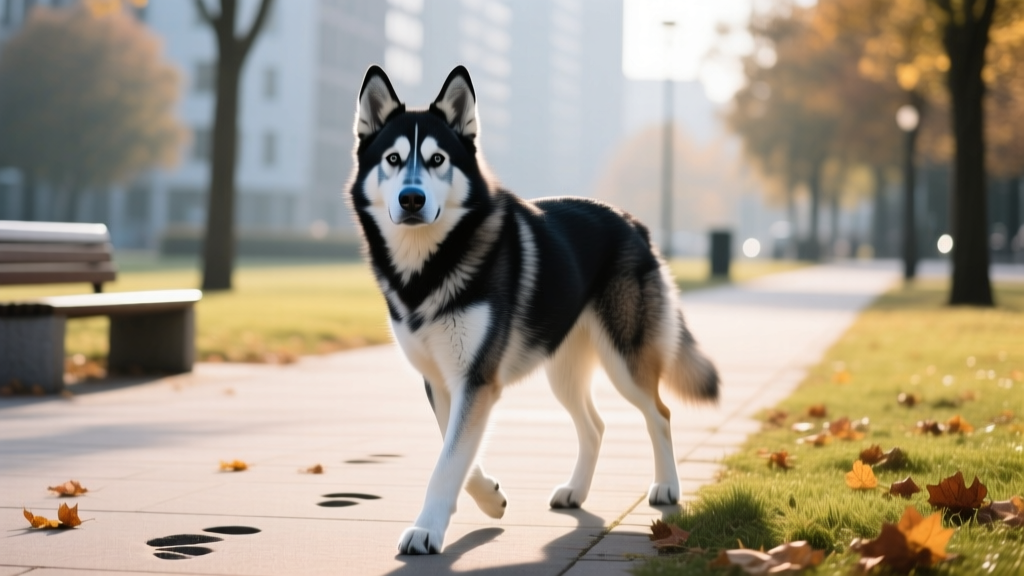
The Alsatian Husky dog — more commonly called the Gerberian Shepsky or German Shepherd Husky mix — is a deliberate cross between a German Shepherd (known in British English as an Alsatian) and a Siberian Husky. This designer hybrid first gained traction in North America during the late 1990s and early 2000s as part of the broader wave of working-breed crosses aimed at blending the German Shepherd's trainability with the Husky's endurance and cold-weather hardiness.
Because the Alsatian Husky is a mixed breed and not recognized by the AKC as a standalone breed, there is no official breed standard. Puppies in the same litter can vary considerably in appearance, size, and temperament depending on which parent they take after more. That said, most Alsatian Husky dogs fall into the large size class and share a recognizable wolf-like aesthetic: pointed ears, a dense double coat, and an athletic, slightly elongated frame.
| Attribute | Details |
|---|---|
| Weight | 45–88 lb / 20–40 kg |
| Height (at shoulder) | 20–26 inches / 51–66 cm |
| Lifespan | 10–14 years |
| Coat Type | Dense double coat; medium to long length |
| Energy Level | High — 90–120+ minutes/day |
| Grooming | Heavy shedder; brush 3–5× per week |
| Family Fit | Best with active families, older children, fenced yard |
| Size Class | Large |
Temperament & Personality: What to Expect
Blending two strong-willed working breeds produces a dog with a complex personality. Based on years of observing this cross and talking with owners and trainers, here are the core behavioral traits you can generally expect from an Alsatian Husky dog:
1. High Intelligence with an Independent Streak
Both parent breeds rank among the most intelligent dogs. The German Shepherd is known for biddable, handler-focused intelligence (think police and service work), while the Siberian Husky possesses what trainers call "independent problem-solving intelligence" — the kind that figures out how to open your gate latch at 2 a.m. Your Alsatian Husky will likely show both. Expect a dog that learns commands quickly but may choose to ignore them if something more interesting is happening. One owner I worked with described her Shepsky as "the dog who understands every word I say and selectively pretends she doesn't."
2. Vocal and Expressive
Huskies are famous for their "talking" — a repertoire of howls, grumbles, and woo-woo vocalizations. German Shepherds tend toward alert barking. The Alsatian Husky often combines both: expect commentary when you come home, vocal protests during nail trims, and a distinctive howl-bark alarm when the mail carrier arrives. This is not a quiet breed mix. If you live in an apartment with thin walls or noise-sensitive neighbors, this trait alone may rule them out.
3. Strong Prey Drive and Wanderlust
Siberian Huskies were bred to chase small game across vast tundra. German Shepherds were bred to herd and control livestock movement. The combination means your Alsatian Husky will likely have a significant prey drive — squirrels, cats, rabbits, and even small dogs may trigger a chase response. Off-leash reliability is extremely difficult to achieve with this cross; even well-trained individuals may bolt after prey and ignore recall commands. A securely fenced yard (minimum 6 feet tall, with no gaps at the base — Huskies are notorious diggers) is strongly recommended.
4. Loyal but Aloof with Strangers
Unlike a Labrador who greets everyone like a long-lost friend, the Alsatian Husky tends to be reserved and watchful around unfamiliar people. They typically form a deep bond with their primary handler or family unit and may be indifferent or standoffish with visitors. Early and ongoing socialization — exposing them to diverse people, environments, and experiences during the critical 3–14 week puppy window and continuing through adulthood — is essential to prevent wariness from hardening into fear-based reactivity.
5. Playful and Enduring
When their physical and mental needs are met, these dogs are exuberant play partners. They excel at activities like hiking, bikejoring, canicross (dog-assisted running), and advanced trick training. A tired Alsatian Husky is a well-behaved Alsatian Husky — and getting them to that "tired" state takes real commitment.
Physical Characteristics: Size, Coat, and Appearance
The Alsatian Husky dog is a large, athletic animal. Because it's a first-generation cross (F1) in most cases, size can vary depending on which parent's genes dominate and whether the dog is male or female.
Weight and Height
- Males: Typically 60–88 lb (27–40 kg), standing 22–26 inches (56–66 cm) at the shoulder
- Females: Typically 45–70 lb (20–32 kg), standing 20–24 inches (51–61 cm) at the shoulder
Some individuals, especially those from smaller Husky lines or larger German Shepherd lines, may fall outside these ranges. Always assess your dog's body condition score (BCS) rather than focusing solely on the scale — you should be able to feel (but not prominently see) the ribs, and there should be a visible waist tuck when viewed from above.
Coat and Colors
The double coat is nearly universal in this cross: a dense, soft undercoat for insulation topped with coarser guard hairs. Coat length ranges from medium (Husky-like) to long (German Shepherd-like). Common color patterns include:
- Black and tan (classic German Shepherd pattern)
- Agouti/wolf-gray with lighter underparts
- Black and white with facial mask markings
- Sable (banded hairs giving a shaded appearance)
- Copper/red accents on face and legs
Heterochromia (two different-colored eyes) or partial blue eyes — a Husky trait — sometimes appears and is purely cosmetic, not a health concern.
Exercise & Activity Needs: How Much Is Enough?
This is where many prospective owners underestimate the Alsatian Husky dog. Both parent breeds are working dogs built for sustained, high-output activity. A casual 20-minute walk around the block will not suffice — and an under-exercised Shepsky is a Shepsky who will entertain itself, usually in ways you won't appreciate (chewing drywall, digging through landscaping, howling for hours, or attempting escape artistry).
| Day | Activity | Duration | Type |
|---|---|---|---|
| Monday | Morning trail hike + evening obedience session | 60 min + 20 min | Aerobic + mental |
| Tuesday | Bikejoring or canicross + puzzle feeder meal | 45 min + 15 min | High-intensity + mental |
| Wednesday | Swimming or fetch at dog park + trick training | 40 min + 20 min | Aerobic + mental |
| Thursday | Long hike with scent-work games | 90 min | Aerobic + mental |
| Friday | Agility or flirt pole session + evening walk | 30 min + 30 min | High-intensity + aerobic |
| Saturday | Adventure outing (hiking, camping, beach) | 2+ hours | Sustained aerobic |
| Sunday | Active rest — sniffari walk + frozen Kong | 45 min + 15 min | Low-intensity + mental |
Important note on puppies: Do not subject growing Alsatian Husky puppies to forced, repetitive exercise (like running alongside a bicycle or long jogs on pavement) until their growth plates close — typically around 14–18 months for large breeds. Follow the "5 minutes per month of age" guideline for structured walks, and let free play in a safe yard fill the rest of their activity needs.
Common Health Issues in the Alsatian Husky Dog
One of the arguments for crossbreeding is hybrid vigor — the idea that mixing two breeds dilutes the concentration of breed-specific genetic disorders. While this can reduce risk for some conditions, it does not eliminate it. An Alsatian Husky can inherit health problems from either parent line. Here are the conditions to watch for:
| Condition | Description | Estimated Prevalence | Inherited From |
|---|---|---|---|
| Hip Dysplasia | Malformation of the hip joint causing arthritis and pain over time | ~19% of German Shepherds (OFA data); lower in Huskies (~4%) | Both (higher GSD risk) |
| Elbow Dysplasia | Developmental abnormality of the elbow joint leading to lameness | ~15–20% in GSD lines | Primarily GSD |
| Degenerative Myelopathy (DM) | Progressive spinal cord disease causing hind-limb weakness and eventual paralysis; typically appears after age 8 | Carrier rate ~35% in GSDs | Primarily GSD |
| Eye Conditions | Includes cataracts, progressive retinal atrophy (PRA), and corneal dystrophy | PRA carrier rate ~5–10% in Huskies; cataracts variable | Both |
| Gastric Dilatation-Volvulus (Bloat) | Life-threatening stomach twisting; large, deep-chested dogs are at highest risk | GSDs are among the top 5 most affected breeds | Primarily GSD |
Prevention starts at the breeder. Responsible breeders of Alsatian Husky crosses should provide OFA (Orthopedic Foundation for Animals) hip and elbow scores for both parent dogs, a DM genetic test result, and a CERF (Canine Eye Registration Foundation) eye clearance. If a breeder cannot or will not provide these, walk away.
Always consult your veterinarian about an appropriate screening schedule for your individual dog, including annual wellness exams and any breed-predisposition testing they recommend.
Grooming Requirements
If you value a fur-free home, this is not your breed. The Alsatian Husky dog inherits heavy-shedding double coats from both parents, and you should expect year-round shedding with two intense "coat blow" periods (typically spring and fall) when the undercoat sheds in clumps.
Grooming Schedule
- Brushing: 3–5 times per week using an undercoat rake (such as the Furminator deShedding Tool for large dogs or a Chris Christensen Big G slicker brush) and a wide-toothed comb for finishing
- Bathing: Every 6–8 weeks, or as needed. Use a dog-specific shampoo — human shampoo disrupts canine skin pH. Brands like Earthbath Oatmeal & Aloe or Burt's Bees for Dogs Oatmeal Shampoo are gentle options
- Nail trimming: Every 3–4 weeks. If you hear clicking on hard floors, they're too long. A Dremel 7300-PT pet nail grinder works well for dogs who fear traditional clippers
- Ear cleaning: Check weekly; clean with a vet-approved ear wash (e.g., Epi-Otic Advanced) if you see wax buildup. Prick-eared dogs generally have better airflow than floppy-eared breeds, reducing infection risk, but it's still worth monitoring
- Dental care: Daily brushing is ideal. Use a dog-specific enzymatic toothpaste (e.g., Virbac C.E.T.). Dental disease affects an estimated 80% of dogs by age 3, per the AVMA
Training & Intelligence
The Alsatian Husky dog is highly trainable but not necessarily easy to train — an important distinction. These dogs are smart enough to learn complex behaviors, but their independent Husky side means they need motivation, not coercion.
Trainability rating: 7.5/10 — High potential, but requires an experienced handler who understands positive reinforcement methods.
Recommended training approach: Force-free, positive reinforcement methods exclusively. Use high-value treats (freeze-dried liver, boiled chicken, cheese), toy rewards, and praise. Keep sessions short (5–10 minutes for puppies, 15–20 minutes for adults) and end on a success. The science is clear: aversive methods (shock collars, prong collars, alpha rolls) increase fear and aggression while damaging the human-dog bond. The American Veterinary Society of Animal Behavior explicitly advises against dominance-based training.
Key Training Priorities
- Recall (come when called): Start in low-distraction environments and build up over months. Use a long line (15–30 ft) for safety. Given the prey drive, a 100% reliable off-leash recall is unlikely — plan to keep your dog leashed in unsecured areas.
- Leash manners: Both parent breeds are strong pullers. Front-clip harnesses (like the Ruffwear Front Range or 2 Hounds Design No Pull Freedom Harness) redirect pulling force and give you more control without choking.
- Impulse control: Teach "leave it," "wait," and a solid "down-stay." These are critical for managing prey drive and door-dashing behavior.
- Crate training: Essential for house training and providing a safe den. Introduce gradually with positive associations — never use the crate as punishment.
- Socialization: Ongoing exposure to diverse stimuli through at least the first year. Puppy classes (after the DHPP vaccination series is complete) provide structured socialization and foundational skills.
Family Suitability: Kids, Other Pets, and Living Situations
With children: Alsatian Husky dogs can be excellent with children they're raised alongside, particularly children age 8 and older who understand how to interact respectfully with dogs (no ear-pulling, no disturbing a sleeping dog, no approaching while eating). Their size and energy level can accidentally knock over toddlers, so supervision is non-negotiable with young children. Teach kids to read canine body language — a stiff body, whale eye (showing the whites of the eyes), or lip licking are signs the dog needs space.
With other dogs: Generally good with other dogs if properly socialized, though same-sex aggression can occur (a trait seen in both parent breeds). Slow, structured introductions are important. Dog park visits can work well for well-socialized individuals but watch for the Husky tendency to play rough and the GSD tendency to be selective about play partners.
With cats and small pets: Proceed with caution. The prey drive in this cross is often strong enough that cats, rabbits, hamsters, or chickens may be seen as targets rather than family members. Some Alsatian Huskies coexist peacefully with household cats they were raised with, but this is the exception rather than the rule, and it requires careful, supervised introduction. Never leave them unsupervised with small animals.
Apartment living: Possible but challenging. The vocal nature, high exercise requirements, and large size make this a poor fit for most apartments. If you do keep one in an apartment, you must commit to multiple daily outings totaling 90+ minutes and provide robust mental stimulation indoors. A house with a securely fenced yard is the ideal setup.
Cost of Ownership: Purchase Price and Annual Expenses
Budgeting realistically before bringing home an Alsatian Husky dog prevents painful surprises later. Here's a breakdown based on current US market data:
Puppy Purchase Price
- From a responsible breeder (health-tested parents): $800–$2,500
- From a backyard breeder or online marketplace: $300–$700 (note: these puppies often lack health screening and may cost far more in veterinary bills long-term)
- Adoption from a rescue or shelter: $150–$500 (many breed-specific rescues for GSD and Husky mixes exist — check organizations like German Shepherd Dog Rescue or Husky House)
First-Year Cost Estimate
| Expense Category | Estimated Cost | Notes |
|---|---|---|
| Puppy purchase/adoption | $150–$2,500 | Wide range based on source |
| Initial veterinary (vaccines, spay/neuter, microchip) | $500–$1,200 | DHPP series, rabies, bordetella; spay/neuter costs more for large breeds |
| Food (high-quality large-breed formula) | $600–$1,000 | Expect to feed 3–4 cups/day as adult |
| Supplies (crate, bed, leash, harness, bowls, toys) | $300–$600 | One-time purchases, replace periodically |
| Training (group classes or private sessions) | $200–$800 | Puppy class + intermediate obedience minimum |
| Grooming (professional de-shedding, if used) | $200–$450 | 4–6 sessions/year at $40–$75 each |
| Pet insurance (optional but recommended) | $600–$1,200 | $50–$100/month for large breed; varies by plan and deductible |
| Total First-Year Estimate | $2,550–$7,750 |
Ongoing annual cost (years 2+): Approximately $1,800–$3,500 per year for food, routine veterinary care, grooming, preventatives (heartworm, flea/tick), and insurance.
Pros and Cons at a Glance
Pros
- Striking, athletic appearance
- Highly intelligent and capable of advanced training
- Loyal, devoted family companion
- Excellent exercise partner for active owners
- Potential hybrid vigor reducing some inherited disease risk
- Cold-weather tolerant — great for northern climates
- Generally good health with 10–14 year lifespan
Cons
- Very high exercise requirements (90–120+ min/day)
- Heavy shedding year-round with seasonal coat blowouts
- Vocal — howling, barking, "talking" are common
- Strong prey drive; unreliable off-leash
- Not ideal for first-time owners or apartment living
- Prone to escaping — needs secure 6-foot fencing
- Wariness of strangers requires dedicated socialization
Frequently Asked Questions
Is the Alsatian Husky dog right for first-time owners?
Generally, no. The combination of high energy, strong prey drive, independence, vocal tendencies, and the need for consistent, experienced training makes this cross a challenging first dog. First-time owners who are committed to working with a professional positive-reinforcement trainer and who lead an active outdoor lifestyle can succeed, but there's a steep learning curve. If you're a first-time owner considering this mix, fostering one through a rescue first is a smart way to test the fit.
How much exercise does this breed need daily?
A minimum of 90–120 minutes per day for a healthy adult, combining aerobic exercise (hiking, running, swimming, bikejoring) with mentally stimulating activities (training sessions, puzzle toys, scent work). Puppies need less structured exercise but still require significant play and enrichment. Senior dogs (typically 8+) may slow down but still benefit from 45–60 minutes of gentle daily activity.
What health problems is the Alsatian Husky prone to?
The most significant risks include hip dysplasia, elbow dysplasia, degenerative myelopathy, eye conditions (cataracts, progressive retinal atrophy), and gastric dilatation-volvulus (bloat). Responsible breeding with health-tested parents significantly reduces — but does not eliminate — these risks. Annual veterinary checkups and appropriate screening tests are essential.
How big does the Alsatian Husky dog get?
Adult males typically weigh 60–88 lb (27–40 kg) and stand 22–26 inches (56–66 cm) at the shoulder. Females are usually 45–70 lb (20–32 kg) and 20–24 inches (51–61 cm). Size can vary depending on the specific parent lines.
Is this breed good with children and other pets?
They can be wonderful with children they're raised with, particularly kids age 8 and up who understand respectful dog interaction. Supervision is essential with younger children due to the dog's size and exuberance. With other dogs, socialization is key. With cats and small animals, the strong prey drive makes coexistence risky and requires careful, ongoing management.
How much does an Alsatian Husky cost to buy and maintain?
Puppies from responsible breeders cost $800–$2,500, while adoption fees range from $150–$500. First-year total costs (including vet care, food, supplies, and training) typically run $2,550–$7,750. Ongoing annual costs are approximately $1,800–$3,500. Pet insurance ($50–$100/month) is strongly recommended given the breed's predisposition to costly orthopedic conditions.
Can I find an Alsatian Husky in a shelter or rescue?
Yes — and it's a route worth exploring. German Shepherd and Husky mixes are among the most common breeds found in shelters, partly because owners underestimate their exercise and training needs. Check breed-specific rescues, Petfinder, and local shelters. Many rescue dogs come with some training, spay/neuter, and veterinary care already completed, making adoption both cost-effective and life-saving.
This article is for informational purposes only and does not replace professional veterinary advice. Always consult your veterinarian for guidance specific to your dog's health, nutrition, and care needs.
Anouk Beaumont
All our authors care for dogs every day — read more of their work on the authors page.


