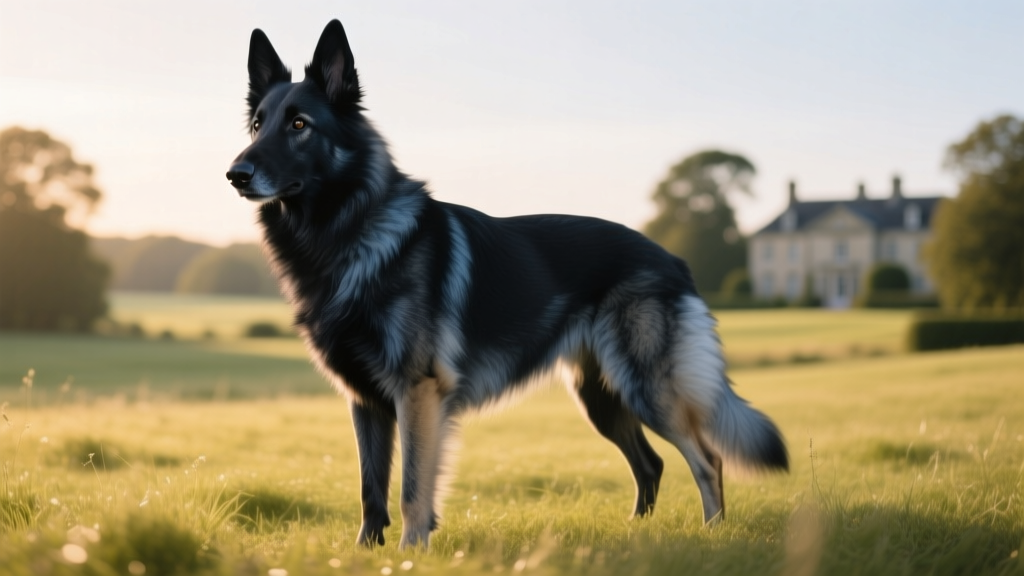
Get a Dog Certified as a Service Dog: Best Breeds &
Learn how to get a dog certified as a service dog, including the best breeds for service work, training timelines, costs, and legal requirements in 2026.

Understanding Service Dog Certification: What the Law Actually Says
Before exploring which breeds excel at service work, it's essential to clarify a widespread misconception: there is no official government-issued "service dog certification" in the United States. Under the Americans with Disabilities Act (ADA), a service dog is defined as a dog individually trained to perform tasks that mitigate a person's disability. No federal registry, ID card, or certification body is required — or legally recognized — as proof of service dog status.
What businesses can ask under the ADA are exactly two questions:
- Is the dog required because of a disability?
- What task(s) has the dog been trained to perform?
That said, many handlers choose to carry identification cards, register with private organizations, or use service dog vests to reduce public access challenges. While these tools have no legal weight, they can smooth interactions in retail stores, restaurants, and airports. Reputable training organizations that place fully trained service dogs typically provide documentation of the dog's training history — this is the closest thing to "certification" that carries practical value.
The 10 Best Breeds for Service Dog Work
Service dog organizations spend $20,000–$50,000 and 18–24 months raising and training each placed dog. Breed selection is the foundation of that investment. Below are the breeds most consistently successful in service work, grouped by size class and primary service function.
1. Labrador Retriever
Size Class: Large (55–80 lb / 25–36 kg) | Key Trait: Highest placement success rate among ADI-accredited programs
The Labrador Retriever is the single most common breed in professional service dog programs worldwide. Their combination of food motivation, soft mouth (ideal for retrieval tasks), and environmental stability makes them versatile across mobility assistance, psychiatric service work, diabetic alert, and guide dog roles. Labs from purpose-bred working lines — not show or field-trial lines — tend to produce the calmest candidates. Expect an 18–24 month training timeline from puppy to public-access-ready.
2. Golden Retriever
Size Class: Large (55–75 lb / 25–34 kg) | Key Trait: Exceptional handler focus and gentle task execution
Goldens are the second most placed breed in service dog programs, particularly excelling in psychiatric service dog (PSD) work, autism support, and medical alert roles. Their strong social bonding drives consistent handler attention — a critical trait for detecting anxiety escalation or dissociative episodes. The trade-off: Goldens have higher rates of certain cancers (hemangiosarcoma, lymphoma) than Labs, with lifetime veterinary costs averaging $1,200–$2,500 more.
3. Standard Poodle
Size Class: Large (40–70 lb / 18–32 kg) | Key Trait: Hypoallergenic coat with high cognitive ability
Standard Poodles are the go-to breed for handlers with allergies or those needing a dog for environments with allergy-sensitive populations (schools, hospitals). Their problem-solving intelligence ranks among the highest of any breed, which accelerates complex task training — but also means they require consistent mental engagement to prevent boredom-driven behaviors. Poodles excel in mobility support, hearing dog work, and seizure response. Professional coat maintenance runs $60–$100 per grooming session, every 6–8 weeks.
4. German Shepherd Dog
Size Class: Large (50–90 lb / 23–41 kg) | Key Trait: Physical strength for mobility tasks and handler protection instinct
German Shepherds from Czech or West German working lines bring unmatched physical capability for mobility assistance — bracing, counterbalance, wheelchair pulling, and fall recovery. Their natural handler-protection instinct also provides an additional layer of security for handlers with PTSD or vulnerability in public spaces. The critical caveat: GSDs require experienced handlers. Poorly socialized individuals can develop hypervigilance or leash reactivity, which disqualifies them from public access. Organizations report a 30–40% washout rate for GSDs in service dog programs, compared to 15–20% for Labs.
5. Golden Retriever × Labrador Cross (Goldador)
Size Class: Large (55–75 lb / 25–34 kg) | Key Trait: Hybrid vigor with balanced temperament
Purpose-bred Goldadors (first-generation F1 crosses from health-tested parents) combine the Golden's handler sensitivity with the Lab's environmental resilience. Several major guide dog organizations — including Guide Dogs for the Blind — have incorporated this cross into their breeding colonies because of consistently high placement rates (70–80% versus 50–60% for some purebred lines). The key is sourcing from organizations that health-test both parent dogs for hips, elbows, and cardiac conditions — not backyard "designer dog" breeders.
6. Bernese Mountain Dog
Size Class: Giant (70–115 lb / 32–52 kg) | Key Trait: Mass and calm demeanor for deep pressure therapy and mobility bracing
For handlers needing a mobility support dog with significant bracing capacity, Bernese Mountain Dogs offer the body mass to stabilize an adult during transfers or gait disruptions. Their naturally low arousal level suits them to deep pressure therapy (DPT) for anxiety and PTSD management. The serious limitation: lifespan averages only 7–10 years, and the breed has elevated rates of histiocytic sarcoma and degenerative myelopathy. A handler may need to train a successor dog within a few years of placement.
7. Collie (Rough or Smooth)
Size Class: Medium-Large (50–75 lb / 23–34 kg) | Key Trait: Hypersensitivity to handler emotional state
Collies are among the most attuned breeds to subtle shifts in human body language and emotional state, making them outstanding psychiatric service dogs. Their herding heritage produces a dog that naturally monitors and responds to handler movement — ideal for interrupting self-harm behaviors, guiding during dissociative episodes, or creating physical space in crowds. Collies require regular grooming (especially Rough Collies, at $50–$80 per session) and are prone to Collie eye anomaly and MDR1 drug sensitivity, which your veterinarian should screen for before any medication is prescribed.
8. Papillon
Size Class: Small (5–10 lb / 2.3–4.5 kg) | Key Trait: Alertness and portability for hearing alert and medical detection
For hearing dog work and diabetic/seizure alert tasks where physical strength isn't required, the Papillon is a standout small breed. Their alertness to environmental sounds — alarms, doorbells, crying infants — combined with their portability (they can ride in a sling or under a desk) makes them practical for apartment-dwelling handlers. Their small size limits them to alert/notification roles rather than mobility support. Training a Papillon for medical alert typically takes 12–18 months with professional guidance.
9. Boxer
Size Class: Large (50–80 lb / 23–36 kg) | Key Trait: Athletic build and strong handler bonding for active mobility support
Boxers bring athletic endurance and a compact muscular build well-suited to handlers who maintain active lifestyles and need a mobility dog that can keep pace. Their strong handler attachment supports reliable task performance in public settings. Boxers mature slowly (2.5–3 years to full emotional maturity), which extends the training window but produces a highly reliable adult working dog. Health considerations include aortic stenosis, boxer cardiomyopathy, and mast cell tumors — cardiac screening via echocardiogram ($300–$500) is essential before committing to training.
10. Portuguese Water Dog
Size Class: Medium-Large (35–60 lb / 16–27 kg) | Key Trait: Hypoallergenic coat with high trainability and moderate size
Portuguese Water Dogs offer a middle ground between the Standard Poodle's intelligence and a more moderate energy level. Their curly, low-shedding coat suits allergy-sensitive handlers, and their medium build works well for apartment living while still being large enough for light mobility tasks (retrieval, door opening, light bracing). Originally bred for demanding water work, they have the stamina for full-day public access outings. Professional training programs report good success rates with this breed for hearing dog and medical alert placements.
Breed Comparison: Service Dog Attributes at a Glance
| Breed | Weight Range | Best Service Roles | Training Timeline | Lifespan | Est. Lifetime Vet Cost |
|---|---|---|---|---|---|
| Labrador Retriever | 55–80 lb / 25–36 kg | Mobility, Guide, Medical Alert, PSD | 18–24 months | 11–13 years | $8,000–$14,000 |
| Golden Retriever | 55–75 lb / 25–34 kg | PSD, Autism Support, Medical Alert | 18–24 months | 10–12 years | $10,000–$16,000 |
| Standard Poodle | 40–70 lb / 18–32 kg | Mobility, Hearing, Seizure Response | 15–20 months | 12–15 years | $9,000–$15,000 |
| German Shepherd | 50–90 lb / 23–41 kg | Mobility, PTSD, Guide | 20–28 months | 10–13 years | $10,000–$18,000 |
| Goldador (F1 Cross) | 55–75 lb / 25–34 kg | Guide, Mobility, Medical Alert | 18–22 months | 11–13 years | $8,000–$13,000 |
| Bernese Mountain Dog | 70–115 lb / 32–52 kg | Mobility Bracing, DPT | 20–26 months | 7–10 years | $12,000–$20,000 |
| Collie | 50–75 lb / 23–34 kg | PSD, Autism Support, Medical Alert | 16–22 months | 12–14 years | $8,000–$14,000 |
| Papillon | 5–10 lb / 2.3–4.5 kg | Hearing Alert, Medical Detection | 12–18 months | 14–16 years | $4,000–$8,000 |
| Boxer | 50–80 lb / 23–36 kg | Mobility, Active Lifestyle Support | 24–30 months | 10–12 years | $10,000–$17,000 |
| Portuguese Water Dog | 35–60 lb / 16–27 kg | Hearing, Medical Alert, Light Mobility | 15–20 months | 11–13 years | $7,000–$12,000 |
How to Get a Dog Certified as a Service Dog: The Real Process
Getting a service dog involves far more than completing an online registration. Here is the actual pathway most handlers follow, whether working with a professional organization or owner-training.
Path 1: Applying Through an ADI-Accredited Organization
Organizations accredited by Assistance Dogs International (ADI) breed, raise, and train service dogs and place them with qualified handlers at little or no cost. The process typically includes:
- Application and medical documentation: You'll provide a letter from a licensed healthcare provider confirming your disability and how a service dog would mitigate it.
- Interviews and home assessment: Expect 2–3 interviews and a home visit to evaluate your living situation and lifestyle compatibility.
- Waitlist: Most organizations have 12–36 month waitlists. Some prioritize veterans, children with autism, or individuals with specific medical conditions.
- Team training: Once matched, you'll attend 2–4 weeks of intensive handler training at the organization's facility or in your home.
- Public access test: You and your dog must pass a standardized public access evaluation demonstrating controlled behavior in stores, restaurants, and transit.
- Follow-up: Reputable programs conduct 6-month and annual check-ins for the dog's working life.
Path 2: Owner-Training with Professional Support
The ADA permits individuals to train their own service dogs. Owner-training offers breed and timeline flexibility but requires significant commitment:
- Select a candidate dog: Use a professional service dog trainer to evaluate temperament. Expect to pay $150–$300 for a formal candidate evaluation. Roughly 30–50% of evaluated dogs fail to meet the threshold for service work.
- Foundation training (6–12 months): Obedience, socialization, and public access manners. Budget $2,000–$5,000 for group and private lessons with a certified professional dog trainer (CPDT-KA or IAABC-credentialed).
- Task training (6–12 months): Teaching specific disability-mitigating tasks — retrieval, alerting, bracing, interruption behaviors. This is where professional guidance is most critical.
- Public access certification (self-administered): While no legal certification exists, passing a public access test administered by a qualified trainer provides documentation that can resolve access disputes. Cost: $200–$500 for the evaluation.
Breeds to Avoid for Service Dog Work
While any individual dog of any breed could theoretically succeed as a service dog, certain breeds have trait profiles that make consistent success unlikely in professional programs:
- Siberian Husky / Alaskan Malamute: Independent decision-making and high prey drive create reliability challenges in public settings. Washout rates exceed 70% in programs that have attempted them.
- Jack Russell Terrier / Parson Russell Terrier: High arousal, dog-selectiveness, and difficulty settling in low-stimulation environments disqualify most individuals from sustained public access work.
- Chihuahua: While some individuals succeed in medical alert roles, the breed's general tendency toward fear-based reactivity and fragility limits consistent placement.
- Livestock Guardian Breeds (Great Pyrenees, Anatolian Shepherd): Bred for independent judgment and low biddability — the opposite of what service work demands.
- Belgian Malinois: Despite their intelligence, their extreme drive and need for high-intensity work make them unsuitable for the calm, sustained public access that most service roles require. They excel in military/police work but wash out of service dog programs at very high rates.
Decision Framework: Choosing Your Service Dog Breed
If you're deciding between breeds, use this framework based on your primary disability category and lifestyle:
| Your Primary Need | Top Breed Pick | Runner-Up | Why This Match Works |
|---|---|---|---|
| Mobility support (bracing, counterbalance, wheelchair pull) | German Shepherd or Bernese Mountain Dog | Labrador Retriever | Requires 60+ lb body mass and structural soundness; GSDs bring strength + handler focus |
| Psychiatric service dog (PTSD, anxiety, dissociation) | Golden Retriever or Collie | Labrador Retriever | Handler sensitivity and emotional attunement are paramount; Goldens/Collies detect subtle state changes |
| Medical alert (diabetes, seizures, POTS) | Labrador Retriever or Standard Poodle | Papillon (small spaces) | Olfactory capability and sustained alertness drive detection accuracy; Labs/Poodles have proven scenting reliability |
| Guide dog (visual impairment) | Labrador Retriever or Goldador | German Shepherd | Guide dog schools overwhelmingly use Labs/Goldadors for consistent temperament and intelligent disobedience training success |
| Hearing dog (deaf/hard of hearing) | Poodle (Miniature or Standard) or Papillon | Portuguese Water Dog | Environmental sound awareness and quick physical alert response; smaller breeds suit apartment living |
| Allergy-sensitive handler | Standard Poodle or Portuguese Water Dog | Goldador (low-shed line) | Low-shedding coats reduce allergen exposure; Poodles are the gold standard for allergy compatibility |
Frequently Asked Questions
Can any breed become a service dog?
Legally, yes — the ADA does not restrict service dogs by breed. Practically, breed temperament, trainability, size, and health profile dramatically affect success rates. Professional programs achieve 50–80% placement rates with purpose-bred Labs, Goldens, and Poodles, but under 20% with breeds selected for independent or high-arousal temperaments.
Do I need a doctor's note to get a service dog?
You need documentation from a licensed healthcare provider (physician, psychiatrist, psychologist, licensed clinical social worker) confirming that you have a disability as defined by the ADA and that a service dog would mitigate its effects. This is required when applying through a training organization. For owner-training, you are not legally required to carry documentation, but having it protects you if your service dog's status is challenged.
How long does it take to train a service dog?
From puppy selection to full public access readiness, expect 18–30 months for owner-trained dogs and 18–24 months for dogs raised by professional programs. Task training alone (after foundation obedience and public access manners are established) typically requires 6–12 months of daily practice. Dogs trained for complex medical alert tasks (diabetic alert, seizure response) often need 24+ months before achieving reliable accuracy above 85%.
Are emotional support dogs the same as service dogs?
No. Emotional support animals (ESAs) provide comfort through their presence but are not trained to perform specific disability-mitigating tasks. ESAs do not have public access rights under the ADA — they are only protected in housing under the Fair Housing Act. A psychiatric service dog (PSD) is a service dog trained to perform tasks like interrupting panic attacks, providing DPT during dissociative episodes, or guiding a handler to safety during a PTSD flashback. The task-training distinction is what grants public access rights.
What happens if my service dog washes out of training?
Washout rates vary by breed and program, ranging from 20–50%. If you're owner-training, a dog that cannot reliably perform public access behaviors or task work can still serve as a companion pet — but you'll need to restart the process with a new candidate. Reputable ADI-accredited programs absorb the cost of washout dogs and reassign them as pets or career-change dogs. Budget emotionally and financially for the possibility that your first candidate may not succeed.
Can I certify my existing pet dog as a service dog?
You can attempt to train an existing pet for service work, but success depends on the dog's age, temperament, and prior training history. Dogs under 3 years old with stable temperaments and strong handler focus have the best prospects. A professional service dog trainer can conduct a candidate evaluation ($150–$300) to assess viability before you invest in months of training. Dogs with existing fear-based reactivity, resource guarding, or high distractibility are unlikely to succeed regardless of training investment.
Jonas Cole
All our authors care for dogs every day — read more of their work on the authors page.