Groenendael Belgian Shepherd Dog: Complete Breed Profile & Care Guide
Everything about the Groenendael Belgian Shepherd dog: history, temperament, health risks, exercise needs, cost, and how this rare black-coated herder
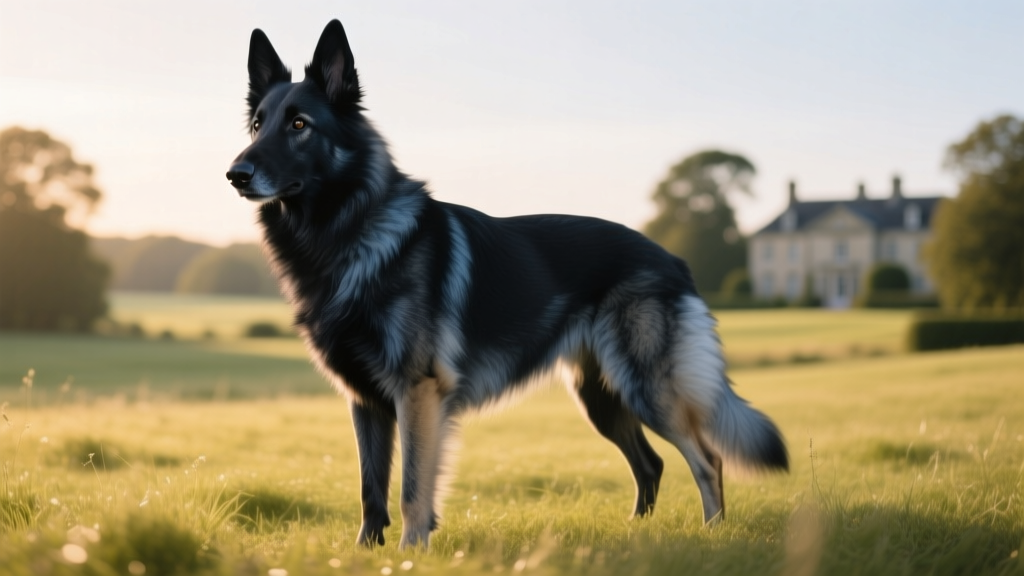
The Groenendael Belgian Shepherd Dog: A Rare Black-Coated Herder Worth Knowing
If you've ever seen a sleek, black, long-coated dog moving with almost feline grace and wondered what breed it was, you may have encountered a Groenendael Belgian Shepherd dog. Often confused with the more famous Belgian Malinois or mistaken for a black German Shepherd, the Groenendael is a distinct variety of Belgian Shepherd that remains genuinely rare outside of Europe. In the United States, the AKC registers all four Belgian Shepherd varieties under the single breed name "Belgian Sheepdog" — and the Groenendael is the variety most people are actually picturing when they use that name.
This guide covers everything a prospective owner or curious dog enthusiast needs to know about the Groenendael: its herding-dog origins in Belgium, its surprising temperament quirks, breed-specific health concerns, real-world costs, and whether this intense, intelligent breed is the right fit for your household.
Origin and History: From Belgian Pastures to Police Work
1890s — The Founding Era: The Groenendael's story begins near the Château de Groenendael (Groenendael Castle) on the outskirts of Brussels, Belgium. A man named Nicolas Rose is credited with establishing the foundational breeding program. He owned a black-coated herding dog named Picard and a bitch named Petite, whose offspring became the basis for what we now call the Groenendael variety. The breed takes its name directly from this estate.
1891 — Breed Classification: Professor Adolphe Reul of the Cureghem Veterinary School convened a meeting of Belgian shepherd dog owners and identified several regional coat varieties. The black long-coated dogs from the Groenendael area were grouped together as one of four Belgian Shepherd types (alongside the Malinois, Tervuren, and Laekenois).
1898 — First Breed Club: The Club du Chien de Berger Belge was founded, and the first breed standard was drafted, formally separating the four varieties by coat type and color.
Early 1900s — Working Transition: As mechanized farming reduced the need for herding dogs in Belgium, Groenendaels pivoted to police work, personal protection, and military service. During both World Wars, they served as messenger dogs, ambulance dogs, and pack carriers for Belgian and Allied forces.
1911–1912 — AKC Recognition: The American Kennel Club first recognized the Belgian Sheepdog (encompassing the Groenendael variety) around 1911. The AKC currently classifies the Groenendael as the "Belgian Sheepdog" in the Herding Group.
Present Day: The Groenendael remains the most common of the four Belgian Shepherd varieties in the United States but is still considered rare compared to German Shepherds or Belgian Malinois. In FCI-registered countries, it is classified as Belgian Shepherd Dog (Groenendael) under FCI Standard No. 43.
Historical purpose: Originally a herding and flock-guarding dog for Belgian sheep farmers, the Groenendael was bred to work independently, make decisions at a distance from the handler, and maintain high alertness for long hours. This working heritage explains much of the breed's modern temperament.
Physical Traits: What Sets the Groenendael Apart
| Attribute | Groenendael Standard |
|---|---|
| Weight (Male) | 55–75 lb / 25–34 kg |
| Weight (Female) | 45–65 lb / 20–29 kg |
| Height (Male) | 24–26 in / 61–66 cm at the withers |
| Height (Female) | 22–24 in / 56–61 cm at the withers |
| Lifespan | 12–14 years |
| Coat | Long, straight, abundant outer coat with dense undercoat; heavy ruff around neck; feathering on legs and tail |
| Color | Solid black (small white markings on chest and toes permitted) |
| Energy Level | High — 90+ minutes of vigorous daily exercise |
| Grooming Needs | Moderate to high — brushing 3–4x/week, daily during shedding season |
| Family Fit | Best with active, experienced owners; good with children if socialized early |
The Groenendael's most defining feature is its solid black, long double coat. Unlike the short-coated Malinois or the fawn-and-black-overlay Tervuren, the Groenendael's coat is dense, straight, and designed to withstand harsh Belgian winters. The neck ruff (especially prominent in males) gives a leonine silhouette, and the tail is heavily feathered and carried in a slight curve.
Structurally, the Groenendael is a square-proportioned dog — the body length from shoulder to buttocks roughly equals the height at the withers. This gives a balanced, athletic appearance rather than the longer-backed silhouette of a German Shepherd. The head is refined and wedge-shaped, with dark almond-shaped eyes and erect, triangular ears. The overall impression is elegance combined with obvious working-dog athleticism.
Temperament: What Surprises New Groenendael Owners
People who bring home a Groenendael expecting a calmer version of the Belgian Malinois are often in for a surprise. While the Groenendael is generally considered slightly less intense than the Malinois (which is the preferred breed for military and high-level police work), "slightly less intense" still describes a dog that is profoundly driven, emotionally sensitive, and almost pathologically attached to its handler.
Key temperament traits new owners report as surprising:
- Velcro-dog attachment: Groenendaels follow their owners from room to room and become visibly distressed when left alone. Separation anxiety is one of the most common behavioral issues in the breed, and it can manifest as destructive chewing, excessive barking, or self-mutilation if not managed proactively.
- Emotional sensitivity: These dogs read human body language and tone with startling accuracy. Harsh corrections or raised voices don't make a Groenendael comply — they shut down or become fearful. Positive reinforcement and force-free training methods aren't just recommended; they're essentially mandatory for this breed.
- Herding instinct toward children and pets: The breed's herding heritage surfaces as circling, nipping at heels, and attempting to "gather" running children or smaller pets. This is not aggression, but it requires redirection and management in family settings.
- High suspicion of strangers: Groenendaels are naturally aloof with unfamiliar people. Without deliberate, ongoing socialization from 8–16 weeks of age and throughout life, this wariness can develop into fear-based reactivity.
- Problem-solving persistence: These dogs will figure out how to open doors, unzip bags, unlatch gates, and access food containers. Mental stimulation isn't optional — a bored Groenendael is a destructive Groenendael.
Health Concerns Specific to the Groenendael Belgian Shepherd Dog
The Groenendael is generally a robust breed with a longer lifespan than many similarly sized breeds. However, responsible ownership means understanding the conditions this breed is predisposed to. Always consult your veterinarian for breed-appropriate health screening and ongoing care.
| Condition | Description | Estimated Prevalence | Screening Recommendation |
|---|---|---|---|
| Hip Dysplasia | Abnormal development of the hip joint leading to arthritis | ~8–12% of Belgian Shepherds (OFA data) | OFA or PennHIP evaluation at 24 months |
| Elbow Dysplasia | Malformation of the elbow joint causing lameness | ~5–8% | OFA elbow radiographs at 24 months |
| Progressive Retinal Atrophy (PRA) | Degenerative eye disease leading to blindness | ~3–5% (breed-specific DNA tests available) | Annual CERF/OFA ophthalmologist exam + DNA panel |
| Epilepsy (Idiopathic) | Seizure disorder with unknown cause; onset typically 6 months–5 years | ~4–6% — higher than many breeds | No preventive screening; veterinary neurology referral if seizures occur |
| Gastric Dilatation-Volvulus (GDV/Bloat) | Life-threatening stomach torsion; deep-chested breeds at elevated risk | Risk elevated vs. general population; exact prevalence unclear | Discuss prophylactic gastropexy with your veterinarian, especially if breeding or showing |
| Hypothyroidism | Autoimmune thyroid insufficiency | ~3–5% | Annual thyroid panel beginning at age 3–4 |
- Distended abdomen with unproductive retching (possible GDV/bloat — this is a surgical emergency)
- Sudden onset seizures lasting more than 2 minutes or cluster seizures
- Acute rear-leg weakness or dragging (possible degenerative myelopathy or IVDD)
- Difficulty breathing, pale gums, or collapse after exercise
Preventive health protocol: The Belgian Sheepdog Club of America recommends hip evaluation, elbow evaluation, ophthalmologist evaluation, and thyroid evaluation as part of the AKC CHIC (Canine Health Information Center) requirements for responsible breeding stock. Ask any breeder for documented OFA or equivalent results for both parents.
Care Requirements: Exercise, Grooming, and Training
Daily Exercise (90–120 minutes minimum)
- 45–60 minutes of sustained aerobic activity: running, biking alongside, or structured fetch/frisbee sessions
- 30–45 minutes of mental work: obedience training, scent detection games, puzzle feeders, or agility practice
- Free exploration time on a long line (15–30 ft) in a safe area — Groenendaels need to make independent decisions
- NOTE: A leash walk around the block is not sufficient exercise for this breed. Under-exercised Groenendaels develop behavioral problems rapidly.
Coat and Grooming
- Brushing: 3–4 times per week with a slicker brush and undercoat rake. During spring and fall shedding seasons (which last 2–4 weeks each), daily brushing is necessary to manage the volume of loose undercoat.
- Bathing: Every 6–8 weeks or as needed. Use a high-velocity dryer to blow out dead undercoat — this is significantly more effective than brushing alone for double-coated breeds.
- Never shave: Shaving a Groenendael destroys the coat's insulating structure and can cause permanent coat damage (post-clipping alopecia). The double coat regulates temperature in both heat and cold.
- Nails: Trim every 2–3 weeks. Groenendaels often resist nail handling if not desensitized as puppies.
- Ears: Check weekly for debris and signs of infection; clean with a veterinary ear cleaner as needed.
Training Approach
- Method: Positive reinforcement only — food rewards, toy rewards, and praise. This breed is exquisitely sensitive to handler frustration and will shut down under pressure.
- Socialization window: Critical period is 8–16 weeks. Expose your Groenendael puppy to 50+ novel people, surfaces, sounds, and environments during this window. Continue structured socialization through 18 months.
- Sport suitability: Groenendaels excel in agility, obedience, rally, herding trials, scent work, and IPO/IGP (protection sport). Enrolling in at least one structured dog sport is strongly recommended to channel the breed's drive.
- Never use: Shock collars, prong collars, alpha rolls, or dominance-based methods. These damage the handler-dog bond and frequently produce fear-based aggression in sensitive herding breeds.
Groenendael vs. Malinois vs. German Shepherd: A Comparison
| Trait | Groenendael (Belgian Sheepdog) | Belgian Malinois | German Shepherd |
|---|---|---|---|
| Coat | Long, solid black | Short, fawn/mahogany with black mask | Medium or long, varied colors |
| Weight Range | 45–75 lb / 20–34 kg | 40–80 lb / 18–36 kg | 50–90 lb / 23–41 kg |
| Energy Level (1–10) | 8–9 | 10 | 7–8 |
| Handler Sensitivity | Very high | High | Moderate to high |
| Stranger Wariness | High | High | Moderate |
| Suitability for First-Time Owners | Not recommended | Strongly not recommended | Possible with research |
| Separation Anxiety Risk | High | Moderate to high | Moderate |
| Shedding | Heavy (long coat) | Moderate (short coat) | Heavy |
| Typical Puppy Price (US) | $1,500–$3,000 | $1,500–$5,000+ | $1,500–$5,000+ |
| AKC Popularity Rank (2025) | ~130th (as Belgian Sheepdog) | ~42nd | ~4th |
The key distinction: the Groenendael occupies a middle ground. It is more sensitive and attachment-oriented than the Malinois (which tends to be harder, more environmentally stable, and more prey-driven) but more intense and demanding than most German Shepherd lines. If you want a working-heritage herding dog but find the Malinois overwhelming and the GSD too mainstream, the Groenendael can be an excellent fit — provided you understand the emotional sensitivity that comes with it.
How Rare Is the Groenendael and What Does One Cost?
The Groenendael Belgian Shepherd dog is genuinely uncommon in the United States. The AKC registers the breed under the "Belgian Sheepdog" name, and annual registrations typically number in the low hundreds — compared to tens of thousands for German Shepherds. In Europe (especially Belgium, France, and the Netherlands), the breed is more readily available but still far less common than the Malinois.
Cost breakdown for a Groenendael in 2026:
- Puppy from a responsible breeder: $1,500–$3,000. Puppies from titled working or show lines with full OFA health testing on both parents typically fall in the $2,000–$3,000 range.
- Import from a European breeder: $3,500–$6,000+ when factoring in transport, import health certificates, and quarantine requirements.
- First-year total cost (puppy purchase + supplies + vet care + food + training): $4,500–$7,000
- Annual ongoing cost (food, veterinary, grooming, insurance, enrichment): $2,000–$3,500/year
- Pet insurance: $50–$90/month for a comprehensive plan; Belgian Shepherds are generally not surcharged but epilepsy and hip dysplasia claims are common in the breed.
Breeder Red Flags to Watch For
- No OFA (or equivalent) hip and elbow clearances on both parents — "vet checked" is not the same as OFA-certified
- Multiple litters available simultaneously or year-round
- Unwillingness to let you visit the breeding facility and meet the dam
- No take-back clause in the purchase contract (responsible breeders require that the dog be returned to them if you cannot keep it, at any point in the dog's life)
- Puppies leaving before 8 weeks of age
- Prices significantly below $1,200 — this often indicates a backyard breeder or puppy mill operation
Where to find responsible breeders: Start with the Belgian Sheepdog Club of America (BSCA) breeder referral list. Attend BSCA-sanctioned events or regional herding dog club meets to network with owners and breeders. Rescue is also a valid option — the BSCA maintains a rescue network for Belgian Sheepdogs in need of rehoming, and these dogs often come with behavioral assessments and veterinary care already completed.
Is the Groenendael Right for Your Family?
The honest answer: this breed is not for everyone, and that's by design. The Groenendael Belgian Shepherd dog thrives in a specific type of household and struggles in others.
Best fit:
- Active individuals or families who spend significant time outdoors
- Experienced dog owners who have previously managed herding or working breeds
- Households where someone is home most of the day (the separation anxiety risk is real and significant)
- Owners interested in dog sports (agility, obedience, herding, scent work) as a regular activity
- Families with older children (8+) who can participate in the dog's training and exercise routine
Poor fit:
- First-time dog owners without mentorship from a trainer or breed-experienced handler
- Households where the dog would be left alone for 8+ hours daily
- Apartment living without access to a yard or nearby running trails
- Families seeking a low-maintenance, independent, or "chill" companion dog
- Homes with very young toddlers (the herding instinct and high energy can overwhelm small children)
Frequently Asked Questions About the Groenendael Belgian Shepherd Dog
Is a Groenendael the same as a Belgian Sheepdog?
In the AKC system, yes. The AKC recognizes the Groenendael variety under the breed name "Belgian Sheepdog." In FCI-registered countries and most of Europe, all four Belgian Shepherd varieties (Groenendael, Malinois, Tervuren, Laekenois) are registered as separate varieties under one breed standard. So if you're looking at AKC paperwork, "Belgian Sheepdog" means Groenendael.
How rare is the Groenendael Belgian Shepherd dog today?
Outside of Belgium and parts of Western Europe, the Groenendael is uncommon. In the US, the AKC registers only a few hundred Belgian Sheepdogs annually. You will likely need to join a waitlist (often 6–18 months) with a responsible breeder, and you may need to travel or arrange transport to acquire a puppy.
What makes the Groenendael different from a black German Shepherd?
While both can be solid black with a somewhat similar silhouette, they are entirely separate breeds. The Groenendael is lighter-boned, more square-proportioned, more emotionally sensitive, and has a significantly longer coat with a prominent neck ruff. Temperamentally, Groenendaels tend to be more handler-focused and higher-strung than most modern GSD lines. They also have a longer average lifespan (12–14 years vs. 9–13 for GSDs).
Can a Groenendael be a good family dog?
Yes, with caveats. Groenendaels bond deeply with their families and are typically gentle and protective with children they're raised alongside. However, they require early and ongoing socialization, substantial daily exercise, and a household that can accommodate their sensitivity and need for closeness. They are not a "set it and forget it" breed.
Do Groenendaels shed a lot?
Yes. The long double coat sheds moderately year-round and heavily during seasonal coat blows (spring and fall). During peak shedding, expect to brush daily and find black fur on furniture, clothing, and in unexpected corners of your home. A high-velocity dryer is the most effective tool for managing undercoat during shedding season.
What is the best diet for a Groenendael?
Feed a high-quality, AAFCO-certified complete and balanced diet appropriate for the dog's life stage. For a 55–75 lb active adult Groenendael, expect to feed approximately 1,400–1,800 calories per day, split into two meals. Because of the GDV/bloat risk in deep-chested breeds, avoid feeding one large meal and avoid vigorous exercise for 60 minutes before and after eating. Consult your veterinarian for individualized nutrition guidance.
How long do Groenendaels live?
The typical lifespan is 12–14 years, which is above average for a dog of this size. Some well-bred individuals with good health screening live to 15 or 16. The most common causes of early mortality in the breed are cancer, GDV, and complications from epilepsy.
Beth Carrasco
All our authors care for dogs every day — read more of their work on the authors page.


