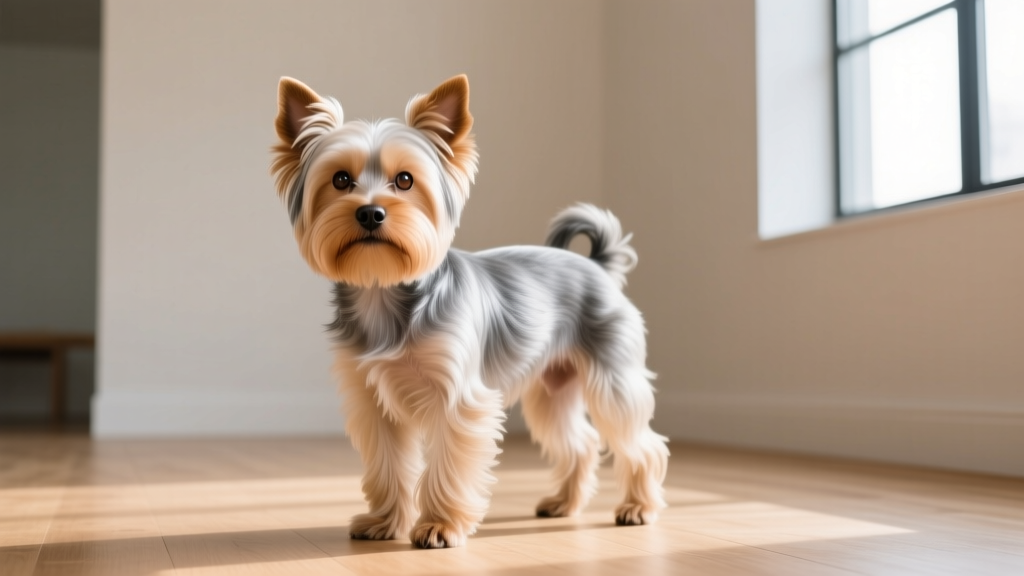
How Much Is a Yorkshire Terrier? 2026 Puppy Prices & Full Cost Guide
How much is a Yorkshire Terrier in 2026? We break down puppy prices, annual care costs, health expenses, and hidden fees so you can budget before buying.

Yorkshire Terrier at a Glance: Quick Breed Facts
Before we get into the numbers, here's a snapshot of the breed you're considering. The Yorkshire Terrier — affectionately called the "Yorkie" — is one of the most recognizable toy breeds in the United States, consistently ranking in the AKC's top 15 most popular breeds for over a decade.
| Attribute | Details |
|---|---|
| Size Class | Toy |
| Weight | 4–7 lb (1.8–3.2 kg) |
| Height | 7–8 inches (18–20 cm) at the shoulder |
| Lifespan | 11–15 years |
| Coat Type | Long, silky, single-layered (hair-like, not fur) |
| Energy Level | Moderate — bursts of play, not endurance athletes |
| Grooming Frequency | Daily brushing if kept long; every 4–6 weeks if clipped |
| Apartment Friendly | Excellent |
| Good with Young Children | Not recommended for kids under 8 |
The Yorkshire Terrier originated in the mid-1800s in Yorkshire and Lancashire, England, where Scottish weavers migrating south brought along small terriers used for ratting in textile mills. The breed was refined by crossing the Waterside Terrier, English Black and Tan Terrier, and possibly the Skye Terrier and Maltese. By 1874, the Yorkie was officially recognized by the Kennel Club (UK), and the American Kennel Club followed in 1885. What began as a working-class ratter became a Victorian-era lap dog and hasn't looked back since.
How Much Does a Yorkshire Terrier Puppy Cost?
The short answer: a Yorkshire Terrier puppy from a reputable breeder typically costs between $1,500 and $3,500, with show-line puppies running $4,000 to $7,000+. But that number alone doesn't tell the full story.
Puppy Price Breakdown by Source
| Source | Price Range | What to Expect |
|---|---|---|
| AKC Reputable Breeder (pet quality) | $1,500–$3,500 | Health-tested parents, vaccination records, contract with take-back clause |
| AKC Show-Quality Breeder | $4,000–$7,000+ | Champion bloodlines, OFA certifications, co-ownership possible |
| Breed-Specific Rescue | $200–$600 | Adult dogs, spayed/neutered, temperament-evaluated; long waitlists common |
| General Shelter | $50–$300 | Yorkie mixes more common; purebreds rare but possible |
| Backyard Breeder / Online Listing | $500–$1,200 | No health testing, no contract, high risk of genetic issues — avoid |
Red flags that a low price means trouble: Puppies advertised under $800 with "rare" colors like chocolate, merle, or parti are almost certainly from backyard breeders or puppy mills. Merle is not a recognized Yorkie color in the AKC breed standard and is linked to serious health problems including deafness and eye defects. A responsible breeder will never market these as "rare" premium colors.
First-Year Total Cost of Ownership
The purchase price is just the entry fee. Here's what your first year with a Yorkie actually costs:
| Expense Category | Estimated Cost |
|---|---|
| Puppy purchase | $1,500–$3,500 |
| Initial vet visits (3 puppy exams + vaccines) | $300–$500 |
| Spay/neuter | $400–$800 |
| Microchipping | $25–$60 |
| Puppy supplies (crate, bed, bowls, harness, toys) | $150–$300 |
| Food (high-quality small-breed kibble, 12 months) | $180–$300 |
| Grooming (every 6 weeks × 8 sessions) | $400–$720 |
| Pet insurance (optional, recommended) | $300–$600/year |
| Training classes (puppy socialization) | $100–$250 |
| Total first-year estimate | $3,355–$7,030 |
After the first year, expect ongoing annual costs of approximately $1,200 to $2,500 covering food, routine veterinary care, grooming, preventives (heartworm, flea/tick), and pet insurance.
Yorkshire Terrier Temperament: What Living With One Is Really Like
Yorkies pack an outsized personality into a very small package. Here are the core traits you'll encounter daily:
1. Bold and Confident — Despite weighing less than a bag of sugar, Yorkies carry themselves like they own the room. They'll strut up to dogs ten times their size without hesitation. This confidence is charming until it becomes confrontational at the dog park, so early socialization is essential.
2. Vocal and Alert — Yorkies are exceptional watchdogs. They will announce the mail carrier, a leaf blowing across the porch, and the refrigerator humming to life with equal urgency. If you live in an apartment with thin walls or noise-sensitive neighbors, this is a real consideration. Training a "quiet" cue from puppyhood is non-negotiable.
3. Deeply Attached — Yorkies bond intensely with one or two people and prefer to be within arm's reach at all times. They are not independent dogs who entertain themselves for hours. If you work 10-hour days away from home without a dog walker or daycare plan, a Yorkie will likely develop separation anxiety.
4. Feisty and Playful — Don't mistake "toy breed" for "couch ornament." Yorkies retain their terrier instincts. They'll chase squeaky toys, dig at blankets, and engage in spirited zoomies around your living room. They need mental stimulation, not just physical exercise.
5. Sensitive to Tone — Yorkies respond poorly to harsh corrections. They shut down or become snappy when yelled at. Positive reinforcement — treats, praise, clicker training — is the only method that produces reliable results with this breed.
Pros of Owning a Yorkie
- Portable — flies in-cabin on most airlines under 16 lb carrier limit
- Minimal shedding — often tolerated by mild allergy sufferers
- Long lifespan — 11–15 years is typical, some reach 16+
- Adaptable to apartments and small living spaces
- Highly affectionate and loyal to their person
Cons of Owning a Yorkie
- Frequent barking can be problematic in shared housing
- Fragile frame — easily injured by falls, rough children, or large dogs
- High grooming costs if coat is kept long
- Prone to dental disease requiring professional cleanings
- Difficult to house-train compared to larger breeds
Physical Characteristics and Size
The Yorkshire Terrier is one of the smallest recognized breeds. According to the AKC breed standard, a Yorkie should not exceed 7 lb (3.2 kg), though many pet-line Yorkies reach 8–10 lb (3.6–4.5 kg) and are perfectly healthy. Height at the shoulder typically falls between 7 and 8 inches (18–20 cm).
The coat is a defining feature: long, straight, fine, and silky — more like human hair than traditional dog fur. The classic color pattern is dark steel blue on the body with rich golden tan on the head, chest, and legs. Puppies are born black and tan, with the adult coloring developing gradually over the first 1–3 years.
Important note on "teacup" Yorkies: There is no recognized "teacup" or "mini" variety. Breeders marketing Yorkies under 4 lb are often selecting for dwarfism or breeding runts, which comes with severe health consequences including hypoglycemia, fragile bones, and shortened lifespans. A healthy adult Yorkie at 4–7 lb is already among the smallest dogs you can own.
Exercise Needs and Activity Requirements
Yorkies need approximately 30–45 minutes of activity per day, split into two or three sessions. This is not a breed that requires (or should undertake) long-distance running or intense athletic activity.
| Activity | Duration | Frequency | Notes |
|---|---|---|---|
| Leash walks | 15–20 minutes | 2× daily | Use a harness, never a neck collar — Yorkies have fragile tracheas |
| Indoor play (fetch, tug) | 10–15 minutes | 1–2× daily | Great for rainy days and mental stimulation |
| Puzzle toys / snuffle mats | 10–15 minutes | Daily | Satisfies terrier foraging instincts |
| Supervised yard time | 10–20 minutes | As available | Never leave unsupervised — hawks, coyotes, and even large owls can target dogs under 10 lb |
Yorkies are prone to overheating in hot weather and chilling in cold weather. Below 45°F (7°C), a fitted dog sweater is practical, not decorative. Above 80°F (27°C), limit outdoor walks to early morning or evening and always carry water.
Common Health Issues in Yorkshire Terriers
Yorkies are generally a long-lived breed, but they carry specific genetic predispositions that every prospective owner should understand. Always consult your veterinarian about breed-appropriate screening. Ask breeders for proof of health testing through the Orthopedic Foundation for Animals (OFA) or equivalent.
| Condition | Description | Estimated Prevalence | Typical Treatment Cost |
|---|---|---|---|
| Luxating Patella | Kneecap slides out of position, causing intermittent lameness or "skipping" gait | 15–25% of Yorkies | $1,500–$3,500 per knee (surgical repair) |
| Tracheal Collapse | Weakening of tracheal cartilage rings, causing honking cough and breathing difficulty | Common in toy breeds; exact rate unknown but significant | $200–$500 (medical management); $3,000–$5,000 (surgical stents in severe cases) |
| Dental Disease | Rapid tartar buildup, periodontal disease, tooth loss — Yorkies have crowded small mouths | 80%+ by age 3 without preventive care | $300–$800 per professional cleaning; $200–$600 per extraction |
| Portosystemic Shunt (PSS) | Abnormal blood vessel bypassing the liver, causing toxin buildup, stunted growth, seizures | Yorkies are among the most predisposed breeds | $2,000–$6,000 (surgical correction) |
| Hypoglycemia (Puppies) | Dangerous blood sugar drops in puppies under 4 months, can be fatal if untreated | Common in toy breed puppies | $50–$200 (emergency glucose treatment); prevention is key |
🚨 When to call your vet immediately: If your Yorkie puppy is lethargic, trembling, uncoordinated, or unresponsive — especially if they haven't eaten in 4+ hours — rub a small amount of corn syrup or honey on their gums and contact your veterinarian or emergency clinic right away. Hypoglycemia can become fatal within hours in toy breed puppies.
Preventive health schedule: Request that your breeder screen breeding stock for patellar luxation (OFA evaluation), cardiac exam, and ophthalmologist evaluation. The OFA CHIC (Canine Health Information Center) database lets you verify health test results for any registered dog.
Grooming Requirements
A Yorkie's coat is one of the breed's most distinctive features — and one of its most demanding care requirements.
Full coat (show style): Requires daily brushing with a pin brush and metal comb to prevent mats. Bathing every 7–10 days with a mild dog shampoo. Topknot maintenance daily. This is a 15–20 minute daily commitment most pet owners don't sustain.
Puppy cut or teddy bear clip: Coat trimmed to 1–2 inches all over. Brushing needed 2–3 times per week. Professional grooming every 4–6 weeks at $50–$90 per session. This is the practical choice for most Yorkie owners.
Essential grooming tools:
- Pin brush (for long coat) or slicker brush (for shorter clips)
- Stainless steel comb for detangling
- Dog-safe detangling spray
- Dog toothbrush and enzymatic toothpaste — daily brushing is critical for Yorkies
- Small-breed nail clippers or a Dremel-style grinder (trim every 2–3 weeks)
- Eye wipe pads — Yorkies are prone to tear staining
Dental care cannot be overstated: Yorkies have notoriously poor dental health due to their small, crowded jaws. Daily tooth brushing with a veterinary enzymatic toothpaste (like C.E.T. or Tropiclean) is the single most impactful health habit you can establish. Without it, expect professional dental cleanings under anesthesia every 1–2 years starting as early as age 2.
Training and Intelligence
Yorkies are intelligent dogs — they rank respectably in working intelligence and learn commands quickly — but they are not biddable in the way a Border Collie or Golden Retriever is. They were bred to think independently while hunting rats, and that independence shows in training.
Trainability rating: Moderate. They learn fast but comply on their own terms. Consistency and motivation matter more than repetition.
Recommended methods: Positive reinforcement only. Use small, high-value treats (freeze-dried chicken, tiny cheese bits) and keep sessions under 5 minutes. Yorkies lose interest quickly and will walk away from boring training. Clicker training works well for this breed.
House-training reality check: Yorkies are widely considered one of the more difficult breeds to house-train. Their tiny bladders mean they physically cannot "hold it" for long periods. Expect 4–8 months of consistent crate training and scheduled potty breaks (every 2–3 hours for puppies). Indoor potty pads are a practical supplement for apartment dwellers, though some trainers advise against them to avoid confusion.
Key commands to prioritize:
- "Quiet" — essential for managing barking
- "Come" (reliable recall) — safety-critical for a dog small enough to be stepped on or snatched by a predator
- "Drop it" — Yorkies are notorious resource guarders with toys and food
- Crate training — not optional; provides safety and aids house-training
Family Suitability: Kids, Pets, and Living Spaces
With children: Yorkies are not well-suited for homes with toddlers or very young children. A child under age 8 can accidentally injure a 5-lb dog by dropping them, squeezing too hard, or stepping on them during play. Older children (8+) who can be taught gentle handling typically do well with Yorkies. Always supervise interactions regardless of the child's age.
With other dogs: Yorkies can coexist peacefully with other dogs, especially when raised together. However, their boldness means they may challenge much larger dogs, putting themselves at risk. Dog-to-dog introductions should be managed carefully. Yorkies do best with calm, small-to-medium companion dogs rather than high-energy large breeds that could accidentally injure them during play.
With cats: Generally fine when introduced as puppies. The Yorkie's prey drive may trigger chasing behavior with smaller animals like hamsters, gerbils, or birds — keep them separated.
Apartment living: Yorkies are one of the best breeds for apartment life. They're small, relatively low-exercise, and adapt well to indoor living. The main concern is barking — invest in early "quiet" training and consider white noise machines if neighbors are close.
Senior owners: Yorkies are a popular choice for retirees and seniors. Their manageable size, moderate exercise needs, and strong bonding tendency make them excellent companions for less active households. The main consideration is the grooming commitment and the physical ability to manage a dog that may need to be carried up stairs.
Frequently Asked Questions
Is a Yorkshire Terrier right for a first-time owner?
Yes, with caveats. Yorkies are manageable in size and exercise needs, which makes them approachable for beginners. However, first-time owners should be prepared for the house-training challenge, the grooming commitment, and the need for consistent positive reinforcement training. If you want a low-maintenance first dog, a Yorkie is not the easiest choice — but if you're willing to invest time in training and grooming, they can be a rewarding first breed.
How much exercise does a Yorkshire Terrier need daily?
Aim for 30–45 minutes total per day, broken into two short leash walks (15–20 minutes each) plus indoor play or puzzle toy time. This is not a high-energy breed, but they do need daily activity to prevent boredom-related behaviors like excessive barking or destructive chewing.
What health problems are Yorkshire Terriers prone to?
The most significant breed-specific concerns are luxating patella (kneecap dislocation), tracheal collapse, dental disease, portosystemic liver shunt, and hypoglycemia in puppies. Responsible breeders screen for patellar and cardiac issues. Budget for dental cleanings every 1–2 years and always use a harness instead of a collar to protect the trachea.
How big does a Yorkshire Terrier get?
A standard Yorkie weighs 4–7 lb (1.8–3.2 kg) and stands 7–8 inches (18–20 cm) tall at the shoulder. Some pet-line Yorkies reach 8–10 lb and are still healthy. Any breeder advertising dogs under 4 lb as "teacup" is prioritizing novelty over health.
Is a Yorkshire Terrier good with children and other pets?
Yorkies do best with children over age 8 who understand gentle handling. They can live peacefully with other dogs and cats when properly socialized, but their boldness means they may not back down from confrontations with larger dogs. Never leave a Yorkie unsupervised with young children or much larger dogs.
How much does a Yorkshire Terrier cost to buy and maintain annually?
Purchase price from a reputable breeder ranges from $1,500 to $3,500 for a pet-quality puppy. Annual maintenance costs run $1,200–$2,500 after the first year, covering food ($180–$300), grooming ($400–$720), veterinary care ($300–$600 for routine visits and preventives), and optional pet insurance ($300–$600). First-year costs including the puppy, initial vet care, spay/neuter, and supplies total $3,355–$7,030.
Are Yorkshire Terriers hypoallergenic?
No dog is truly hypoallergenic, but Yorkies are considered a good option for mild allergy sufferers. Their hair-like single coat sheds minimally, producing less dander spread than double-coated breeds. However, allergies are triggered by saliva and skin proteins, not just fur — spend time with a Yorkie before committing to confirm your tolerance.
Anouk Beaumont
All our authors care for dogs every day — read more of their work on the authors page.