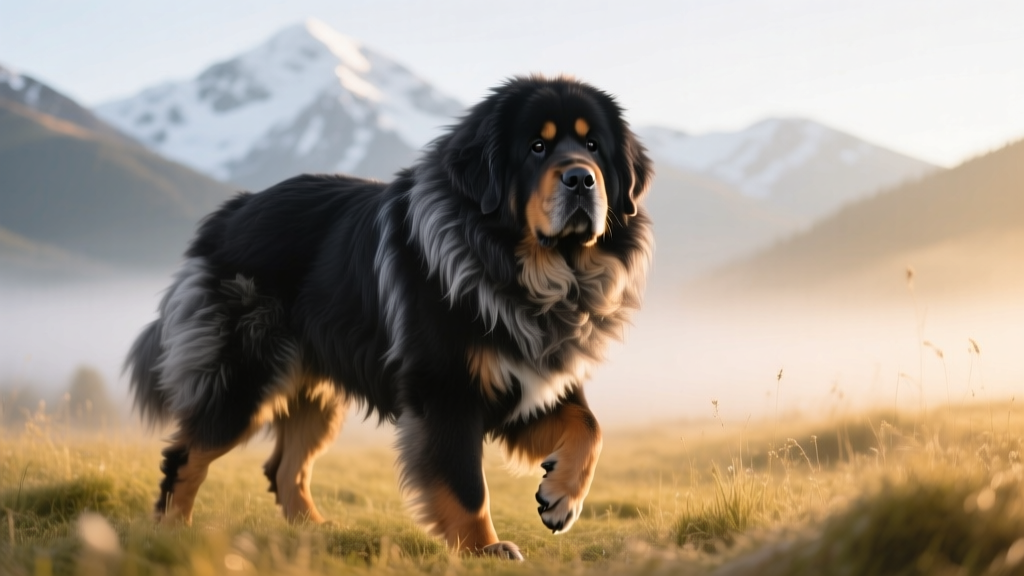
Heaviest Pitbull in the World: Breed Size Facts, Records & Care Guide
Discover the truth behind the heaviest pitbull in the world, realistic size ranges, health risks of oversized pit-type dogs, and expert care guidance.

The Search for the Heaviest Pitbull in the World
Search "heaviest pitbull in the world" and you'll find viral photos of massive, barrel-chested dogs labeled as pitbulls — some reportedly tipping the scales at 150, 170, even 200 pounds. The reality is more complicated, and understanding what's actually happening with these oversized dogs matters for anyone who loves the breed.
First, a critical clarification: "pitbull" is not a single recognized breed. It's an umbrella term that typically refers to the American Pit Bull Terrier (APBT), but is frequently applied to the American Staffordshire Terrier, Staffordshire Bull Terrier, American Bully, and various mixed-breed dogs with similar physical traits. The American Kennel Club (AKC) recognizes the American Staffordshire Terrier and the Staffordshire Bull Terrier — but notably does not recognize the APBT, which is registered through the United Kennel Club (UKC).
When people encounter a 150-pound dog labeled a "pitbull," they are almost always looking at an American Bully (specifically the XL or XXL variety), a Bully-cross mix, or a misidentified large-breed dog entirely. A legitimate, purebred American Pit Bull Terrier exceeding 85 pounds is extraordinarily uncommon and likely signals either mixed genetics or a serious weight management problem.
This article breaks down the real size data across pit-type breeds, examines the famous "record-breaking" dogs, and — most importantly — explains what extreme size means for a dog's health, lifespan, and daily care requirements.
Pit-Type Breed Size Comparison: What's Actually a Pitbull?
Before chasing world records, you need to know which breed you're actually looking at. Here's how the dogs commonly called "pitbulls" stack up against each other:
| Breed | Registry | Weight (lb / kg) | Height (in / cm) | Size Class | Lifespan |
|---|---|---|---|---|---|
| American Pit Bull Terrier | UKC | 30-85 lb / 14-39 kg | 17-21 in / 43-53 cm | Medium-Large | 12-16 years |
| American Staffordshire Terrier | AKC | 55-80 lb / 25-36 kg | 17-19 in / 43-48 cm | Medium-Large | 12-16 years |
| Staffordshire Bull Terrier | AKC / UKC | 24-38 lb / 11-17 kg | 14-16 in / 36-41 cm | Medium | 12-14 years |
| American Bully (Standard) | ABKC / UKC | 70-120 lb / 32-54 kg | 16-20 in / 41-51 cm | Large | 10-13 years |
| American Bully (XL) | ABKC | 90-150 lb / 41-68 kg | 20-23 in / 51-58 cm | Large-Giant | 8-12 years |
The dogs making headlines as the "heaviest pitbull" are almost exclusively American Bully XL or XXL dogs, or unregistered mixes with heavy Mastiff or Bulldog genetics. The original APBT was bred as a versatile working farm dog — athletic and agile, not a 150-pound heavyweight.
Famous Record-Holders: The Dogs Behind the Headlines
Several dogs have claimed the informal title of heaviest pitbull-type dog. Here's what the verifiable data actually shows:
Hulk (Dark Dynasty K9s): Perhaps the most famous dog labeled "the world's biggest pitbull," Hulk is an American Bully cross (reportedly part American Pit Bull Terrier, part American Bulldog) who weighed approximately 173-175 lb (78-79 kg) at his peak. Owned by Marlon and Lisa Grennan of New Hampshire, Hulk became a social media sensation. However, Hulk is not a purebred APBT — he's a deliberately bred Bully-cross. His extreme size has drawn criticism from veterinary professionals concerned about joint stress and shortened lifespan.
Various "XXL Bully" specimens: The American Bully breed has been pushed toward increasingly extreme sizes since its development in the 1980s-1990s. Some XXL Bully males have reportedly reached 180-200 lb, though these claims are often unverified by official weigh-ins and may involve dogs with significant Mastiff or other large-breed admixture.
Important context: No major kennel club or veterinary body maintains an official "heaviest pitbull" record. The Guinness World Records does not track heaviest dog by breed, as doing so could encourage deliberate overfeeding — a form of animal abuse. The heaviest dog ever recorded by Guinness was Zorba, an English Mastiff who weighed 343 lb (155.6 kg).
Temperament & Personality: What Pit-Type Dogs Are Actually Like
Regardless of whether you're looking at a 45-pound APBT or a 130-pound American Bully XL, pit-type dogs share a recognizable behavioral profile shaped by their shared terrier and bulldog ancestry. Here are the core traits:
1. Human-oriented and affectionate. Pit-type dogs are famously people-focused. The UKC breed standard for the APBT specifically notes that the breed is "noted for its love of children." This isn't generic loyalty — it's a breed that physically seeks contact, often trying to sit in laps despite weighing 70+ pounds. Expect your dog to follow you room to room and greet visitors with enthusiasm rather than suspicion.
2. High pain tolerance and tenacity. Originally bred for bull-baiting and later as catch dogs on farms, these dogs have a well-documented gameness — the willingness to persist through discomfort. This means your dog may not show obvious signs of injury or illness until a condition is advanced. It also means they can be remarkably stubborn during training if they've decided a task isn't worth their effort.
3. Dog-selective to dog-aggressive (variable). This is the trait that requires the most honest acknowledgment. Many APBTs display same-sex dog aggression, particularly as they mature (typically 1.5-3 years of age). This is a breed tendency, not a guarantee — individual variation is enormous — but it's why responsible owners of pit-type dogs are vigilant about introductions and often manage their dogs as "only dogs" or carefully matched pairs. The American Bully has been selectively bred for reduced dog aggression, though the trait hasn't been eliminated.
4. Energetic and play-driven. A properly exercised pit-type dog is a joy — enthusiastic about flirt poles, weight-pull activities, agility courses, and swimming. An under-exercised one becomes destructive, mouthy, and difficult to manage. These dogs don't just need a walk around the block; they need structured physical and mental work.
5. Intelligent but independent. Pit-type dogs learn quickly but aren't biddable in the way a Border Collie or Golden Retriever is. They'll figure out how to open your cabinets, escape your yard, or manipulate you into giving treats — but they may not reliably come when called if something more interesting is happening. Training requires high-value rewards and genuine engagement.
Physical Characteristics Beyond the Scale
For a standard American Pit Bull Terrier or American Staffordshire Terrier, here's what you should expect from a healthy, breed-standard adult:
| Trait | Specification |
|---|---|
| Weight (APBT) | 35-60 lb / 16-27 kg (females), 40-85 lb / 18-39 kg (males) |
| Weight (AmStaff) | 55-70 lb / 25-32 kg (females), 55-80 lb / 25-36 kg (males) |
| Height at withers | 17-21 in / 43-53 cm |
| Coat type | Short, smooth, single coat; stiff to the touch |
| Coat colors | All colors and patterns accepted; no disqualifying colors in UKC standard |
| Body build | Muscular, athletic; body slightly longer than tall |
| Head shape | Broad, wedge-shaped; pronounced cheek muscles; mesocephalic skull |
| Shedding | Low to moderate; seasonal increases |
A healthy pit-type dog should have a visible waist when viewed from above and ribs that are easily felt (but not seen) under a thin layer of muscle and fat. If you can't feel your dog's ribs without pressing firmly, the dog is overweight — regardless of breed.
Health Risks: Why Extreme Size Is a Serious Concern
The pursuit of the "heaviest pitbull" isn't just a curiosity — it has real medical consequences. Here are the breed-specific health conditions that affect pit-type dogs, with particular attention to how excessive weight amplifies every one of them:
| Condition | Prevalence / Risk Level | Impact of Excess Weight | Typical Treatment Cost |
|---|---|---|---|
| Hip Dysplasia | ~12-15% in APBTs (OFA data) | Severe — accelerates joint degeneration | $1,500-$6,000 per hip (surgery) |
| Demodectic Mange (Demodex) | Higher than breed average; genetic immune susceptibility | Moderate — obesity compromises immune function | $300-$1,500 (treatment course) |
| Cardiac Disease (Aortic Stenosis, Cardiomyopathy) | Elevated in Bully breeds; 5-8% estimated | Severe — forces heart to work harder | $500-$3,000 (diagnostics) + lifelong medication |
| Allergies (Atopic Dermatitis) | 30-40% of pit-type dogs affected | Moderate — inflammation worsened by obesity | $200-$800/year (management) |
| Cranial Cruciate Ligament (CCL) Tear | Common in muscular, active breeds | Severe — excess weight is primary risk factor | $2,000-$5,000 per knee (TPLO surgery) |
| Hypothyroidism | ~5-8% estimated | Moderate — contributes to weight gain cycle | $150-$400/year (lifelong medication) |
For oversized American Bully XL and XXL dogs specifically, add these concerns:
- Brachycephalic Obstructive Airway Syndrome (BOAS): Many XL Bullies have been bred with shorter muzzles and heavier builds, creating breathing difficulties. Listen for snoring, snorting, or exercise intolerance — these are not "normal" for the breed, they're signs of airway compromise.
- Reduced lifespan: While a standard APBT typically lives 12-16 years, XL Bullies averaging 120-150 lb often see lifespans of only 8-10 years. Giant size in dogs consistently correlates with shorter lifespans across all breeds.
- Heat stroke vulnerability: Heavy, muscular dogs with compromised airways overheat rapidly. Never exercise a large pit-type dog in temperatures above 80°F (27°C) without close monitoring, and always provide shade and cool water.
Exercise, Training & Daily Care Requirements
Pit-type dogs are working dogs by heritage. Their exercise needs are substantial, and meeting them is non-negotiable for behavioral health.
Exercise Needs by Size Category
| Dog Type | Daily Exercise | Recommended Activities | Caution Notes |
|---|---|---|---|
| APBT / AmStaff (30-85 lb) | 60-90 minutes/day | Running, agility, flirt pole, hiking, swimming, weight-pull | Avoid repetitive high-impact jumping before 18 months (growth plates) |
| American Bully Standard (70-120 lb) | 45-75 minutes/day | Brisk walks, tug games, structured play, scent work | Monitor for overheating; avoid exercise above 80°F / 27°C |
| American Bully XL/XXL (120-170+ lb) | 30-60 minutes/day | Moderate leash walks, shallow swimming, low-impact play | Joint stress is a major concern; avoid stairs, jumping, and running on hard surfaces |
Training Approach
Trainability rating for pit-type breeds: 7/10 — highly capable learners, but independent thinkers who need motivation.
The only training methods recommended for pit-type dogs are positive reinforcement and force-free (LIMA — Least Intrusive, Minimally Aversive) approaches. These dogs are sensitive despite their tough appearance, and aversive methods (shock collars, prong collars, alpha rolls) reliably damage the human-dog bond and can trigger fear-based aggression — the exact opposite of what you want with a powerful breed.
Specific training recommendations:
- Start socialization early: Between 8-16 weeks, expose your puppy to diverse people, environments, surfaces, and sounds. This window is critical and does not reopen.
- Leash manners are essential: A 70-pound dog that pulls is unmanageable. Train loose-leash walking using a front-clip harness (e.g., Ruffwear Front Range or Kurgo Tru-Fit) and reward-based methods starting at 8 weeks.
- Impulse control work: Practice "wait," "leave it," and settle exercises daily. These skills prevent door-dashing, counter-surfing, and reactive lunging.
- Canine Good Citizen (CGC) certification: Pursue this AKC title as a structured training goal. It provides a clear benchmark and is recognized by many landlords and insurance companies.
Grooming Requirements
One advantage of pit-type breeds is genuinely low-maintenance grooming:
| Task | Frequency | Tools Needed |
|---|---|---|
| Brushing | 1-2 times per week | Rubber curry brush (e.g., Kong ZoomGroom) or bristle brush |
| Bathing | Every 4-8 weeks (or as needed) | Oatmeal-based or hypoallergenic dog shampoo (prone to skin allergies) |
| Nail trimming | Every 2-4 weeks | Guillotine or scissor-style clippers; Dremel for thick nails |
| Ear cleaning | Every 2-4 weeks | Veterinary ear cleaner; cotton balls (never Q-tips) |
| Dental care | Daily brushing ideal; minimum 3x/week | Enzymatic dog toothpaste and finger brush |
| Skin fold care (Bully breeds) | 2-3 times per week | Unscented wipes; check for redness, odor, or moisture buildup |
Family Suitability: Kids, Pets, and Living Situations
With children: Well-socialized pit-type dogs are generally excellent with children — patient, sturdy, and playful. The UKC specifically describes the APBT as a breed that "loves children." However, no dog of any breed should be left unsupervised with young children. Teach children to respect the dog's sleep space and food bowl, and always model calm interaction. A 70-pound dog can accidentally knock over a toddler during play.
With other dogs: This is the area requiring the most management. Many pit-type dogs are dog-social as puppies but become dog-selective or dog-aggressive as they reach social maturity (1.5-3 years). Same-sex aggression is most common. Successful multi-dog households with pit-type breeds typically involve opposite-sex pairings, careful introductions, and never leaving dogs unsupervised together. If you already have a same-sex dog, a pit-type breed may not be the best addition.
With cats and small animals: Variable. Pit-type dogs have prey drive rooted in their terrier ancestry. Some live peacefully with cats (especially when raised together from puppyhood), while others will chase. Never assume a pit-type dog is safe with small animals unsupervised — their prey drive can activate unpredictably.
Apartment living: A standard APBT or AmStaff can adapt to apartment life if exercise needs are met (60-90 minutes of vigorous daily activity). However, pit-type dogs are often subject to breed restrictions by landlords, HOAs, and insurance companies. Before committing to a pit-type dog, verify that your housing and homeowner's/renter's insurance policy will cover the breed. Many major insurers maintain breed exclusion lists.
Cost of Ownership: Budgeting for a Pit-Type Dog
Pit-type dogs are relatively affordable to acquire but carry moderate ongoing costs, especially if breed-specific health issues emerge.
Acquisition Costs
| Source | Cost Range | Notes |
|---|---|---|
| Responsible breeder (APBT / AmStaff) | $1,000-$3,000 | Health-tested parents, UKC/AKC registration, take-back clause, early socialization |
| Responsible breeder (American Bully XL) | $2,500-$8,000+ | Higher prices for "designer" bloodlines; verify health testing — many Bully breeders do not OFA-test |
| Breed-specific rescue | $200-$500 | Organizations like Bad Rap, Pit Bull Rescue Central; dogs often already spayed/neutered and evaluated |
| Municipal shelter | $50-$200 | Pit-type dogs are among the most common breeds in US shelters |
Annual Care Costs
| Category | Annual Cost (Low) | Annual Cost (High) | Details |
|---|---|---|---|
| Food (quality kibble, 30 lb dog) | $400 | $900 | AAFCO complete & balanced; higher cost for allergy-friendly formulas |
| Food (quality kibble, 100+ lb Bully XL) | $800 | $1,800 | Significantly higher for large/giant dogs |
| Routine veterinary care | $500 | $1,200 | Annual exams, vaccines (DHPP, rabies, bordetella), heartworm prevention, flea/tick |
| Pet insurance | $480 | $1,200 | $40-$100/month; some insurers exclude pit-type breeds or charge higher premiums |
| Supplies & gear | $200 | $500 | Heavy-duty crate, harness, chew toys, leash, bed |
| Training classes | $150 | $600 | Group classes or private sessions; highly recommended for powerful breeds |
| Grooming | $100 | $300 | Mostly DIY; occasional professional nail trims |
Total first-year estimated cost: $2,500-$5,500 (including acquisition, supplies, and initial veterinary setup). Ongoing annual cost: $1,800-$4,500 depending on dog size, health status, and insurance coverage.
Is This Breed Right for First-Time Owners?
For a standard APBT or American Staffordshire Terrier: conditionally yes, provided the first-time owner is committed to structured training, daily exercise (minimum 60 minutes), and proactive socialization. These dogs are forgiving of novice mistakes if the owner is engaged and willing to learn. However, for an XL Bully or any oversized pit-type dog: not recommended for first-time owners. The combination of extreme size, potential health complications, breed-specific legislation, and higher costs makes these dogs a poor match for someone still learning basic dog ownership.
Frequently Asked Questions
Who holds the record for the heaviest pitbull in the world?
There is no officially sanctioned record. The most famous dog claimed as the "heaviest pitbull" is Hulk, an American Bully cross from Dark Dynasty K9s, who weighed approximately 173-175 lb (78-79 kg). Hulk is not a purebred American Pit Bull Terrier — he's a Bully-cross, which is a fundamentally different breed type.
How much does a real American Pit Bull Terrier weigh?
A healthy, breed-standard APBT weighs 30-85 lb (14-39 kg), with most males in the 40-60 lb range and females in the 35-50 lb range. Any APBT significantly over 85 lb is either misidentified, mixed with larger breeds, or overweight.
Is a 150-pound pitbull healthy?
A 150-pound dog identified as a "pitbull" is almost certainly an American Bully XL/XXL or a mix — not a purebred APBT. At that weight, the dog faces elevated risks of hip dysplasia, cardiac disease, cruciate ligament tears, and heat intolerance. Lifespan is typically reduced to 8-10 years. Consult your veterinarian for a thorough health assessment including cardiac screening and orthopedic evaluation.
How much exercise does a pit-type dog need daily?
A standard APBT or American Staffordshire Terrier needs 60-90 minutes of vigorous daily exercise — running, agility, flirt pole, or structured play. American Bully XL dogs need 30-60 minutes of moderate, low-impact activity to protect their joints. All pit-type dogs benefit from mental stimulation (scent work, puzzle toys, training sessions) in addition to physical exercise.
Are pit-type dogs good with children?
Well-socialized pit-type dogs are typically excellent with children — patient, affectionate, and sturdy. The UKC breed standard notes the APBT's love of children. However, always supervise interactions between dogs and young children, and teach kids to respect the dog's boundaries. A 70-pound dog can accidentally injure a toddler through exuberant play.
How much does it cost to buy and maintain a pit-type dog?
Acquisition costs range from $50 (shelter) to $8,000+ (designer Bully bloodlines), with responsible breeders of APBTs and AmStaffs typically charging $1,000-$3,000. Annual care costs run $1,800-$4,500 including food, veterinary care, insurance, supplies, and training. First-year costs including acquisition typically total $2,500-$5,500.
Sources consulted: AKC American Staffordshire Terrier Breed Standard, UKC American Pit Bull Terrier Breed Standard, AVMA Position on Breed-Specific Legislation, Orthopedic Foundation for Animals (OFA) breed health statistics, Merck Veterinary Manual.
Robin Maitland
All our authors care for dogs every day — read more of their work on the authors page.