Tibetan Mastiff: Complete Breed Profile, Care & Cost Guide
Explore the Tibetan Mastiff breed profile covering temperament, health risks, exercise needs, grooming, and true ownership costs for this giant guardian.
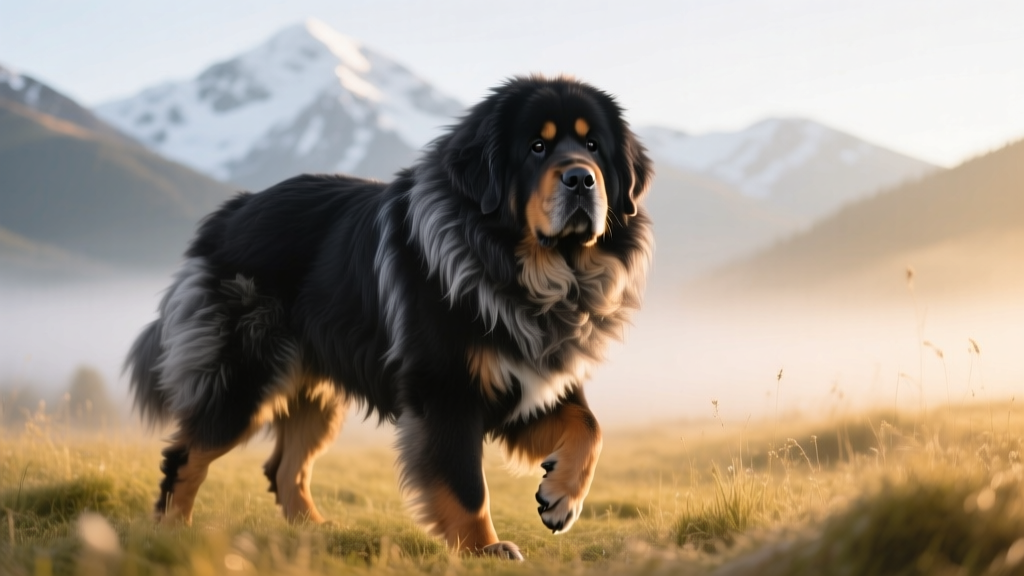
Breed Overview: The Guardian of the Himalayas
The Tibetan Mastiff is a giant-class livestock guardian dog originating from the high-altitude nomadic cultures of Tibet, Nepal, Mongolia, and northern China. Historically, these dogs were tethered during the day and released at night to protect villages, monasteries, and yak herds from snow leopards, wolves, and bears. Records of dogs matching the Tibetan Mastiff description date back to at least 1100 BC in Chinese historical texts, though genetic evidence suggests the lineage diverged from other domestic dogs roughly 5,000 years ago — making it one of the oldest identifiable breeds on Earth.
Today's Tibetan Mastiff retains the independent, watchful temperament of its ancestors. This is not a breed that seeks constant direction or approval. They think for themselves, make their own assessments about threats, and bond deeply — but quietly — with their families. According to the American Kennel Club breed standard, the Tibetan Mastiff is "independent, reserved, and highly intelligent."
| Attribute | Details |
|---|---|
| Weight (Male) | 90–150 lb / 41–68 kg |
| Weight (Female) | 70–120 lb / 32–54 kg |
| Height (Male) | 26–30 inches / 66–76 cm at shoulder |
| Height (Female) | 24–28 inches / 61–71 cm at shoulder |
| Lifespan | 10–12 years |
| Coat Type | Double coat — long, coarse guard hair with dense, soft undercoat |
| Energy Level | Low to moderate |
| Grooming | Weekly brushing; daily during seasonal blow (spring/fall) |
| Family Fit | Best with experienced owners, older children, fenced yard |
Temperament & Personality: What Living With a Tibetan Mastiff Is Really Like
Tibetan Mastiffs are frequently misunderstood because their temperament doesn't match what most people expect from a "family dog." Here are the core behavioral traits you'll encounter daily:
1. Independent decision-making. Unlike retrievers or shepherds that look to you for direction, a Tibetan Mastiff evaluates situations on their own. If they determine something isn't a threat, they may ignore your recall command entirely — not out of defiance, but because they've concluded there's no reason to move. This independence is a survival trait from centuries of solo night-guarding.
2. Nocturnal vigilance. Many Tibetan Mastiffs are naturally more alert and active at night. You may find your dog sleeping deeply during the day and then pacing, barking, or patrolling from dusk until dawn. This is breed-typical behavior, not a sleep disorder. In apartment settings, nighttime barking is often the reason owners surrender this breed.
3. Reserved with strangers. A Tibetan Mastiff will not rush to greet visitors. They typically position themselves between their owner and an unfamiliar person, observe silently, and only relax once they've assessed the situation. They are not aggressive without cause, but they will not tolerate roughhousing or unfamiliar people grabbing at them.
4. Quiet bonding. This breed shows affection through proximity rather than exuberance. Your Tibetan Mastiff is likely to sit in the same room as you, lean against your leg, or follow you from room to room without demanding petting or play. They are intensely loyal to their family unit but express it through protective presence rather than physical clinginess.
5. Same-sex aggression potential. Particularly among males, Tibetan Mastiffs can show dog-directed aggression toward other large, same-sex dogs. This is well-documented in breed literature and is not something that socialization always overrides. Early, ongoing exposure to other dogs is essential, but owners should plan for the possibility that their Tibetan Mastiff may never be comfortable at off-leash dog parks.
Pros
- Exceptionally loyal family guardian
- Low exercise needs relative to size
- Quiet indoors when properly stimulated
- Clean and cat-like in self-grooming habits
- Long lifespan for a giant breed (10–12 years)
Cons
- Not suitable for first-time dog owners
- Heavy shedding — "blows coat" once or twice yearly
- Prone to nighttime barking
- Independent streak makes obedience training slow
- Not reliably safe at off-leash dog parks
- High purchase price and food costs
Physical Characteristics: Size, Coat, and Build
The Tibetan Mastiff is a heavily boned, muscular giant breed with a body slightly longer than it is tall. Males stand 26–30 inches (66–76 cm) at the shoulder and typically weigh 90–150 lb (41–68 kg). Females are somewhat smaller at 24–28 inches (61–71 cm) and 70–120 lb (32–54 kg). Some males from European and American lines have been recorded exceeding 160 lb (73 kg), though this is above the breed standard and raises joint-health concerns.
The coat is one of the breed's most distinctive features. It is a true double coat: the outer guard hairs are long, straight, and coarse to the touch, while the undercoat is dense, woolly, and soft. Males carry significantly more coat than females, including a pronounced mane around the neck and shoulders that gives the breed its lion-like appearance. The tail is heavily feathered and curls over the back.
Accepted coat colors per the AKC standard include black, brown, blue/gray, and various shades of gold, all with or without tan markings. White markings may appear on the chest, feet, and tail tip, but a solid white coat is not standard. The eyes are deep-set, almond-shaped, and dark brown — an adaptation to the intense glare of high-altitude snow.
Exercise & Activity Needs
Despite their imposing size, Tibetan Mastiffs have surprisingly moderate exercise requirements. They are not endurance athletes and do not need — or benefit from — long-distance running or high-impact activity, especially during their extended growth period (they may not reach full skeletal maturity until 3–4 years of age).
Daily exercise recommendation: 30–45 minutes total, split into two sessions.
| Activity | Duration | Notes |
|---|---|---|
| Morning leash walk | 15–20 minutes | Moderate pace; avoid hot pavement |
| Evening leash walk or yard patrol | 15–20 minutes | Allows natural sniffing and territory-checking |
| Mental enrichment | 10–15 minutes | Puzzle feeders, scent work, hide-and-seek games |
| Free yard time | As available | Fenced yard strongly recommended; minimum 5-foot fence |
Activities to avoid: Jogging or biking alongside the dog (joint stress), forced stair-climbing for puppies under 18 months, and prolonged exercise in temperatures above 75°F (24°C) — their dense undercoat makes them highly susceptible to heat exhaustion.
Health Issues: What Tibetan Mastiff Owners Need to Monitor
Tibetan Mastiffs are generally robust for a giant breed, with a lifespan of 10–12 years that exceeds many breeds of comparable size. However, several hereditary conditions are documented at meaningful prevalence rates. Always consult your veterinarian for breed-appropriate screening, and ask any breeder for OFA (Orthopedic Foundation for Animals) or PennHIP certifications on both parents.
| Condition | Description | Prevalence / Notes |
|---|---|---|
| Hip Dysplasia | Malformation of the hip joint causing arthritis and pain | OFA data shows ~14% of tested Tibetan Mastiffs rated dysplastic; request parent scores |
| Elbow Dysplasia | Abnormal elbow joint development leading to lameness | Less common than hip dysplasia but present in the breed; OFA screening recommended |
| Hypothyroidism | Underactive thyroid causing weight gain, lethargy, coat thinning | Notable prevalence; annual thyroid panel advised from age 2 onward |
| Entropion / Ectropion | Eyelids rolling inward or outward, causing irritation and corneal damage | Seen in some lines; CERF/OFA eye exam recommended before breeding |
| Canine Inherited Demyelinative Neuropathy (CIDN) | Progressive nerve degeneration causing rear-limb weakness, typically onset 6–12 weeks | Rare but devastating; DNA test available — ask breeder for clearance |
Because Tibetan Mastiffs are a giant breed, owners should also be aware of gastric dilatation-volvulus (GDV, or bloat) — a life-threatening stomach torsion that can kill within hours. Feeding 2–3 smaller meals per day rather than one large meal, avoiding vigorous exercise within 1 hour of eating, and knowing the signs (distended abdomen, unproductive retching, restlessness) are critical preventive measures. Discuss prophylactic gastropexy with your veterinarian if you're spaying/neutering.
- Distended or hard abdomen with unproductive vomiting (bloat emergency)
- Sudden rear-limb weakness or dragging in a puppy (possible CIDN)
- Persistent lameness lasting more than 48 hours
- Rapid, unexplained weight gain with lethargy and coat changes (thyroid)
- Squinting, excessive tearing, or visible third eyelid (eye condition)
Grooming Requirements
The Tibetan Mastiff's double coat requires consistent maintenance, though not as much daily effort as some long-haired breeds. Here is a realistic grooming schedule:
| Task | Frequency | Tools Needed |
|---|---|---|
| Full-body brush-out | 2–3 times per week | Long-pin slicker brush, undercoat rake |
| Seasonal coat blow (spring/fall) | Daily for 2–4 weeks | Undercoat rake, de-shedding tool (e.g., Furminator for large breeds), high-velocity dryer |
| Bathing | Every 6–8 weeks or as needed | Large-breed dog shampoo, high-velocity dryer (air-drying a Tibetan Mastiff coat can take 24+ hours) |
| Nail trimming | Every 3–4 weeks | Guillotine or scissor-style clippers sized for large breeds; styptic powder |
| Ear cleaning | Weekly | Veterinary ear cleanser, cotton balls (never cotton swabs) |
| Teeth brushing | 2–3 times per week minimum | Dog-specific enzymatic toothpaste, finger brush or large-head toothbrush |
Important note: Never shave a Tibetan Mastiff's coat. The double coat provides insulation against both cold and heat, and shaving disrupts the natural thermoregulation. Shaved coats may also grow back unevenly or fail to regrow properly (post-clipping alopecia).
Training & Intelligence
The Tibetan Mastiff is highly intelligent but scores low on traditional "obedience intelligence" rankings — the kind measured by how quickly a dog responds to commands on the first ask. This is not stupidity. It is a breed that was selected for thousands of years to make independent decisions without human input. Asking a Tibetan Mastiff to "sit" when they see no reason to sit is asking them to override their core genetic programming.
Trainability rating: 3/10 for competitive obedience, 7/10 for household manners and socialization.
Effective training strategies for this breed include:
- Positive reinforcement only. Food rewards, praise, and access to preferred activities (like yard patrol time) work well. Harsh corrections, prong collars, shock collars, and alpha rolls will destroy your relationship with this breed and may trigger defensive aggression.
- Short, varied sessions. 5–10 minutes maximum. Tibetan Mastiffs bore quickly with repetition and will simply disengage.
- Prioritize socialization over obedience. Between 8 and 20 weeks of age, expose your puppy to at least 100 different people, surfaces, sounds, and environments. A well-socialized Tibetan Mastiff is manageable; an under-socialized one is a liability.
- Teach a reliable recall early. Use high-value rewards (real meat, freeze-dried liver) and practice in low-distraction environments before adding difficulty. Never call your dog for something they perceive as negative (bath, nail trim) without a high-value reward afterward.
- Accept "good enough." A Tibetan Mastiff who comes when called 80% of the time and doesn't pull on leash is a well-trained specimen of this breed. Do not compare them to Border Collies or German Shepherds.
Family Suitability: Kids, Other Pets, and Living Spaces
With children: Tibetan Mastiffs are generally patient and protective of children within their own family. However, they are not "playmate" dogs and do not tolerate roughhousing, ear-pulling, or tail-grabbing. They are best suited to homes with children aged 8 and older who understand how to interact respectfully with a large dog. The dog's sheer size (a 130-lb dog can accidentally knock over a toddler by leaning) is a practical concern regardless of temperament.
With other pets: Tibetan Mastiffs can coexist with cats and smaller dogs they are raised alongside. Introducing a new pet into a home with an established adult Tibetan Mastiff requires careful, gradual management. Same-sex dog aggression is a genuine concern, particularly between intact males. Neutering/spaying reduces but does not eliminate this tendency.
Apartment living: While some Tibetan Mastiffs are calm enough indoors to physically fit in an apartment, this is not an ideal breed for apartment life. Nighttime barking (a breed trait), the need for a secure outdoor patrol space, and the sheer amount of shedding make them better suited to a house with a fenced yard. If you must keep one in an apartment, plan for a minimum of two structured leash walks daily and invest in white-noise machines for neighbors.
Cost of Ownership: Purchase Price and Annual Budget
The Tibetan Mastiff is one of the more expensive breeds to acquire and maintain, both due to purchase price and the ongoing costs associated with a giant dog.
| Expense Category | Estimated Cost (USD) | Frequency |
|---|---|---|
| Puppy from responsible breeder | $2,500–$6,000 | One-time |
| Adoption/rescue (if available) | $300–$800 | One-time |
| High-quality large-breed food (e.g., Orijen Large Breed, Royal Canin Giant) | $80–$150/month | Monthly |
| Routine veterinary care (exams, vaccines, heartworm, flea/tick) | $600–$1,200/year | Annual |
| Pet insurance (accident + illness) | $60–$120/month | Monthly |
| Professional grooming (if outsourced) | $80–$150/session | Every 6–8 weeks |
| Initial supplies (crate, bed, leash, bowls, fencing) | $500–$1,500 | One-time (first year) |
| Estimated First-Year Total | $5,500–$12,000 | |
| Estimated Annual Ongoing Cost | $2,500–$5,000 |
Note on "world record" pricing: You may see reports of Tibetan Mastiffs selling for $1.5 million or more in China during the mid-2000s–2010s bubble. That market has since collapsed, and those prices were speculative and largely fraudulent. Real-world pricing from reputable breeders in the US and Europe falls within the $2,500–$6,000 range.
Frequently Asked Questions
Is the Tibetan Mastiff right for first-time dog owners?
No. The Tibetan Mastiff is strongly recommended only for experienced owners who have previously handled large, independent guardian breeds. Their combination of size, stubbornness, protective instinct, and low obedience-drive makes them extremely challenging for someone without prior dog-handling experience. If you're a first-time owner drawn to giant breeds, consider a more biddable option like a Leonberger or Newfoundland.
How much exercise does a Tibetan Mastiff need daily?
30–45 minutes total per day, split into two moderate-paced leash walks of 15–20 minutes each, supplemented with mental enrichment (puzzle toys, scent games). They do not need — and should not be forced into — high-intensity or long-duration exercise. Avoid jogging with your Tibetan Mastiff, especially before age 3 when growth plates are still closing.
What health problems is the Tibetan Mastiff prone to?
The most significant breed-specific concerns are hip dysplasia (~14% prevalence per OFA data), hypothyroidism, elbow dysplasia, eyelid abnormalities (entropion/ectropion), and the rare but serious Canine Inherited Demyelinative Neuropathy (CIDN). Giant-breed risks like gastric dilatation-volvulus (bloat) also apply. Annual veterinary screening including hip/elbow X-rays, thyroid panels, and eye exams is recommended.
How big does a Tibetan Mastiff get?
Adult males typically stand 26–30 inches (66–76 cm) at the shoulder and weigh 90–150 lb (41–68 kg). Females stand 24–28 inches (61–71 cm) and weigh 70–120 lb (32–54 kg). They are slow-maturing and may not reach their full adult size until age 3–4.
Is the Tibetan Mastiff good with children and other pets?
They are protective and patient with children in their own family, but are best matched with children aged 8+ who understand respectful dog interaction. They can coexist with cats and smaller dogs they are raised with, but same-sex dog aggression (especially male-to-male) is common. Off-leash dog parks are not recommended for this breed.
How much does a Tibetan Mastiff cost to buy and maintain?
Expect to pay $2,500–$6,000 for a puppy from a responsible breeder with health-tested parents. First-year total costs (puppy + supplies + food + vet care) typically range from $5,500 to $12,000. Ongoing annual costs (food, veterinary, insurance, grooming) run $2,500–$5,000 per year. Budget for emergency veterinary care or invest in pet insurance — a single GDV surgery can cost $3,000–$7,000.
For further reading, consult the Merck Veterinary Manual breed overview and the AKC Tibetan Mastiff page for the official breed standard and breeder referral resources.
Dr. Hannah Wickes
All our authors care for dogs every day — read more of their work on the authors page.


