Great Pyrenees German Shepherd Mix: Complete Breed Guide
Everything about the Great Pyrenees German Shepherd mix — size, temperament, coat types, health risks, costs.

The Great Pyrenees German Shepherd mix — sometimes called a Pyrenees Shepherd or German Pyrenees — combines two large, intelligent working breeds with deep livestock-guarding and herding roots. This is not a casual family dog. Both parent breeds were developed for independent decision-making, territorial awareness, and physical endurance, and those traits surface in various combinations in every litter. If you're researching this cross, you need honest data about size variability, coat outcomes, temperament unpredictability, and the health conditions that can follow either parent line. This guide covers what we know from breed standards, veterinary genetics, and real-world owner experience.
Parent Breed Breakdown: What Each Side Brings
Before estimating what a Great Pyrenees German Shepherd mix might look like, you need to understand the two foundation breeds. The AKC Great Pyrenees standard describes a calm, patient guardian bred to protect flocks in the mountainous border region between France and Spain. The AKC German Shepherd standard describes a driven, trainable herding and working dog developed in late-19th-century Germany. These are fundamentally different working styles, and the mix inherits traits from both ends of the spectrum.
| Trait | Great Pyrenees | German Shepherd |
|---|---|---|
| AKC Group | Working | Herding |
| Weight Range | 85–100+ lb (39–45+ kg) | 50–90 lb (23–41 kg) |
| Height at Shoulder | 25–32 in (64–81 cm) | 22–26 in (56–66 cm) |
| Original Function | Livestock guardian | Herding, protection, general working |
| Energy Level | Low to moderate — bursts of activity | High — sustained endurance |
| Trainability | Independent; responds to motivation | Highly biddable; eager to work |
| Barking Tendency | High — vocal guardian | Moderate to high |
| Coat | Double coat, weather-resistant, white | Double coat, medium or long, varied colors |
| Life Expectancy | 10–12 years | 7–10 years |
The practical implication: your mixed-breed puppy could inherit the Pyrenees' independent streak and nocturnal barking habits, the German Shepherd's high drive and handler focus, or any blend in between. Neither outcome is a defect — they're both predictable possibilities from the genetic lottery.
Size, Weight, and Growth Variability
One of the most common questions from prospective owners: how big will a Great Pyrenees German Shepherd mix get? The honest answer is a wide range. Because the parent breeds differ by 30–50 lb (14–23 kg) in mature weight, individual puppies within the same litter can mature to significantly different sizes.
| Measurement | Low End | High End |
|---|---|---|
| Weight (lb) | 65 lb (29 kg) | 120 lb (54 kg) |
| Weight (kg) | 29 kg | 54 kg |
| Height at Shoulder | 23 in (58 cm) | 30 in (76 cm) |
| Time to Full Maturity | 18 months | 24–30 months |
Most individuals land between 80–105 lb (36–48 kg), but outliers in both directions occur regularly. Males tend toward the upper range; females cluster lower. Growth plates in giant and large breeds close slowly — expect this mix to continue filling out through 24 months, with some Pyrenees-dominant dogs still adding chest width past 30 months. Plan your crate, vehicle space, and feeding budget around a 100 lb (45 kg) adult to avoid being caught short.
Coat Types, Shedding, and Grooming Reality
Both parent breeds carry double coats — a dense undercoat beneath a longer guard-hair topcoat — so virtually every Great Pyrenees German Shepherd mix will have a double coat requiring serious maintenance. However, coat length, texture, and color vary considerably.
This mix is not hypoallergenic and is not low-shedding. Expect moderate daily shedding with intense seasonal coat blows (typically spring and fall) lasting 2–4 weeks each. During blow periods, you may pull enough undercoat to fill a grocery bag. If anyone in your household has dog allergies, this cross is a poor fit.
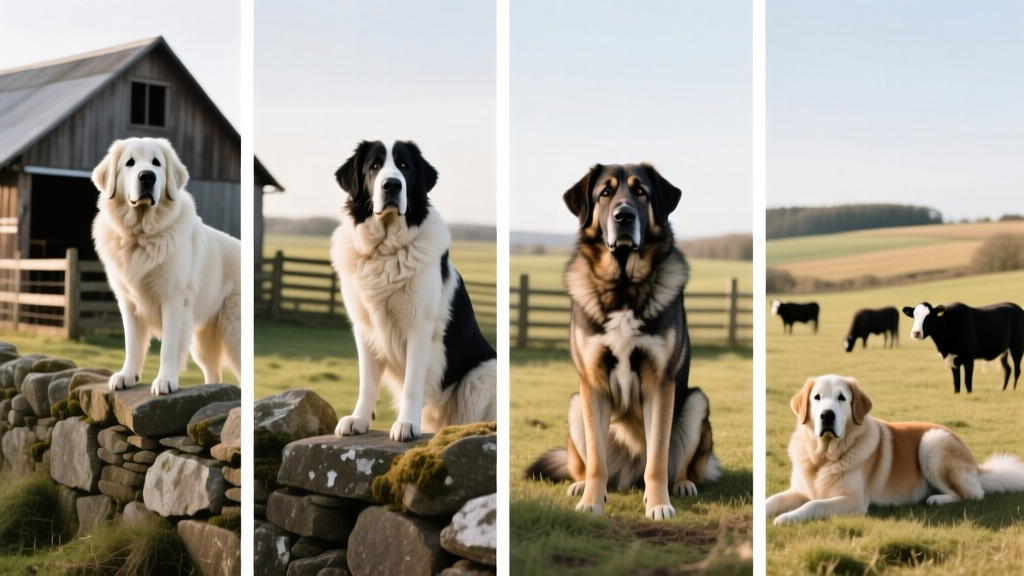
Coat color possibilities include white (Pyrenees-dominant), black and tan (GSD-dominant), sable, cream, badger-marked (white with colored patches on the head and body — a classic Pyrenees pattern), or mixed combinations. Coat texture ranges from the Pyrenees' slightly wavy, longer outer coat to the GSD's shorter, straighter guard hairs. Some individuals inherit a longer GSD coat (the recessive long-coat gene) combined with Pyrenees density, producing an exceptionally high-maintenance coat.
Grooming schedule for this mix:
- Brushing: Minimum 3–4 times per week with an undercoat rake and slicker brush. Daily during seasonal blows.
- Professional grooming: Every 8–12 weeks for sanitary trims, nail care, and thorough de-shedding — budget $60–$120 per session depending on coat condition and your region.
- Bathing: Every 6–8 weeks or as needed. Over-bathing strips natural oils from the double coat and can cause skin dryness.
- Never shave a double-coated dog. Shaving disrupts thermoregulation and the coat may never regrow correctly — a condition called post-clipping alopecia.
Temperament: Best-Case and Challenging Scenarios
Temperament is where the genetic lottery matters most. Both parent breeds are intelligent, loyal, and protective, but they express those traits differently. The Pyrenees guards by patrolling, barking, and positioning itself between the perceived threat and the flock. The German Shepherd guards by engaging, pursuing, and responding to handler direction. A mix can inherit either style, a blend, or — in challenging cases — the intensity of both without the off-switch of either.
The dog inherits the Pyrenees' calm, steady demeanor around family and the German Shepherd's trainability and attentiveness. Result: a large, gentle companion that is watchful without being reactive, trainable with positive reinforcement, and tolerant of children and household activity. This dog settles indoors, exercises willingly, and barks to alert but quiets when acknowledged.
The dog inherits the Pyrenees' nocturnal barking, territorial independence, and wariness of strangers combined with the German Shepherd's high drive, reactivity, and handler-guarding tendency. Result: a 100 lb dog that barks incessantly at night, lunges at visitors, resists recall, and becomes difficult to manage on leash. This scenario is manageable with professional positive-reinforcement training but requires an experienced owner who understands counter-conditioning and desensitization protocols.
Key temperament considerations for families:
- Children: Generally good with children in their own family, but the size alone makes this mix risky around toddlers. A 90 lb dog can knock over a small child accidentally. Supervision is non-negotiable.
- Other pets: Early socialization is critical. Pyrenees were bred to live with livestock, so cohabitation with other animals is often fine if introduced young. German Shepherds can have higher prey drive, particularly toward cats and small dogs. The mix is unpredictable here.
- Strangers: Expect aloofness at minimum. Neither parent breed is naturally gregarious with unfamiliar people. Early, ongoing socialization (positive exposures to diverse people, environments, and situations through 16 weeks and continuing through maturity) reduces the risk of fear-based reactivity.
- Barking: Both breeds bark. The Pyrenees is notoriously vocal, especially at night — a trait that evolved to deter nocturnal predators. If you live in close-proximity housing (apartments, townhomes, dense suburbs), this mix will create neighbor complaints.
Health Considerations: Hybrid Vigor Myth vs. Reality
Let's address a widespread misconception: the idea that mixed-breed dogs automatically enjoy "hybrid vigor" — a blanket immunity from inherited disease. This is not how canine genetics works. Hybrid vigor (more accurately called heterosis) can reduce the risk of recessive conditions that require two copies of a defective gene. But many serious conditions affecting both parent breeds are polygenic (influenced by multiple genes) or involve dominant inheritance patterns. A crossbreed can inherit any condition that either parent breed carries.
| Condition | Parent Breed Source | Prevalence / Notes |
|---|---|---|
| Hip Dysplasia | Both — highly prevalent in GSDs | OFA data shows ~19% of GSDs and ~12% of Great Pyrenees rated dysplastic. Ask breeders for OFA or PennHIP certifications on both parents. |
| Elbow Dysplasia | Both | Less common than hip dysplasia but present in both breeds. OFA elbow screening recommended. |
| Degenerative Myelopathy (DM) | German Shepherd | Progressive spinal cord disease causing rear-limb weakness, typically onset 8+ years. DNA test available — both parents should be tested or proven clear. |
| Gastric Dilatation-Volvulus (Bloat) | Both — deep-chested large breeds | Life-threatening emergency. Know the signs: unproductive retching, distended abdomen, restlessness. Discuss prophylactic gastropexy with your veterinarian if your dog has a deep chest conformation. |
| Osteosarcoma (Bone Cancer) | Great Pyrenees | Large and giant breeds carry elevated risk. Monitor for persistent lameness or swelling on limbs. |
| Exocrine Pancreatic Insufficiency (EPI) | German Shepherd | GSDs have one of the highest breed predispositions. Signs: chronic weight loss despite ravenous appetite, pale/greasy stools. Diagnosed via TLI blood test. |
| Hip/Shoulder OCD (Osteochondritis Dissecans) | Both — large, fast-growing breeds | Cartilage defect in growing puppies. Controlled growth rate and appropriate nutrition reduce risk. |
What responsible breeders should provide: OFA or PennHIP hip and elbow scores for both parent dogs, DM DNA test results (clear or carrier — never breed two carriers), cardiac evaluation, and ideally a thyroid panel. If a breeder cannot produce these documents, walk away. The cost of treating hip dysplasia surgery (total hip replacement runs $5,000–$7,500 per hip in 2026) far exceeds the price difference between a health-tested puppy and an untested one.
This guide provides general health information for educational purposes. It does not replace a veterinary exam. If your dog shows signs of lameness, persistent coughing, bloating, unexplained weight loss, or neurological changes, consult your veterinarian promptly. Early diagnosis significantly improves outcomes for most conditions listed above.
Generations, Breeding Types, and What They Mean
- F1 (First Cross): One purebred Great Pyrenees × one purebred German Shepherd. Maximum genetic diversity, but highest trait variability — puppies in the same litter may look and behave very differently.
- F1B (Backcross): An F1 mix bred back to one of the parent breeds (e.g., F1 Pyrenees Shepherd × purebred GSD). Slightly more predictable traits leaning toward the backcross parent, but reduces genetic diversity.
- F2 (Second Generation): Two F1 mixes bred together. Highest unpredictability — Mendelian genetics means a wide spread of trait expression. Some puppies may strongly favor one grandparent breed.
- Multigen (F3+): Multiple generations of crossbreeding. Still not a standardized breed. Trait predictability improves only if the breeder has been selecting for specific characteristics over many generations — which is rare for this particular cross.
Most Great Pyrenees German Shepherd mixes available are F1 crosses. Unlike Poodle mixes (Labradoodles, Goldendoodles), this cross has not been developed into a standardized designer breed with established multigen lines. If a breeder advertises F2 or multigen Pyrenees Shepherds, ask detailed questions about their breeding goals and health testing across generations.
Cost Breakdown: Purchase Price and Annual Ownership
This is a large dog with large-dog expenses. Budget realistically before committing.
| Expense Category | Low Estimate | High Estimate |
|---|---|---|
| Puppy Purchase (health-tested breeder) | $800 | $2,500 |
| Adoption / Rescue Fee | $150 | $500 |
| Initial Vet Visit + Vaccines (first year) | $400 | $800 |
| Spay/Neuter (large breed) | $350 | $700 |
| Annual Food (large-breed formula, 50–70 lb bags) | $600 | $1,200 |
| Annual Preventive Medications (heartworm, flea/tick) | $200 | $450 |
| Grooming (professional, 4–6 sessions/year) | $240 | $720 |
| Pet Insurance (monthly premium) | $600/yr | $1,400/yr |
| Emergency Vet Fund (recommended reserve) | $1,000 | $3,000 |
First-year total cost estimate: $3,500–$7,500+ depending on purchase source, your region's veterinary costs, and whether you invest in pet insurance or a dedicated emergency fund. Annual ongoing costs after the first year typically range from $2,000–$4,500.
Finding this mix: Dedicated breeders of Great Pyrenees German Shepherd crosses are uncommon. Most available puppies come from small-scale or hobby breeders. Check breed-specific rescues — the Great Pyrenees Club of America and German Shepherd rescue networks occasionally take in mixes. Large-breed mix rescues and regional shelters also see this cross, particularly when owners underestimate the size, barking, or guarding behavior. Adoption is a legitimate and often excellent path for this mix, provided you can assess the individual dog's temperament before committing.
Who This Mix Suits Best — and Who Should Look Elsewhere
This cross is not a fit for every household. Based on the combined traits of both parent breeds, here's a practical framework for evaluating compatibility.
This mix is likely a good fit if you:
- Have prior experience with large, independent, or guardian-breed dogs
- Live in a rural or suburban home with a securely fenced yard (minimum 6-foot fence — both breeds can jump or climb)
- Can commit 60–90 minutes daily to structured exercise and mental enrichment
- Have space for a 80–120 lb dog in your home, vehicle, and lifestyle
- Are prepared for heavy shedding and regular grooming
- Understand positive reinforcement training and are willing to invest in professional training support during the first two years
- Don't have close neighbors who will be disturbed by barking
This mix is likely a poor fit if you:
- Are a first-time dog owner with no experience managing large, strong dogs
- Live in an apartment, condo, or attached housing with shared walls
- Work long hours away from home — both breeds are prone to separation distress and nuisance barking when under-stimulated
- Have very young children and no experience managing large dogs around kids
- Want a low-maintenance, low-shedding companion
- Prefer a dog that is naturally friendly with all strangers and dogs
Training and Socialization Essentials
Both parent breeds are intelligent, but they learn differently. The German Shepherd side typically responds eagerly to handler direction and excels with structured training. The Pyrenees side was bred to make independent decisions without human input — these dogs often ask "why?" before complying. Your mix may lean either direction, so training should be flexible and motivational.
Training approach: Use positive reinforcement exclusively — reward-based methods with food, toys, and praise. Force-free, LIMA (Least Intrusive, Minimally Aversive) methods are strongly recommended. Aversive tools like shock collars, prong collars, or alpha rolls are counterproductive with guardian breeds and can escalate fear-based reactivity or shut down a dog's willingness to engage.
Socialization timeline: The critical socialization window closes around 14–16 weeks. Begin structured positive exposures immediately: diverse people (ages, ethnicities, clothing, mobility aids), surfaces, sounds, other vaccinated dogs, and varied environments. Continue socialization through maturity (24–30 months) — guardian breeds mature slowly and benefit from ongoing positive experiences.
Priority training goals for this mix:
- Reliable recall (emergency stop) — critical for a dog this size
- Loose-leash walking — a 100 lb dog that pulls is unmanageable
- Quiet cue for barking management
- Impulse control around visitors and doorways
- Comfort with handling (grooming, nail trims, vet exams) — start this in puppyhood
Frequently Asked Questions
What two breeds make up the Great Pyrenees German Shepherd mix?
This cross combines the Great Pyrenees (a white livestock guardian from the France-Spain border mountains) and the German Shepherd Dog (a versatile herding and working breed from Germany). The result is a large, double-coated dog with guardian instincts and working intelligence.
How big will a Great Pyrenees German Shepherd mix get?
Most adults range from 65–120 lb (29–54 kg) and 23–30 inches (58–76 cm) at the shoulder. The typical range is 80–105 lb. Males tend larger. Full physical maturity takes 18–30 months.
What will the temperament be like?
Temperament varies widely between individuals. Expect a loyal, protective, intelligent dog that is devoted to its family and reserved with strangers. Trainability ranges from eager (GSD-dominant) to independent (Pyrenees-dominant). Early socialization and consistent positive reinforcement training are essential regardless of which temperament expression you get.
Is this mix hypoallergenic or low-shedding?
No. Both parent breeds are heavy-shedding double-coated dogs. This mix sheds moderately year-round and blows its coat heavily twice annually. It is not suitable for allergy sufferers.
What health issues might this mix inherit?
Key concerns include hip dysplasia, elbow dysplasia, degenerative myelopathy (from the GSD side), bloat (GDV), osteosarcoma (from the Pyrenees side), and exocrine pancreatic insufficiency (from the GSD side). Request OFA hip/elbow scores and DM DNA test results from breeders. Consult your veterinarian about a breed-appropriate health screening plan.
How much does a Great Pyrenees German Shepherd mix cost?
Puppy prices from health-tested breeders typically range from $800–$2,500. Rescue adoption fees run $150–$500. First-year ownership costs total $3,500–$7,500+ including veterinary care, food, supplies, grooming, and preventive medications.
Can this mix live with cats or other small pets?
It depends on the individual dog and early socialization. The Pyrenees side was bred to coexist with livestock, which can translate to tolerance of household pets. The GSD side may carry stronger prey drive. Introduce carefully, supervise always, and consult a certified positive-reinforcement trainer if you see any chasing or fixation behavior.
Is this mix good for first-time dog owners?
Generally, no. The combination of large size, guarding instincts, barking tendency, independent thinking, and high grooming needs makes this cross better suited to owners with prior experience managing large working or guardian breeds. A motivated first-time owner can succeed with dedicated professional training support, but the learning curve is steep.
Beth Carrasco
All our authors care for dogs every day — read more of their work on the authors page.