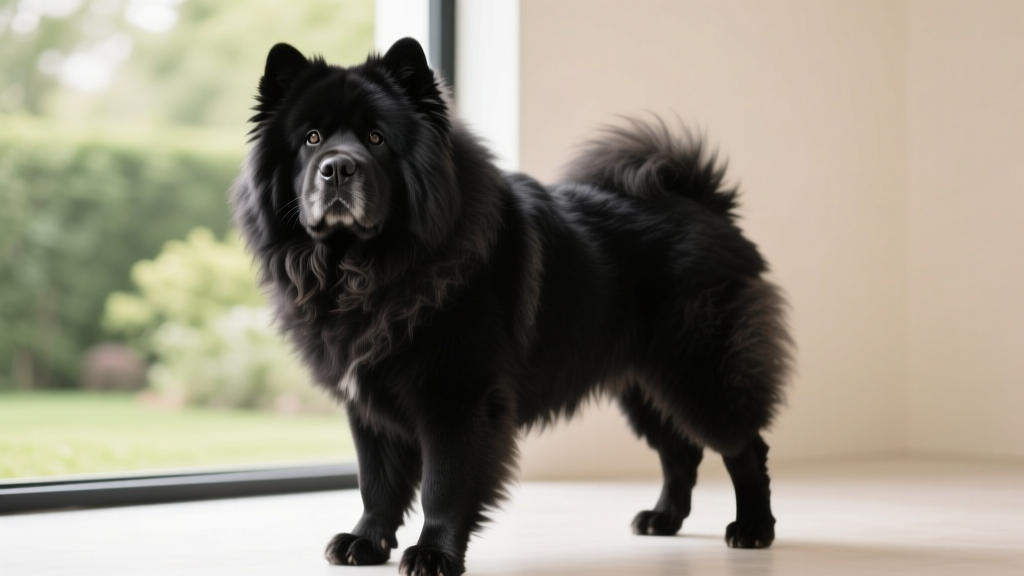
Golden Springer Spaniel: Breed Profile, Care & Health Guide
Discover the golden springer spaniel — a Golden Retriever and English Springer Spaniel mix.

What Is a Golden Springer Spaniel?
The golden springer spaniel is a designer crossbreed produced by pairing a Golden Retriever with an English Springer Spaniel. Sometimes called a "Springer Golden" or "Golden Springer," this mix blends two of the most popular sporting breeds in the United States. Both parent breeds belong to the AKC Sporting Group, which means the offspring typically inherit a strong retrieving instinct, a love of water, and an eagerness to work alongside their people.
Unlike purebred dogs with predictable breed standards, individual golden springer spaniels can lean heavily toward one parent or split traits evenly. You'll find variation in coat color, ear shape, body proportion, and even temperament depending on which genes dominate. That unpredictability is part of the appeal for many owners — but it also means prospective buyers should meet both parent dogs and review health clearances before committing to a puppy.
| Size Class | Medium to Large |
| Weight | 45–75 lb / 20–34 kg |
| Height | 18–24 in / 46–61 cm at the shoulder |
| Lifespan | 10–14 years |
| Coat Type | Medium-length, wavy to flat, water-resistant double coat |
| Coat Colors | Gold, cream, liver, black, liver-and-white, golden-and-white |
| Energy Level | High |
| Grooming Needs | Moderate to High (brushing 3–4×/week) |
| Best Family Fit | Active households with yard access; experienced or committed first-time owners |
Origin and Background of the Parent Breeds
To understand a golden springer spaniel, you need to understand the two breeds behind it.
Golden Retriever: Developed in the Scottish Highlands during the 1860s by Sir Dudley Marjoribanks (Lord Tweedmouth), the Golden Retriever was bred as a gundog capable of retrieving waterfowl over rugged terrain. The breed was created by crossing a Yellow Retriever with the now-extinct Tweed Water Spaniel, later adding Bloodhound and Irish Setter lines. Golden Retrievers were recognized by the AKC in 1925 and have consistently ranked among the top 5 most popular breeds in the U.S. for decades, according to AKC registration data.
English Springer Spaniel: One of the oldest sporting breeds, Springer Spaniels trace back to spaniel-type dogs in England as early as the 1500s, used to flush (or "spring") game birds from cover. The breed was formally distinguished from Cocker Spaniels by size in the late 19th century and gained AKC recognition in 1910. Springers remain popular field trial and hunt test competitors, prized for their endurance and bird-finding ability.
The golden springer spaniel cross likely emerged in the U.S. during the designer-dog wave of the 1990s and early 2000s. Because neither parent breed is rare, these crosses appear regularly, though no major kennel club recognizes them as a standardized breed. You'll find them registered with hybrid organizations like the American Canine Hybrid Club (ACHC) or the Designer Dogs Kennel Club (DDKC), but these registries track lineage rather than enforce breed standards.
Physical Characteristics: Size, Build, and Coat
The golden springer spaniel typically falls into the medium-to-large size range. Because Golden Retrievers average 55–75 lb (25–34 kg) and English Springer Spaniels average 40–55 lb (18–25 kg), the cross usually lands somewhere in the middle. Males tend to be larger, often reaching 55–75 lb (25–34 kg), while females commonly weigh 45–60 lb (20–27 kg).
Height at the shoulder generally ranges from 18 to 24 inches (46–61 cm). Dogs that inherit more Springer genetics tend toward the shorter, more compact end; those leaning Golden Retriever are taller and heavier-boned.
Coat: Expect a medium-length double coat with moderate feathering on the ears, chest, legs, and tail. The texture can range from the Golden Retriever's dense, water-repellent wave to the Springer's flatter, silkier finish. Most golden springer spaniels shed moderately year-round with heavier seasonal blows in spring and fall.
Color: Coat colors vary widely — gold and cream are common when the Golden Retriever genes dominate, while liver, liver-and-white, or black-and-white patterns appear when Springer genetics lead. Some individuals display roan ticking, a hallmark Springer trait.
Ears: Nearly all golden springer spaniels inherit pendant (drop) ears from both parent breeds. Ear length varies but typically extends to the jawline, making regular ear cleaning essential to prevent infections.
Temperament and Personality: What to Expect
Golden springer spaniels draw from two breeds renowned for sociability and trainability. Here are the core personality traits you can generally expect:
1. Highly Social and People-Oriented: Both Golden Retrievers and Springer Spaniels form intense bonds with their families. A golden springer spaniel will typically follow you from room to room, greet visitors enthusiastically, and struggle with long periods of isolation. Dogs left alone for 8+ hours daily are at elevated risk for separation anxiety — destructive chewing, excessive barking, and house-soiling are common signs.
2. Energetic and Play-Driven: This is not a couch dog. The sporting heritage on both sides means your golden springer spaniel will want to fetch, swim, hike, and work. Play sessions aren't optional — they're a behavioral necessity. Without adequate outlets, expect hyperactive indoor behavior, counter-surfing, and mouthing.
3. Biddable and Eager to Please: Golden Retrievers rank 4th in Stanley Coren's The Intelligence of Dogs for working/obedience intelligence, and Springer Spaniels rank 13th. The cross typically produces a dog that picks up commands quickly and responds well to positive reinforcement. Harsh corrections or aversive methods (shock collars, prong collars, alpha rolls) are counterproductive — these dogs shut down or become anxious under pressure.
4. Mouthy and Retrieve-Obsessed: Both parent breeds are natural retrievers. Your golden springer spaniel will likely carry objects — shoes, toys, socks, even your hand — in its mouth as a greeting behavior. This isn't aggression; it's a breed-typical soft-mouth trait. Redirect to appropriate chew toys and never punish the instinct.
5. Alert but Not Aggressive: Golden springer spaniels will bark to announce visitors or unusual sounds, but neither parent breed is known for protective aggression. These dogs are far more likely to lick an intruder than bite one. They make poor guard dogs but decent watchdogs for alerting purposes.
Strengths
- Exceptionally trainable with positive reinforcement methods
- Gentle and patient with children when properly socialized
- Versatile — excels in agility, obedience, dock diving, therapy work
- Strong off-leash recall potential with consistent training
- Adapts well to various living situations if exercise needs are met
Challenges
- High exercise requirements (60–90+ minutes daily)
- Prone to separation anxiety if left alone too long
- Heavy seasonal shedding; regular grooming is mandatory
- Strong prey drive toward birds and small animals
- Mouthiness can be overwhelming for families with toddlers
Exercise and Activity Requirements
A golden springer spaniel needs a minimum of 60 to 90 minutes of structured exercise per day. This is not a casual neighborhood walk situation — both parent breeds were built for all-day fieldwork, and the energy carries into the cross.
Here's a practical daily activity framework:
| Activity Type | Duration | Purpose |
|---|---|---|
| Brisk leash walk or jog | 30–45 minutes | Cardiovascular exercise, mental stimulation from new scents |
| Off-leash fetch or flirt pole | 15–20 minutes | High-intensity sprint work, retrieving instinct outlet |
| Swimming (seasonal) | 15–30 minutes | Low-impact full-body exercise; both breeds love water |
| Scent work or puzzle toys | 10–15 minutes | Mental fatigue — equally important as physical exercise |
| Training drills | 10–15 minutes | Reinforces obedience, provides structured mental engagement |
Activities that suit this cross exceptionally well: hiking, dock diving, agility, flyball, field trials, barn hunt, and canine freestyle. If you're a runner, a golden springer spaniel can build up to 3–5 mile jogs once fully mature (around 18 months — avoid repetitive high-impact exercise before growth plates close).
Apartment living note: A golden springer spaniel can live in an apartment, but only if you commit to multiple daily outings. A fenced yard is strongly preferred. Without one, plan for at least three outdoor trips per day totaling 90+ minutes, rain or shine.
Training and Intelligence
On a trainability scale of 1–10 (with 10 being the easiest to train), the golden springer spaniel typically scores an 8 or 9. Both parent breeds are highly responsive to reward-based training, and the cross inherits that cooperative temperament.
Recommended training approach: Use positive reinforcement exclusively — food rewards, toy rewards, and praise. Force-free, LIMA (Least Intrusive, Minimally Aversive) methods produce the best long-term results with this cross. These dogs are sensitive; punishment-based methods damage trust and can trigger fear-based reactivity.
Key training milestones:
- 8–12 weeks: Begin name recognition, sit, lure-based down, crate conditioning, and handling exercises
- 3–6 months: Leash walking foundations, recall in low-distraction environments, impulse control (leave-it, wait)
- 6–12 months: Proofing commands in high-distraction settings, adolescent energy management, continued socialization
- 12–18 months: Advanced obedience, introduction to dog sports if desired, Canine Good Citizen (CGC) prep
Common training pitfalls: The biggest mistake owners make is underestimating the mental stimulation requirement. A physically tired but mentally bored golden springer spaniel will invent its own entertainment — usually by raiding the trash, digging up the garden, or harassing the cat. Puzzle feeders, snuffle mats, frozen Kongs, and short training sessions throughout the day prevent these behaviors more effectively than simply adding more physical exercise.
Health Issues and Screening
As a crossbreed, the golden springer spaniel may benefit from hybrid vigor (heterozygote advantage), where genetic diversity reduces the likelihood of recessive inherited diseases. However, both parent breeds share predispositions to several conditions, meaning the cross is not immune. Always ask breeders for Orthopedic Foundation for Animals (OFA) or PennHIP clearances on both parent dogs.
| Condition | Description | Estimated Prevalence | Screening |
|---|---|---|---|
| Hip Dysplasia | Malformation of the hip joint causing arthritis and pain | ~15–20% in parent breeds | PennHIP or OFA hip evaluation |
| Elbow Dysplasia | Developmental abnormality of the elbow joint | ~10–12% in Golden Retrievers | OFA elbow evaluation |
| Progressive Retinal Atrophy (PRA) | Gradual degeneration of the retina leading to blindness | ~2–5% in Springers | CERF/OFA eye exam; DNA test available |
| Otitis Externa (Ear Infections) | Bacterial or yeast infections of the ear canal | Very common — 30–50% lifetime risk in drop-eared breeds | Regular visual inspection; vet swab if symptomatic |
| Hemangiosarcoma | Aggressive cancer of blood vessel lining, common in Golden Retrievers | ~20% of Golden Retriever deaths attributed to cancer broadly | No reliable screening; early detection via vet exams |
Additional conditions to monitor:
- Hypothyroidism: Autoimmune thyroiditis occurs in both breeds. Annual thyroid panels are recommended from age 4 onward.
- Allergies (atopic dermatitis): Environmental allergies cause itchy skin, ear infections, and paw licking. Both parent breeds are predisposed.
- Obesity: Golden Retrievers are notoriously food-motivated, and the cross often inherits this trait. Maintain a body condition score (BCS) of 4–5 out of 9 — you should be able to feel ribs easily without pressing hard.
When to consult your veterinarian promptly: Limping lasting more than 48 hours, sudden vision changes or night blindness, recurrent ear infections (3+ per year), unexplained weight loss, lumps that grow rapidly, or persistent lethargy. Early intervention significantly improves outcomes for orthopedic and oncologic conditions.
This article provides educational information and is not a substitute for professional veterinary advice. Always consult your veterinarian for diagnosis and treatment decisions specific to your dog.
Grooming Requirements
The golden springer spaniel's double coat requires consistent maintenance to prevent matting, control shedding, and keep skin healthy.
Brushing: Use a slicker brush and an undercoat rake 3–4 times per week. Focus on the feathering behind the ears, the chest, the back of the legs ("culottes"), and the tail. During spring and fall shedding seasons, daily brushing with a deshedding tool (such as the Furminator or an equivalent undercoat rake) significantly reduces loose hair around the home.
Bathing: Every 6–8 weeks with a dog-specific shampoo, or more frequently if the dog swims in ponds or lakes. Always dry the ears thoroughly after any water exposure — trapped moisture is the primary driver of otitis externa in drop-eared breeds.
Ear care: Clean ears weekly with a veterinarian-recommended ear cleanser (e.g., Epi-Otic Advanced or a similar non-irritating solution). Lift the ear flap, fill the canal, massage the base for 20 seconds, then allow the dog to shake. Wipe visible debris with a cotton ball — never insert cotton swabs into the ear canal.
Nail trimming: Every 3–4 weeks. Overgrown nails alter gait and contribute to joint stress, which is particularly problematic given the breed's hip and elbow dysplasia risk.
Dental care: Daily tooth brushing with enzymatic dog toothpaste is ideal. At minimum, aim for 3× per week. Dental chews (VOHC-approved products like Greenies or CET) supplement but do not replace brushing.
Family Suitability: Kids, Pets, and Living Situations
With children: Golden springer spaniels are generally excellent with children when raised with proper socialization and supervision. Both parent breeds are known for patience and gentleness. However, the mouthiness and high energy of a young golden springer can accidentally knock over toddlers during excited greetings. Teach children to interact calmly, avoid hugging the dog tightly (many dogs tolerate but don't enjoy this), and never approach the dog while eating or sleeping. Always supervise interactions between dogs and children under 10.
With other dogs: Typically very good. Both Golden Retrievers and Springers are social breeds that enjoy canine company. Early puppy socialization (exposure to diverse dogs between 8–16 weeks) sets the foundation. Doggy daycare can be an excellent outlet for a golden springer spaniel's social and exercise needs.
With cats and small animals: Moderate to variable. The Springer Spaniel's prey drive toward birds can extend to cats, rabbits, and other small pets, particularly if the dog wasn't raised alongside them. A golden springer spaniel raised with a household cat from puppyhood often coexists peacefully, but introducing an adult dog to a cat household requires careful counter-conditioning and management. Never leave the dog unsupervised with small pets until you're confident in the relationship.
Apartment living: Possible but challenging. The exercise demands are significant, and a bored, under-exercised golden springer spaniel in an apartment will vocalize and destroy property. If you live in an apartment, commit to a rigorous daily exercise schedule and invest in enrichment tools (food puzzles, lick mats, frozen stuffed toys).
Cost of Ownership
Understanding the financial commitment before bringing home a golden springer spaniel helps prevent surrender to shelters later. Here's a realistic cost breakdown based on 2026 pricing:
| Expense Category | Estimated Cost (USD) |
|---|---|
| Puppy purchase price (responsible breeder) | $800–$2,500 |
| Adoption/rescue fee (if available) | $200–$500 |
| First-year veterinary care (vaccines, spay/neuter, microchip) | $600–$1,200 |
| Annual veterinary care (wellness exam, vaccines, heartworm/flea prevention) | $500–$900/year |
| Food (premium kibble or balanced diet, 50–70 lb dog) | $600–$1,000/year |
| Grooming supplies and professional grooming (if used) | $200–$600/year |
| Training classes (puppy + basic obedience) | $200–$500 |
| Pet insurance (comprehensive plan, medium-large dog) | $50–$90/month ($600–$1,080/year) |
| Miscellaneous (toys, bedding, crate, leash, collar) | $300–$600 first year |
| Estimated first-year total | $3,800–$8,380 |
| Estimated annual ongoing cost | $1,800–$3,580/year |
Where to find a golden springer spaniel: Responsible breeders who health-test both parent dogs (OFA hips, elbows, eyes, and cardiac evaluations) are the safest source. Expect to pay $1,500–$2,500 for a puppy from tested parents. Breeders should provide a written health guarantee, take-back clause, and proof of health clearances you can verify on the OFA website. Alternatively, check Petfinder and breed-specific rescues for Golden Retriever or Springer Spaniel mixes — golden springer spaniels occasionally appear, and adoption fees are substantially lower.
Avoid: Puppy mills, backyard breeders advertising on social media without health testing, and pet stores. Puppies from these sources have significantly higher rates of inherited disease, behavioral problems, and undisclosed medical issues.
Frequently Asked Questions
Is the golden springer spaniel a good choice for first-time dog owners?
Yes, with caveats. The trainability and sociable nature of this cross make it more forgiving of beginner mistakes than many other sporting breeds. However, first-time owners must be prepared for the exercise commitment (60–90 minutes daily), the shedding, and the potential for separation anxiety. If you work long hours away from home or prefer a low-activity lifestyle, this is not the right breed for you — regardless of experience level.
How much exercise does a golden springer spaniel need each day?
Plan for 60 to 90 minutes of structured activity daily, combining physical exercise (walking, running, swimming, fetch) with mental stimulation (training, puzzle toys, scent work). Puppies under 12 months need shorter, more frequent play sessions to protect developing joints — roughly 5 minutes of structured exercise per month of age, twice daily.
What health problems are golden springer spaniels prone to?
The most significant concerns are hip dysplasia, elbow dysplasia, progressive retinal atrophy (PRA), ear infections (otitis externa), and certain cancers (particularly hemangiosarcoma, which is prevalent in Golden Retriever lines). Hypothyroidism and atopic allergies are also seen. Responsible breeding with health-tested parents reduces but does not eliminate these risks.
How big does a golden springer spaniel get?
Adult males typically weigh 55–75 lb (25–34 kg) and stand 20–24 inches (51–61 cm) at the shoulder. Females generally weigh 45–60 lb (20–27 kg) and stand 18–22 inches (46–56 cm). Individual size varies depending on which parent breed's genes are more dominant.
Are golden springer spaniels good with children and other pets?
They are generally excellent with children — patient, gentle, and playful. Supervision is important with toddlers due to the dog's size and mouthiness. With other dogs, socialization is key but the outlook is typically positive. With cats and small animals, results vary based on individual prey drive and early exposure.
How much does it cost to buy and maintain a golden springer spaniel?
Puppy prices from responsible breeders range from $800 to $2,500. Adoption fees for mixes range from $200 to $500. Expect to spend $3,800–$8,380 in the first year (including initial vet care, supplies, and food) and $1,800–$3,580 annually thereafter. Pet insurance is strongly recommended given the cancer and orthopedic risks inherited from both parent breeds.
Do golden springer spaniels shed a lot?
Yes. Both parent breeds are moderate to heavy shedders, and the cross inherits a double coat that sheds year-round with intense seasonal shedding in spring and fall. If you're looking for a hypoallergenic or low-shedding dog, this is not the right breed. Regular brushing and a good vacuum are non-negotiable.
Anouk Beaumont
All our authors care for dogs every day — read more of their work on the authors page.