Black Chow Chow Dog: Breed Profile, Care Guide & What
Complete guide to the black Chow Chow dog breed: temperament, health risks, grooming needs, exercise, costs, and whether this striking spitz is right for your family.
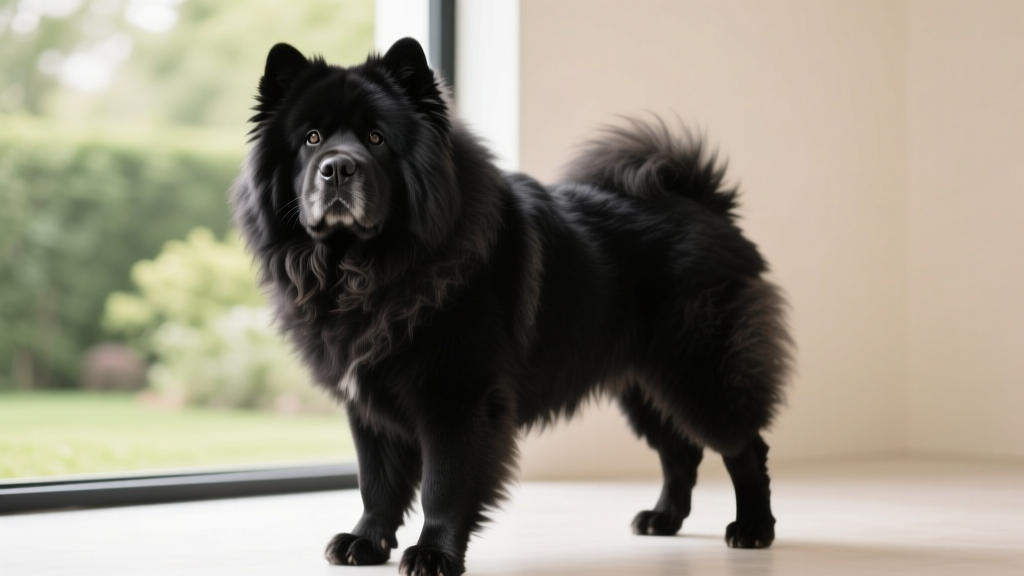
The Black Chow Chow: An Ancient Spitz With a Modern Following
If you've ever locked eyes with a black Chow Chow, you already understand the breed's magnetism. Their lion-like mane, stilted gait, and famously blue-black tongue make them one of the most visually distinctive dogs on the planet. The black coat color is one of five recognized by the American Kennel Club (AKC) — alongside red, blue, cinnamon, and cream — and it carries a particular mystique that draws prospective owners in search queries year after year.
But behind that teddy-bear silhouette is a dog with an independent, cat-like personality, serious grooming demands, and a handful of breed-specific health conditions that every prospective owner needs to understand before signing a purchase contract. This profile breaks down exactly what living with a black Chow Chow looks like in practical terms: the real costs, the daily time commitments, the veterinary conversations you'll have, and the honest assessment of whether this breed fits your household.
| Attribute | Details |
|---|---|
| Size Class | Medium (stocky build) |
| Adult Weight | 45–70 lb / 20–32 kg |
| Adult Height | 17–20 in / 43–51 cm at the shoulder |
| Lifespan | 8–12 years (median ~10 years) |
| Coat Type | Double coat — rough (long) or smooth (short); black is a recognized solid color |
| Energy Level | Low to moderate |
| Grooming Frequency | Rough coat: 3–4× per week; Smooth coat: 1–2× per week |
| Family Fit | Best with experienced owners; cautious around young children and unfamiliar pets |
| AKC Group | Non-Sporting |
| Origin | Northern China, dating back at least 2,000 years (Han Dynasty era) |
Origin and History: From Chinese Working Dog to Global Icon
The Chow Chow is among the oldest recognizable dog breeds. DNA analysis published in studies referenced by the Merck Veterinary Manual places the Chow Chow within the basal breed cluster — meaning the breed diverged from the ancestral wolf lineage earlier than most modern breeds. Archaeological artifacts from China's Han Dynasty (approximately 206 BC to 220 AD) depict dogs strikingly similar to today's Chow, with the characteristic prick ears, curled tail, and heavy ruff.
In their native China, Chow Chows were multipurpose working dogs. They hunted, herded livestock, guarded property, and — in the harsh northern provinces — pulled sleds. The breed's Chinese name, Songshi Quan, translates roughly to "puffy-lion dog." The English name "Chow Chow" likely came from 18th-century British merchants who used the pidgin term for miscellaneous cargo from the East.
The black Chow Chow specifically was historically valued in certain Chinese regions as a guardian and hunting companion. When the breed arrived in England in the early 1800s and later gained popularity through Queen Victoria's interest, the darker colors including black and blue became especially sought after in Western show rings. Today, the black coat remains one of the most popular color choices among Chow enthusiasts, though the AKC breed standard does not prioritize one color over another in conformation judging.
Physical Characteristics: What a Black Chow Chow Looks Like
A mature black Chow Chow is a compact, square-proportioned dog that carries significantly more visual bulk than their actual weight suggests. The heavy double coat — particularly in the rough-coated variety — adds the illusion of a much larger animal.
Size and Build
Male black Chow Chows typically stand 18–20 inches (46–51 cm) at the withers and weigh 55–70 lb (25–32 kg). Females are slightly smaller, usually 17–19 inches (43–48 cm) tall and weighing 45–60 lb (20–27 kg). The breed standard calls for a dog that is squarely built — meaning body length from chest to buttocks approximately equals height at the withers.
The Black Coat
A black Chow Chow's coat should be a solid, rich black. Some black Chows may show slight reddish tinges on the ruff or feathering in bright sunlight, which is normal and not considered a fault. The coat comes in two varieties:
- Rough coat: The classic "lion's mane" look. Abundant, harsh-textured outer coat with a dense, woolly undercoat. The ruff around the neck and shoulders is pronounced, and the tail is heavily plumed.
- Smooth coat: Same double-coat structure but with a short, hard outer coat that lies close to the body. Smooth-coated black Chows look more athletic and streamlined but still possess the breed's signature bulk and expression.
Both varieties shed heavily, but rough-coated black Chows experience dramatic seasonal "coat blows" — typically twice yearly — where the undercoat releases in large clumps over a 2–3 week period.
Distinguishing Features
Beyond the coat, the black Chow Chow shares the breed's hallmark traits: a blue-black tongue and gums (the only breed besides the Shar-Pei with this feature), a stilted gait caused by nearly straight hind legs, small rounded ears set wide on the skull, and a deep-set almond eye that gives the breed its characteristic scowling expression.
Temperament and Personality: 5 Core Traits of the Black Chow Chow
Describing a Chow Chow's personality requires setting aside expectations shaped by gregarious breeds like Golden Retrievers or Labrador Retrievers. Chows are not aloof because they lack affection — they are selective, deliberate, and deeply bonded to their chosen people. Here are the five traits that define the black Chow Chow experience:
1. Fierce Loyalty to One or Two People
Chow Chows tend to form an intense primary bond. In a family of four, your black Chow will likely choose one or two people as "their" humans and remain politely distant with the rest. This isn't hostility — it's a breed that invests deeply rather than broadly. Owners often describe their Chow following them room to room while ignoring visitors entirely.
2. Cat-Like Independence
Don't expect a Chow to greet you at the door with a wagging tail every time you come home. They acknowledge your return with a glance, maybe a slow approach, and then return to their spot. This independence means they're relatively low-anxiety when left alone for reasonable periods (4–6 hours), but it also means they won't look to you for constant direction during training.
3. Natural Wariness of Strangers
The Chow Chow's guarding instinct is real and should be taken seriously. A black Chow Chow is likely to position themselves between their owner and an unfamiliar person, stand rigidly with ears forward, and may emit a low, rumbling growl if they perceive a threat. Early and extensive socialization — exposure to dozens of unfamiliar people in positive contexts before 16 weeks of age — is non-negotiable for this breed.
4. Quiet Demeanor
Chows are notably quiet dogs. They bark when there's a reason — a delivery driver, an unusual noise — but they are not recreational barkers. This makes them surprisingly good neighbors in attached housing, provided their exercise and mental stimulation needs are met.
5. Stubborn Problem-Solving
Chow Chows are intelligent, but their intelligence manifests as independent problem-solving rather than eager compliance. If a Chow doesn't see the point of a command, they will simply decline. This is not stupidity — it's a breed that evaluates before acting. Owners who expect Labrador-style enthusiasm for repetitive obedience work will be frustrated.
Exercise and Activity: What a Black Chow Chow Actually Needs
The Chow Chow is often labeled "lazy," which is misleading. They are energy-efficient by design — a northern breed built for endurance in cold climates, not sustained high-intensity activity. Here's what their exercise profile looks like in practice:
| Activity | Duration | Frequency | Notes |
|---|---|---|---|
| Leisurely walk | 20–30 minutes | Twice daily | Avoid midday heat — black coats absorb solar radiation rapidly |
| Free yard time | 15–20 minutes | Daily | Supervised; Chows are not reliable off-leash recall dogs |
| Mental enrichment | 10–15 minutes | Daily | Snuffle mats, frozen Kongs, scent games |
| Structured play (tug, flirt pole) | 10 minutes | 3–4× per week | Keep sessions short; Chows overheat easily |
Total daily exercise target: 40–60 minutes, split across two or more sessions.
Critical considerations for black Chow Chows specifically:
- Heat sensitivity: The black coat absorbs significantly more solar energy than lighter-colored coats. In temperatures above 80°F (27°C), walk your black Chow in early morning or after sunset. Carry water and watch for excessive panting, a bright red tongue, or stumbling — all signs of heat stress.
- Brachycephalic-adjacent concerns: While Chows are technically mesocephalic (medium-muzzled), their heavy facial ruff and thick neck musculature can restrict airflow during exertion. Keep exercise moderate and avoid forced running or jogging.
- Joint protection: Given the breed's predisposition to hip dysplasia and patellar luxation (detailed below), avoid repetitive high-impact activities like fetch on hard surfaces. Swimming is excellent low-impact exercise if your Chow tolerates water — many do not.
Health Issues: 5 Conditions Black Chow Chow Owners Must Monitor
The Chow Chow carries several breed-specific health risks that responsible owners should screen for and manage proactively. Always consult your veterinarian about a screening schedule tailored to your individual dog.
| Condition | Prevalence / Risk | Typical Onset | Screening / Management |
|---|---|---|---|
| Hip Dysplasia | ~15–20% of Chows (OFA data) | Signs often appear 6–18 months; worsens with age | OFA/PennHIP radiographic screening at 24 months; weight management; joint supplements (glucosamine/chondroitin) |
| Entropion | Estimated 10–15% of the breed | Can appear as early as 6 months | Veterinary ophthalmologic exam; surgical correction typically costs $500–$1,500 per eye |
| Elbow Dysplasia | ~8–12% (OFA breed statistics) | 4–10 months | OFA elbow radiographs; surgical intervention in moderate to severe cases ($1,500–$4,000 per elbow) |
| Gastric Dilatation-Volvulus (Bloat) | Deep-chested breeds at elevated risk; exact Chow prevalence not well-quantified but clinically significant | Typically 4–7 years | Feed 2–3 small meals daily; avoid exercise 1 hour before/after meals; know emergency signs — unproductive retching, distended abdomen, restlessness |
| Autoimmune Thyroiditis | ~5–8% of tested Chows (OFA thyroid database) | 2–5 years | Annual thyroid panel (T4, free T4, TSH); lifelong levothyroxine supplementation if diagnosed (~$15–$30/month) |
Additional concerns: Chow Chows also show higher-than-average rates of pemphigus foliaceus (an autoimmune skin condition), certain lymphomas, and diabetes mellitus. The black coat itself does not increase health risk — coat color in Chows is not linked to the genetic health issues seen in some breeds where merle or dilute genes carry comorbidity risks.
Prospective owners should request that breeders provide OFA (Orthopedic Foundation for Animals) clearance certificates for hips, elbows, and thyroid, plus a veterinary ophthalmologist's clearance for eyes. These documents should be verifiable through the OFA database.
🚨 Emergency Red Flags — Call Your Vet or Emergency Clinic Immediately If:
- Your Chow's abdomen becomes distended and hard, especially with unproductive vomiting (bloat/GDV — survival depends on surgery within 1–2 hours)
- Sudden inability to bear weight on a rear leg (possible cruciate ligament rupture)
- Eye appears to be rolling inward with squinting and discharge (entropion causing corneal ulceration)
- Labored breathing, blue-tinged gums, or collapse after exercise (heatstroke or cardiac event)
Grooming: The Real Time Commitment for a Black Chow Chow
The grooming demands of a rough-coated black Chow Chow are substantial and should not be underestimated. This is not a breed you can brush "occasionally."
Rough Coat Maintenance
- Brushing: 3–4 sessions per week, 20–30 minutes each. Use a slicker brush for the outer coat and a wide-toothed undercoat rake for the dense underlayer. Pay special attention to the ruff, britches (rear leg feathering), and behind the ears — these areas mat first.
- Coat blows: Twice yearly (spring and fall), the undercoat sheds in massive quantities. During these 2–3 week periods, daily brushing with a de-shedding tool like the Furminator or an undercoat rake is necessary. Expect to fill grocery bags with loose fur.
- Bathing: Every 6–8 weeks, or as needed. A black Chow Chow's dense coat takes 30–45 minutes to fully saturate and 60–90 minutes to blow-dry completely. Never allow a Chow to air-dry with undercoat moisture trapped against the skin — this leads to hot spots and fungal infections.
- Professional grooming: Many owners budget for professional grooming every 8–12 weeks ($65–$120 per session depending on your region). This is especially practical during coat blows.
Smooth Coat Maintenance
Smooth-coated black Chows are significantly easier to maintain: brushing 1–2 times per week with a rubber curry brush or bristle brush, with bathing every 8–10 weeks. They still shed, but the shorter coat means less matting risk and faster drying times.
Other Grooming Tasks
- Nail trimming: Every 3–4 weeks. Chows often have dark nails that make the quick difficult to see — a nail grinder (Dremel-style) is safer than guillotine clippers.
- Ear cleaning: Weekly checks and cleaning with a veterinary-recommended ear solution. The Chow's small, thick ears can trap moisture and debris.
- Dental care: Daily tooth brushing with enzymatic dog toothpaste. Chows are prone to periodontal disease, and professional dental cleanings under anesthesia ($300–$800) become necessary if home care is neglected.
Training and Intelligence: Working With the Chow Chow Mind
The Chow Chow ranks in the lower tiers of Stanley Coren's obedience intelligence rankings, but this metric measures willingness to comply with commands on the first attempt — not raw cognitive ability. Chows are problem-solvers who learn quickly but comply selectively. Understanding this distinction is essential for successful training.
Trainability rating: 3/10 for first-attempt compliance, 7/10 for learned behavior retention.
Recommended training approach:
- Positive reinforcement only. Force-free methods using high-value food rewards (freeze-dried liver, boiled chicken), clicker marking, and short sessions (5–8 minutes maximum). Chow Chows shut down under pressure — prong collars, shock collars, and alpha rolls are not only ineffective but actively damaging to the trust this breed requires.
- Early socialization is critical. Between 8 and 16 weeks, expose your black Chow Chow puppy to a minimum of 50–100 unfamiliar people, varied surfaces, different sounds, and other vaccinated, friendly dogs. Puppy kindergarten classes (positive-reinforcement-based) are strongly recommended.
- Focus on life skills over tricks. Reliable recall (in fenced areas), loose-leash walking, "leave it," and a solid "settle" command are more valuable for a Chow than competition obedience. Set realistic goals.
- Patience with repetition. A Chow may require 50–80 repetitions to reliably perform a new behavior, compared to 5–15 for a Border Collie. This is normal for the breed. Celebrate incremental progress.
Family Suitability: Kids, Pets, and Living Spaces
Black Chow Chows and Children
Chow Chows are not naturally tolerant of the unpredictable movements, loud noises, and boundary-pushing behavior that characterize toddlers and young children. They will typically withdraw from unwanted interaction, but a cornered or pestered Chow may snap without the prolonged warning signals that more gregarious breeds display. For families with children under 8, a Chow Chow is generally not the best fit. With older, dog-respectful children (10+) who understand canine body language, a well-socialized Chow can coexist peacefully — but supervision is always required.
Black Chow Chows and Other Pets
Chow Chows raised alongside other household pets from puppyhood often accept them as family members. However, introducing an adult Chow to a new pet — especially another dog of the same sex — can be challenging. Same-sex aggression is documented in the breed, and their high prey drive means cats, rabbits, and small mammals may be viewed as targets unless the Chow has been raised with them. Multi-pet households with Chows require careful management and, ideally, professional behaviorist guidance during introductions.
Apartment Living
Surprisingly, Chow Chows can adapt well to apartment living. Their low indoor energy, quiet nature, and moderate size make them less disruptive than many smaller, more vocal breeds. The key requirements are: two daily outdoor walks, access to air conditioning in warm months (black Chows overheat rapidly), and sufficient space for a large crate and grooming area. A 700–900 square foot apartment is workable; a 400 square foot studio is tight.
- Quiet, low-bark breed — good for shared-wall housing
- Fiercely loyal and protective without aggression training
- Relatively low exercise needs compared to similar-sized breeds
- Independent nature means low separation anxiety
- Striking appearance; a natural conversation starter
- Clean dogs with minimal doggy odor when groomed regularly
- Heavy shedding and demanding grooming schedule
- Not recommended for first-time dog owners
- Wariness of strangers requires dedicated socialization
- Poor recall reliability — never safe off-leash in unsecured areas
- Heat intolerance, especially with a black coat in warm climates
- Higher-than-average veterinary costs due to breed-specific conditions
- Stubbornness makes training a long-term commitment
Cost of Ownership: What a Black Chow Chow Really Costs
Budgeting accurately for a Chow Chow prevents the painful surprise that leads too many dogs into rescue. Here's a realistic breakdown based on 2026 pricing across U.S. markets:
Purchase or Adoption Cost
- AKC-registered puppy from a responsible breeder: $1,800–$4,000. Puppies from champion show lines with full OFA health testing on both parents typically fall in the $2,500–$4,000 range. Black coat color does not command a premium from ethical breeders — anyone charging extra specifically for "rare black" coloring should be viewed skeptically.
- Rescue/adoption: $200–$600 through breed-specific rescues (e.g., Chow Chow Welfare). Adult Chows in rescue are more common than puppies and often come spayed/neutered with basic veterinary care completed.
Annual Care Cost Breakdown
| Expense Category | Low Estimate | High Estimate |
|---|---|---|
| High-quality food (AAFCO complete & balanced, large breed formula) | $600/year | $1,100/year |
| Routine veterinary care (exams, DHPP/rabies vaccines, heartworm/tick prevention) | $500/year | $900/year |
| Grooming (professional sessions + at-home tools and supplies) | $400/year | $1,200/year |
| Pet insurance (accident + illness policy) | $600/year | $1,200/year |
| Flea/tick/heartworm preventives (e.g., Simparica Trio, Bravecto) | $250/year | $450/year |
| Miscellaneous (toys, bedding, leash/harness replacement, dental care) | $200/year | $500/year |
| Total Annual Cost | $2,550 | $5,350 |
First-year total (puppy purchase + annual care + spay/neuter + initial vaccinations + crate/supplies): Expect $5,500–$10,000. Budget toward the higher end if you're purchasing from a top breeder and opting for comprehensive pet insurance.
Lifetime cost estimate (10-year lifespan): $28,000–$55,000, excluding emergency surgeries. A single TPLO surgery for a torn cruciate ligament, for instance, runs $3,500–$5,500 — and bilateral cases are not uncommon in the breed.
Frequently Asked Questions About Black Chow Chows
Is a black Chow Chow right for a first-time dog owner?
Honestly, no — at least not without significant preparation. The Chow Chow's combination of independence, stranger wariness, grooming demands, and breed-specific health issues makes them a challenging first dog. If you are a first-time owner set on a Chow, commit to working with a certified professional dog trainer (CPDT-KA or IAABC-certified) from day one, and budget for professional grooming. Some experienced Chow owners recommend starting with an adult rescue whose temperament is already established rather than navigating puppy socialization without prior breed experience.
How much daily exercise does a black Chow Chow need?
Plan for 40–60 minutes of total daily activity, split into two or more sessions. This typically means two 20–30 minute leash walks plus 10–15 minutes of mental enrichment (puzzle feeders, scent work, frozen stuffed Kongs). Avoid intense exercise in temperatures above 80°F (27°C) — the black coat absorbs heat rapidly, and the breed's thick build impairs cooling efficiency.
What health problems are black Chow Chows most prone to?
The five most significant breed-specific conditions are hip dysplasia (~15–20% prevalence), entropion (~10–15%), elbow dysplasia (~8–12%), gastric dilatation-volvulus (bloat), and autoimmune thyroiditis (~5–8%). The black coat color itself does not increase health risk — unlike some breeds where dilute or merle genes carry associated conditions, the genes producing black pigmentation in Chows are not linked to disease. Always ask breeders for OFA clearance documentation for hips, elbows, thyroid, and eyes.
How big does a black Chow Chow get?
Adult males typically weigh 55–70 lb (25–32 kg) and stand 18–20 inches (46–51 cm) at the shoulder. Adult females typically weigh 45–60 lb (20–27 kg) and stand 17–19 inches (43–48 cm). The rough-coated variety appears substantially larger due to the heavy ruff and body coat, but the actual skeletal frame is medium-sized. Maintain your Chow at a body condition score (BCS) of 5/9 — you should be able to feel ribs easily beneath the coat without pressing hard.
Are black Chow Chows good with children and other pets?
Chow Chows are best suited to homes with older children (10+) who understand how to respect a dog's space. They are not naturally tolerant of rough handling and may react without extended warning signals. With other pets, early co-raising from puppyhood yields the best results. Introducing an adult Chow to a new dog or cat requires slow, structured desensitization — ideally with professional guidance. Same-sex dog aggression is a known trait in the breed.
How much does it cost to buy and maintain a black Chow Chow?
Purchase price from a responsible AKC breeder ranges from $1,800 to $4,000. Adoption through breed rescue costs $200–$600. Annual care costs range from $2,550 to $5,350, covering food, veterinary care, grooming, preventives, and pet insurance. First-year costs including puppy purchase, initial veterinary care, spay/neuter, and supplies typically total $5,500–$10,000. Over a 10-year lifespan, expect total ownership costs of $28,000–$55,000, not including emergency procedures.
Does the black coat require different care than other Chow Chow colors?
The coat texture and grooming schedule are identical across all Chow Chow colors. However, black coats absorb more solar radiation, making heat management more critical. Black Chows may also show dust, dander, and light-colored shedding more visibly on dark furniture and clothing. Some owners of black Chows report that the coat can develop a slight reddish-brown tint if exposed to prolonged sunlight — this is cosmetic and harmless, caused by UV bleaching of the eumelanin pigment.
The information in this article is intended for educational purposes and does not replace professional veterinary advice. Always consult your veterinarian for health, nutrition, and treatment decisions specific to your dog. For breed-specific health data, the AKC Chow Chow breed page and the Merck Veterinary Manual are excellent ongoing resources.
Jonas Cole
All our authors care for dogs every day — read more of their work on the authors page.


