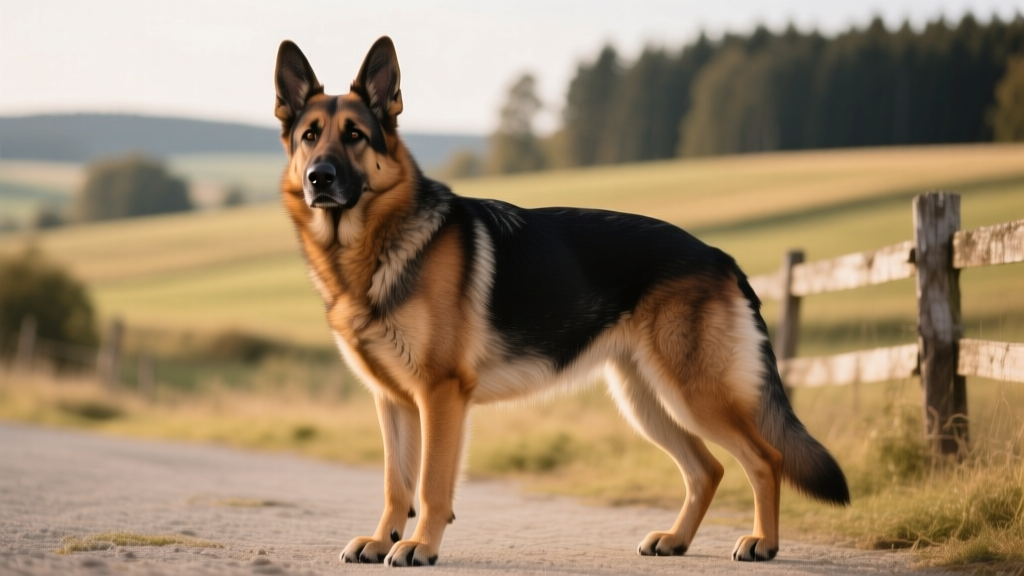
Golden Retriever Ornament Dogs: Breed Profile & Complete Care Guide
Discover the golden retriever ornament trend and learn everything about this beloved breed — size, health, exercise, costs, and temperament in our 2026 guide.

Why Everyone Is Searching for a Golden Retriever Ornament
If you've scrolled through any dog-loving social media feed lately, you've probably seen the phrase "golden retriever ornament" popping up everywhere. Part holiday décor obsession, part breed celebration, these miniature golden retriever figurines and keepsake ornaments have become a cultural shorthand for one of America's most beloved breeds. In 2025 alone, searches for golden retriever ornaments surged, reflecting a deeper truth: people don't just own Goldens — they celebrate them.
But behind the adorable tree decorations and mantel figurines is a real, living dog that requires serious commitment. Whether you're a longtime Golden owner looking to commemorate your companion or a prospective first-time puppy parent drawn in by the breed's Instagram-worthy charm, this guide covers everything you need to know about the actual dog behind the ornament.
Quick Fact: The Golden Retriever has ranked in the AKC's top 5 most popular breeds for over two decades, holding the #3 spot in 2024 registrations. Their cultural footprint — from ornaments to movies to therapy work — is unmatched among sporting breeds.
Breed Overview: Origin, Size Class & Lifespan
The Golden Retriever originated in the Scottish Highlands during the mid-19th century, developed by Dudley Marjoribanks, the first Lord Tweedmouth, at his Guisachan estate between roughly 1840 and 1890. Lord Tweedmouth's goal was specific: create a versatile gun dog that could retrieve waterfowl from both land and water in Scotland's rugged terrain. He crossed a yellow-colored retrieter named "Nous" with a Tweed Water Spaniel (now extinct), later introducing Irish Setter and Bloodhound lines to refine the breed.
The American Kennel Club officially recognized the Golden Retriever in 1925, and the breed has since become a staple in conformation rings, field trials, and family living rooms alike.
| Attribute | Details |
|---|---|
| Size Class | Large |
| Weight (Male) | 65–75 lb / 29–34 kg |
| Weight (Female) | 55–65 lb / 25–29 kg |
| Height (Male) | 23–24 inches / 58–61 cm |
| Height (Female) | 21.5–22.5 inches / 55–57 cm |
| Lifespan | 10–12 years |
| Coat Type | Double coat, dense water-repellent undercoat, moderate-to-heavy shedding |
| Energy Level | High — active sporting breed |
| Grooming Needs | Moderate to high (brushing 3–5x/week) |
| Family Fit | Excellent — one of the top-rated family breeds |
| AKC Group | Sporting Group |
Temperament & Personality: 5 Core Traits That Define the Golden
Goldens are not generically "friendly." Their temperament is specific, predictable, and rooted in centuries of selective breeding for cooperative work with humans. Here are the five traits that define the breed:
- Eager-to-Please Cooperativeness: Goldens don't just obey — they actively seek your approval. In training sessions, a Golden will often make eye contact and offer behaviors voluntarily, waiting for feedback. This is not subservience; it's a bred-in retrieval partnership instinct.
- Soft Mouth Instinct: Originally bred to carry shot waterfowl without damaging them, Goldens have an exceptionally gentle bite. You'll notice this when they carry toys, eggs (yes, some can hold a raw egg without cracking it), or even your hand during play — minimal pressure, almost ceremonial care.
- Social Magnetism: A Golden at a dog park will typically approach both unfamiliar dogs and humans with a wagging, wiggly full-body greeting. They lack the wariness common in guardian breeds. This makes them terrible watchdogs but exceptional therapy and assistance dogs.
- Prolonged Puppy Mentality: Goldens mature slowly, both physically and mentally. Many retain playful, clumsy, mouthy behaviors until age 3 or even 4. Owners expecting a calm adult by 18 months are often surprised by the extended adolescence.
- Separation Sensitivity: This breed bonds intensely and does not do well with long periods of solitude. Goldens left alone for 8+ hours daily are at higher risk for separation anxiety, destructive chewing, and excessive vocalization compared to more independent breeds like Greyhounds or Shiba Inus.
Exercise & Activity: What Goldens Actually Need Daily
Forget "a walk around the block." Goldens are athletic sporting dogs with genuine stamina requirements. Here's what a realistic daily exercise plan looks like:
| Life Stage | Minutes/Day | Recommended Activities |
|---|---|---|
| Puppy (8–12 months) | 30–45 minutes | Structured play, short leash walks (5 min per month of age rule), basic recall games, swimming introduction |
| Young Adult (1–3 years) | 60–90 minutes | Off-leash hiking, fetch sessions (20+ min), swimming, agility foundations, field retrieving work |
| Prime Adult (3–7 years) | 60–90 minutes | Running partner (3–5 miles), dock diving, competitive obedience/rally, long hikes with elevation |
| Senior (8+ years) | 30–50 minutes | Gentle leash walks, swimming (low-impact), scent work, short fetch sessions |
Activity type matters as much as duration. A Golden who gets 60 minutes of sniffing and exploring on a hike will often be more mentally satisfied than one who gets 90 minutes of repetitive ball-throwing. Incorporate nose work, new routes, and puzzle toys to address their cognitive needs alongside physical ones.
Common Health Issues: What Golden Retriever Owners Must Watch For
Goldens carry a higher-than-average genetic disease burden compared to many breeds. According to the Merck Veterinary Manual and breed health surveys, these are the conditions with the highest prevalence:
| Condition | Prevalence | Onset Age | Treatment Cost Range |
|---|---|---|---|
| Cancer (hemangiosarcoma, lymphoma, osteosarcoma) | ~60% of Goldens die from cancer (per Golden Retriever Lifetime Study) | Typically 7–12 years | $3,000–$15,000+ depending on type and treatment |
| Hip Dysplasia | ~20% (OFA data: 19.6% evaluated Goldens rated dysplastic) | Signs often appear 6–18 months; worsens with age | $1,500–$7,000 per hip (surgical options: FHO, THR) |
| Elbow Dysplasia | ~10–14% (OFA statistics) | 4–10 months typically | $1,500–$5,000 per elbow |
| Hypothyroidism | ~8–10% estimated | Usually 4–10 years | $30–$60/month for lifelong thyroid supplement |
| Ichthyosis (skin condition) | Genetic carrier rate ~40% in some lines | Birth to 1 year | $50–$200/month for medicated shampoos and management |
The Golden Retriever Lifetime Study, launched by the AKC Canine Health Foundation and Morris Animal Foundation, is the largest prospective study of its kind, following over 3,000 Goldens to understand why cancer rates are so devastatingly high in the breed. Early findings point to a combination of genetic predisposition and environmental factors.
- Sudden lameness or reluctance to rise (possible hip/elbow crisis or bone tumor)
- Unexplained weight loss with increased appetite (thyroid or metabolic issue)
- Lumps or masses that grow rapidly, feel firm, or are attached to underlying tissue
- Abdominal distension with restlessness (possible hemangiosarcoma-related internal bleeding — this is an emergency)
- Pale gums or sudden collapse
Grooming Requirements: Tools, Frequency & Shedding Reality
Golden Retrievers shed. A lot. Anyone who has owned one knows that golden hairs become a permanent part of your wardrobe, furniture, and car interior. Here's the realistic grooming schedule:
- Brushing (3–5 times per week): Use a slicker brush for the topcoat and an undercoat rake (like the Furminator deShedding Tool for large breeds or a Chris Christensen Big G slicker) during peak shedding seasons. Expect 15–20 minutes per session.
- Blow-out sessions (every 8–12 weeks): A high-velocity dryer (e.g., Flying Pig pet dryer, ~$120–$180) removes loose undercoat far more effectively than brushing alone. Many owners invest in one to reduce groomer visits.
- Bathing (every 6–8 weeks): Use a dog-specific shampoo with oatmeal or aloe base. Goldens' water-repellent coat can develop a "wet dog" odor if not dried thoroughly — a forced-air dryer cuts drying time from 2 hours to 20 minutes.
- Ear cleaning (weekly): Their floppy, feathered ears trap moisture and debris, making Goldens prone to otitis externa. Use a veterinary ear cleaner (e.g., Epi-Otic Advanced) and cotton balls — never Q-tips.
- Nail trimming (every 3–4 weeks): Use a guillotine or scissor-style clipper, or a Dremel rotary tool for dogs resistant to clipping.
Shedding seasons (spring and fall): Expect to double your brushing frequency. A single Golden can produce enough loose undercoat during a spring blow to fill a grocery bag. This is not an exaggeration.
Training & Intelligence: Methods That Work for Goldens
Goldens rank #4 in Stanley Coren's The Intelligence of Dogs for working/obedience intelligence — meaning they typically learn a new command in fewer than 5 repetitions and obey on the first command 95% of the time or better. But intelligence does not equal automatic obedience. Without consistent training, a smart dog simply learns bad habits faster.
Recommended training approach: Positive reinforcement and force-free methods exclusively. Goldens are sensitive dogs — harsh corrections, prong collars, shock collars, or alpha rolls damage their trust and willingness to work. Use high-value treats (freeze-dried liver, small cheese pieces), toy rewards, and enthusiastic praise.
- 8–12 weeks: Name recognition, sit, basic crate training, handling exercises (paw, ear, mouth touching)
- 3–6 months: Leash walking foundations, recall (come), down, stay (5–10 seconds), impulse control (wait for food)
- 6–12 months: Reliable recall with distractions, loose-leash walking in public, place/mat training, introduction to retrieving games with structure
- 12–18 months: Canine Good Citizen (CGC) test preparation, advanced obedience, sport foundations (agility, rally, field work)
Golden-specific training tip: Channel their mouth-carrying instinct early. Teach "hold," "give," and "carry" as formal behaviors. This satisfies their genetic drive and prevents the unwanted habit of mouthing guests' hands and arms — a common Golden puppy complaint.
Family Suitability: Kids, Other Pets & Living Spaces
Goldens are widely regarded as one of the best family breeds in existence, and for good reason — but there are nuances worth understanding:
✅ Pros for Families
- Naturally gentle with children — their soft-mouth instinct translates to careful play
- Tolerant of clumsy toddler handling (though supervision is always required)
- Generally excellent with other dogs — dog parks and multi-dog homes suit them
- Can coexist with cats when properly socialized as puppies
- Adaptable to various living situations if exercise needs are met
⚠️ Considerations
- Young Goldens (under 2 years) are boisterous and can accidentally knock over small children with their enthusiasm
- Their tail is a weapon — a 70-lb Golden's wagging tail at coffee-table height clears surfaces
- Not suited for apartment living unless owner commits to 60+ minutes of outdoor exercise daily
- Heavy shedding is a challenge for allergy-sensitive household members
- Poor guard dogs — they will greet intruders with enthusiasm
Apartment living assessment: A Golden can live in an apartment, but only if the owner is committed to multiple daily outings, access to nearby parks, and structured mental stimulation. They are not a breed that self-exercises in a small space. Without adequate outlet, apartment Goldens develop nuisance barking, destructive chewing, and anxiety behaviors rapidly.
Cost of Ownership: Puppy Price & Annual Care Breakdown
Golden Retrievers are not a budget breed. Between their health predispositions and their size (which drives up food, medication, and procedure costs), prospective owners should plan carefully.
| Expense Category | First-Year Cost | Annual Ongoing Cost |
|---|---|---|
| Puppy Purchase (responsible breeder, health-tested parents) | $2,000–$4,500 | — |
| Adoption (rescue/shelter) | $300–$600 | — |
| Veterinary (wellness, vaccines, spay/neuter) | $800–$1,500 | $500–$900 |
| Food (premium large-breed kibble or balanced diet) | $600–$900 | $600–$900 |
| Preventive Medications (heartworm, flea/tick) | $250–$450 | $250–$450 |
| Grooming (tools + professional sessions) | $200–$600 | $200–$500 |
| Training (group classes + private sessions) | $300–$800 | $100–$300 |
| Insurance (recommended for cancer-prone breed) | $600–$900/year | $600–$900/year |
| Supplies (crate, bed, leash, toys, gates) | $400–$700 | $150–$300 |
| Estimated Total | $5,350–$10,250 (first year with breeder puppy) | $2,400–$3,950/year ongoing |
Insurance note: Given the breed's ~60% cancer rate and predisposition to orthopedic conditions, pet insurance is strongly recommended. Providers like Trupanion, Healthy Paws, and Fetch offer plans ranging from $50–$75/month for a Golden puppy enrolled at 8–12 weeks. Enrolling early avoids pre-existing condition exclusions that could deny coverage for hip dysplasia or cancer later.
Breeder vs. rescue: Both are valid paths. A responsible breeder will provide OFA hip/elbow certifications, eye clearances (CERF), heart clearances, and genetic testing results (for ichthyosis, PRA, and DM). Reputable rescue organizations like Golden Retriever Rescue organizations affiliated with the GRCA (Golden Retriever Club of America) often have adult dogs and even puppies available, typically with behavioral assessments and veterinary screening completed.
Frequently Asked Questions
Is the Golden Retriever right for first-time owners?
Yes — Goldens are among the most recommended breeds for first-time owners due to their trainability, forgiving nature, and eagerness to cooperate. They are less likely to develop behavioral problems from training mistakes than more sensitive or independent breeds. However, first-time owners should be prepared for the exercise commitment (60–90 minutes daily), heavy grooming needs, and the breed's vulnerability to expensive health conditions.
How much exercise does a Golden Retriever need daily?
Adult Goldens need a minimum of 60 minutes of structured exercise daily, with 90 minutes being ideal. This should include a mix of physical activity (walking, running, swimming, fetch) and mental stimulation (nose work, training sessions, puzzle toys). Puppies follow the "5 minutes of structured exercise per month of age" guideline to protect developing joints.
What health problems are Golden Retrievers prone to?
The most significant health concern is cancer — approximately 60% of Goldens die from cancer, per the Golden Retriever Lifetime Study. Other prevalent conditions include hip dysplasia (~20%), elbow dysplasia (~10–14%), hypothyroidism (~8–10%), and various eye conditions including progressive retinal atrophy (PRA). Always consult your veterinarian for breed-appropriate screening schedules.
How big does a Golden Retriever get?
Adult male Goldens typically weigh 65–75 lb (29–34 kg) and stand 23–24 inches (58–61 cm) at the shoulder. Females are smaller at 55–65 lb (25–29 kg) and 21.5–22.5 inches (55–57 cm). Some "field line" Goldens bred for hunting performance may be leaner and slightly smaller, while "show line" Goldens tend toward the heavier end of the range.
Are Golden Retrievers good with children and other pets?
Goldens are consistently rated among the best breeds for families with children. Their patient temperament, gentle mouth, and social nature make them well-suited for households with kids of all ages. They generally get along well with other dogs and can coexist with cats when properly socialized. Always supervise interactions between young children and any dog, regardless of breed.
How much does a Golden Retriever cost to buy and maintain?
A Golden Retriever puppy from a responsible breeder costs $2,000–$4,500, while adoption through a breed rescue typically runs $300–$600. First-year total costs (including puppy, vet care, food, supplies, and training) range from $5,350–$10,250. Ongoing annual costs average $2,400–$3,950, with pet insurance ($600–$900/year) strongly recommended given the breed's health predispositions.
What's behind the "golden retriever ornament" trend?
The golden retriever ornament trend reflects the breed's deep cultural resonance. Hand-painted ceramic ornaments, blown-glass figurines, and personalized photo ornaments featuring Goldens have become popular holiday gifts and year-round collectibles. Brands like Department 56, Lenox, and countless Etsy artisans produce Golden-specific décor. For many owners, these ornaments serve as memorials for dogs who have passed — a small but meaningful way to keep their presence in the home.
Whether you're here because a golden retriever ornament caught your eye or because you're seriously considering adding one of these remarkable dogs to your family, the takeaway is the same: Goldens are extraordinary companions who earn every bit of the celebration they receive. They just ask that you match their devotion with proper care, exercise, and veterinary attention throughout their 10–12 year lifespan.
Robin Maitland
All our authors care for dogs every day — read more of their work on the authors page.