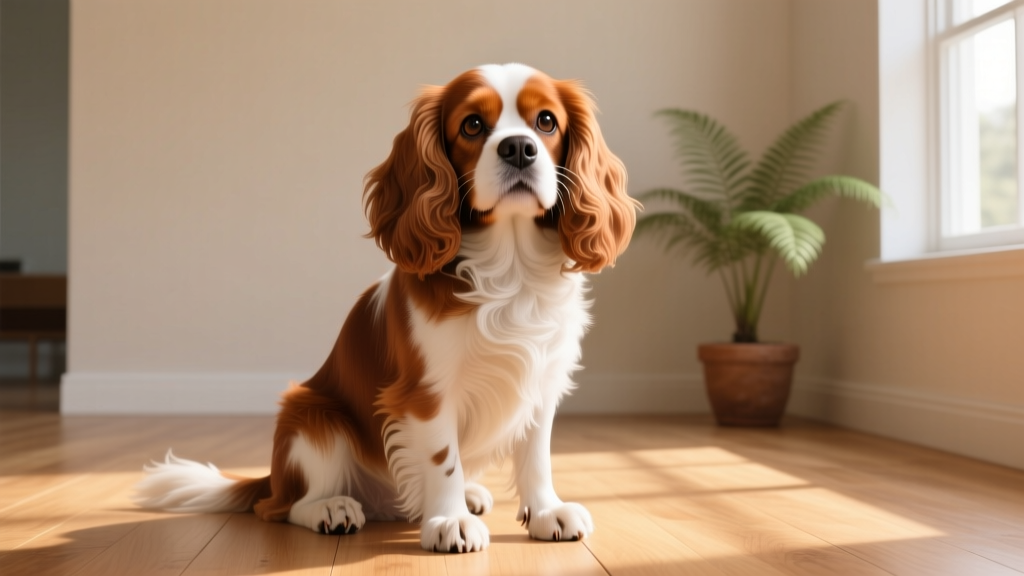
Golden Retriever Lab Mix Puppies: The Complete Goldador
Everything about golden retriever lab mix puppies: size, temperament, coat types, health risks, cost, and whether a Goldador fits your family.

What Exactly Is a Golden Retriever Lab Mix?
The Goldador — a cross between a purebred Golden Retriever and a purebred Labrador Retriever — is one of the most popular designer mixes in the United States. When people search for golden retriever lab mix puppies, they're usually picturing a friendly, medium-to-large dog with a water-resistant coat and an eagerness to please that rivals both parent breeds. And in many cases, that's exactly what you get.
But here's what separates an informed Goldador buyer from a disappointed one: understanding that mixed-breed puppies inherit traits unpredictably. Even within the same litter, one puppy might lean heavily toward the Golden's softer temperament and feathered coat, while a littermate might be built like a stocky Lab with a short, dense coat and higher drive.
Both parent breeds rank in the AKC's top 5 most popular breeds, which is a big reason this cross works so well. They share overlapping traits — retrieving instinct, people-orientation, trainability — but differ enough in coat, build, and energy expression that the mix produces genuinely variable puppies.
Parent Breed Breakdown: Golden Retriever vs. Labrador Retriever
Before you can predict what a Goldador puppy might become, you need to understand the raw materials. Here's how the two parent breeds compare across the traits that matter most to owners:
| Trait | Golden Retriever | Labrador Retriever |
|---|---|---|
| AKC Weight Standard | 55–75 lb (25–34 kg) | 55–80 lb (25–36 kg) |
| Height | 21.5–24 in (55–61 cm) | 21.5–24.5 in (55–62 cm) |
| Coat | Medium-long, feathered, dense undercoat | Short, dense, double coat |
| Shedding | Heavy, seasonal blowouts | Moderate-heavy, year-round |
| Energy Level | Moderate-high (60 min/day) | High (60–90 min/day) |
| Temperament | Gentle, patient, slightly softer | Bold, outgoing, higher drive |
| Lifespan | 10–12 years | 11–13 years |
| Trainability | Excellent, sensitive to correction | Excellent, more resilient to correction |
Because these breeds are so closely matched in size and temperament, the Goldador tends to be a more predictable mix than, say, a Chihuahua-Great Dane cross. But "more predictable" is not the same as "guaranteed." Let's talk about where variation shows up.
Understanding Generations: F1, F1B, and Multigen Goldadors
Generation Explainer
- F1 (First Generation): One purebred Golden Retriever × one purebred Labrador Retriever. Maximum genetic diversity. Most common type you'll find from reputable breeders.
- F1B (First-Generation Backcross): An F1 Goldador bred back to one of the parent breeds (usually the Golden for a longer coat or the Lab for a stockier build). Produces puppies that lean 75/25 toward one parent.
- F2 (Second Generation): Two F1 Goldadors bred together. This is where trait unpredictability increases significantly — you can get puppies that look almost purebred Golden, almost purebred Lab, or truly blended.
- Multigen (F3+): Multiple generations of Goldador-to-Goldador breeding. Rare for this specific mix because most breeders stick with F1 crosses. More common in doodle breeds.
What this means for you: Most golden retriever lab mix puppies sold by breeders are F1. If a breeder advertises F2 or multigen Goldadors, ask specifically about health testing across generations, because the hybrid vigor benefit diminishes as the gene pool narrows.
How Big Will a Golden Retriever Lab Mix Get?
Size is one of the more predictable traits in this cross because both parent breeds occupy nearly the same weight range. However, individual puppies can still land anywhere within — or slightly outside — the expected spectrum.
| Measurement | Female Range | Male Range |
|---|---|---|
| Adult Weight | 55–70 lb (25–32 kg) | 65–80 lb (29–36 kg) |
| Adult Height (shoulder) | 21–23 in (53–58 cm) | 22.5–24.5 in (57–62 cm) |
| Time to Full Size | 12–18 months (most reach adult height by 12 months, fill out to adult weight by 18 months) | |
Lab-influenced Goldadors tend to be stockier with broader chests and thicker otter-like tails. Golden-influenced Goldadors are often slightly leaner with longer feathering on the legs, chest, and tail. At 8 weeks old, a Goldador puppy typically weighs 10–15 lb (4.5–6.8 kg), which gives you an early indicator of where they'll land as adults.
Coat Types, Colors, and the Shedding Reality
Here's where genetics gets interesting — and where golden retriever lab mix puppies diverge most visibly from one another.
The coat gene inheritance works like this: The Labrador's short, dense double coat is influenced by different gene loci than the Golden's longer, feathered coat. In an F1 litter, most puppies land somewhere in between — a medium-length coat that's longer than a Lab's but shorter than a Golden's, with moderate feathering on the ears, legs, and tail.
Common Coat Outcomes
- Lab-dominant coat (roughly 30% of F1 puppies): Short, dense, water-resistant. Minimal feathering. Feels slightly coarse to the touch.
- Blended coat (roughly 50% of F1 puppies): Medium-length with visible feathering on the legs and tail. Dense undercoat. Most common Goldador look.
- Golden-dominant coat (roughly 20% of F1 puppies): Longer, flowing feathering. Softer texture. Requires the most grooming.
Color Possibilities
Goldadors can inherit any color from either parent line:
- Golden/cream — from the Golden Retriever side, ranging from pale cream to rich gold
- Yellow — the classic Lab yellow, often indistinguishable from a light Golden
- Black — inherited from the Lab side (the black gene is dominant, so black puppies can appear even when one parent is golden)
- Chocolate — less common, requires both parents to carry the recessive brown gene
- Fox red — a darker shade from the Lab lineage, sometimes mistaken for a Vizsla cross
Temperament: What to Expect (and What Might Surprise You)
The best-case Goldador temperament is what draws most people to golden retriever lab mix puppies: a dog that's outgoing without being hyper, gentle with children, eager to learn, and equally happy hiking a trail or lounging on the couch after sufficient exercise.
Temperament Spectrum
| Trait | Best-Case Scenario | Challenging Scenario |
|---|---|---|
| Social Behavior | Friendly with strangers, other dogs, and children from puppyhood | Overly exuberant jumping on visitors; mouthy play that persists past puppyhood |
| Energy Expression | Active outdoors, calm indoors after exercise | Destructive chewing and digging when under-exercised or under-stimulated |
| Trainability | Picks up commands quickly, food-motivated, loves working with you | Easily distracted by scents or birds; selective hearing on recall |
| Separation Tolerance | Comfortable alone for 4–6 hours with proper crate training | Separation anxiety — barking, pacing, destructive behavior when left alone |
| Prey Drive | Gentle with household cats when socialized early | Strong retrieve/chase instinct toward small animals, squirrels, birds |
The Golden Retriever influence tends to produce a slightly softer, more sensitive dog that responds best to gentle positive reinforcement. The Lab influence adds boldness and higher food drive, which can make training easier but also means your Goldador will counter-surf with enthusiasm if given the chance.
Training recommendation: Use reward-based methods exclusively — food rewards, toy rewards, and praise. Both parent breeds are highly food-motivated, which makes positive reinforcement training highly effective. Avoid aversive tools like shock collars or prong collars; the Golden's sensitivity means these can damage trust and create fear-based behaviors.
Health Considerations: Hybrid Vigor vs. Reality
Let's address a persistent myth directly: the idea that mixed-breed dogs are automatically healthier than purebreds due to "hybrid vigor." The reality is more nuanced.
Hybrid vigor (heterosis) does provide a measurable benefit for traits controlled by recessive genes — conditions like progressive retinal atrophy (PRA) or exercise-induced collapse (EIC) become less likely because the puppy would need to inherit the recessive gene from both parents. Since Golden Retrievers and Labrador Retrievers carry different recessive disease profiles, an F1 Goldador has a lower probability of expressing breed-specific recessive conditions.
However, hybrid vigor does not protect against conditions that both parent breeds share. And unfortunately, Goldens and Labs share several significant health risks.
Conditions Both Breeds Share (Higher Risk)
- Hip dysplasia: Affects approximately 15–20% of both Golden Retrievers and Labrador Retrievers according to Orthopedic Foundation for Animals (OFA) data. Goldadors are equally at risk.
- Elbow dysplasia: Present in both breeds at 8–12% rates. Causes front-leg lameness, often appearing between 4–10 months of age.
- Obesity: Both breeds are notoriously food-motivated and prone to overeating. The AVMA notes that canine obesity is the most common nutritional disorder in dogs, and retriever breeds are disproportionately affected.
- Hemangiosarcoma: Golden Retrievers have one of the highest rates of this aggressive blood-vessel cancer among all breeds. Labradors also show elevated risk. This is a condition where crossbreeding has not demonstrated a protective effect.
Conditions Inherited Primarily from One Parent
- From Golden Retrievers: Higher cancer rates overall (estimated 60% of Goldens die from cancer vs. approximately 30% across all breeds), hypothyroidism, ichthyosis (skin condition)
- From Labrador Retrievers: Exercise-induced collapse (EIC — a genetic neuromuscular disorder), tricuspid valve dysplasia (heart condition), centronuclear myopathy
Health Testing a Responsible Breeder Should Provide
If you're purchasing golden retriever lab mix puppies from a breeder, request documentation of the following tests for both parent dogs:
- OFA or PennHIP hip evaluation (score of "Good" or "Excellent" preferred)
- OFA elbow evaluation (score of "Normal")
- OFA cardiac evaluation
- Ophthalmologist evaluation (CERF exam, current within 12 months)
- Genetic panel including EIC, PRA, and DM (degenerative myelopathy) markers
Always consult your veterinarian for a personalized health plan, including vaccination schedules, parasite prevention, and breed-appropriate screening timelines.
Grooming and Daily Care
Grooming requirements depend heavily on which parent's coat your Goldador inherits, but plan for moderate maintenance regardless.
Grooming Schedule by Coat Type
- Lab-dominant coat: Brush 2–3 times per week with a rubber curry brush or bristle brush. Bathe every 6–8 weeks or as needed. Low-maintenance feathering.
- Blended coat (most common): Brush 3–4 times per week using a slicker brush and undercoat rake. Pay attention to ear feathering and leg furnishings where mats form. Bathe every 4–6 weeks.
- Golden-dominant coat: Brush daily or every other day. Regular trimming of feathering around feet and sanitary areas. Professional grooming every 6–8 weeks may be worthwhile. Budget $50–$80 per grooming session.
Non-Negotiable Care Tasks
- Ear cleaning: Weekly. Both parent breeds have floppy ears prone to moisture trapping and yeast infections. Use a veterinarian-approved ear cleanser after swimming.
- Nail trimming: Every 3–4 weeks. Overgrown nails alter gait and contribute to joint stress — particularly important for a breed predisposed to hip and elbow dysplasia.
- Dental care: Daily tooth brushing with enzymatic dog toothpaste, or at minimum 3–4 times per week. Dental disease affects over 80% of dogs by age 3.
- Exercise: 60–90 minutes daily, split into two sessions. Include structured activities (fetch, swimming, hiking) rather than just yard time. Mental stimulation matters equally — puzzle feeders, scent games, and training sessions tire a retriever's brain in ways physical exercise alone cannot.
Cost Breakdown: What Golden Retriever Lab Mix Puppies Actually Cost
| Expense Category | Cost Range | Notes |
|---|---|---|
| Puppy Purchase (Breeder) | $800–$2,500 | Health-tested parents from reputable breeders command $1,500–$2,500. Backyard breeders may charge $500–$800 but typically skip OFA testing. |
| Adoption/Rescue | $150–$500 | Breed-specific rescues for retrievers often have Goldadors. Includes initial vetting and spay/neuter. |
| First-Year Veterinary | $600–$1,200 | Puppy vaccine series (DHPP, rabies, bordetella), spay/neuter ($250–$500), heartworm prevention start, fecal exams |
| Food (Annual) | $480–$840 | A 60–80 lb dog eats 3–4 cups daily. AAFCO-approved large-breed adult formula at $40–$70/month. |
| Supplies (First Year) | $400–$700 | Crate ($60–$120), bed ($40–$80), leash/harness ($30–$60), toys, bowls, grooming tools |
| Training | $150–$400 | Group puppy class ($150–$200 for 6 weeks). Private sessions $75–$120/hour if needed. |
| Pet Insurance (Annual) | $480–$840 | $40–$70/month for accident/illness coverage. Highly recommended given cancer risk from Golden lineage. |
Total first-year cost estimate: $3,000–$6,500 depending on whether you adopt or buy from a breeder, your geographic region, and whether unexpected health issues arise. Annual ongoing costs after year one typically run $1,500–$2,800.
Who Should (and Shouldn't) Get a Goldador
This Mix Is a Strong Fit For:
- Active families with children ages 5+: Goldadors are patient and tolerant, but their size and exuberance can knock over toddlers. Supervised interaction is always necessary.
- First-time dog owners: Both parent breeds are forgiving of handler mistakes and eager to work with people. This is one of the most beginner-friendly large-breed mixes available.
- Outdoor enthusiasts: Hiking, swimming, camping — a Goldador will happily accompany you on all of it once fully grown (avoid strenuous exercise before 12–18 months to protect developing joints).
- Multi-pet households: Properly socialized Goldadors generally coexist well with other dogs and cats.
- People interested in therapy or service work: Both parent breeds are overrepresented in assistance dog programs. Goldadors inherit the temperament and trainability for this work.
This Mix Is a Poor Fit For:
- Apartment dwellers without outdoor access: A 65–80 lb retriever needs space and regular vigorous exercise. Apartment living is possible with extreme dedication to daily walks and outings, but it's not ideal.
- People who work 10+ hour days away from home: Retriever breeds are social and prone to separation distress. Consistent long absences without a dog walker or daycare arrangement lead to behavioral problems.
- Anyone seeking a low-shedding or hypoallergenic dog: This will not happen with a Goldador. Budget for a good vacuum cleaner.
- Households seeking a guard dog: Goldadors may bark at the doorbell, but they're more likely to show an intruder where the treats are kept than to protect your property.
Frequently Asked Questions About Golden Retriever Lab Mix Puppies
Are golden retriever lab mix puppies recognized by the AKC?
No. The AKC does not register mixed-breed dogs. Goldadors can be registered with designer breed registries like the American Canine Hybrid Club (ACHC) or the Designer Dogs Kennel Club (DDKC), but these registrations don't carry the same weight as AKC purebred registration. This doesn't affect the dog's quality as a companion — it simply means you won't compete in AKC conformation shows.
How do I know if a Goldador breeder is reputable?
A responsible breeder will: provide OFA health clearances for both parent dogs (not just "vet checked"), allow you to meet the mother dog, raise puppies in their home with early neurological stimulation (ENS), offer a written health guarantee of at least 1–2 years, have a take-back clause requiring you to return the dog to them if you can't keep it, and ask you detailed questions about your home and lifestyle. Red flags include: always having puppies available, multiple breeds offered, no health testing documentation, pressure to buy, and willingness to ship a puppy without a phone conversation.
Will my Goldador puppy's coat change as they grow?
Yes, somewhat. Goldador puppies often have softer, fluffier puppy coats that shed between 6–12 months and are replaced by the adult coat. A puppy that appears to have a shorter Lab-like coat at 8 weeks may develop more Golden-like feathering as the adult coat comes in. The coat you see at 6–9 months is generally close to the final adult coat.
Are Goldadors good with cats?
Most Goldadors raised with cats from puppyhood do well with them. Both parent breeds were developed as retrieving dogs rather than terriers, so their prey drive is oriented toward carrying rather than killing. That said, individual variation exists, and a Goldador with strong Lab-influenced chase drive may harass household cats. Early, positive exposure during the 8–16 week socialization window is critical.
How much exercise does a Goldador puppy need?
Follow the "5 minutes per month of age" rule for structured walks: a 4-month-old puppy gets roughly 20-minute walks, twice daily. Free play in a fenced yard can be unlimited. Avoid forced running, jumping from heights, or repetitive fetch sessions on hard surfaces until growth plates close at approximately 14–18 months. Swimming is an excellent low-impact exercise for growing Goldador puppies.
Beth Carrasco
All our authors care for dogs every day — read more of their work on the authors page.