Pit Bull Beagle Mix: The Complete Pit Bull Beagle Mix Breed Guide
Everything about the pit bull beagle mix: size, temperament, health risks, coat types, cost, and whether this designer cross is right for your family.
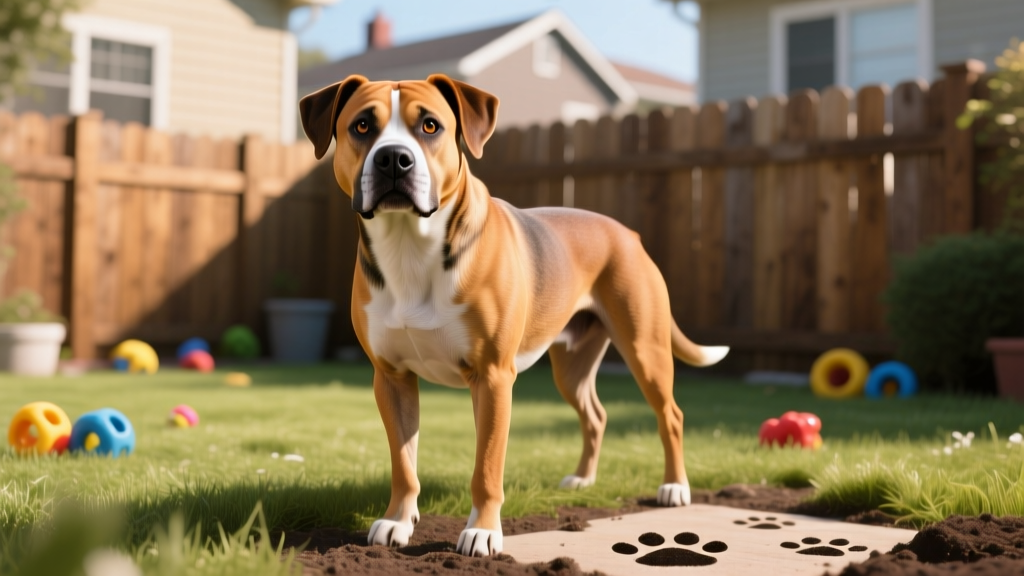
If you've stumbled across a stocky, floppy-eared dog with the soulful eyes of a hound and the muscular build of a bull breed, you may have met a pit bull beagle mix. Sometimes called a "Beagle Bull" or "Pitbeagle," this cross pairs two of America's most recognizable breeds — and produces puppies that can vary wildly in looks, personality, and care needs. Unlike purebred dogs with a written standard, mixed-breed dogs are a roll of the genetic dice. This guide breaks down exactly what you can expect (and what you can't) when bringing a pit bull beagle mix into your home.
Parent Breed Breakdown: American Pit Bull Terrier Meets Beagle
To understand any mixed-breed dog, you have to understand the two breeds behind it. The pit bull beagle mix inherits traits from the Beagle (an AKC-recognized hound) and the American Pit Bull Terrier (recognized by the UKC and ADBA, though not the AKC). Each parent brings a distinct set of instincts, physical traits, and health predispositions to the table.
| Trait | Beagle | American Pit Bull Terrier |
|---|---|---|
| AKC/UKC Group | Hound (AKC) | Terrier (UKC) |
| Weight Range | 20–30 lb / 9–14 kg | 30–65 lb / 14–29 kg |
| Height | 13–15 in / 33–38 cm | 17–21 in / 43–53 cm |
| Coat | Short, dense double coat | Short, smooth single coat |
| Energy Level | High — bred to run all day | Moderate to high — athletic, bursts of energy |
| Primary Instinct | Scent tracking, pack hunting | Gameness, human bonding, tenacity |
| Vocalization | High — bay, howl, bark | Low to moderate — barks, rarely howls |
| Lifespan | 10–15 years | 12–16 years |
The Beagle was developed in England as a rabbit-hunting hound that works in packs, follows scent trails relentlessly, and vocalizes constantly while on a trail. The American Pit Bull Terrier descends from bull-and-terrier crosses brought to the U.S. in the 1800s, bred for farm work, companionship, and unfortunately, dog fighting. Modern responsibly bred APBTs are known for human-directed friendliness, athleticism, and dog-selective tendencies. When you combine these two, you get a dog that may want to chase every squirrel in the neighborhood while greeting every human with a tail wag — but the ratio of those traits is unpredictable.
How Big Will a Pit Bull Beagle Mix Get?
Size is one of the more guessable traits in this cross because both parent breeds fall in the small-to-medium range, but the spread is still significant. A pit bull beagle mix typically lands somewhere between the Beagle's compact frame and the APBT's muscular build.
| Measurement | Low End (Beagle-Dominant) | Mid Range | High End (Pit Bull-Dominant) |
|---|---|---|---|
| Weight | 25 lb / 11 kg | 35–45 lb / 16–20 kg | 55–65 lb / 25–29 kg |
| Height at Shoulder | 13–15 in / 33–38 cm | 15–18 in / 38–46 cm | 18–21 in / 46–53 cm |
| Build Type | Lean, hound-like | Moderately stocky | Muscular, broad-chested |
Males tend to land on the higher end of these ranges, females on the lower. If you're adopting a puppy, ask the breeder or rescue for the parents' weights — that gives you the most reliable estimate. By around 10–12 months, most pit bull beagle mixes will be close to their adult size, though some continue filling out in chest and muscle mass until 18 months.
Coat Types, Colors, and Shedding: What to Expect
Both parent breeds have short coats, so the pit bull beagle mix almost always inherits a short-to-medium-length coat that lies close to the body. However, there's a key difference: Beagles have a double coat (a soft undercoat beneath a coarser outer layer), while American Pit Bull Terriers have a single coat with no undercoat.
Color possibilities are wide. Beagles come in tricolor (black, white, tan), red-and-white, and lemon-and-white. APBTs come in nearly any color except merle (which is a disqualification in the UKC standard). Common pit bull beagle mix colors include:
- Tricolor (black, white, and tan) — the most common, reflecting the Beagle's classic pattern
- Fawn or brindle with white markings
- Red-and-white
- Blue (dilute black) with white — note that blue coats carry a higher risk of color dilution alopecia, a condition causing patchy hair loss and skin irritation
- Solid or mostly solid colors with minimal white
Ear shape is another variable. Beagles have long, pendant drop ears. APBTs have rose or half-prick ears (historically cropped, though cropping is declining and banned in many jurisdictions). Your mix may have fully dropped ears, semi-erect "rose" ears, or one of each. Drop ears require more frequent cleaning to prevent yeast and bacterial infections — a weekly check with a vet-approved ear cleaner is a good habit.
Temperament: The Best-Case and Challenging Scenarios
Temperament is where mixed-breed unpredictability matters most. The pit bull beagle mix can range from a goofy, people-oriented couch companion to a high-drive, vocal, dog-reactive athlete — and everything in between. Understanding the behavioral tendencies of each parent helps you prepare for the full spectrum.
Best-Case Temperament
- Friendly and outgoing with people, including strangers
- Playful and energetic without being hyperactive
- Moderate prey drive — can coexist with cats if raised together
- Responsive to positive reinforcement training
- Affectionate and physically demonstrative (leans, licks, cuddles)
- Tolerant of children when properly socialized
Challenging Scenarios
- Strong prey drive — chases squirrels, rabbits, possibly cats
- Scent obsession — ignores recall when nose is down
- Bay/howling that disturbs neighbors (Beagle vocalization)
- Dog reactivity or same-sex aggression (APBT lineage)
- Separation anxiety — both breeds bond closely to humans
- Stubbornness during training, especially around distractions
The Beagle's pack-hunting heritage means these dogs often do well with other dogs, but the APBT side can introduce dog-selective or dog-aggressive tendencies, particularly as the dog matures past 2–3 years. This isn't guaranteed — many pit bull beagle mixes are dog-friendly — but it's a possibility you should plan for. Early, structured socialization (not just "letting them play with every dog they see") is critical between 8 and 16 weeks of age.
One trait that's nearly universal in this mix: food motivation. Both Beagles and APBTs are famously food-driven, which makes them highly trainable with treat-based positive reinforcement but also means you'll need to manage counter-surfing, garbage raids, and obesity risk throughout their lives.
Health Considerations: Hybrid Vigor vs. Reality
Let's address a common myth head-on: mixed-breed dogs are not automatically healthier than purebreds. The concept of "hybrid vigor" (heterosis) does provide some protection against recessive genetic diseases that are concentrated in closed breed gene pools. However, a mixed-breed dog can still inherit any condition that affects either parent breed. In fact, some conditions are so common in both Beagles and APBTs that the mix faces a meaningful risk regardless of crossbreeding.
Here are the health conditions to discuss with your veterinarian when planning preventive care for a pit bull beagle mix:
| Condition | From Beagle Side | From APBT Side | Screening Recommendation |
|---|---|---|---|
| Hip Dysplasia | Moderate risk | Moderate risk | OFA or PennHIP evaluation at 24 months |
| Allergies (atopic dermatitis) | Common | Very common | Monitor for paw licking, ear infections, hot spots |
| Hypothyroidism | Recognized | Recognized | Annual thyroid panel after age 4 |
| Patellar Luxation | Known issue | Less common | Vet orthopedic exam at annual checkup |
| Heart Disease (aortic stenosis, congenital) | Lower risk | Elevated risk | Cardiac auscultation annually; echocardiogram if murmur detected |
| Intervertebral Disc Disease (IVDD) | Moderate (long back in some lines) | Lower risk | Avoid repetitive jumping; maintain lean body condition |
| Epilepsy (idiopathic) | Recognized in breed | Reported | Neurological exam if seizures occur; onset typically 1–5 years |
| Ear Infections (otitis externa) | Very common (drop ears) | Common (allergy-related) | Weekly ear cleaning; vet visit if odor, redness, or head shaking |
Allergies deserve special attention. According to veterinary dermatology data, both Beagles and pit bull-type dogs rank among the breeds most commonly affected by atopic dermatitis. Your mix may develop environmental allergies (pollen, dust mites, mold) or food allergies, typically presenting as itchy paws, recurrent ear infections, and hot spots. Management often involves a combination of allergen-specific immunotherapy, omega-3 fatty acid supplementation (look for products providing 1,000–2,000 mg combined EPA/DHA daily for a 40 lb dog), and in some cases prescription medications like oclacitinib (Apoquel) or lokivetmab (Cytopoint) — your veterinarian will determine the best protocol.
Obesity is the number one preventable health risk for this mix. Both parent breeds love food, and a sedentary pit bull beagle mix will gain weight rapidly. Maintain a body condition score (BCS) of 4–5 out of 9 — you should be able to feel ribs without pressing hard, and see a visible waist when viewed from above. For a 40 lb / 18 kg dog, that typically means feeding approximately 900–1,100 calories per day of an AAFCO-complete adult maintenance diet, split into two meals, adjusted based on activity level.
Training, Exercise, and Daily Care
This is not a low-energy dog you can leave in a backyard and forget about. The pit bull beagle mix typically needs 45–90 minutes of structured exercise daily, combining physical activity with mental stimulation. Here's what that looks like in practice:
- Physical exercise (30–60 min): Two brisk leash walks of 20–30 minutes each, plus off-leash play in a secure, fenced area. Note: most pit bull beagle mixes should not be trusted off-leash in unfenced areas — the Beagle's scent-drive means they will follow a trail and not hear you calling.
- Mental stimulation (15–30 min): Scent work games (hide treats around the yard), puzzle feeders (Kong Classic stuffed with frozen peanut butter, Outward Hound Nina Ottosson puzzles), or short training sessions practicing cues like "leave it," "drop it," and a reliable recall.
- Socialization (ongoing): Structured exposure to new people, environments, surfaces, and dog-friendly dogs. Avoid overwhelming dog park visits; opt for controlled one-on-one playdates with known, vaccinated dogs.
Training should use positive reinforcement methods exclusively — reward-based techniques using high-value treats (freeze-dried liver, boiled chicken, cheese), toys, and praise. Both Beagles and APBTs can shut down or become distrustful when subjected to aversive tools like shock collars, prong collars, or alpha rolls. If your dog shows leash reactivity (barking and lunging at other dogs on leash), work with a certified professional dog trainer (CPDT-KA or IAABC-credentialed) who uses counter-conditioning and desensitization protocols rather than punishment-based "corrections."
Grooming Needs
Grooming for this mix is straightforward but not zero-effort:
- Brushing: 2–3 times per week with a rubber curry brush (like the Kong ZoomGroom, ~$8) or bristle brush. During shedding season (spring/fall for double-coated individuals), daily brushing with an undercoat rake reduces loose hair.
- Bathing: Every 4–8 weeks, or as needed. Use a gentle, dog-formulated shampoo — human shampoo disrupts canine skin pH.
- Nails: Trim every 2–4 weeks. If you hear clicking on hard floors, they're too long.
- Ears: Clean weekly with a veterinary ear cleaner (e.g., Epi-Otic Advanced, ~$15) if the dog has drop ears. Prick-eared individuals need less frequent cleaning.
- Teeth: Brush 3–5 times per week with enzymatic dog toothpaste. Dental disease affects over 80% of dogs by age 3, per the AVMA.
Cost, Availability, and Where to Find a Pit Bull Beagle Mix
The pit bull beagle mix is not a mainstream "designer breed" like a Labradoodle or Goldendoodle, so you won't find dedicated breeders with multigenerational programs and waitlists. Most of these crosses happen either intentionally by small-scale breeders or accidentally when an intact Beagle and an intact pit bull-type dog end up in the same vicinity.
| Source | Typical Cost | What's Included | Availability |
|---|---|---|---|
| Small-scale/intentional breeder | $400–$800 | First vaccines, deworming; health guarantees rare at this level | Uncommon — requires searching classifieds, local networks |
| Shelter / rescue | $50–$300 | Spay/neuter, vaccines, microchip, sometimes temperament evaluation | Moderate — pit bull mixes are among the most common shelter dogs in the U.S. |
| Breed-specific rescue (Beagle or pit bull rescues) | $150–$400 | Full veterinary workup, behavioral assessment, foster home evaluation | Available — mixes often appear in both breed-specific rescues |
Adoption through a shelter or rescue is the most accessible route and often the most transparent. Rescue organizations that foster dogs in home environments can give you detailed behavioral profiles — how the dog reacts to cats, kids, other dogs, being left alone, and handling. That information is invaluable for a mixed-breed dog whose traits you can't predict from appearance alone.
Beyond acquisition, budget for annual care costs:
- Food: $400–$700/year for a quality AAFCO-complete kibble (e.g., Purina Pro Plan, Royal Canin Medium, or comparable)
- Routine veterinary care: $400–$800/year (annual exam, vaccines, heartworm test, fecal, dental cleaning if needed)
- Preventive medications: $200–$500/year (heartworm preventive like Heartgard Plus, flea/tick preventive like NexGard or Bravecto)
- Pet insurance: $35–$70/month for accident-and-illness coverage (varies by deductible and reimbursement level)
- Miscellaneous (gear, toys, training): $200–$500/year
Estimated first-year total: $2,000–$4,500 depending on acquisition source and whether any health issues arise. Ongoing annual costs settle around $1,200–$2,500.
Who Is This Mix Best Suited For?
The pit bull beagle mix is not a one-size-fits-all dog. Based on the combined traits of both parent breeds, here's a practical fit assessment:
| Factor | Good Fit ✓ | Poor Fit ✗ |
|---|---|---|
| Experience Level | Intermediate to experienced owners who've managed strong-willed or prey-driven dogs | First-time owners unprepared for recall challenges and potential dog reactivity |
| Living Space | Homes with secure, fenced yards (minimum 5-foot fence for APBT-dominant individuals who may jump) | Apartments with thin walls (howling/baying), no outdoor access |
| Activity Level | Active owners who walk, hike, or jog regularly | Sedentary households where the dog will be under-exercised |
| Children | Families with children 8+ who understand dog body language and supervise interactions | Homes with toddlers — the dog's stocky build and exuberance can knock over small children |
| Other Pets | Homes with another friendly, well-socialized dog | Homes with rabbits, guinea pigs, or free-roaming cats (prey drive risk) |
| Time at Home | Owners home most of the day or able to arrange midday visits | 12+ hour absences daily — separation anxiety risk is high |
Frequently Asked Questions
What two breeds make up the pit bull beagle mix?
The pit bull beagle mix is a cross between the American Pit Bull Terrier (or a pit bull-type dog such as the American Staffordshire Terrier or Staffordshire Bull Terrier) and the Beagle. The term "pit bull" itself is an umbrella label, not a single breed, so the specific pit bull-type breed involved can vary.
Is the pit bull beagle mix hypoallergenic or low-shedding?
No. Neither parent breed is hypoallergenic. Beagles have a double coat that sheds seasonally, and APBTs shed moderately year-round. If allergies are a concern, this is not the right mix for your household.
Can a pit bull beagle mix live with cats?
Some can, particularly if raised alongside cats from puppyhood. However, both parent breeds have prey drive — Beagles were bred to chase rabbits, and APBTs have terrier lineage that includes vermin-hunting instincts. Introduce carefully and never leave the dog unsupervised with cats until you're confident in their behavior over several months.
How long do pit bull beagle mixes live?
Most live 12–15 years, drawing from the Beagle's 10–15 year lifespan and the APBT's 12–16 year lifespan. Maintaining a lean body condition score, staying current on preventive veterinary care, and providing regular exercise are the most impactful factors in maximizing longevity.
Are pit bull beagle mixes aggressive?
Aggression is not a breed trait — it's a behavior influenced by genetics, socialization, training, environment, and individual temperament. Well-bred, well-socialized pit bull beagle mixes are typically friendly with people. Dog-directed aggression or reactivity is a possibility inherited from the APBT side, but it is not universal and can be managed with professional positive-reinforcement training.
Do pit bull beagle mixes bark a lot?
It depends on which parent's vocalization genes dominate. Beagles are among the most vocal breeds — they bay, howl, and bark at stimuli. APBTs are generally quieter. Your mix may be anywhere on that spectrum. If noise is a concern (apartment living, close neighbors), be prepared for the possibility of a vocal dog.
What generation is a pit bull beagle mix?
Most pit bull beagle mixes are F1 (first-generation) crosses — meaning one purebred Beagle parent and one purebred APBT parent. You may occasionally find F2 crosses (two F1 pit bull beagle mixes bred together), but multigenerational breeding programs for this specific cross are essentially nonexistent. Unlike Poodle mixes (Doodles), there is no established designer breed program producing F1B or multigen pit bull beagle mixes.
This article is for informational purposes only and does not replace professional veterinary advice. Always consult your veterinarian for health, nutrition, and behavioral guidance specific to your dog. If your dog ingests a toxic substance, contact the ASPCA Animal Poison Control Center at (888) 426-4435 (24/7, consultation fee applies) or the Pet Poison Helpline at (855) 764-7661.
Priya Sutaria
All our authors care for dogs every day — read more of their work on the authors page.


