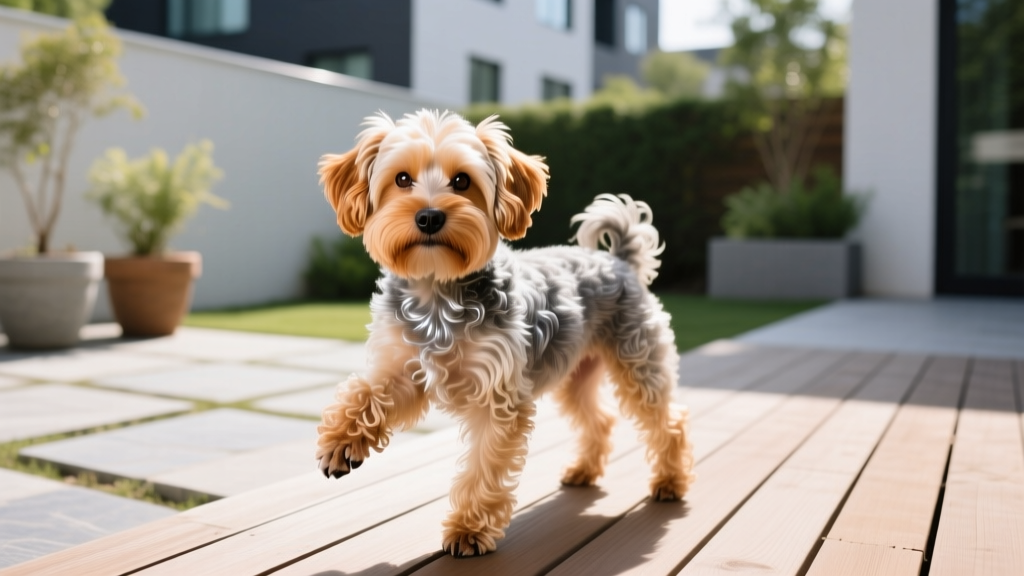
Golden Chihuahua Mix: Complete Breed Profile, Traits & Care Guide
Everything about the Golden Chihuahua mix: size, temperament, health risks, coat types, grooming needs, cost.

The Golden Chihuahua mix — sometimes called a "Golden Chi" — pairs one of America's most popular sporting breeds with one of its tiniest companions. The result is a designer cross that can look and act remarkably different from one puppy to the next, even within the same litter. If you're researching this mix before adopting or buying, you need honest information about the variability involved, the real health picture, and what daily life actually looks like with one of these dogs.
This guide breaks down every practical detail: size ranges, coat possibilities, temperament outcomes, inherited health conditions from both parent breeds, grooming requirements, and realistic costs. You'll also learn why the "hybrid vigor" claim attached to designer dogs deserves a closer look.
Parent Breeds: Golden Retriever and Chihuahua at a Glance
Before predicting what a Golden Chihuahua mix might be like, it helps to understand the two very different dogs behind the cross. The Golden Retriever is a medium-large sporting dog originally bred in the Scottish Highlands during the mid-19th century for retrieving waterfowl. The Chihuahua is a tiny companion breed with roots tracing back to the ancient Techichi dogs of Mexico, recognized by the AKC since 1904.
| Trait | Golden Retriever | Chihuahua |
|---|---|---|
| Weight | 55–75 lb (25–34 kg) | 2–6 lb (1–3 kg) |
| Height | 21.5–24 in (55–61 cm) | 5–8 in (13–20 cm) |
| Lifespan | 10–12 years | 14–16 years |
| Energy Level | High — 60+ min/day | Moderate — 30 min/day |
| Coat Type | Dense, water-repellent double coat | Smooth (short) or long coat |
| Shedding | Heavy, seasonal blows | Low to moderate |
| Trainability | Very high — eager, biddable | Moderate — independent, can be stubborn |
| Barking | Moderate | High — alert barker |
| AKC Group | Sporting | Toy |
This is a dramatic size gap. Most responsible breeders produce this cross by breeding a Chihuahua dam with a Golden Retriever sire through artificial insemination, since natural mating between these breeds carries serious physical risks. Some breeders reverse the pairing, but a Chihuahua carrying Golden Retriever-sized puppies is a veterinary emergency waiting to happen. Always ask a breeder exactly how the pairing was accomplished.
Understanding Generations: F1, F1B, and Multigen Golden Chis
F1 (First Generation): Direct cross of a purebred Golden Retriever and a purebred Chihuahua. Puppies inherit roughly 50/50 genetics. This is the most common generation for Golden Chihuahua mixes and the one with the widest trait variability.
F1B (First Generation Backcross): An F1 Golden Chi bred back to one of the parent breeds — usually the Chihuahua to produce a smaller dog, or the Golden Retriever to push toward a larger, more retriever-like temperament. F1B puppies carry roughly 75/25 genetics.
F2 (Second Generation): Two F1 Golden Chis bred together. Trait predictability does not improve much here; in fact, F2 litters can produce even more variation as recessive genes from both breeds resurface unpredictably.
Multigen (F3+): Bred from multiple generations of Golden Chihuahua mixes. This generation is extremely rare for this particular cross because the size disparity makes breeding programs difficult to sustain across multiple generations.
Most Golden Chihuahua mixes you'll encounter are F1 or F1B. Because this is not a widely established designer breed like the Goldendoodle or Labradoodle, multigen breeding lines barely exist. That means you're almost always looking at a first- or second-generation cross with significant trait unpredictability.
Size Range: How Big Will a Golden Chihuahua Mix Get?
This is one of the hardest questions to answer with any precision. The parent breeds differ by a factor of roughly 10 to 15 times in body weight, which creates an enormous range of possible outcomes.
| Generation | Weight Range | Height Range |
|---|---|---|
| F1 (50/50) | 15–45 lb (7–20 kg) | 10–20 in (25–51 cm) |
| F1B backcross to Chihuahua | 8–20 lb (4–9 kg) | 8–14 in (20–36 cm) |
| F1B backcross to Golden | 30–55 lb (14–25 kg) | 15–22 in (38–56 cm) |
| F2 (variable) | 10–40 lb (5–18 kg) | 9–18 in (23–46 cm) |
Even within a single F1 litter, you can see puppies that mature at 15 lb alongside littermates that reach 40 lb. There's no reliable way to predict final adult size from an 8-week-old puppy. If size matters for your living situation — apartment weight restrictions, compatibility with small children, travel crates — plan for the upper end of the range and be pleasantly surprised if your dog lands smaller.
Practical tip: Ask the breeder for the exact weights of both parent dogs. A 60-lb Golden and a 4-lb Chihuahua will produce different puppies than a 75-lb Golden and a 6-lb Chihuahua. Parent size is the single best predictor of puppy size range.
Coat Types, Colors, and the Shedding Question
Golden Retrievers carry genes for a dense, water-resistant double coat with moderate-to-long feathering. Chihuahuas come in two varieties: smooth coat (short, close-lying) and long coat (soft, slightly wavy with fringing). A Golden Chihuahua mix can inherit any combination of these traits.
- Medium-length, slightly wavy double coat (Golden-dominant)
- Short, smooth single coat (Chihuahua-dominant)
- Medium-length with feathering on legs and tail
- Golden/cream with darker markings
- Black and tan (Chihuahua gene)
- Chocolate or liver
- Fawn, sable, or parti-color
Is the Golden Chihuahua mix hypoallergenic or low-shedding? No. Neither parent breed is hypoallergenic. Golden Retrievers are heavy shedders, and even Chihuahuas shed year-round at moderate levels. A Golden Chi with a Golden-dominant double coat will shed noticeably, especially during seasonal coat blows in spring and fall. A smooth-coated specimen leaning toward the Chihuahua side will shed less but still requires regular brushing. If you have dog allergies, this mix is not a safe choice — spend time with the specific dog before committing.
Temperament: Best-Case and Challenging Scenarios
Temperament is where the unpredictability of this cross becomes most apparent to owners. Golden Retrievers are famously sociable, gentle, and eager to please — consistently ranking among the most trainable breeds. Chihuahuas are bold, alert, loyal to one person, and often wary of strangers. These are fundamentally different behavioral profiles, and a mixed puppy can land anywhere on the spectrum.
| Trait | Best-Case Scenario | Challenging Scenario |
|---|---|---|
| Sociability | Friendly with strangers, good with other dogs (Golden-leaning) | Fearful of strangers, dog-reactive (Chihuahua-leaning without socialization) |
| Trainability | Eager, food-motivated, quick learner | Stubborn, easily distracted, selective listener |
| Barking | Moderate alert barking | Excessive barking at every stimulus |
| Children | Gentle, patient, playful | Snappy or fearful around loud, unpredictable kids |
| Separation | Tolerates alone time reasonably well | Severe separation anxiety, destructive when left alone |
| Prey Drive | Low interest in small animals | Chases cats, squirrels, small dogs |
Early socialization is non-negotiable. The Chihuahua tendency toward fear-based reactivity can be significantly mitigated through structured exposure between 8 and 16 weeks of age. Enroll in a positive-reinforcement puppy class, expose your dog to diverse people, surfaces, sounds, and other vaccinated dogs, and reward calm behavior consistently. Dogs from this cross that miss the critical socialization window are at elevated risk for fear-based aggression and anxiety disorders.
Force-free, reward-based training methods work best for this mix. Golden-dominant dogs respond readily to treats and praise. Chihuahua-dominant dogs may need higher-value rewards (real chicken, cheese) and shorter training sessions of 5–10 minutes to maintain focus. Never use punishment-based methods — these damage the trust bond and can amplify fear-based behaviors, especially in smaller or more sensitive individuals.
Health Considerations: Hybrid Vigor Myth vs. Reality
One of the most persistent claims in the designer dog world is that mixed breeds automatically benefit from "hybrid vigor" — the idea that genetic diversity eliminates inherited health problems. The reality, supported by veterinary genetics research, is more nuanced. Crossbreeding can reduce the risk of conditions caused by recessive genes that are concentrated within a single breed's gene pool. However, it does not eliminate health risk, and a Golden Chihuahua mix can inherit conditions from either parent breed.
According to data compiled in the Merck Veterinary Manual, both Golden Retrievers and Chihuahuas carry breed-specific predispositions. A mixed dog inherits a lottery of genetic risk from both sides.
| Condition | Inherited From | Prevalence/Notes |
|---|---|---|
| Hip Dysplasia | Golden Retriever (primarily) | Affects ~15–20% of Golden Retrievers; OFA screening recommended |
| Patellar Luxation | Chihuahua (primarily) | Kneecap dislocation common in small breeds; grades I–IV |
| Heart Disease (Mitral Valve) | Chihuahua | Progressive valve degeneration; common in senior small dogs |
| Cancer (Hemangiosarcoma, Lymphoma) | Golden Retriever | Estimated 60% of Golden Retrievers die from cancer |
| Hypoglycemia | Chihuahua | Low blood sugar episodes, especially in puppies under 12 weeks |
| Collapsing Trachea | Chihuahua | Weakened tracheal cartilage; causes honking cough |
| Eye Conditions (Cataracts, PRA) | Both breeds | Progressive retinal atrophy and juvenile cataracts possible |
| Elbow Dysplasia | Golden Retriever | Joint malformation; orthopedic screening recommended |
What to ask a breeder: Request Orthopedic Foundation for Animals (OFA) or PennHIP certifications for hip and elbow scores on the Golden Retriever parent, a cardiac exam clearance, and an ophthalmologist evaluation (CERF) for both parents. For the Chihuahua parent, ask about patellar luxation evaluation and cardiac screening. Reputable breeders will have these results documented and available.
If adopting from a rescue, ask about any known health history and schedule a comprehensive veterinary exam within the first two weeks. Your veterinarian can establish a baseline and recommend breed-appropriate screening tests based on your dog's apparent size and build.
Grooming, Exercise, and Daily Care Requirements
Care needs depend heavily on which parent's traits dominate. Here's what to plan for based on coat type and size:
Grooming by Coat Type
- Golden-dominant double coat: Brush 3–4 times per week with a slicker brush and undercoat rake. Expect heavy seasonal shedding in spring and fall. Bathe every 4–6 weeks or as needed. Professional grooming every 8–12 weeks for trimming feathering.
- Chihuahua-dominant smooth coat: Brush once weekly with a rubber curry brush or grooming mitt. Bathe monthly. Minimal professional grooming needed.
- Medium mixed coat: Brush 2–3 times per week. Moderate shedding year-round. Occasional professional trimming around ears, paws, and tail.
Regardless of coat type, plan for regular nail trims every 2–3 weeks, ear cleaning weekly (especially if ears are floppy like a Golden's), and daily tooth brushing. Small dogs are particularly prone to periodontal disease — the AVMA recommends professional dental cleanings under anesthesia as needed, typically starting around age 3 for small-breed dogs.
Exercise Needs
Expect a moderate-to-high exercise requirement of 30–60 minutes per day, depending on which parent's energy level your dog inherits. Golden-dominant dogs will want longer walks, fetch sessions, and swimming opportunities. Chihuahua-dominant dogs may prefer shorter walks and indoor play.
For dogs on the smaller end (under 20 lb / 9 kg), be mindful of joint stress from high-impact activities. Avoid repetitive jumping from furniture, and consider a ramp for couch access. For larger individuals (over 30 lb / 14 kg), structured exercise like hiking and fetch is appropriate, but avoid forced running on hard surfaces until growth plates close around 12–18 months.
Cost, Availability, and Finding a Golden Chihuahua Mix
This is not a widely established designer breed, which affects both pricing and availability.
| Source | Price Range | Notes |
|---|---|---|
| Breeder (F1 puppy) | $500–$2,000 | Wide range reflects breeder reputation, health testing, and region |
| Breeder (F1B puppy) | $400–$1,500 | Less common; pricing varies significantly |
| Rescue/Shelter adoption | $50–$400 | Most common way to acquire this mix; check Petfinder regularly |
| First-year total care cost | $1,500–$3,500 | Includes vaccinations, spay/neuter, supplies, food, training |
| Annual ongoing cost | $800–$2,000 | Food, preventive medications, routine vet care, grooming |
Because this cross is uncommon from dedicated breeding programs, you're more likely to find a Golden Chihuahua mix through rescue organizations or accidental litters posted on local adoption platforms. If going through a breeder, apply the same standards you would for any purebred: health testing documentation, a clean and socialized environment, a take-back clause in the contract, and willingness to answer detailed questions.
Red flags to avoid: Breeders who cannot identify both parent breeds with certainty, those who cannot produce health clearances, anyone offering puppies under 8 weeks of age, and operations that have multiple designer crosses available simultaneously. These are hallmarks of backyard breeders and puppy mills.
Who This Mix Suits Best
The Golden Chihuahua mix is not a one-size-fits-all dog. Because of the wide trait variability, the right owner is someone prepared for a range of outcomes. Here's a practical fit assessment:
- Have experience with dogs of varying temperaments
- Can commit to early socialization and ongoing training
- Have a flexible living space (apartment to house)
- Want a companion dog with moderate exercise needs
- Are comfortable with unpredictability in size and personality
- Have older children (8+) who understand gentle handling
- Need a guaranteed temperament for therapy or service work
- Have toddlers or very young children (injury risk to small dogs)
- Want a hypoallergenic or non-shedding dog
- Cannot commit to daily training sessions in puppyhood
- Need a predictable adult size for housing restrictions
- Are a first-time dog owner without access to a trainer
Frequently Asked Questions
What two breeds make up the Golden Chihuahua mix?
The Golden Chihuahua mix is a cross between a Golden Retriever and a Chihuahua. It is a first-generation or early-generation designer cross, not a recognized breed by any major kennel club including the AKC or UKC.
How big will my Golden Chihuahua mix get?
Adult size ranges from approximately 8 to 55 lb (4–25 kg) depending on generation and which parent's genes dominate. Most F1 individuals land between 15 and 45 lb (7–20 kg). There is no reliable way to predict exact adult size from a young puppy.
Is the Golden Chihuahua mix good with kids?
It depends on the individual dog's temperament inheritance and socialization history. Golden-dominant dogs tend to be patient and gentle. Chihuahua-dominant dogs may be easily startled by loud or grabby children. Always supervise interactions, and this mix is generally better suited to homes with children age 8 and older who can handle dogs gently.
Do Golden Chihuahua mixes bark a lot?
Many do. The Chihuahua parent contributes a strong alert-barking instinct. If your mix inherits this trait, expect barking at doorbells, passersby, and unfamiliar sounds. Consistent positive-reinforcement training can manage excessive barking, but it's a trait to anticipate rather than hope away.
What is the lifespan of a Golden Chihuahua mix?
Expected lifespan ranges from 12 to 16 years. Smaller individuals leaning toward the Chihuahua side tend to live longer, while larger dogs leaning toward the Golden Retriever side may fall closer to the 10–12 year range typical of that breed.
Can Golden Chihuahua mixes live in apartments?
Yes, especially smaller individuals. However, barking tendencies (inherited from the Chihuahua side) can be an issue in shared-wall buildings. Ensure your dog gets adequate daily exercise and mental stimulation to reduce nuisance barking.
Are Golden Chihuahua mixes easy to train?
Trainability varies widely. Golden-dominant dogs are typically eager and quick learners. Chihuahua-dominant dogs can be clever but independent, requiring patience, high-value treats, and short sessions. Force-free methods work best for both temperament types.
Marcus Aldridge
All our authors care for dogs every day — read more of their work on the authors page.