Yorkie Poo Pictures & Breed Guide: What to Expect From...
Explore Yorkie Poo pictures, traits, and care tips. Learn about size, coat types, temperament, health risks, and costs for this Poodle-Yorkshire Terrier mix.
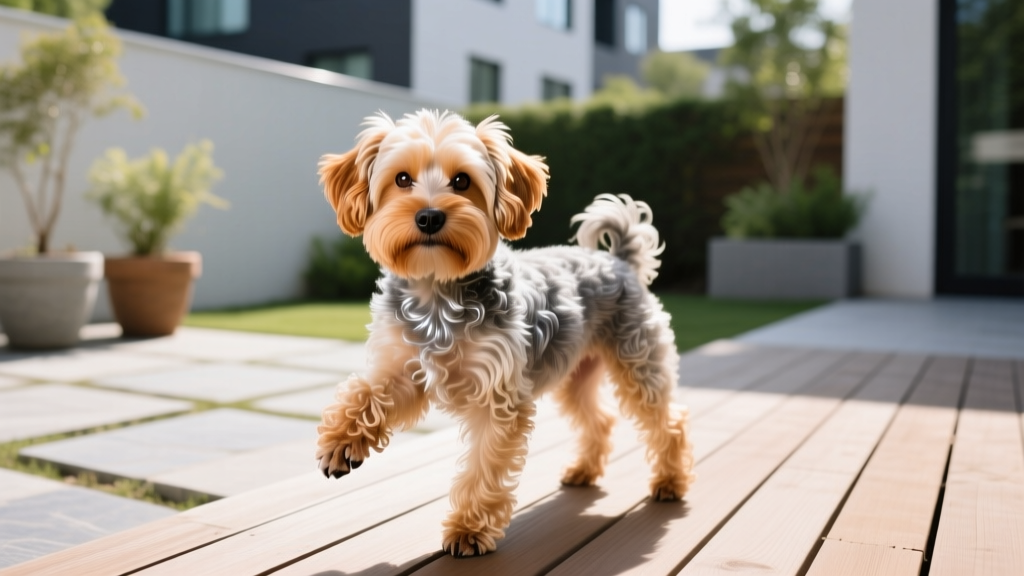
If you've been scrolling through Yorkie Poo pictures online and wondering whether this tiny designer dog is the right fit for your home, you're not alone. The Yorkie Poo — a cross between a Yorkshire Terrier and a Toy or Miniature Poodle — has surged in popularity as apartment dwellers and allergy-conscious families search for a compact, low-shedding companion. But photos only tell part of the story. Behind those adorable curls and button eyes lies a dog whose traits can vary significantly depending on which parent they take after, their generation, and how they're raised.
This guide breaks down everything you need to know before bringing a Yorkie Poo home — from realistic size expectations and coat possibilities to the health conditions that can affect both parent breeds. We'll also talk honestly about what those carefully curated Yorkie Poo pictures on social media don't show you.
The Parent Breeds: Yorkshire Terrier Meets Poodle
Understanding a Yorkie Poo starts with understanding its parent breeds. Every mixed-breed dog inherits a combination of traits from both sides, and knowing what each parent brings to the table helps you anticipate what your puppy might look and act like.
| Trait | Yorkshire Terrier | Toy/Miniature Poodle |
|---|---|---|
| AKC Group | Toy Group | Toy or Miniature (Non-Sporting/Toy) |
| Weight Range | 4–7 lb (1.8–3.2 kg) | Toy: 4–6 lb (1.8–2.7 kg); Miniature: 10–15 lb (4.5–6.8 kg) |
| Height | 7–8 in (18–20 cm) | Toy: ≤10 in (25 cm); Miniature: 10–15 in (25–38 cm) |
| Coat Type | Long, silky, single coat | Curly, dense, single coat |
| Shedding Level | Very low | Minimal |
| Energy Level | Moderate — spunky bursts | High — athletic and eager |
| Trainability | Moderate — independent streak | Very high — among the most trainable breeds |
| Lifespan | 11–15 years | 10–18 years |
| Common Health Risks | Patellar luxation, tracheal collapse, portosystemic shunt | Addison's disease, bloat (miniature), progressive retinal atrophy |
The Yorkshire Terrier originated in northern England as a ratter in textile mills before becoming a Victorian-era lap dog. They're bold, confident, and often described as "big dogs in small bodies." The Poodle, despite its fancy grooming reputation, was originally a water retriever from Germany and ranks as the second-most intelligent dog breed according to canine psychologist Stanley Coren's research.
When these two breeds are crossed, you get a puppy that could lean heavily toward either parent — or land somewhere beautifully in between.
Understanding Yorkie Poo Generations: F1, F1B, F2, and Multigen
Generation Explainer
F1 (First Generation): Direct cross of a purebred Yorkshire Terrier and a purebred Poodle. Maximum genetic diversity, but the most trait variability. Puppies in the same litter can look dramatically different.
F1B (First Generation Backcross): An F1 Yorkie Poo bred back to a Poodle (usually to boost hypoallergenic coat consistency). Results in puppies that are 75% Poodle and 25% Yorkie. More predictable coats but slightly larger size possible.
F2 (Second Generation): Two F1 Yorkie Poos bred together. Trait predictability actually decreases here — you can get puppies that look very Yorkie-like, very Poodle-like, or anywhere in between within the same litter.
F2B and Multigen: Further generations of intentional crossing. Multigenerational breeding (3+ generations of Yorkie Poo to Yorkie Poo) can stabilize traits over time, but this is still a relatively young designer breed, so true consistency remains elusive.
Most Yorkie Poo pictures you see online feature F1 or F1B puppies, which tend to have the soft, wavy-to-curly coats that photograph well. If predictability matters to you, F1B puppies typically offer more consistent coat types and shedding levels — but always meet the individual puppy rather than choosing solely based on generation labels.
Size, Weight, and How Big Your Yorkie Poo Will Get
One of the most common questions from prospective owners looking at Yorkie Poo pictures is: how big will this dog actually get? The honest answer is that size varies considerably, even within the same litter.
| Size Category | Weight | Height at Shoulder | Likely Parentage |
|---|---|---|---|
| Teacup/Tiny | 4–6 lb (1.8–2.7 kg) | 7–9 in (18–23 cm) | Toy Poodle + small Yorkie |
| Standard Yorkie Poo | 7–10 lb (3.2–4.5 kg) | 9–12 in (23–30 cm) | Toy Poodle + average Yorkie |
| Larger/Miniature | 10–15 lb (4.5–6.8 kg) | 12–15 in (30–38 cm) | Miniature Poodle + Yorkie |
Most Yorkie Poos fall into the 5–12 lb (2.3–5.4 kg) range, with 7–10 lb being the most common. If a breeder is using a Miniature Poodle rather than a Toy Poodle, expect puppies on the larger end. Responsible breeders should be able to show you the parent dogs so you can gauge likely adult size.
Growth timeline: Yorkie Poos typically reach their full height by 6–8 months and fill out to their adult weight by 10–12 months. Small breeds mature faster than large breeds, so don't expect the prolonged growth phases you'd see in a Labrador or German Shepherd.
Coat Types, Colors, and the Hypoallergenic Question
Yorkie Poo pictures showcase a stunning variety of coat types, and this is one area where individual variation is most pronounced. Because both parent breeds have hair rather than fur (a single coat without an undercoat), Yorkie Poos tend to be low-shedding — but "hypoallergenic" is a marketing term, not a veterinary guarantee.
Coat Possibilities
- Straight/Silky (Yorkie-dominant): Long, flowing hair that parts down the middle. Requires daily brushing to prevent tangles. Most closely resembles the classic Yorkshire Terrier look.
- Wavy (Blended): The most common coat type in F1 puppies. Soft waves with moderate curl. Easier to maintain than fully straight or fully curly coats. This is the coat most often featured in Yorkie Poo pictures.
- Curly (Poodle-dominant): Tight curls similar to a Poodle's coat. Most likely in F1B puppies backcrossed to a Poodle. Requires professional grooming every 4–6 weeks.
Color Range
Expect any combination of black, tan, gold, silver, cream, apricot, red, sable, or parti-color (white with patches). Yorkie Poos can also exhibit the classic Yorkshire Terrier blue-and-tan coloring, though the "blue" (a steel-gray dilution) may take up to two years to fully develop.
Is the Yorkie Poo Hypoallergenic?
No dog is truly hypoallergenic. Allergens come from dander (dead skin cells), saliva, and urine — not just hair. However, because both Yorkies and Poodles shed very little, Yorkie Poos produce less airborne dander than heavy-shedding breeds. F1B puppies with Poodle-dominant curly coats tend to be the most allergy-friendly. If allergies are a concern, spend at least 2–3 hours with the specific puppy before committing, and consult an allergist about your individual sensitivity thresholds.
Grooming Requirements
Regardless of coat type, plan for:
- Brushing: 3–4 times per week minimum (daily for straight/silky coats)
- Professional grooming: Every 4–8 weeks depending on coat type and preferred length ($40–$75 per session)
- Bathing: Every 2–4 weeks using a gentle, dog-specific shampoo
- Eye care: Daily wiping to prevent tear staining, especially on lighter-colored coats
- Dental care: Daily tooth brushing — small breeds are highly prone to periodontal disease
Temperament: What Life With a Yorkie Poo Is Really Like
Yorkie Poo pictures capture them cuddling on laps and looking photogenic at cafes, but temperament is where the rubber meets the road. This mix inherits traits from two breeds with strong personalities, and the result can be delightful — or challenging — depending on the individual dog and how it's raised.
Best-Case Temperament
A well-socialized Yorkie Poo is affectionate, playful, and deeply bonded to its family. They combine the Poodle's intelligence and trainability with the Yorkie's spunky confidence. They tend to be alert watchdogs (they will let you know about the delivery driver), enjoy learning tricks, and adapt well to apartment living. Many Yorkie Poos excel at canine sports like rally obedience and agility at the small-dog level.
Challenging Scenarios
Without adequate socialization, Yorkie Poos can develop the less desirable traits of either parent breed:
- Excessive barking: Both Yorkies and Poodles are vocal breeds. A bored or under-stimulated Yorkie Poo can become a chronic barker.
- Separation anxiety: This is a companion dog that thrives on human presence. Yorkie Poos left alone for 8+ hours daily often develop destructive behaviors and stress-related barking.
- Small dog syndrome: Because they're tiny and cute, owners often inadvertently reinforce pushy, demanding, or snappy behavior by not setting boundaries. A Yorkie Poo that wasn't taught bite inhibition or handling tolerance as a puppy can become difficult to manage.
- Prey drive: The Yorkie's terrier heritage means some individuals will chase squirrels, cats, or small animals with surprising determination.
| Trait | Yorkie-Leaning | Poodle-Leaning | Balanced Mix |
|---|---|---|---|
| Trainability | Moderate — needs patience | High — learns quickly | Above average with consistent training |
| Barking Level | High — alert and vocal | Moderate to high | Moderate with training |
| Stranger Friendliness | Reserved to aloof | Generally friendly | Varies — early socialization critical |
| Kid Compatibility | Low — fragile, may snap | Moderate — playful but sensitive | Best with children 8+ who respect small dogs |
| Other Pet Compatibility | Variable — terrier prey drive | Generally good | Good with proper introductions |
| Independence Level | Moderate — can be stubborn | Low — velcro dog tendencies | Moderate — wants to be near you |
Health Considerations: The Hybrid Vigor Myth and Real Inherited Risks
Let's address a widespread misconception directly: hybrid vigor does not eliminate all health issues in designer dogs. The concept of heterosis (hybrid vigor) is real in animal science — it refers to the tendency of crossbred offspring to show improved traits compared to inbred purebred lines. However, it primarily applies when crossing two genetically distant populations with different disease-causing alleles. When both parent breeds share susceptibility to the same conditions, the mix can inherit those risks just as readily.
The Yorkie Poo can inherit health conditions from both the Yorkshire Terrier and the Poodle. Here are the most significant ones to be aware of:
Conditions From the Yorkshire Terrier Side
- Patellar luxation: The kneecap slips out of position. Prevalence in Yorkies is estimated at 15–20%. Grades I–II may be managed conservatively; Grades III–IV often require surgical correction ($1,500–$3,000 per knee).
- Tracheal collapse: Weakening of the tracheal cartilage rings, causing a honking cough. Common in toy breeds. Affects an estimated 20–30% of Yorkshire Terriers over their lifetime. Management includes weight control, harness-only walking (no neck collars), and in severe cases, surgical stent placement.
- Portosystemic shunt (PSS): An abnormal blood vessel that bypasses the liver. Symptoms include stunted growth, seizures after eating, and disorientation. Surgical correction costs $2,000–$6,000. According to the Merck Veterinary Manual, Yorkshire Terriers are among the most commonly affected breeds.
- Dental disease: Small mouths crowd teeth, accelerating plaque buildup and periodontal disease. By age 3, an estimated 80% of toy breeds show some degree of dental disease.
Conditions From the Poodle Side
- Progressive retinal atrophy (PRA): A degenerative eye disease leading to blindness. DNA tests are available — responsible breeders screen for this.
- Legg-Calvé-Perthes disease: Degeneration of the femoral head (hip joint) in small breeds, typically appearing between 4–12 months of age. Surgical removal of the femoral head is the standard treatment ($1,500–$3,000).
- Addison's disease (hypoadrenocorticism): Insufficient production of adrenal hormones. Requires lifelong hormone replacement therapy. Poodles have a known genetic predisposition.
- Epilepsy: Idiopathic (cause unknown) seizures can appear in both parent breeds, typically between 1–5 years of age.
When to See the Vet Immediately
Contact your veterinarian or an emergency clinic right away if your Yorkie Poo exhibits any of the following:
- Seizures or loss of consciousness
- Difficulty breathing or persistent honking cough
- Sudden inability to use hind legs
- Repeated vomiting or refusal to eat for 24+ hours
- Signs of severe pain (whining, trembling, guarding a body part)
- Disorientation or head-pressing against walls
For suspected poisoning or toxic ingestion, contact ASPCA Animal Poison Control at (888) 426-4435 (24/7, consultation fee applies) or Pet Poison Helpline at (855) 764-7661.
Health Screening You Should Request From Breeders
A responsible Yorkie Poo breeder should provide health clearances for both parent dogs, including:
- OFA (Orthopedic Foundation for Animals) patella evaluation
- CERF (Canine Eye Registration Foundation) or OFA eye examination
- DNA test for PRA (progressive retinal atrophy)
- Bile acid test for liver shunt screening (Yorkie parent)
- Cardiac evaluation
Always consult your veterinarian about an appropriate preventive care schedule for your Yorkie Poo, including vaccination timing, parasite prevention, and dental check-ups.
Training, Exercise, and Daily Care
Despite their small size, Yorkie Poos need structured daily activity and consistent training. These are intelligent dogs that get bored easily and will develop their own "entertainment" (read: unwanted behaviors) if left to their own devices.
Exercise Requirements
- Daily walks: 20–30 minutes, split into two sessions if possible
- Indoor play: 15–20 minutes of fetch, tug, or puzzle toys
- Total daily activity: 40–60 minutes of combined physical and mental stimulation
- Off-leash time: Only in fully secured areas — their terrier instincts mean unreliable recall when prey is spotted
Training Approach
Use positive reinforcement methods exclusively — reward-based training with small, high-value treats (think pea-sized pieces of freeze-dried chicken or cheese). Yorkie Poos respond poorly to harsh corrections and will simply shut down or become fearful. Key training priorities include:
- Housetraining: Small bladders mean frequent potty breaks (every 1–2 hours for puppies). Crate training is highly recommended. Be patient — toy breeds often take 4–6 months to fully housetrain.
- Bite inhibition: Teach gentle mouth behavior from day one. Never allow puppy nipping, even when it seems harmless.
- Handling desensitization: Gently handle paws, ears, mouth, and tail daily so grooming and vet visits are less stressful.
- Socialization: Expose your puppy to diverse people, sounds, surfaces, and other dogs during the critical 3–14 week socialization window.
Cost Breakdown: What a Yorkie Poo Really Costs
Beyond those charming Yorkie Poo pictures, prospective owners need a realistic picture of the financial commitment.
| Expense Category | Estimated Cost |
|---|---|
| Puppy from responsible breeder | $1,500–$4,000 |
| Adoption from rescue/shelter | $200–$600 |
| Initial veterinary visit (exam, vaccines, deworming) | $200–$400 |
| Spay/neuter surgery | $300–$700 |
| Microchipping | $25–$60 |
| First-year supplies (crate, harness, bowls, bed, toys) | $150–$350 |
| Annual veterinary care (wellness exam, vaccines, preventives) | $500–$900/year |
| Professional grooming (every 6 weeks) | $350–$600/year |
| High-quality food (small-breed formula) | $200–$400/year |
| Pet insurance (accident + illness) | $30–$60/month |
| Emergency fund recommendation | $1,000–$3,000 set aside |
Breeder vs. rescue: While most Yorkie Poos are obtained through breeders, small-breed rescues and Poodle/Yorkie-specific rescue organizations occasionally have Yorkie Poos or similar mixes available. Check organizations like the Yorkshire Terrier Club of America's rescue network or local Poodle rescues. Adopting an adult Yorkie Poo lets you see the dog's fully developed personality and size — eliminating some of the guesswork that comes with puppies.
Red flags in breeders: Avoid anyone who can't show you the parent dogs, refuses to provide health clearances, has multiple litters available simultaneously, prices puppies significantly below market ($800 or less for a "Yorkie Poo" is often a puppy mill or scam indicator), or pressures you to buy immediately.
Who Is the Yorkie Poo Best Suited For?
After years of working with small-breed owners and seeing countless families navigate the decision, here's an honest assessment of who thrives with a Yorkie Poo — and who might want to consider a different match.
Ideal Homes
- Apartment or condo dwellers who want a small, adaptable dog that doesn't need a yard
- Adults or families with older children (8+) who understand how to handle a tiny dog gently
- People who work from home or can arrange midday visits — these dogs do not tolerate long isolation well
- Allergy-sensitive individuals willing to spend time with the specific puppy to test their personal reaction
- First-time dog owners who are committed to positive-reinforcement training classes and early socialization
- Active retirees looking for a portable companion for walks, travel, and daily adventures
Less Ideal Homes
- Families with toddlers or very young children — a 5 lb dog can be seriously injured by a child who picks them up incorrectly, drops them, or squeezes too hard
- People away from home 8+ hours daily without a dog walker or daycare arrangement
- Owners seeking a low-maintenance dog — the grooming commitment alone is significant
- Households with large, boisterous dogs that could accidentally injure a tiny Yorkie Poo during play
Frequently Asked Questions
What two breeds make up a Yorkie Poo?
A Yorkie Poo (also spelled Yorkipoo or Yorkie-Poo) is a cross between a purebred Yorkshire Terrier and a purebred Toy or Miniature Poodle. It is not recognized as a breed by the American Kennel Club but is registered with designer breed organizations like the American Canine Hybrid Club (ACHC) and the International Designer Canine Registry (IDCR).
How big will my Yorkie Poo get?
Most Yorkie Poos weigh between 5 and 12 lb (2.3–5.4 kg) and stand 7 to 15 inches (18–38 cm) at the shoulder. The exact size depends on whether a Toy or Miniature Poodle was used and which parent's size genes dominate. Ask the breeder to see both parent dogs for the best size estimate.
What is a Yorkie Poo's temperament like?
Yorkie Poos are typically affectionate, playful, alert, and intelligent. They bond closely with their families and make excellent watchdogs. However, they can be vocal, prone to separation anxiety if left alone too long, and may be reserved with strangers without proper socialization. Individual temperament varies widely based on genetics and upbringing.
Is the Yorkie Poo hypoallergenic or low-shedding?
No dog is truly hypoallergenic, but Yorkie Poos are typically very low-shedding because both parent breeds have hair rather than fur. F1B Yorkie Poos (backcrossed to a Poodle) tend to have the most consistent low-shedding coats. If you have allergies, spend extended time with the individual puppy before committing.
What health issues might a Yorkie Poo inherit?
Key inherited conditions include patellar luxation, tracheal collapse, portosystemic shunt (liver shunt), progressive retinal atrophy, Legg-Calvé-Perthes disease, dental disease, and epilepsy. Reputable breeders screen parent dogs for these conditions. Budget for potential veterinary costs and consider pet insurance.
How much does a Yorkie Poo cost?
Expect to pay $1,500–$4,000 for a Yorkie Poo from a responsible breeder who health-tests parent dogs. Adoption through a rescue typically costs $200–$600. First-year expenses including veterinary care, supplies, grooming, and food typically total $2,500–$5,000 beyond the purchase price.
Do Yorkie Poos look like the pictures online?
Yorkie Poo pictures online often showcase puppies at their most photogenic — freshly groomed, in ideal lighting, and at the 8–16 week "peak cute" stage. Adult Yorkie Poos may look quite different as their coat texture, color, and body proportions mature. Coat color can change significantly in the first two years, and adult grooming styles may differ from puppy cuts. Always look at photos of the breeder's adult dogs to set realistic expectations.
The Yorkie Poo is a genuinely charming companion for the right household — but those polished online photos don't capture the full picture of what daily life with this mix entails. They need consistent training, regular grooming, plenty of companionship, and owners who understand that small dogs deserve the same behavioral expectations and mental stimulation as large ones. If that sounds like a match for your lifestyle, you'll find that a Yorkie Poo rewards your investment with fierce loyalty, endless entertainment, and a personality that's anything but small.
Aaron Whyte
All our authors care for dogs every day — read more of their work on the authors page.


