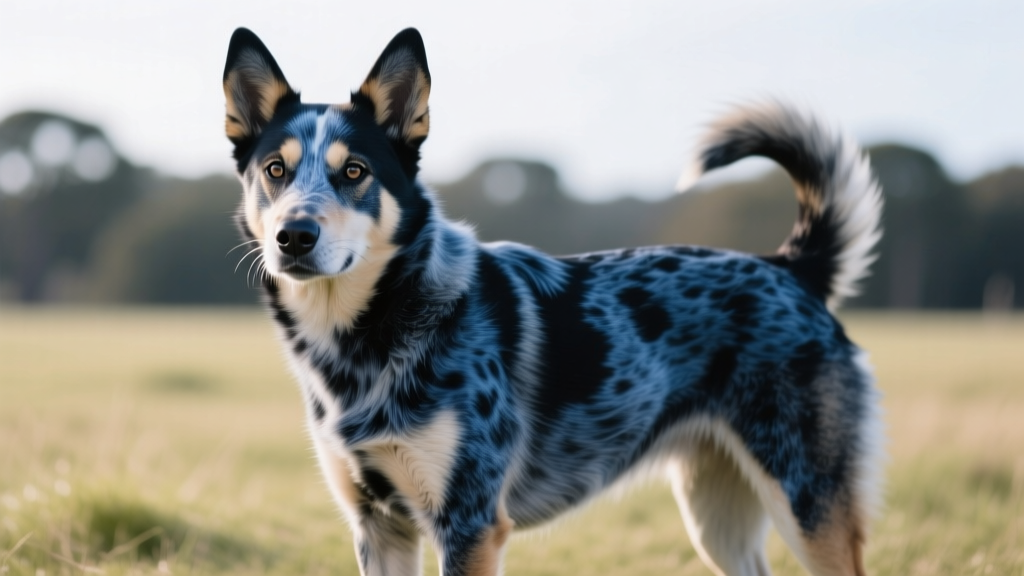
German Shepherd Wolf Dog Hybrid: Complete Breed Guide
Everything about the German Shepherd wolf dog hybrid: size, temperament, health risks, cost, legality, and whether this wolfdog suits your household.

The German Shepherd wolf dog hybrid — often called a Saarloos Wolfdog, Czechoslovakian Wolfdog cross, or simply a "wolf-dog" depending on lineage — is one of the most controversial and misunderstood canine companions in the United States. Unlike standard designer mixes such as Goldendoodles or Labradoodles, this hybrid involves crossing a domestic dog (Canis lupus familiaris) with a wolf (Canis lupus) or a high-content wolfdog, producing offspring that carry wild genetics alongside domesticated traits.
Before you fall for those striking amber eyes and lupine silhouette, understand this: wolf-dog hybrids are not simply "edgy German Shepherds." They require specialized knowledge, legal clearance, reinforced containment, and an owner willing to accept profound behavioral unpredictability. This guide breaks down everything prospective owners need to know in 2026, from generation terminology to real-world costs and containment requirements.
Parent Breed Breakdown: German Shepherd and Gray Wolf
To understand the hybrid, you must understand both parents. The genetic tug-of-war between domestication and wild instinct defines every aspect of this animal's behavior, health, and care requirements.
| Trait | German Shepherd (GSD) | Gray Wolf (Timber/Arctic) |
|---|---|---|
| Scientific Classification | Canis lupus familiaris | Canis lupus (subspecies vary) |
| Average Weight | 50–90 lb / 23–41 kg | 70–145 lb / 32–66 kg |
| Average Height | 22–26 in / 56–66 cm | 26–34 in / 66–86 cm at shoulder |
| Lifespan | 9–13 years | 6–8 years (wild); 12–17 years (captivity) |
| Social Structure | Human-oriented, trainable pack bond | Hierarchical pack structure, minimal human bonding |
| Prey Drive | Moderate to high (herding instinct) | Extremely high (apex predator) |
| Trainability | Exceptional — ranks #3 in AKC intelligence rankings | Very low — independent problem-solvers, not biddable |
| Fear Response | Flight-then-fight; socialized GSDs are confident | Flight-first; neophobic (fear of novel stimuli) |
| Vocalization | Bark, whine, occasional howl | Howl, growl, rarely bark |
| Legal Status | No restrictions | Regulated or banned in many U.S. states and municipalities |
The German Shepherd contributes trainability, loyalty, and structural soundness. The wolf contributes size, prey drive, neophobia, and a fundamental independence that makes traditional obedience training unreliable. The resulting hybrid inherits a mosaic of these traits — and which traits dominate varies dramatically between individuals, even within the same litter.
Generation Terminology: F1, F1B, and Multigen Wolfdogs
Unlike Poodle-based designer breeds where generation labels (F1, F1B, F2) correlate with predictable coat and temperament outcomes, wolfdog generation labels primarily indicate wolf content percentage — and even that is unreliable without DNA testing.
- F1 (First Generation): Direct cross between a pure wolf and a pure German Shepherd. Wolf content: ~50%. These animals are the most unpredictable and often the most wolf-like in behavior.
- F1B (First Generation Backcross): An F1 wolfdog bred back to a German Shepherd. Wolf content: ~25%. Slightly more dog-like temperament, but still carries significant wild traits.
- F2 (Second Generation): Two F1 wolfdogs bred together. Wolf content: ~50%, but with greater genetic recombination and variability.
- Multigen (F3+): Multiple generations of wolfdog-to-wolfdog or wolfdog-to-dog breeding. Wolf content ranges from 10% to 80%+ depending on breeding choices. "Low content" (under 25%), "mid content" (25–50%), and "high content" (50%+) are the terms used by experienced wolfdog handlers.
Critical note: Phenotype (physical appearance) does not reliably indicate wolf content. A low-content wolfdog can look more wolf-like than a high-content animal. Embark or Wisdom Panel DNA tests can estimate wolf ancestry percentage, but visual assessment by breeders is notoriously inaccurate.
Most German Shepherd wolf dog hybrids available to private owners in the U.S. are low-to-mid content multigen animals, because true F1 crosses (wolf × GSD) are illegal in many jurisdictions and extremely difficult to manage. Reputable wolfdog educators like the Association of Zoos and Aquariums and specialized sanctuaries generally discourage private ownership of high-content animals.
Size Range: How Big Does This Hybrid Get?
Size is one of the more predictable traits, but even here, variability is substantial. Wolf genetics tend to increase height and lean mass, while the GSD contributes a stockier build. The combination produces a range that can surprise first-time owners.
| Content Level | Weight Range | Height at Shoulder | Build Description |
|---|---|---|---|
| Low content (<25% wolf) | 55–95 lb / 25–43 kg | 23–28 in / 58–71 cm | Mostly GSD build; slightly longer legs |
| Mid content (25–50% wolf) | 65–120 lb / 29–54 kg | 25–32 in / 64–81 cm | Lean, rangy; narrow chest; long limbs |
| High content (50%+ wolf) | 80–145 lb / 36–66 kg | 28–34 in / 71–86 cm | Wolf-typical build; deep chest, large paws, sloping topline |
Males consistently outweigh females by 15–30 lb / 7–14 kg across all content levels. Growth plates in wolfdogs may close later than in pure domestic dogs — some mid- and high-content animals continue growing until 24–30 months, compared to the typical 18 months for a standard GSD. Consult your veterinarian about appropriate large-breed puppy nutrition to support controlled growth and joint health.
Coat Types and Grooming Requirements
German Shepherds carry a double coat — dense undercoat with a longer guard hair outer coat. Wolves also carry a double coat, typically thicker and more weather-resistant. The hybrid almost always inherits a heavy double coat, but texture, length, and color vary.
Coat Possibilities
- GSD-dominant coat: Medium-length, straight to slightly wavy guard hairs with dense tan-and-black undercoat. Most common in low-content animals.
- Wolf-dominant coat: Longer guard hairs (3–5 inches), agouti or grizzled coloring, extremely dense undercoat. Seasonal "blow" sheds massive amounts of fur. Common in mid- and high-content animals.
- Rare variants: Occasionally, recessive genes produce sable, solid white, or solid black coats. These do not correlate with wolf content.
Is this mix hypoallergenic or low-shedding? Absolutely not. Both parent breeds are prolific shedders. Expect year-round moderate shedding with two heavy "coat blow" periods annually (spring and fall). During these 2–4 week periods, daily brushing with an undercoat rake (such as the FURminator deShedding Tool for large breeds, approximately $35–$45) is essential. A high-velocity dryer like the B-Air Bear Power Dryer ($120–$180) dramatically reduces loose undercoat.
Grooming Schedule
- Weekly: 20–30 minute brushing session with a slicker brush and undercoat rake
- During coat blow (2× per year): Daily brushing, 30–45 minutes; professional grooming deshedding treatment ($60–$90 per session)
- Bathing: Every 6–8 weeks or as needed — over-bathing strips natural oils from the double coat
- Nails: Trim every 2–3 weeks; wolfdog nails grow thick and can split if overgrown
- Never shave: Shaving a double-coated wolfdog damages the coat's insulating structure and can cause permanent alopecia
Temperament: The Predictable Unpredictability
This is the section where most prospective owners either commit or reconsider. The German Shepherd wolf dog hybrid's temperament exists on a wide spectrum, and no breeder can guarantee where an individual puppy will land.
Best-Case Temperament Scenario
A low-content hybrid (<25% wolf), raised from 8 weeks with intensive socialization, positive reinforcement training, and consistent leadership, may behave similarly to a high-drive working-line German Shepherd: alert, intelligent, deeply bonded to family, wary of strangers but not aggressive, and responsive to obedience cues. These animals thrive in active homes with experienced handlers who understand canine body language and prey drive management.
Challenging Temperament Scenario
A mid- to high-content hybrid, or any wolfdog with insufficient early socialization, may exhibit:
- Extreme neophobia: Terror responses to novel objects, people, sounds, or environments. This is not "shyness" — it is a wild animal's survival instinct and can manifest as panic-driven escape attempts or fear-based aggression.
- High prey drive: Unreliable recall around wildlife, livestock, cats, or small dogs. This is non-negotiable instinct, not a training failure.
- Destructive behavior: Digging, chewing, and climbing far beyond typical dog levels. Wolfdogs can excavate under standard fences, scale 6-foot barriers, and dismantle lightweight enclosures.
- Seasonal behavioral shifts: Intact wolfdogs experience intense hormonal surges during breeding season (typically January–April), leading to increased roaming, vocalization, aggression, and escape attempts.
- Inconsistent obedience: Even well-trained wolfdogs may ignore commands when stimulated. Wolf genetics prioritize independent decision-making over biddability.
Health Considerations: Debunking Hybrid Vigor
One of the most persistent myths in designer dog marketing is that crossbreeding automatically produces healthier animals through "hybrid vigor" (heterosis). While outcrossing can reduce the incidence of recessive genetic diseases found in closed breed populations, the German Shepherd wolf dog hybrid presents unique health considerations that complicate this narrative.
Why Hybrid Vigor Is Misleading Here
Wolves and German Shepherds are not separate species — they are the same species (Canis lupus) with different subspecies designations. The genetic distance between a gray wolf and a GSD is relatively small compared to, say, a Poodle and a Golden Retriever. This means hybrid vigor benefits are minimal, and the hybrid can inherit health conditions from both parent lines.
Inherited Health Conditions
| Condition | Inherited From | Prevalence | Management |
|---|---|---|---|
| Hip Dysplasia | Both (GSD: ~19% per OFA data; wolves: lower but present) | Moderate | OFA/PennHIP screening of parents; weight management; joint supplements |
| Elbow Dysplasia | Primarily GSD | Moderate | OFA elbow radiographs; surgical intervention if severe |
| Degenerative Myelopathy (DM) | GSD (SOD1 gene mutation) | Low–moderate | DNA test available; progressive, no cure |
| Gastric Dilatation-Volvulus (Bloat) | Both (deep-chested animals) | Moderate | Prophylactic gastropexy; slow-feed bowls; no exercise 1 hour after meals |
| Hemangiosarcoma | GSD predisposition | Low | No reliable screening; poor prognosis |
| Parvovirus Susceptibility | Wolf genetics may reduce vaccine efficacy | Variable | Modified-live vaccines; consult veterinarian about extended puppy series |
| Exocrine Pancreatic Insufficiency (EPI) | GSD | Low | Lifelong enzyme supplementation |
Vaccine response concern: Research published in veterinary literature suggests that wolf-dog hybrids may not mount adequate antibody responses to standard canine vaccines, particularly rabies and parvovirus, at the same rate as domestic dogs. Some veterinarians recommend titer testing post-vaccination to confirm immunity rather than assuming standard protocols are sufficient. Always discuss your wolfdog's vaccination plan with a veterinarian experienced in exotic or hybrid canid care.
Lifespan: Low-content hybrids typically live 10–14 years. Mid-content animals average 10–13 years. High-content wolfdogs may live 12–17 years (similar to captive wolves), but data is limited and individual outcomes vary significantly based on care quality and genetic luck.
Legal Restrictions and Containment Requirements
This is where many aspiring wolfdog owners hit a wall. Wolf-dog hybrids are restricted or banned in numerous U.S. states, counties, and municipalities. Laws vary dramatically by jurisdiction, and enforcement is inconsistent but real.
Legal Landscape (2026)
- States with full bans on private wolfdog ownership: Alabama, Georgia, Hawaii, Maryland (some counties), and others. Laws change — always verify with your state wildlife agency and local animal control.
- States requiring permits or licenses: Indiana, Michigan, North Dakota, and others require USDA or state-level exotic animal permits.
- States with no statewide restrictions (but local bans may apply): Arizona, Nevada, Ohio (post-2014 exotic animal law), and others.
- Homeowner's insurance: Most major insurers (State Farm, Allstate, Geico) either exclude wolfdogs from liability coverage or cancel policies entirely upon disclosure. Specialized exotic pet insurance (e.g., Exotic Pet Insurance from Trupanion's specialty division) may be required.
Containment Standards
A standard 6-foot residential fence is not sufficient for a mid- or high-content wolfdog. Recommended containment includes:
- Fence height: Minimum 8 feet for mid/high content; 6 feet with lean-in extensions for low content
- Dig-proofing: Concrete footer or buried hardware cloth extending 18–24 inches below grade and 12 inches outward (L-footer)
- Double-gate entry system: Prevents bolt-through escapes — standard at wolf sanctuaries and AZA-accredited facilities
- Roofing or lean-ins: Wolfdogs can climb and jump; a fully enclosed run with welded wire roofing is safest
- Locks: Carabiner or combination locks on all gates — wolfdogs learn to nose open simple latches
Expect to invest $3,000–$8,000 in proper containment infrastructure before bringing a wolfdog home. This is non-negotiable for animal safety and community liability.
Cost Breakdown: Purchase Price and Lifetime Expenses
| Expense Category | Low Estimate | High Estimate | Notes |
|---|---|---|---|
| Purchase price (low content, reputable breeder) | $800 | $2,500 | Reputable wolfdog breeders are rare; many "breeders" are backyard operations |
| Purchase price (mid content) | $1,500 | $5,000 | Demand-driven pricing; verify wolf content via DNA test |
| Purchase price (high content) | $3,000 | $10,000+ | Often sold by specialty breeders; legal restrictions apply |
| Adoption/rescue fee | $150 | $500 | Wolfdog rescues (e.g., Howling Woods Farm, Full Moon Wolfdog Rescue) have intake animals regularly |
| Containment infrastructure | $3,000 | $8,000 | One-time cost; essential |
| Annual food (high-protein, large breed) | $1,200 | $2,400 | Raw or premium kibble; wolfdogs often do poorly on standard commercial diets |
| Annual veterinary care | $600 | $1,500 | May require exotic/wildlife-experienced vet; higher rates |
| Annual insurance | $800 | $2,000 | Specialized policies; many insurers exclude wolfdogs |
| Training (professional, first year) | $500 | $2,000 | Private sessions with wolfdog-experienced trainer |
First-year total estimate: $8,000–$25,000 depending on content level, containment needs, and purchase source. Ongoing annual cost: $2,600–$5,900.
Breeder vs. Rescue: Reputable wolfdog breeders are extremely uncommon. Many animals marketed as "wolf-dog hybrids" are actually high-content wolfdogs from unregulated breeders with no health testing, no take-back guarantees, and no socialization protocols. Wolfdog sanctuaries and rescues are overwhelmed with surrendered animals — adoption is a viable and ethically sound option. Organizations like the ASPCA and specialized wolfdog rescues maintain adoption networks.
Who This Mix Suits Best
The German Shepherd wolf dog hybrid is not a good fit for:
- First-time dog owners
- Families with young children (wolfdog bite risk and prey-drive responses to running/screaming children are documented concerns)
- Multi-pet households with cats, small dogs, or livestock
- Apartment dwellers or homes without secure, reinforced outdoor space
- Owners who work long hours away from home
- Anyone unwilling to research local legality before acquiring the animal
This hybrid may suit:
- Experienced working-dog handlers (protection sport, search-and-rescue, or ranch backgrounds)
- Rural property owners with acreage and proper containment infrastructure
- Adults-only households with no small pets
- Owners prepared for a 12–15 year commitment to an animal that may never be fully "obedient" in the traditional sense
- Individuals who view the wolfdog as a companion to be managed and understood rather than a pet to be controlled
Frequently Asked Questions
What two breeds make up this mix?
The German Shepherd wolf dog hybrid is a cross between a domestic German Shepherd Dog (Canis lupus familiaris) and a gray wolf (Canis lupus) or an existing wolfdog of varying content. Some breeders use specific wolf subspecies (e.g., Eastern Timber Wolf, Arctic Wolf), but most U.S. wolfdogs derive from Northwestern gray wolf lineage.
How big will this mixed breed get?
Depending on wolf content, adults range from 55 lb / 25 kg (low-content females) to 145 lb / 66 kg (high-content males). Height ranges from 23 to 34 inches / 58 to 86 cm at the shoulder. Most mid-content animals settle around 75–100 lb / 34–45 kg.
What will the temperament be like?
Temperament ranges from "high-drive German Shepherd" (low content, well-socialized) to "semi-wild canid with limited human bonding" (high content). Key variables include wolf content percentage, age at acquisition, socialization intensity, and individual genetic lottery. No breeder can guarantee a specific temperament outcome.
Is this mix hypoallergenic or low-shedding?
No. Both German Shepherds and wolves are heavy-shedding double-coated animals. The hybrid sheds year-round with intense seasonal coat blows. People with dog allergies should not consider this mix.
What health issues might this mix inherit?
Primary concerns include hip dysplasia, elbow dysplasia, degenerative myelopathy, bloat (GDV), and potentially reduced vaccine efficacy. Hybrid vigor does not eliminate these risks. Health-test both parents via OFA radiographs and DNA panels before purchasing.
How much does this designer mix cost?
Purchase prices range from $800 for low-content pups from ethical sources to $10,000+ for high-content animals. Adoption through wolfdog rescues typically costs $150–$500. First-year total expenses (including containment, food, vet care, and training) typically range from $8,000 to $25,000.
Is it legal to own a German Shepherd wolf dog hybrid?
Legality varies by state, county, and municipality. Some jurisdictions ban wolfdogs entirely, others require permits, and some have no restrictions. Always verify with your local animal control authority and state wildlife agency before acquiring a wolfdog. Violations can result in confiscation and euthanasia of the animal.
Can a wolfdog be a service dog or therapy dog?
Realistically, no. The unpredictability, neophobia, and inconsistent obedience of wolfdogs make them unsuitable for public access work. ADA-recognized service dog programs do not use wolfdog hybrids.
This article is for informational purposes only and does not replace professional veterinary advice. Always consult your veterinarian before making decisions about hybrid canid health, vaccination, or nutrition. If you suspect your animal has ingested a toxic substance, contact the ASPCA Animal Poison Control Center at (888) 426-4435 (24/7, consultation fee applies).
Marcus Aldridge
All our authors care for dogs every day — read more of their work on the authors page.