Australian Cattle Dog Husky Mix: Temperament, Size & Care Guide
Australian Cattle Dog Husky mix: size, temperament, coat types, health risks, and if this high-energy cross suits your lifestyle.
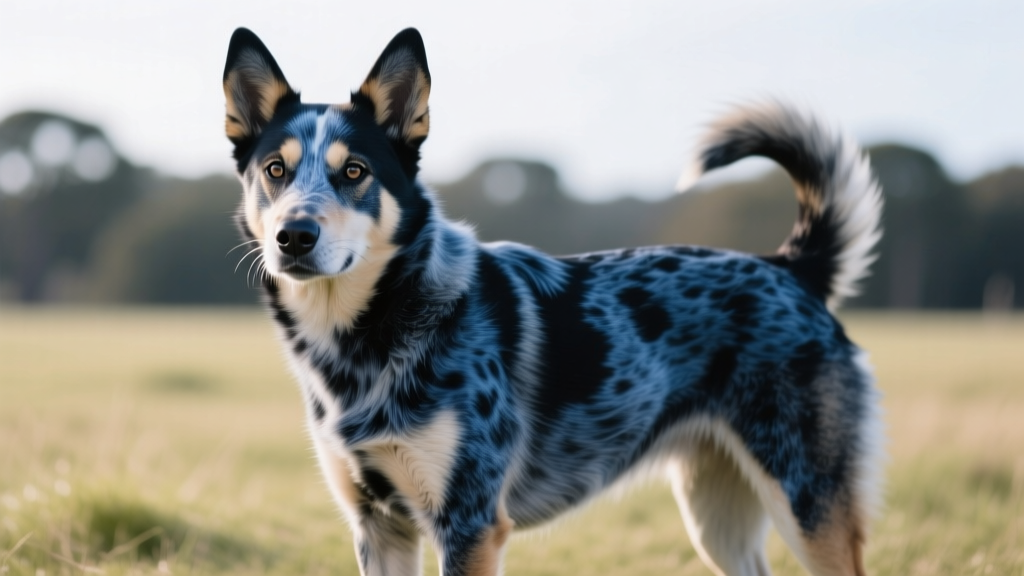
What Is an Australian Cattle Dog Husky Mix?
The Australian Cattle Dog Husky mix — sometimes called the "Aussky Heler" or "Blue Husky" — is a designer cross between the Australian Cattle Dog (also known as the Blue Heeler or Queensland Heeler) and the Siberian Husky. This is not an AKC-recognized breed. It's a first-generation or multigenerational cross that combines two of the most energetic, intelligent, and strong-willed working dogs in the canine world.
If you're researching this mix, you've probably already noticed that both parent breeds are famous for their endurance, independence, and tendency to outsmart their owners. That's not an exaggeration — and it's the single most important thing to understand before bringing one of these dogs home.
Parent Breed Breakdown: What Each Parent Brings
To understand what you might get in an Australian Cattle Dog Husky mix, you need to understand the two parent breeds individually. Each contributes a distinct set of traits, drives, and physical characteristics.
| Trait | Australian Cattle Dog | Siberian Husky |
|---|---|---|
| Origin | Australia — developed in the 1800s to herd cattle across rugged outback terrain | Northeast Asia — bred by the Chukchi people as endurance sled dogs |
| AKC Group | Herding Group | Working Group |
| Weight Range | 35–50 lb (16–23 kg) | 35–60 lb (16–27 kg) |
| Height | 17–20 in (43–51 cm) | 20–23.5 in (51–60 cm) |
| Lifespan | 12–16 years | 12–14 years |
| Energy Level | Very high — needs 90+ minutes of vigorous daily exercise | Very high — needs 60–90+ minutes of sustained activity |
| Coat | Short, dense double coat; blue or red speckled/mottled | Medium-length double coat; wide color range (black, gray, red, agouti, white) |
| Shedding | Moderate year-round, heavy seasonal blows | Heavy — especially during biannual coat blows |
| Key Drive | Herding instinct; nipping, circling, controlling movement | Prey drive; running, pulling, roaming |
| Trainability | High intelligence but independent; can be stubborn without clear leadership | High intelligence but notoriously independent; not biddable like a retriever |
| Vocalization | Alert barker, generally quieter than Husky | Howler, talker, vocal — rarely barks but "speaks" frequently |
Both breeds share a common thread: they were developed to make independent decisions while working. The Cattle Dog had to manage stubborn cattle without constant human direction. The Husky had to navigate treacherous Arctic terrain and pace itself over hundreds of miles. This means your mix will likely be a thinker — not a dog that blindly follows commands.
Understanding Generations: F1, F1B, F2, and Multigen
Generation Explainer
- F1 (First Generation): One purebred Australian Cattle Dog × one purebred Siberian Husky. Maximum genetic diversity. Traits are the most unpredictable — puppies may strongly favor one parent or land somewhere in between.
- F1B (First Generation Backcross): An F1 mix bred back to one of the purebred parents (e.g., F1 mix × purebred Husky). This skews traits toward the backcross parent — useful if you want more Husky-like appearance or slightly softer temperament.
- F2 (Second Generation): Two F1 Australian Cattle Dog Husky mixes bred together. Genetic variability increases here (Mendelian reshuffling), making F2 litters the least predictable of all generations.
- Multigen (F3+): Multiple generations of Australian Cattle Dog Husky mix bred together. Over time, traits begin to stabilize, but this is still not a recognized breed and consistency is nowhere near purebred levels. True multigen lines for this specific cross are extremely rare as of 2026.
Most Australian Cattle Dog Husky mixes you'll encounter are F1 crosses, often produced by small hobby breeders or resulting from unplanned pairings. Multigen breeding programs for this specific mix are essentially nonexistent — unlike Labradoodles or Goldendoodles, this cross hasn't developed a dedicated breeder network. That means you should expect significant puppy-to-puppy variation even within a single litter.
Size and Physical Appearance: What to Expect
Because both parent breeds fall in a similar medium-size range, the Australian Cattle Dog Husky mix is somewhat more predictable in size than crosses pairing a toy breed with a giant breed. But there's still meaningful variation.
| Category | Low End | High End | Notes |
|---|---|---|---|
| Weight | 35 lb (16 kg) | 60 lb (27 kg) | Males tend toward the higher end; females toward the lower |
| Height at Shoulder | 17 in (43 cm) | 23 in (58 cm) | Husky-dominant offspring are taller and leggier |
| Body Type | Compact, stocky (Cattle Dog build) | Lean, athletic (Husky build) | Most individuals fall in between |
Coat and Color Possibilities: This is where the mix gets genuinely unpredictable. Your dog could inherit:
- Cattle Dog coat: Short, dense, blue speckled or red speckled with possible tan markings and facial masks
- Husky coat: Medium-length, plush double coat in black-and-white, gray-and-white, red-and-white, sable, or agouti
- A blend: Medium-length coat with Heeler-style mottling and Husky-style facial markings — this is actually one of the most striking combinations seen in F1 litters
Eye color is another wildcard. Cattle Dogs typically have dark brown eyes, while Huskies can have blue, brown, bi-eyed (one of each), or parti-eyed (multiple colors in one iris). Blue or heterochromatic eyes are possible in this mix and are highly sought after — but they cannot be guaranteed.
Temperament: Best-Case and Challenging Scenarios
The temperament of an Australian Cattle Dog Husky mix is where prospective owners need to be most honest with themselves. Both parent breeds are brilliant, high-drive working dogs that were never bred to be casual house pets.
Best-Case Temperament
- Loyal and deeply bonded to family members
- Playful and humorous — Husky "talkativeness" meets Heeler alertness
- Excellent hiking, running, or agility partner
- Good with children when properly socialized from puppyhood
- Alert watchdog without excessive aggression
- Thrives with structured training and job-like activities
Challenging Scenarios
- Herding + prey drive combo: May chase children, cats, bicycles, or cars — Cattle Dog nipping instinct layered on top of Husky prey drive creates a dog that moves first and thinks later
- Destructive when under-exercised: This is not a dog that will nap on the couch all day — boredom leads to chewing, digging, and escape attempts
- Escape artist: Huskies are notorious fence-jumpers and diggers; Cattle Dogs are clever enough to figure out latch mechanisms
- Vocal: Howling (Husky) combined with alert barking (Heeler) can create noise complaints in apartments or close-quarter neighborhoods
- Independent thinker: Neither parent breed is a biddable "yes sir" dog — training requires patience, creativity, and high-value rewards
The herding instinct factor: Australian Cattle Dogs were bred to nip at cattle heels to move them. This instinct doesn't disappear in a mix. Puppies may nip at running children, chase joggers, or try to "herd" other pets. Early and ongoing socialization and redirection are essential — never punish the instinct, but teach incompatible behaviors (like "sit and watch me" when a child runs by).
The prey drive factor: Siberian Huskies have strong prey drives. According to the AKC Siberian Husky breed standard, they should not be trusted off-leash in unsecured areas. Your mix may or may not inherit this trait, but you should plan for it — meaning a secure 6-foot fence (with dig-proofing at the base) and a reliable recall trained over months, not weeks.
Health Considerations: Hybrid Vigor vs. Reality
Let's address a common misconception head-on: "hybrid vigor" does not guarantee a healthier dog. The concept of heterosis (hybrid vigor) is real in livestock genetics, but in dogs, the health benefits of crossbreeding are more modest and nuanced than popular marketing suggests. A 2023 study published in the Journal of the American Veterinary Medical Association found that mixed-breed dogs had a lower incidence of some inherited disorders compared to purebreds, but were not universally healthier across all conditions.
What hybrid vigor can do is reduce the risk of recessive conditions that require two copies of a defective gene — if one parent doesn't carry the gene, the puppy won't be affected. But many serious conditions are polygenic (influenced by multiple genes) or have environmental triggers, meaning crossbred dogs can still inherit them.
Conditions to Screen For (From Both Parent Breeds)
| Condition | Inherited From | Prevalence | Screening |
|---|---|---|---|
| Hip Dysplasia | Both breeds | ~15–20% in Cattle Dogs; ~5–10% in Huskies (OFA data) | OFA or PennHIP evaluation of parent dogs |
| Progressive Retinal Atrophy (PRA) | Both breeds (different genetic forms) | Variable; prcd-PRA common in Cattle Dogs | DNA test for prcd-PRA; CERF eye exam |
| Deafness | Australian Cattle Dog (associated with white coat/pigment genes) | ~2–3% unilateral or bilateral in the breed | BAER hearing test — especially important for puppies with extensive white markings |
| Elbow Dysplasia | Both breeds (lower prevalence) | ~5% in Cattle Dogs | OFA elbow evaluation |
| Cataracts | Siberian Husky (hereditary juvenile cataracts) | ~10% in Huskies | Annual CERF/CAER eye exam by veterinary ophthalmologist |
| Lens Luxation | Australian Cattle Dog | Lower prevalence but documented | Eye exam; DNA test available |
What to ask a breeder: Request proof of OFA hip and elbow scores, CERF eye clearance, and prcd-PRA DNA test results for both parent dogs. A responsible breeder will have these readily available. If a breeder says "they're mixed so they don't have health problems," that's a red flag — walk away.
As always, consult your veterinarian about an appropriate screening and wellness schedule for your individual dog, especially if you don't know the full genetic background.
Grooming and Coat Care
Your Australian Cattle Dog Husky mix will have a double coat — that part is virtually guaranteed, since both parent breeds are double-coated. What varies is the length and density of that coat, which directly affects your grooming workload.
If the coat is Cattle Dog-dominant (short, dense):
- Brush 2–3 times per week with a slicker brush or rubber curry comb
- Expect moderate year-round shedding with two heavier seasonal "blows" (spring and fall)
- Bathe every 6–8 weeks or as needed — over-bathing strips natural oils
If the coat is Husky-dominant (medium-length, plush):
- Brush 4–5 times per week during shedding season; 2–3 times per week otherwise
- Use an undercoat rake (like the FURminator deShedding Tool or a Chris Christensen Big G slicker) during coat blows
- Expect significant shedding — invest in a good vacuum (the Dyson V15 Detect or Shark Navigator Lift-Away handle pet hair well)
- Bathe every 6–10 weeks; blow-dry with a high-velocity dryer (like the MetroVac Air Force Commander, ~$120–$150) to remove loose undercoat efficiently
Is This Mix Hypoallergenic or Low-Shedding?
No. Neither the Australian Cattle Dog nor the Siberian Husky carries low-shedding or hypoallergenic coat genetics. There is no Poodle, Bichon, or Portuguese Water Dog in this mix. You should expect moderate-to-heavy shedding year-round, with intense seasonal shedding events twice a year.
If you or a household member has dog allergies, this is not a suitable mix. Dog allergies are triggered primarily by dander and saliva proteins (particularly Can f 1 and Can f 2), and heavy-shedding breeds distribute more dander throughout the environment. For allergy-friendly alternatives, consider mixes that include a Poodle parent (such as a Husky-Poodle mix, though those are equally rare and unpredictable).
Exercise, Training, and Mental Stimulation
This is where most Australian Cattle Dog Husky mix owners either succeed spectacularly or fail catastrophically. These dogs need 90–120 minutes of physical and mental exercise daily — not a casual 20-minute walk around the block.
Physical Exercise Minimums
- Running/jogging: 30–45 minutes, 4–5 times per week (adults only — wait until growth plates close around 14–18 months)
- Hiking: Excellent outlet; varied terrain provides mental stimulation alongside physical work
- Fetch/flirt pole: 15–20 minutes of high-intensity chasing satisfies prey drive safely
- Bikejoring or canicross: Ideal for Husky-dominant individuals who want to pull — use a proper pulling harness (like the Ruffwear Front Range or Non Stop Dogwear Freemotion) and a bungee leash
Mental Stimulation (Non-Negotiable)
- Puzzle feeders: Outward Hound Nina Ottosson puzzles, KONG Wobbler, or snuffle mats for meals
- Nosework: Teach scent discrimination — both breeds excel at this and it tires them out faster than physical exercise alone
- Trick training: 10–15 minute sessions, 2–3 times daily; use positive reinforcement with high-value treats (freeze-dried liver, chicken, or cheese)
- Dog sports: Agility, herding trials (for Cattle Dog-dominant individuals), rally obedience, or fast CAT — these dogs thrive with structured competition
Training methods: Use only positive reinforcement and force-free (LIMA — Least Intrusive, Minimally Aversive) methods. Both parent breeds are sensitive to harsh handling and will shut down or become defensively reactive if trained with shock collars, prong collars, or alpha rolls. Aversive methods also damage the trust bond that these independent thinkers need to cooperate with you.
Cost: Purchase Price, Annual Care, and Where to Find One
| Expense | Estimated Range | Notes |
|---|---|---|
| Puppy from a small breeder | $500–$1,200 | This is not a high-demand "designer" cross like a Doodle; pricing reflects hobby breeders, not premium programs |
| Rescue/adoption | $150–$400 | Check Australian Cattle Dog rescues and Husky rescues — mixes frequently end up in breed-specific rescues |
| First-year veterinary costs | $600–$1,200 | Includes puppy vaccine series (DHPP, rabies, bordetella), spay/neuter, heartworm prevention, fecal tests |
| Annual ongoing care | $1,500–$3,000/year | Food ($50–$90/month for quality kibble or balanced raw), preventives, grooming supplies, toys, training classes |
| Pet insurance | $35–$70/month | Varies by age, location, and coverage level (Trupanion, Healthy Paws, or Lemonade are commonly used) |
Where to find one: Because this isn't a trendy designer breed with established breeding programs, your best options are:
- Breed-specific rescues: Australian Cattle Dog Club of America rescue network, Siberian Husky Club of America rescue, and regional Husky/Heeler rescues frequently have mixes available.
- Petfinder and Adopt-a-Pet: Search by parent breed and filter for mixed breeds in your region.
- Small hobby breeders: If you go this route, insist on health testing documentation for both parents. Visit the breeding facility. Ask about the breeder's take-back policy. Avoid anyone selling on marketplace platforms without health clearances.
Who Should (and Shouldn't) Get This Mix?
Good Fit For:
- Experienced dog owners (ideally with herding or working breed background)
- Active singles or couples who run, hike, or bike daily
- Homes with secure, tall fencing (minimum 6 feet, with dig-proofing)
- Rural or suburban properties with space to move
- Families with older children (10+) who understand dog body language
- Owners interested in dog sports (agility, herding, nosework, rally)
- People who enjoy training and see it as a hobby, not a chore
Poor Fit For:
- First-time dog owners — the combination of herding instinct, prey drive, and independence is overwhelming without prior experience
- Apartment living — exercise needs and vocalization make this a poor fit for close-quarter housing
- Sedentary households — if your idea of exercise is a 10-minute walk, this dog will become destructive and unhappy
- Families with toddlers or very young children — herding nips and high energy can accidentally knock over small children
- Homes with cats or small animals — unless the dog is raised with them from puppyhood and carefully managed, prey drive is a real risk
- People who work 8+ hours away from home with no dog-walking support
- Owners who want an off-leash companion — the Husky prey drive makes reliable off-leash recall extremely difficult to achieve
Frequently Asked Questions
What two breeds make up the Australian Cattle Dog Husky mix?
The Australian Cattle Dog (also called Blue Heeler or Queensland Heeler) and the Siberian Husky. The Australian Cattle Dog is a herding breed developed in Australia for droving cattle. The Siberian Husky is a working sled dog breed originating from Northeast Asia. Both are medium-sized, double-coated, high-energy breeds.
How big will an Australian Cattle Dog Husky mix get?
Most individuals weigh between 35–60 lb (16–27 kg) and stand 17–23 inches (43–58 cm) at the shoulder. Males tend to be larger. The exact size depends on which parent's genes are more dominant — a Husky-dominant offspring will be taller and heavier, while a Cattle Dog-dominant one will be more compact.
What will the temperament be like?
Expect an intelligent, high-energy, independent dog with strong working drives. The exact temperament depends on the genetic mix — Cattle Dog-dominant dogs tend to be more focused and herding-oriented, while Husky-dominant dogs tend to be more vocal, prey-driven, and roaming-inclined. All individuals need extensive exercise, mental stimulation, and consistent positive-reinforcement training.
Is the Australian Cattle Dog Husky mix hypoallergenic or low-shedding?
No. Both parent breeds are moderate-to-heavy shedders with double coats. This mix will shed year-round with intensified seasonal shedding ("coat blows") in spring and fall. It is not suitable for allergy sufferers.
What health issues might this mix inherit?
Key conditions to watch for include hip dysplasia, progressive retinal atrophy (PRA), deafness (particularly in dogs with white coat genes from the Cattle Dog parent), elbow dysplasia, cataracts, and lens luxation. Reputable breeders should provide OFA hip/elbow scores, CERF eye clearances, and prcd-PRA DNA test results for both parents.
How much does an Australian Cattle Dog Husky mix cost?
Puppies from small hobby breeders typically cost $500–$1,200. Adoption through breed-specific rescues costs $150–$400. First-year expenses (vet care, supplies, food) typically add $2,000–$4,000 on top of the purchase or adoption price. Ongoing annual care runs $1,500–$3,000.
Can this mix live with cats?
It's risky. Both parent breeds have strong chase drives — the Cattle Dog's herding instinct and the Husky's prey drive can make cohabitation with cats dangerous. If raised together from puppyhood with careful management, some individuals can coexist peacefully, but this should never be assumed. Always supervise interactions and provide the cat with escape routes and high perches.
How long do Australian Cattle Dog Husky mixes live?
Typically 12–15 years, which aligns with the lifespan of both parent breeds. Maintaining a lean body condition score (BCS of 4–5 out of 9), feeding a nutritionally complete diet, and keeping up with preventive veterinary care will help maximize longevity.
Aaron Whyte
All our authors care for dogs every day — read more of their work on the authors page.


