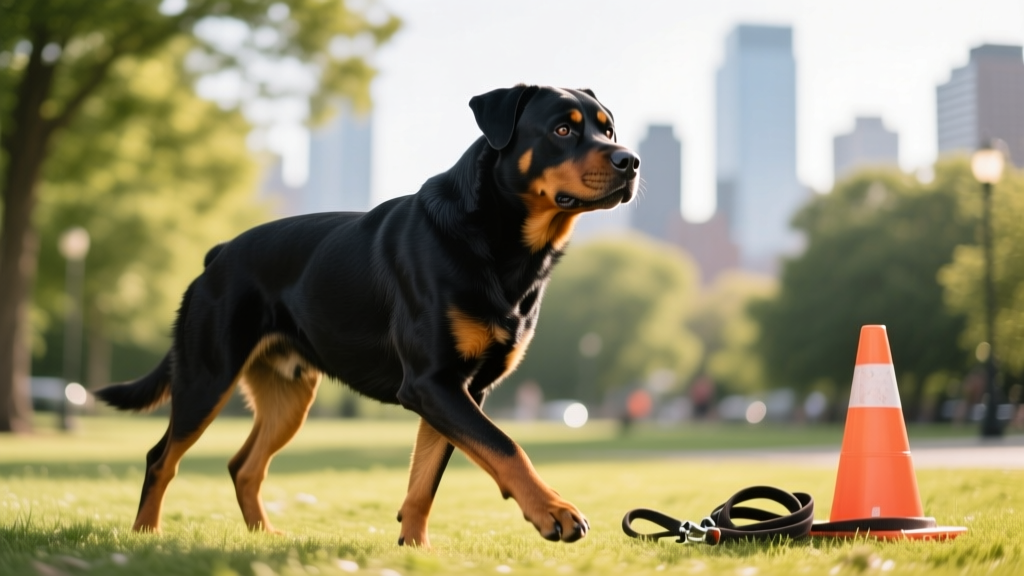
German Shepherd Mix With Pitbull Puppy: Complete Care & Breed Guide
Everything you need to know about the German Shepherd mix with Pitbull puppy — size, temperament, health risks, training tips, and real costs for 2026.

If you've been searching for a German Shepherd mix with Pitbull puppy, you're looking at one of the most physically impressive and emotionally intense crossbreeds available today. Sometimes called the Shepherd Pit, German Pit, or GSD Pitbull mix, this designer blend combines two powerful working-line breeds into a dog that demands experienced handling, early socialization, and serious daily exercise.
Unlike some designer mixes where traits are fairly predictable, the German Shepherd × Pitbull cross is a genetic lottery. One puppy in the litter might lean heavily toward the Shepherd's aloofness and herding instincts, while a littermate could inherit the Pitbull's clownish sociability and tenacious bite-and-hold play style. Understanding both parent breeds — and the wide variability this mix produces — is essential before you commit.
What Two Breeds Make Up the German Shepherd Mix With Pitbull Puppy?
This cross combines the German Shepherd Dog (GSD) — a herding and protection breed originating in 19th-century Germany — with the American Pit Bull Terrier (APBT), a terrier-type breed developed in the UK and refined in the United States for farm work and companionship. Let's break down what each parent brings to the table.
| Trait | German Shepherd (GSD) | American Pit Bull Terrier (APBT) |
|---|---|---|
| AKC Weight Range | 50–90 lb (23–41 kg) | 30–65 lb (14–29 kg) — UKC standard |
| Height at Shoulder | 22–26 in (56–66 cm) | 17–21 in (43–53 cm) |
| Original Purpose | Herding, police/military work, protection | Farm dog, catch dog, companionship |
| Coat Type | Double coat, medium to long; heavy shedder | Single coat, short; moderate shedder |
| Temperament Baseline | Confident, aloof with strangers, loyal, trainable | Friendly, people-oriented, tenacious, playful |
| Prey Drive | High (herding instinct) | High (terrier instinct) |
| Dog Selectivity | Moderate to high — can be same-sex selective | Variable — some are dog-social, many are dog-selective or dog-aggressive after maturity |
| Lifespan | 7–10 years (show lines); up to 12–14 (working lines) | 12–16 years |
| Energy Level | High — needs 60–90 min/day structured activity | High — needs 45–75 min/day vigorous exercise |
Both breeds share intelligence, physical power, and strong handler focus. They differ significantly in social style: Shepherds tend to bond tightly with one person or family and remain reserved with outsiders, while APBTs typically greet everyone with enthusiasm. Your mix puppy could land anywhere on this spectrum.
Understanding Generations: F1, F1B, and Multigen in This Mix
- F1 (First Generation): One purebred GSD parent × one purebred APBT parent. Maximum genetic diversity but highest trait unpredictability. Most German Shepherd × Pitbull puppies you'll encounter are F1.
- F1B (First Generation Backcross): An F1 mix bred back to one of the parent breeds — for example, an F1 Shepherd Pit × purebred GSD. Produces puppies that lean ~75% toward the backcross parent breed.
- F2 (Second Generation): Two F1 Shepherd Pits bred together. Genetic recombination increases variability — you may get puppies that look almost entirely like one grandparent breed.
- Multigen (F3+): Multiple generations of Shepherd Pit × Shepherd Pit breeding. Extremely rare for this particular cross; almost all available puppies are F1 or F1B.
Unlike Poodle-based designer breeds (Labradoodles, Goldendoodles), the GSD × APBT cross has not been established as a multigen line. Most breeders produce F1 litters, and trait predictability remains limited.
Because this cross is almost exclusively F1, expect significant variation even within the same litter. One puppy might reach 85 lb with a long double coat and upright Shepherd ears, while a sibling might top out at 50 lb with a short Pitbull coat and rose ears. This is normal, not a sign of poor breeding.
How Big Will a German Shepherd Mix With Pitbull Puppy Get?
Size is one of the most variable traits in this cross. The German Shepherd parent is substantially larger than the APBT parent, and puppies can inherit any combination of growth genes from both sides.
| Category | Weight | Height at Shoulder |
|---|---|---|
| Small end (APBT-dominant) | 40–55 lb (18–25 kg) | 18–21 in (46–53 cm) |
| Average (balanced mix) | 55–75 lb (25–34 kg) | 20–24 in (51–61 cm) |
| Large end (GSD-dominant) | 75–90 lb (34–41 kg) | 23–26 in (58–66 cm) |
Growth timeline: Expect most puppies to reach approximately 75% of their adult weight by 6 months and full skeletal maturity between 14–18 months. Larger, GSD-leaning individuals may continue filling out until 24 months. During growth, feed a large-breed puppy formula (calcium content between 1.0–1.8% on a dry matter basis) to reduce the risk of developmental orthopedic disease — a concern inherited primarily from the GSD side.
A practical way to estimate adult size: weigh your puppy at 16 weeks and multiply by 2.2–2.5. This gives a rough ballpark, but the genetic spread in this cross makes any formula less reliable than it would be for a purebred.
Coat Types, Shedding, and Grooming Realities
This mix is not hypoallergenic and is not low-shedding. Regardless of which parent's coat genes dominate, you will be dealing with regular shedding. Here's what to expect:
| Coat Inheritance | Description | Shedding Level | Grooming Frequency |
|---|---|---|---|
| GSD-dominant (double coat) | Medium-length outer coat with dense undercoat; tan/black or sable coloring common | Heavy — year-round with seasonal "blowouts" 2× per year | Brush 3–4× per week; daily during shedding season |
| APBT-dominant (single coat) | Short, stiff, glossy; brindle, fawn, white, or blue coloring possible | Moderate — steady low-level shedding | Brush 1–2× per week with rubber curry comb |
| Intermediate (most common) | Short-to-medium length, slightly dense undercoat; variable coloring | Moderate to heavy | Brush 2–3× per week |
Grooming product recommendations: For the intermediate coat most puppies develop, the Furminator deShedding Tool (Medium, Short Hair) (~$35–$45) works well during heavy shed periods, while a Kong ZoomGroom rubber brush (~$10–$14) handles routine maintenance without irritating sensitive skin. Avoid shaving a double-coated mix — the undercoat provides thermal regulation, and shaving can permanently alter coat regrowth texture.
Neither parent breed is known for excessive drooling, but some GSD-dominant individuals may develop loose flews (lip folds) that require occasional wiping to prevent yeast buildup.
Temperament Range: Best-Case and Challenging Scenarios
Temperament is where this mix presents the widest variability — and where prospective owners need the most realistic expectations. Both parent breeds are intelligent and trainable, but they bring different social styles and instinctual drives that can combine in unexpected ways.
- Confident, stable, and eager to work with handler
- Friendly with family members including supervised children
- Responsive to positive reinforcement training
- Moderate energy with an off-switch in the home
- Tolerant of strangers after brief introduction
- Gets along with household dogs of opposite sex
- Strong handler-guarding or resource-guarding tendencies (GSD trait)
- Dog selectivity or same-sex aggression emerging at 18–36 months (both breeds)
- High prey drive toward cats, small dogs, or wildlife (both breeds)
- Separation anxiety or destructive behavior when under-exercised
- Fear-based reactivity if socialization window (8–16 weeks) is missed
- Mouthy, grab-and-hold play style that can be difficult to redirect (APBT trait)
Critical socialization window: According to the AVMA's socialization guidelines, puppies have a primary socialization period between approximately 3 and 14 weeks of age. For a breed mix with this level of protective and prey-drive potential, structured exposure to 100+ novel stimuli (surfaces, sounds, people of different ages/appearances, other vaccinated dogs, handling exercises) before 16 weeks is not optional — it's a behavioral necessity.
Training approach: Use exclusively positive reinforcement and LIMA (Least Intrusive, Minimally Aversive) methods. Both breeds are sensitive to handler pressure and can develop fear-based reactivity when trained with prong collars, shock collars, or alpha rolls. A qualified force-free trainer (look for CPDT-KA or IAABC certification) is worth the investment — expect to pay $80–$150 per session in most US markets.
Health Considerations: Hybrid Vigor Myth vs. Reality
Let's address a common misconception directly: hybrid vigor does not eliminate health risks. The concept of heterosis (hybrid vigor) suggests that crossing two genetically distinct populations can mask recessive disease alleles. This is partially true — but only for conditions that are recessive and differ between the parent breeds. For conditions both breeds share, the risk remains unchanged or may even compound.
Here are the specific health conditions to screen for and monitor in a German Shepherd × Pitbull mix:
| Condition | Inherited From | Prevalence | Screening Method | Estimated Treatment Cost |
|---|---|---|---|---|
| Hip Dysplasia | Both breeds (high prevalence in GSD) | ~19% of GSDs (OFA data); ~5–10% of APBTs | OFA/PennHIP radiographs at 24 months | $1,500–$6,000 per hip (surgical) |
| Elbow Dysplasia | Primarily GSD | ~15–20% of GSDs | OFA elbow radiographs | $1,500–$4,000 per elbow |
| Degenerative Myelopathy (DM) | Primarily GSD | ~35% of GSDs carry at least one copy of the SOD1 mutation | DNA test (Embark, ~$199) | No cure — supportive care ($200–$500/month for mobility aids) |
| Exocrine Pancreatic Insufficiency (EPI) | Primarily GSD | Higher in GSD lines; rare in general population | TLI blood test | $100–$200/month for enzyme supplements |
| Demodectic Mange (Demodex) | Primarily APBT (immune-mediated predisposition) | Higher in APBTs and Pit-type breeds | Skin scraping | $200–$600 per treatment course |
| Allergic Skin Disease (Atopy) | Both breeds | Very common in both — estimated 10–15% of all dogs, higher in these breeds | Intradermal allergy testing or IgE blood panel | $300–$1,200 for testing; $50–$200/month for management |
| Hypothyroidism | Both breeds | ~2–5% prevalence across both breeds | Full thyroid panel (T4, free T4, TSH, autoantibodies) | $15–$40/month for levothyroxine |
| Gastric Dilatation-Volvulus (Bloat) | Primarily GSD (deep-chested conformation) | GSDs are among the top 5 breeds for GDV risk | Clinical emergency — no screening test | $3,000–$7,000 emergency surgery; prophylactic gastropexy $300–$800 |
What responsible breeders should provide: Ask for OFA or PennHIP hip scores on both parent dogs (not just one), elbow scores on the GSD parent, and a DM DNA test result showing the GSD parent is clear or a carrier (not at-risk/at-risk). If a breeder cannot or will not provide these, walk away. According to the Orthopedic Foundation for Animals, hip dysplasia remains one of the most common inherited conditions in large breeds, and screening is the single most effective way to reduce incidence.
Always consult your veterinarian about an appropriate screening schedule for your individual dog. A baseline wellness exam at 8 weeks, orthopedic recheck at 6 months, and OFA-qualifying radiographs at 24 months form a reasonable preventive timeline.
Who This Mix Suits Best — And Who Should Look Elsewhere
This is not a beginner-friendly dog. The combination of size, drive, potential dog selectivity, and handler sensitivity means the ideal owner has specific qualifications:
This mix is a good fit if you:
- Have 2+ years of experience with large, driven breeds (Shepherds, Malinois, Rottweilers, Pit-type dogs)
- Can commit to 60–90 minutes of structured daily exercise — not just backyard access
- Have a securely fenced yard (minimum 6-foot fence; both breeds are athletic jumpers and climbers)
- Are prepared for potential breed-specific legislation (BSL) — Pitbull-type dogs are restricted or banned in certain municipalities, HOAs, and rental properties. Check your local ordinances and lease agreements before acquiring this mix.
- Can invest $1,500–$3,000 in professional training during the first year
- Have no small pets (cats, rabbits, small dogs) unless you're prepared for careful, supervised management indefinitely
- Want a working or sport dog — this mix excels in obedience, agility, weight pull, scent work, and protection sports (Schutzhund/IGP) when properly trained
Consider a different breed or mix if you:
- Are a first-time dog owner
- Live in an apartment or condo with shared walls and no private yard
- Work 10+ hours away from home daily with no midday break for the dog
- Have very young children (under 5) and no experience managing large, mouthy dogs
- Want a dog that will reliably get along with every dog it meets at the park
- Cannot tolerate significant shedding on furniture and clothing
Cost Breakdown: Purchase Price, Rescue Options, and First-Year Budget
Prices for a German Shepherd mix with Pitbull puppy vary significantly based on breeder practices, location, and whether the parents are health-tested and registered.
| Source | Price Range | What's Typically Included |
|---|---|---|
| Responsible breeder (health-tested parents, OFA scores, take-back contract) | $800–$2,000 | First vaccinations, deworming, microchip, health guarantee, spay/neuter contract |
| Casual/backyard breeder (no health testing) | $200–$600 | Often nothing beyond the puppy; no health guarantees |
| Rescue/shelter adoption | $50–$400 | Spay/neuter, vaccinations, microchip, sometimes behavioral assessment |
First-year total cost estimate: Beyond the purchase price, budget for the following in year one:
- Veterinary care (wellness visits, vaccine series, heartworm prevention): $600–$1,200
- High-quality large-breed food (e.g., Purina Pro Plan Large Breed, Royal Canin German Shepherd, or equivalent AAFCO-approved formula): $500–$900/year
- Professional training (group classes + private sessions): $800–$2,500
- Supplies (crate, leash, harness, chew toys, grooming tools): $300–$600
- Pet insurance (recommended for this mix given orthopedic risk): $45–$90/month ($540–$1,080/year)
- Total first-year estimate: $2,740–$6,280 (excluding purchase price)
Rescue availability is relatively high for this mix. Both GSDs and Pit-type dogs are overrepresented in shelters, and their crosses frequently end up in breed-specific rescues. Check organizations like ASPCA-affiliated shelters, local Pitbull rescue groups, and GSD rescue networks. Adult dogs from rescue often come with behavioral assessments that reduce the temperament guesswork inherent in puppies.
Frequently Asked Questions
Is a German Shepherd mix with Pitbull puppy aggressive?
Neither breed is inherently aggressive toward humans — in fact, APBTs historically scored above average on the ATTS (American Temperament Test Society) temperament evaluations. However, both breeds can develop dog selectivity or dog aggression after reaching social maturity (18–36 months), and both have high prey drive. Aggression is not a given, but reactivity risk is real and requires proactive training and management.
Can this mix live with cats?
It's possible but risky. Both parent breeds have high prey drive, and the combination can produce a dog with intense chase-and-grab instincts. If you already have cats, introduce the puppy early and always supervise interactions. Never leave the dog unsupervised with cats regardless of how well they seem to get along. Many experienced owners of this mix manage cat cohabitation successfully, but it requires permanent vigilance.
Are German Shepherd Pitbull mixes banned anywhere?
Possibly. Breed-specific legislation (BSL) targeting Pitbull-type dogs exists in various US municipalities, military housing, and some HOA communities. If your mix visually resembles a Pitbull — which many do — you may face housing restrictions, insurance surcharges, or municipal bans. Research your local laws before acquiring this dog. The AVMA opposes breed-specific legislation, but it remains legally enforceable in many jurisdictions.
How long do German Shepherd Pitbull mixes live?
Estimated lifespan is 10–14 years, potentially benefiting from the APBT parent's longer average lifespan (12–16 years). However, GSD-dominant individuals with larger body mass may trend toward the shorter end (8–11 years). Maintaining a lean body condition score (BCS 4–5 on a 9-point scale) throughout life is one of the most impactful things you can do to extend longevity.
What should I feed a German Shepherd mix with Pitbull puppy?
Feed a large-breed puppy formula until 12–15 months, then transition to an adult large-breed maintenance diet. Look for the AAFCO statement "complete and balanced for growth/all life stages" on the label. Target a diet with 22–28% protein and 12–18% fat on a dry matter basis. Avoid calcium-supplemented treats or excessive calcium levels (>1.8% DM), which can accelerate growth-plate abnormalities in large-breed puppies.
Do they make good family dogs?
They can, with the right family. "Right" means: adults experienced with large dogs, children old enough (ideally 8+) to follow safety rules around dogs, a household that prioritizes exercise and training, and no small pets. These dogs form intense bonds with their families and can be wonderful companions — but they are not low-maintenance pets that can be left to their own devices.
Dr. Hannah Wickes
All our authors care for dogs every day — read more of their work on the authors page.