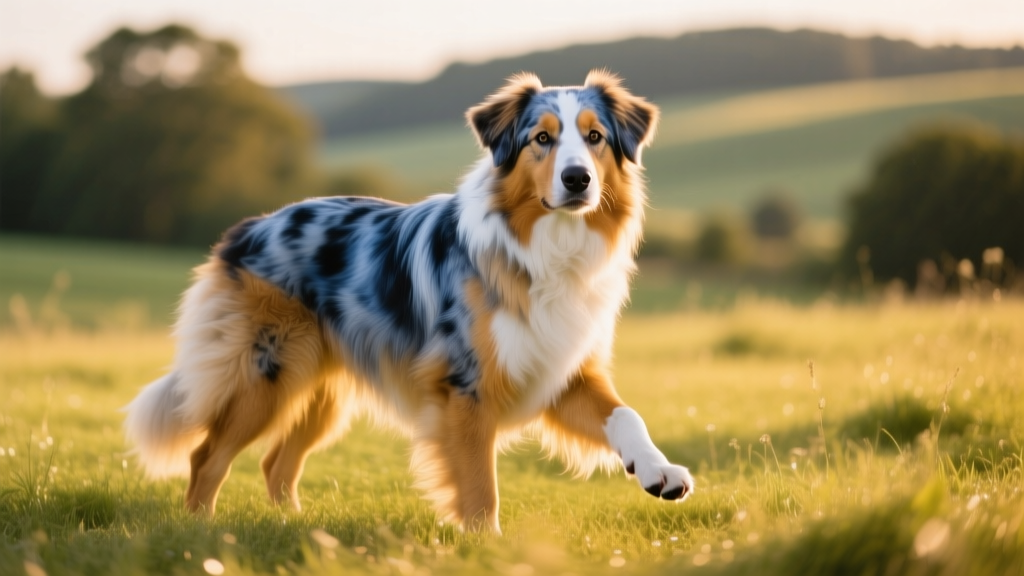
German Shepherd Breed Profile: Temperament, Health & Care Guide
Complete German Shepherd breed profile covering temperament, health risks, exercise needs, grooming, training, and real ownership costs for 2026.

Breed Overview: Origin, Purpose, and Quick Facts
The German Shepherd Dog (GSD) was developed in Germany in the late 1800s by Captain Max von Stephanitz, who founded the Verein für Deutsche Schäferhunde (SV) in 1899. Von Stephanitz's goal was to create the ultimate herding and working dog by standardizing the best traits of regional German herding breeds. The breed's first registered dog, Horand von Grafrath, became the foundation sire for all modern German Shepherds.
Originally bred for herding sheep and protecting flocks, the GSD quickly proved its versatility. By World War I, the breed served as messengers, rescue dogs, and sentries. Today, German Shepherds rank as the fourth most popular breed in the United States according to AKC registration data, excelling in police work, search-and-rescue, service dog roles, and as devoted family companions.
| Attribute | Detail |
|---|---|
| Size Class | Large (herding/working group) |
| Male Weight | 65–90 lb / 29–41 kg |
| Female Weight | 50–70 lb / 23–32 kg |
| Male Height (at withers) | 24–26 in / 61–66 cm |
| Female Height (at withers) | 22–24 in / 56–61 cm |
| Lifespan | 9–13 years (median ~11 years) |
| Coat Type | Double coat — medium or long; dense undercoat |
| Energy Level | High (working-drive breed) |
| Grooming Frequency | Brushing 3–4×/week; daily during shedding seasons |
| AKC Group | Herding |
| Family Fit | Best with active families, experienced owners, homes with yard space |
Temperament & Personality: What Living With a GSD Really Looks Like
German Shepherds are not a breed you simply "own" — they integrate themselves into your daily routines with an intensity that surprises many first-time owners. Here are the core behavioral traits you'll encounter:
1. Velcro-level loyalty and bonding. GSDs typically form a primary attachment to one person in the household. This isn't the casual friendliness of a Golden Retriever who loves everyone equally — a German Shepherd will follow their chosen person from room to room, position themselves at your feet while you cook, and watch you intently while you work from home. They are emotionally attuned to their owner's moods and will often mirror your stress or calm.
2. High alertness and protective instinct. A well-socialized GSD will observe strangers calmly but won't immediately seek affection from them. When someone unfamiliar approaches your home or family, expect a low, sustained alert bark and physical positioning between you and the newcomer. This is breed-standard behavior, not aggression — but it requires deliberate socialization starting at 8 weeks to ensure confidence rather than fear-based reactivity.
3. Drive to work and problem-solve. These dogs need mental jobs. Without structured tasks, they'll create their own — which might mean dismantling couch cushions, herding your toddler by nipping at ankles, or learning to open doors and cabinets. In my experience working with GSD owners, the dogs that thrive are the ones given puzzle feeders, scent work, obedience drills, or agility training as part of their daily routine.
4. Sensitivity to household tension. German Shepherds are unusually perceptive of conflict and stress. Harsh corrections or chaotic environments can trigger anxiety behaviors — excessive pacing, whining, destructive chewing, or even stress-induced gastrointestinal issues. Force-free, positive reinforcement training isn't just preferred for this breed; it's practically mandatory for stable temperament development.
5. Playfulness with their family. Despite their serious working-dog reputation, GSDs are often goofy and playful at home. They enjoy fetch, tug, water play, and wrestling games with family members. Many retain puppy-like playfulness well into their senior years.
Strengths
- Exceptionally trainable — ranks 3rd in Stanley Coren's intelligence rankings
- Versatile: excels in obedience, agility, nose work, therapy, protection sports
- Deeply loyal and emotionally bonded to family
- Natural watchdog instinct without unprovoked aggression
- Athletic and enduring — great hiking, running, and outdoor companion
Challenges
- Heavy year-round shedding with two intense "blow coat" periods
- Prone to separation anxiety if left alone >6 hours daily
- Requires experienced handler for consistent training
- High exercise and mental stimulation needs (not a couch dog)
- Predisposed to several costly orthopedic and autoimmune conditions
Exercise & Activity Requirements: Minutes, Types, and Schedules
A healthy adult German Shepherd needs a minimum of 90–120 minutes of structured activity per day, split across physical exercise and mental work. This is non-negotiable — under-exercised GSDs develop behavioral problems including destructive chewing, excessive barking, hyperactivity, and leash reactivity.
| Activity Type | Duration | Frequency | Purpose |
|---|---|---|---|
| Brisk leash walk or jog | 30–45 min | Daily (morning) | Cardio, sniffing enrichment |
| Off-leash running (fenced area/trail) | 20–30 min | Daily | Sprinting, joint mobility |
| Obedience/trick training sessions | 15–20 min | Daily (2 short sessions) | Mental stimulation, bonding |
| Puzzle feeders / scent games | 15–30 min | Daily | Independent problem-solving |
| Structured play (fetch, flirt pole, tug) | 15–20 min | 4–5×/week | Drive outlet, impulse control |
| Swimming or hiking | 30–60 min | 2–3×/week | Low-impact cardio, enrichment |
Puppy exercise caution: German Shepherd puppies should not engage in forced running, jumping from heights, or repetitive fetch on hard surfaces until growth plates close — typically around 14–18 months. The general guideline is 5 minutes of structured exercise per month of age, twice daily (e.g., a 4-month-old gets 20-minute sessions). Free play on soft ground is fine in addition.
Senior adjustments (8+ years): Reduce high-impact activities. Replace jogging with swimming or gentle hiking. Maintain mental stimulation at full levels — cognitive decline is slower in GSDs that continue training and puzzle work into old age.
Health Risks: Breed-Specific Conditions and What to Watch For
German Shepherds are predisposed to several serious health conditions. Responsible breeders screen for these using OFA (Orthopedic Foundation for Animals) or PennHIP certifications, but even well-bred dogs can develop issues. Always consult your veterinarian for diagnosis and treatment planning.
| Condition | Prevalence in GSDs | Typical Onset | Treatment Cost Range |
|---|---|---|---|
| Hip Dysplasia | ~19–20% (OFA data) | 5–14 months (symptoms) | $1,500–$7,000 per hip (surgery) |
| Elbow Dysplasia | ~16–18% | 4–10 months | $1,500–$4,000 per elbow |
| Degenerative Myelopathy (DM) | ~16% carrier rate; variable expression | 8–14 years | No cure; supportive care $500–$2,000/yr |
| Exocrine Pancreatic Insufficiency (EPI) | GSDs account for ~65% of all canine EPI cases | 1–5 years | $80–$150/month (enzyme supplements for life) |
| Gastric Dilatation-Volvulus (Bloat/GDV) | Large, deep-chested breeds at highest risk | Any age; peak 4–7 years | $3,000–$7,000 emergency surgery |
| Hemangiosarcoma | Higher incidence than general population | 8–12 years | $5,000–$10,000+ (surgery + chemo) |
Hip and elbow dysplasia are polygenic orthopedic conditions where the joint doesn't develop properly, leading to arthritis, pain, and lameness. According to the OFA breed statistics, roughly 1 in 5 German Shepherds evaluated shows radiographic evidence of hip dysplasia. Maintaining a lean body condition score (BCS 4–5 out of 9) is one of the most impactful preventive measures — excess weight dramatically accelerates joint degeneration.
Degenerative Myelopathy is a progressive neurological disease causing hind-limb weakness and eventual paralysis. A DNA test (available through the AKC DNA testing program or OFA) can identify whether your dog is clear, a carrier, or at risk. There is no cure, but physical therapy and mobility carts can extend quality of life.
EPI is a condition where the pancreas fails to produce digestive enzymes, causing weight loss despite ravenous appetite, chronic diarrhea, and fatty stools. It's manageable with lifelong pancreatic enzyme replacement (e.g., Pancrezyme or Pancreatic Enzyme Powder) added to every meal.
Bloat (GDV) is a life-threatening emergency where the stomach fills with gas and twists. Know the signs: unproductive retching, distended abdomen, restlessness, drooling, pale gums. This requires immediate emergency surgery. Preventive measures include feeding 2–3 smaller meals daily, avoiding exercise within 1 hour of eating, and discussing prophylactic gastropexy (stomach tacking) with your vet during spay/neuter surgery.
🚨 Emergency Red Flags — Call Your Vet or Emergency Clinic Immediately:
- Unproductive vomiting or retching (possible bloat)
- Sudden hind-limb weakness or dragging (possible DM or IVDD)
- Inability to stand, collapse, or pale/white gums
- Severe lameness in a young puppy (possible dysplasia or panosteitis)
- Bloody diarrhea with lethargy (possible hemorrhagic gastroenteritis)
Grooming: Managing the Legendary GSD Shed
German Shepherds have a double coat consisting of a dense, soft undercoat and a harsher outer guard coat. They shed moderately year-round and "blow" their undercoat — a dramatic shedding event — typically twice per year (spring and fall). During blow periods, you may pull out enough undercoat to build a second dog.
Weekly grooming routine (non-shedding season):
- Brush 3–4 times per week with an undercoat rake (e.g., Furminator deShedding tool or a Chris Christensen Big G slicker brush) for 10–15 minutes per session
- Check and clean ears weekly with a veterinary ear cleanser — GSDs' upright ears can accumulate wax and debris
- Trim nails every 2–3 weeks if not naturally worn down by activity
- Brush teeth 3–4× per week with enzymatic dog toothpaste
During coat blow (2–4 weeks, twice yearly):
- Daily brushing is essential — use an undercoat rake followed by a wide-tooth comb to pull out dead undercoat
- Consider professional deshedding treatments (bath + high-velocity dryer blowout) at a groomer, typically $50–$90 per session
- Vacuum frequently — expect hair on every surface
Never shave a German Shepherd. The double coat provides insulation against both heat and cold, and protects skin from UV damage. Shaving disrupts the coat's ability to thermoregulate and the hair may not grow back correctly.
Training & Intelligence: Methods That Work for This Breed
In canine psychologist Stanley Coren's The Intelligence of Dogs, the German Shepherd ranks 3rd out of 138 breeds in working and obedience intelligence — meaning they can learn a new command in fewer than 5 repetitions and obey a known command on the first attempt 95% of the time or better.
This intelligence is a double-edged sword. GSDs learn what you teach them — including your bad habits, inconsistent cues, and accidental reinforcements. If you sometimes let them jump on you and sometimes scold them, they'll learn to read your mood and gamble on the behavior rather than learning not to jump at all.
Recommended training approach:
- Positive reinforcement only. Reward-based training using high-value treats (freeze-dried liver, chicken), toy rewards, and praise. GSDs are sensitive dogs — aversive methods (shock collars, prong collars, alpha rolls) damage the trust bond and frequently trigger fear-based reactivity or shutdown.
- Short, frequent sessions. 10–15 minutes, 2–3 times daily, with clear criteria and consistent cues.
- Early socialization (8–16 weeks). This critical window is when your GSD puppy forms opinions about the world. Expose them to diverse people, surfaces, sounds, other dogs, and environments. The AVMA socialization guidelines provide a structured framework.
- Enroll in structured classes. Puppy kindergarten (8–16 weeks), followed by basic obedience, then advance to sport-specific training (agility, rally, scent work, IPO/IGP). Group classes also build focus around distractions.
- Impulse control training. Teach "wait," "leave it," "place," and a solid recall early. A 90-lb dog that pulls on leash or charges the door is a liability — impulse control keeps everyone safe.
Family Suitability: Kids, Other Pets, and Living Environments
With children: Well-socialized German Shepherds are typically excellent with children in their own family — patient, protective, and playful. However, their herding instinct may cause them to nip at running children's heels or attempt to "herd" toddlers. This is manageable with training but requires supervision. GSDs may be wary of children they don't know, so introduce visiting kids calmly and with the dog on leash initially.
With other dogs: GSDs can coexist peacefully with other household dogs, especially when raised together. Same-sex aggression (particularly male-male) is more common in this breed than in many others. Opposite-sex pairings tend to work best. Dog-dog socialization should begin early and continue throughout life.
With cats and small pets: German Shepherds have a moderate-to-high prey drive. Some GSDs live harmoniously with household cats, especially if raised together from puppyhood. Introductions should be gradual and controlled. Never leave a GSD unsupervised with small animals (rabbits, chickens, etc.) — their herding and prey instincts can trigger chasing or harming behavior.
Apartment living: A German Shepherd can live in an apartment, but it requires serious commitment. You'll need to provide 90–120+ minutes of outdoor exercise daily, access to nearby parks or trails, and ample indoor mental stimulation. A fenced yard is strongly preferred. Many apartment complexes and some municipalities have breed-specific restrictions affecting GSDs — check your lease agreement and local ordinances before committing.
Cost of Ownership: Purchase Price and Annual Expenses
German Shepherds are a significant financial commitment. Here's a realistic breakdown based on current 2026 pricing:
Puppy acquisition:
- AKC-registered puppy from a health-tested, responsible breeder: $2,000–$4,500 (show/working lines from proven breeders can reach $5,000–$8,000)
- Breed rescue or shelter adoption: $200–$600
- Avoid puppies priced under $1,000 from unknown sources — these often come from puppy mills or backyard breeders with no health screening
First-year total costs (estimated):
| Expense Category | Estimated Cost |
|---|---|
| Puppy purchase (breeder) | $2,000–$4,500 |
| Initial veterinary (vaccines, spay/neuter, microchip) | $600–$1,200 |
| Crate, bed, leash, harness, bowls, toys | $300–$600 |
| Food (high-quality large-breed formula, ~4–5 cups/day) | $600–$1,000/year |
| Training classes (puppy + basic obedience) | $300–$600 |
| Pet insurance (recommended for this breed) | $50–$90/month ($600–$1,080/year) |
| Grooming supplies and professional deshedding sessions | $100–$300 |
| Heartworm, flea/tick prevention (year-round) | $200–$400/year |
| First-year total estimate | $4,700–$9,680 |
Ongoing annual costs (years 2+): Expect $2,000–$4,000 per year for food, preventive care, insurance, grooming supplies, and routine veterinary visits. This does not include emergency care or treatment for breed-specific conditions, which can add thousands.
Pet insurance recommendation: Given the GSD's predisposition to expensive orthopedic surgeries ($3,000–$7,000 per joint), hemangiosarcoma treatment ($5,000–$10,000+), and EPI management ($960–$1,800/year in enzymes alone), pet insurance is strongly advisable. Enroll as a puppy before any conditions are documented — pre-existing conditions are universally excluded. Look for policies covering hereditary and congenital conditions with annual limits of at least $15,000–$30,000.
Frequently Asked Questions
Is a German Shepherd a good first dog for a new owner?
German Shepherds are generally not recommended for first-time owners unless the person is committed to structured training classes, early socialization, and daily exercise. Their intelligence, drive, sensitivity, and protective instincts require a handler who understands dog behavior and can provide consistent leadership. If you're a first-time owner set on a GSD, consider adopting an adult dog with a known temperament from a breed rescue, and invest in professional training from day one.
How much daily exercise does a German Shepherd need?
A healthy adult GSD needs 90–120 minutes per day of combined physical exercise and mental stimulation. This should include at least one brisk 30–45 minute walk, off-leash running time, and structured training or puzzle work. Puppies need shorter, age-appropriate sessions (5 minutes per month of age, twice daily). Seniors still need daily activity but at reduced intensity.
What are the most common health problems in German Shepherds?
The most prevalent breed-specific conditions are hip dysplasia (~19–20%), elbow dysplasia (~16–18%), degenerative myelopathy, exocrine pancreatic insufficiency (EPI), gastric dilatation-volvulus (bloat), and hemangiosarcoma. Responsible breeding with OFA health certifications reduces but does not eliminate these risks. Regular veterinary check-ups and maintaining a lean body weight are critical preventive measures.
How big does a full-grown German Shepherd get?
Adult males typically weigh 65–90 lb (29–41 kg) and stand 24–26 inches (61–66 cm) at the shoulder. Adult females weigh 50–70 lb (23–32 kg) and stand 22–24 inches (56–61 cm). Working-line dogs tend to be leaner and slightly smaller than show-line dogs. Some European (Czech/East German) working lines may exceed these ranges slightly.
Are German Shepherds good with children and other pets?
Well-socialized GSDs are typically excellent with children in their own family, though their herding instinct may cause heel-nipping with running kids. They can coexist with other household dogs (opposite-sex pairings work best) and sometimes cats if raised together. They may be wary of unfamiliar children and have moderate-to-high prey drive toward small animals. Always supervise interactions and never leave any dog alone with young children.
How much does it cost to buy and maintain a German Shepherd?
Expect to pay $2,000–$4,500 for a puppy from a responsible, health-testing breeder, or $200–$600 through breed rescue. First-year total costs typically range from $4,700–$9,680 including supplies, veterinary care, training, food, and insurance. Ongoing annual costs are approximately $2,000–$4,000, not including emergency care or treatment for breed-specific conditions. Pet insurance is strongly recommended for this breed.
Aaron Whyte
All our authors care for dogs every day — read more of their work on the authors page.