Aussie and Golden Retriever Mix: The Complete AusGolden Breed Guide
Everything about the Aussie and Golden Retriever mix: size, temperament, coat types, health risks, grooming needs, cost.
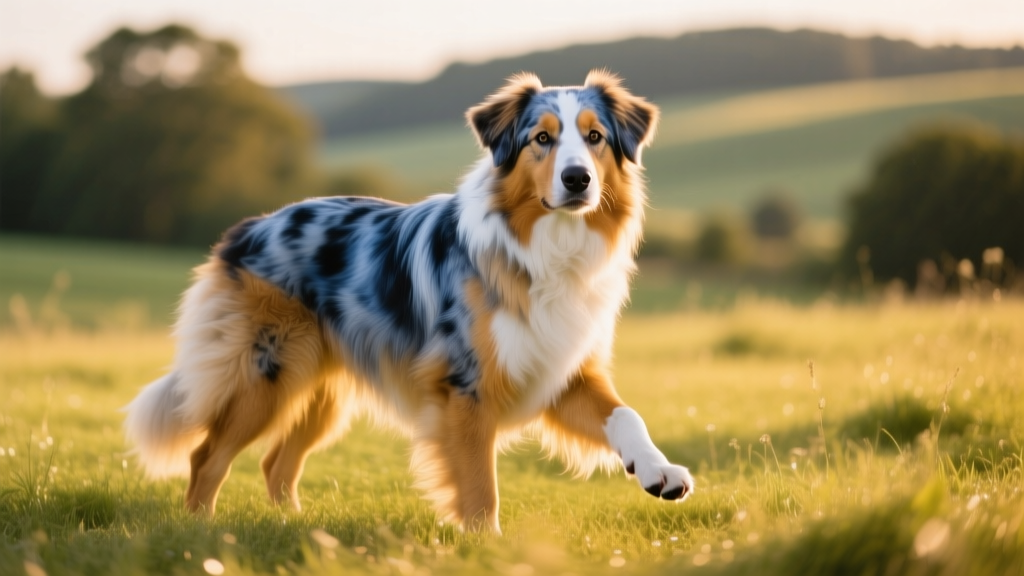
The Australian Shepherd crossed with the Golden Retriever — sometimes called the AusGolden or Aussie Golden — is one of the more intriguing designer mixes gaining traction among active families. Both parent breeds rank consistently in the AKC's top 30 most popular breeds, so it's no surprise that breeders began intentionally crossing them to combine the Aussie's athleticism with the Golden's famously easygoing nature.
But here's what most breeder websites won't tell you: mixed-breed dogs are genetic lotteries. An Aussie and Golden Retriever mix from the same litter can look, behave, and shed completely differently from its siblings. This guide breaks down what you can reasonably expect — and where the surprises tend to show up.
What Two Breeds Make Up This Mix?
The Aussie and Golden Retriever mix is a first-generation or multigenerational cross between two purebred dogs:
| Trait | Australian Shepherd | Golden Retriever |
|---|---|---|
| AKC Group | Herding | Sporting |
| Weight Range | 40–65 lb / 18–29 kg | 55–75 lb / 25–34 kg |
| Height | 18–23 in / 46–58 cm | 21.5–24 in / 55–61 cm |
| Lifespan | 12–15 years | 10–12 years |
| Coat | Medium-length double coat | Dense, water-repellent double coat |
| Energy Level | Very high (90+ min/day) | High (60–90 min/day) |
| Shedding | Heavy, seasonal blowouts | Moderate to heavy, year-round |
| Key Temperament | Intelligent, driven, reserved with strangers | Friendly, eager, outgoing with everyone |
| Trainability | Exceptional — needs mental work | Exceptional — food and praise motivated |
These two breeds share intelligence and trainability but differ significantly in social style. Aussies tend to bond intensely with one person and can be wary of newcomers. Goldens typically greet everyone like a long-lost friend. Your mix will land somewhere on that spectrum — and you won't always know where until the dog matures.
Understanding Generations: F1, F1B, F2, and Multigen
- F1 (First Generation): 50% Aussie / 50% Golden Retriever. Both parents are purebred. Highest trait variability — puppies in the same litter can look dramatically different.
- F1B (First Generation Backcross): An F1 crossed back to one parent breed (75% one breed, 25% the other). For example, an F1 AusGolden bred to a purebred Aussie produces puppies that lean more heavily toward Aussie traits — more herding drive, potentially higher energy.
- F2 (Second Generation): Two F1 AusGoldens bred together. Genetic recombination means even wider variation — you might get puppies that look nearly purebred Golden alongside ones that look nearly purebred Aussie.
- Multigen (F3+): Multiple generations of AusGolden-to-AusGolden breeding. Slightly more predictable in appearance, but still far from uniform. True genetic stabilization takes many more generations than most designer breeds have existed.
If a breeder advertises "multigen AusGoldens," ask for documentation of at least three generations of AusGolden-to-AusGolden breeding. Many breeders use "multigen" loosely. An F1 cross from two health-tested purebred parents is often a more transparent choice, since you know exactly what went into the mix.
How Big Will an Aussie and Golden Retriever Mix Get?
Because both parent breeds fall in the medium-to-large range, the size spread of this mix is narrower than some designer crosses — but still variable enough to matter when you're buying a crate or sizing a dog door.
| Category | Weight | Height at Shoulder |
|---|---|---|
| Small end (Aussie-dominant females) | 38–48 lb / 17–22 kg | 18–20 in / 46–51 cm |
| Average range | 48–65 lb / 22–29 kg | 20–22 in / 51–56 cm |
| Large end (Golden-dominant males) | 65–78 lb / 29–35 kg | 22–24 in / 56–61 cm |
Males typically land 8–12 lb heavier than females. If size is a concern — say, you live in an apartment with a 50 lb weight restriction — an F1 female leaning toward the Aussie side is your safest bet, but there's no guarantee. Reputable breeders can estimate puppy size based on parental measurements and growth curves, but expect a margin of error of roughly ±10 lb.
Coat Types, Colors, and the Shedding Reality
Both parent breeds carry double coats — a dense undercoat beneath a longer outer coat. This means your AusGolden will almost certainly be a double-coated dog, regardless of which parent it favors. Here's how coat traits typically break down:
- Coat length: Medium to long. Golden-dominant dogs tend toward longer feathering on the legs, chest, and tail. Aussie-dominant dogs may have a slightly shorter, denser coat.
- Color possibilities: This is where the mix gets visually interesting. Expect gold, cream, red, black, blue merle, red merle, tri-color (black/white/tan), or parti-color patterns. Merle coloring is a strong indicator of Aussie genetic influence, since the merle gene (M-locus, SILV gene) originates from the Aussie side in this cross.
- Shedding: Moderate to heavy year-round, with two major seasonal "blowouts" in spring and fall. There is no version of this mix that is low-shedding.
Is this mix hypoallergenic? No. Neither parent breed carries the low-shedding coat genes found in Poodles or Bichons. If you or a household member has dog allergies, this mix is not a suitable choice. For allergy-friendly designer mixes, look toward Poodle-based crosses like the Goldendoodle or Aussiedoodle instead.
Temperament: What to Expect (and What Might Surprise You)
Temperament is where the Aussie and Golden Retriever mix shows the widest individual variation. Here's the realistic range:
You get a dog that blends the Golden's social ease with the Aussie's focus and trainability. This dog greets visitors warmly, settles down indoors after adequate exercise, excels at obedience and dog sports, and bonds deeply with the whole family. Tolerant of children, friendly with other dogs, and responsive to positive reinforcement training.
You get a dog that inherits the Aussie's wariness of strangers and herding instincts without the Golden's social buffering. This dog may nip at children's heels (herding behavior), bark excessively at visitors, show anxiety when left alone for long periods, and require intensive socialization through the first two years. High energy combined with high intelligence means boredom can quickly turn into destructive behavior — chewed furniture, dug-up yards, or escape attempts.
The challenging scenario isn't a "bad dog" — it's a dog that needs an experienced owner who understands herding-breed behavior and is committed to structured socialization, daily mental stimulation, and positive reinforcement training methods. Force-free training, including counter-conditioning for stranger wariness, is essential. Aversive tools like shock collars or prong collars will backfire with this sensitive cross.
Mental Stimulation Is Non-Negotiable
Both parent breeds are working dogs bred to think independently. Your AusGolden needs at least 30–45 minutes of structured mental activity daily, beyond physical exercise. Options include:
- Puzzle feeders (Kong Wobbler, Outward Hound Nina Ottosson puzzles)
- Scent work and nose games
- Agility, rally obedience, or disc dog training
- Trick training sessions (5–10 minutes, 2–3 times daily)
- Structured fetch with obedience cues between throws
Health Considerations: Hybrid Vigor vs. Reality
Let's address a common myth: the idea that mixed-breed dogs automatically enjoy "hybrid vigor" — meaning they're healthier than purebreds because of greater genetic diversity. The reality, according to veterinary research summarized by the AVMA, is more nuanced.
Crossbreeding does increase heterozygosity (genetic diversity at individual gene loci), which can reduce the risk of recessive inherited disorders that are common in one parent breed. However, both parent breeds share susceptibility to several conditions, and a crossbreed can inherit problems from either side. Hybrid vigor reduces some risks — it does not eliminate all of them.
Inherited Conditions to Screen For
| Condition | From Aussie Side | From Golden Side | Notes |
|---|---|---|---|
| Hip Dysplasia | ✓ (moderate prevalence) | ✓ (high prevalence) | Both breeds are predisposed. OFA hip screening of both parents is essential. |
| Elbow Dysplasia | Less common | ✓ (moderate prevalence) | Ask for OFA elbow clearance. |
| Eye Conditions (cataracts, PRA, CEA) | ✓ (CEA, PRA, cataracts) | ✓ (pigmentary uveitis, cataracts) | CERF/OFA ophthalmologist exam for both parents. |
| Cancer (hemangiosarcoma, lymphoma) | Lower prevalence | ✓✓ (very high — ~60% of Goldens die of cancer) | This is a significant concern. Golden Retriever cancer rates are well-documented. |
| MDR1 Drug Sensitivity | ✓ (~30% of Aussies carry mutation) | Rare | Test for the MDR1 gene mutation before any surgery or medication. Dogs with this mutation can have severe reactions to common drugs like ivermectin. |
| Epilepsy | ✓ (idiopathic epilepsy documented) | ✓ (lower but present) | Onset typically 6 months to 5 years. Consult your veterinarian if seizures occur. |
| Heart Disease (subvalvular aortic stenosis) | Rare | ✓ (moderate prevalence) | Cardiac exam by a veterinary cardiologist recommended for Golden parent. |
A responsible breeder of this mix should provide OFA or PennHIP hip scores, OFA elbow scores, a CERF eye exam within the past 12 months, and an MDR1 genetic test result for the Aussie parent at minimum. Expect to pay $50–$150 for a DNA test through OFA's CHIC program if the breeder hasn't already done one.
Grooming Needs: What Your Brush Schedule Looks Like
Plan for significant grooming commitment. A double-coated AusGolden requires:
- Brushing: 3–4 times per week with an undercoat rake and slicker brush. During seasonal blowouts (spring and fall), daily brushing for 15–20 minutes is realistic to manage the volume of loose undercoat.
- Bathing: Every 6–8 weeks, or as needed. Use a deshedding shampoo and conditioner. A high-velocity dog dryer (like the Metro Air Force Commander, ~$120–$180) dramatically reduces drying time and blows out loose undercoat more effectively than towel drying.
- Never shave a double-coated dog. Shaving damages the coat's ability to regulate temperature and protect against UV exposure. The undercoat may not grow back properly.
- Nail trims: Every 2–3 weeks.
- Ear cleaning: Weekly, especially if the dog inherits the Golden's floppy, feathered ears. Both breeds are prone to ear infections when moisture gets trapped.
- Dental care: Daily tooth brushing with enzymatic dog toothpaste (e.g., Virbac C.E.T.) or at minimum 3x/week. Both breeds are prone to periodontal disease by age 5–7.
Professional grooming is optional but helpful during blowout seasons. Expect to pay $60–$90 per session for a bath, blowout, and deshedding treatment at a professional groomer.
Cost, Availability, and Finding Your Dog
Purchase Price from a Breeder
As of 2026, expect the following price ranges for an Aussie and Golden Retriever mix puppy:
- Backyard breeders / online listings: $500–$1,200 (rarely include health testing — higher risk for inherited conditions)
- Reputable designer breeders: $1,500–$3,000 (health-tested parents, early socialization programs, health guarantees, take-back clauses)
- Premium multigen programs: $2,500–$4,000 (extensive health panels, temperament testing, puppy culture or ENS protocols)
First-year ownership costs beyond the purchase price typically run $2,500–$4,500, including initial veterinary exams, DHPP and rabies vaccinations, spay/neuter ($300–$700), crate, bed, leash gear, food, grooming supplies, and training classes.
Rescue and Adoption
Aussie and Golden Retriever mixes do appear in rescues, though not commonly as identified crosses. Your best strategies:
- Search Petfinder and Adopt-a-Pet with both breed names as filters
- Contact Australian Shepherd rescue organizations — they sometimes take Aussie mixes
- Golden Retriever rescue networks (Golden Retriever Club of America has a rescue directory)
- Local shelters in areas with high populations of both breeds (Pacific Northwest, Mountain West, rural Midwest)
Adoption fees typically range from $200–$500 and usually include initial vaccinations, spay/neuter, and microchipping.
Who This Mix Suits Best
The Aussie and Golden Retriever mix is not a low-maintenance companion dog. Here's an honest assessment of who thrives with this cross:
| Factor | Good Fit | Poor Fit |
|---|---|---|
| Activity Level | Active — hiking, running, dog sports 60–90+ min/day | Sedentary, mostly indoor lifestyle |
| Experience | Some prior dog experience, especially with herding or sporting breeds | First-time dog owner without support from a trainer |
| Home Environment | House with fenced yard; access to trails or open space | Small apartment without nearby exercise areas |
| Time at Home | Someone home most of the day, or doggy daycare arrangement | Gone 10+ hours daily with no midday break |
| Children | Families with children 8+ who understand dog boundaries; herding instinct managed through training | Families with toddlers — herding nipping and boisterous play can overwhelm small children |
| Other Pets | Dog-friendly households; early socialization with cats and small animals | Homes with livestock or small pets where herding/chase instincts could be problematic |
| Grooming Tolerance | Enjoys brushing; doesn't mind dog hair on furniture and clothing | Wants a low-maintenance, low-shedding dog |
If this profile sounds like your household, the AusGolden can be an extraordinarily rewarding companion — athletic enough for weekend adventures, trainable enough for competitive dog sports, and affectionate enough to curl up at your feet in the evening. If significant portions of the "poor fit" column describe your situation, consider one of the parent breeds individually (a Golden for a lower-energy home, or an Aussie if you want a smaller, more focused working dog) or explore a different mix entirely.
Frequently Asked Questions
Are Aussie and Golden Retriever mixes good family dogs?
They can be excellent family dogs for active households with older children. The Golden's friendly temperament often softens the Aussie's reserve, but individual variation is significant. Early socialization (8–16 weeks is the critical window) and consistent positive reinforcement training are essential. Families with very young children should be prepared for potential herding behaviors like heel-nipping and should consult a certified force-free trainer if these emerge.
How much exercise does an AusGolden need daily?
Plan for a minimum of 60–90 minutes of combined physical and mental exercise daily. This should include at least 30 minutes of vigorous activity (running, fetch, swimming) plus 30–45 minutes of mental stimulation (training, puzzle toys, scent work). Dogs inheriting stronger Aussie traits may need 90–120 minutes. Insufficient exercise is the number one cause of behavioral problems in this mix.
Do Aussie and Golden Retriever mixes bark a lot?
It depends on which parent's traits dominate. Aussies are alert dogs that bark at environmental changes — delivery trucks, passing dogs, unfamiliar sounds. Goldens tend to bark less but will announce visitors. Expect moderate vocalization overall, with the potential for more if the dog inherits the Aussie's alert-barking tendency. Training a reliable "quiet" cue using positive reinforcement is highly recommended from puppyhood.
What is the lifespan of an Aussie and Golden Retriever mix?
Expect 11–14 years, which is an average of the parent breeds' lifespans. Golden Retrievers average 10–12 years while Aussies average 12–15 years. The mix may land anywhere in that range. Cancer screening is important given the Golden's high cancer rate — discuss annual wellness bloodwork with your veterinarian starting at age 7.
Should I get an AusGolden or a Goldendoodle instead?
If low shedding and allergy compatibility are priorities, the Goldendoodle (Golden Retriever × Poodle) is a better choice. If you want a more athletic, driven dog for hiking, agility, or herding-style activities and don't mind heavy shedding, the AusGolden is the stronger fit. Goldendoodles tend to be slightly lower-energy and more universally social; AusGoldens tend to be more intense, more focused, and more physically capable in demanding activities.
Can I feed my AusGolden a grain-free diet?
Neither parent breed has a specific grain-free requirement. In fact, the FDA has investigated a potential link between grain-free diets and dilated cardiomyopathy (DCM) in dogs, including Golden Retrievers. Unless your veterinarian diagnoses a grain allergy (which is rare — most food allergies involve protein sources, not grains), a grain-inclusive AAFCO-approved diet is the safer choice. Always look for the AAFCO statement of nutritional adequacy on any commercial food.
Dr. Hannah Wickes
All our authors care for dogs every day — read more of their work on the authors page.


