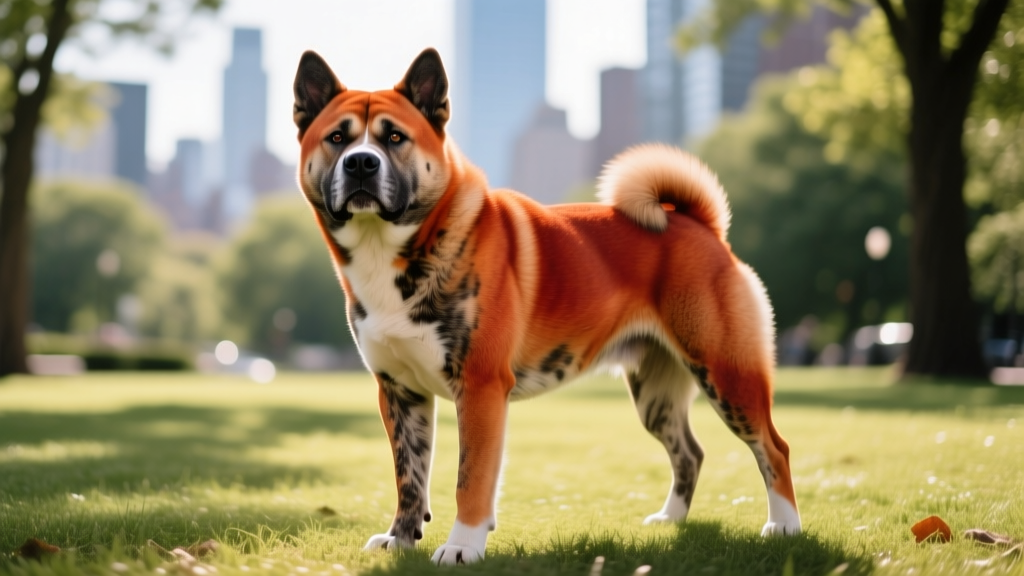
German Shepherd Aussie Mix: Complete Breed Profile & Care Guide
Everything you need to know about the German Shepherd Aussie mix: size, temperament, health risks, grooming, cost.

If you've ever watched a dog sprint through an agility course with laser focus and then curl up at your feet with soulful, watchful eyes, you may have been looking at a German Shepherd Aussie mix. Sometimes called the "German Australian Shepherd" or "Aussie Shepherd," this designer cross combines two of the most intelligent, driven herding breeds in the world. The result is a dog that can be spectacularly rewarding for the right owner — and spectacularly overwhelming for the wrong one.
This guide breaks down what you can realistically expect from a German Shepherd Australian Shepherd mix, including the traits that are fairly predictable, the ones that vary wildly between littermates, and the health screenings any responsible breeder should provide.
The Parent Breeds: What Makes This Mix Tick
Before predicting what a crossbreed might look or act like, it helps to understand the raw genetic material. Both parent breeds were developed for demanding farm and ranch work, which shapes nearly everything about this mix.
| Trait | German Shepherd (GSD) | Australian Shepherd |
|---|---|---|
| AKC Group | Herding | Herding |
| Origin | Germany, late 1800s | Western United States, 1800s |
| Weight Range | 50–90 lb (23–41 kg) | 40–65 lb (18–29 kg) |
| Height Range | 22–26 in (56–66 cm) | 18–23 in (46–58 cm) |
| Coat Type | Double coat, medium to long | Double coat, medium length |
| Energy Level | High — 60–90+ min/day | Very high — 60–120 min/day |
| Primary Instinct | Guarding, herding, tracking | Herding, agility, stock work |
| Shedding | Heavy, seasonal blowouts | Moderate to heavy, seasonal blowouts |
| Lifespan | 7–10 years | 12–15 years |
| Key Health Concern | Hip/elbow dysplasia, degenerative myelopathy | Hip dysplasia, MDR1 drug sensitivity, eye disorders |
Both breeds rank among the most trainable dogs in existence. The German Shepherd is consistently in the AKC's top 5 most popular breeds due to versatility in police, military, service, and family roles. The Australian Shepherd dominates competitive dog sports and remains a working ranch staple. When you cross them, you get a dog with a deep genetic drive to work, think, and stay active.
Understanding Generations: F1, F1B, F2, and Multigen
Generation terminology matters for mixed breeds. Here's what you'll encounter when researching German Shepherd Aussie mix puppies:
- F1 (First Generation): One purebred GSD parent × one purebred Aussie parent. Maximum genetic diversity, but trait expression is the most variable — one puppy might look almost entirely GSD, another might look almost entirely Aussie.
- F1B (First Generation Backcross): An F1 mix bred back to one of the parent breeds (e.g., F1 German Aussie × purebred GSD). Slightly more predictable toward the backcross parent's traits.
- F2 (Second Generation): Two F1 German Shepherd Aussie mixes bred together. Genetic recombination means even wider variation in appearance and temperament within a single litter.
- Multigen (F3+): Multiple generations of German Aussie × German Aussie breeding. Still not a standardized breed — there is no breed registry or established standard — but traits may stabilize somewhat over many generations.
Key takeaway: Unlike purebred dogs, even multigen designer mixes lack a written breed standard. Every individual dog is a genetic lottery. Reputable breeders will be transparent about which generation they're producing and will health-test both parent dogs regardless.
Size, Build, and Appearance: Embracing the Variability
One of the most common questions prospective owners ask is, "How big will my German Shepherd Aussie mix get?" The honest answer: you won't know for certain until the dog is fully grown, typically between 18 and 24 months for large breeds.
| Category | Low End | High End | Notes |
|---|---|---|---|
| Weight (females) | 40 lb (18 kg) | 70 lb (32 kg) | More likely to track toward Aussie size |
| Weight (males) | 50 lb (23 kg) | 85 lb (39 kg) | More likely to track toward GSD size |
| Height at shoulder (females) | 19 in (48 cm) | 24 in (61 cm) | |
| Height at shoulder (males) | 21 in (53 cm) | 26 in (66 cm) |
Appearance is equally variable. Some individuals inherit the GSD's sloping backline and saddle-pattern coat; others get the Aussie's compact, athletic build and merle coloring. Ear set can range from fully erect (GSD) to folded or semi-prick (Aussie). Tail length varies — some inherit the Aussie's natural bob tail, while others have the GSD's long, bushy tail.
Coat Types and Grooming: What to Expect
Neither parent breed is hypoallergenic or low-shedding. This mix will almost certainly have a double coat — a dense, soft undercoat beneath a coarser outer coat — and you should plan for significant grooming commitment.
Coat Possibilities Inherited From Parent Breeds:
| Coat Trait | GSD Influence | Aussie Influence | Mix Outcome |
|---|---|---|---|
| Length | Medium to long | Medium | Medium to long, varies individually |
| Colors | Black & tan, sable, solid black, white | Blue merle, red merle, black tri, red tri | Any combination; merle is possible if Aussie parent carries the gene |
| Shedding Level | Heavy | Moderate to heavy | Moderate to heavy year-round, intense seasonal "blowouts" 2× per year |
| Hypoallergenic? | No | No | No — this mix is not suitable for allergy sufferers |
Grooming Routine:
- Brushing: 3–4 times per week with an undercoat rake (like the Furminator deShedding Tool for large dogs, ~$35–$45) and a slicker brush for the topcoat. During seasonal coat blows in spring and fall, daily brushing is necessary.
- Bathing: Every 6–8 weeks, or as needed. Use a dog-specific shampoo with a neutral pH (around 7.0). Over-bathing strips natural oils and worsens shedding.
- Nail trims: Every 3–4 weeks. Active dogs on rough surfaces may wear nails down naturally, but most still need regular trims.
- Ear cleaning: Check weekly, especially if ears are folded. Clean with a vet-recommended ear solution if debris or odor is present.
- Dental care: Daily brushing with enzymatic dog toothpaste is ideal; at minimum, aim for 3× per week and annual veterinary dental cleanings.
If you're not prepared for dog hair on your furniture, clothing, and in your car, this is not the mix for you. A high-velocity dryer (such as the B-Air Fido Max, ~$130–$170) is a worthwhile investment for blowing out loose undercoat during shedding season.
Temperament: Best-Case and Challenging Scenarios
Temperament is where this cross gets both exciting and complicated. Both parent breeds are brilliant, but brilliance in dogs doesn't automatically mean "easy." It means "needs a job."
Best-case scenario: You get a dog that is intensely loyal, eager to learn, responsive to training, athletic, and socially confident. They excel at agility, obedience, herding trials, nose work, and advanced trick training. They bond deeply with their family and can be wonderful with children when properly socialized from puppyhood.
Challenging scenario: You get a dog that combines the GSD's wariness of strangers with the Aussie's high-energy herding instinct — resulting in a dog that is suspicious of visitors, nips at children's heels, barks at every sound, and develops destructive behaviors if under-exercised. Without consistent training and mental stimulation, this mix can develop leash reactivity, resource guarding, separation anxiety, or chronic nuisance barking.
Temperament traits to plan for:
- Intelligence: Extremely high. Both breeds rank in the top tier of canine working intelligence (per Stanley Coren's research). Your dog will learn commands fast — but will also learn bad habits fast.
- Energy: Plan for 90–120 minutes of combined physical and mental exercise daily. A simple walk around the block will not suffice.
- Herding drive: Strong likelihood of herding behavior toward children, other pets, bicycles, or cars. This is instinct, not misbehavior — it requires redirection, not punishment.
- Protective instinct: Moderate to high, inherited primarily from the GSD side. Early and ongoing socialization (positive exposure to diverse people, environments, sounds, and other animals) is critical during the 8–16 week socialization window and should continue throughout life.
- Separation tolerance: Often low. Both breeds are known for forming strong pair-bonds with their handlers and can struggle when left alone for long periods.
Training should exclusively use positive reinforcement and force-free methods. Reward-based training builds trust and channel this mix's intelligence productively. Aversive tools like shock collars, prong collars, or alpha rolls are counterproductive with sensitive, intelligent herding dogs and can trigger fear-based aggression. Consult a certified professional dog trainer (CPDT-KA or IAABC credentialed) if you encounter behavioral challenges.
Health Considerations: Hybrid Vigor vs. Reality
Let's address a common misconception directly: the idea that mixed-breed dogs are automatically healthier than purebreds — often called "hybrid vigor" — is only partially true and widely overstated by designer breed marketers.
While genetic diversity can reduce the risk of certain recessive disorders (because both parents are less likely to carry the same recessive gene), a crossbreed can still inherit any condition that affects either parent breed. In some cases, you're effectively doubling the list of potential health concerns rather than halving them.
According to the Merck Veterinary Manual, the following conditions are prevalent in one or both parent breeds and should be screened for:
| Condition | Parent Breed(s) | Prevalence | Recommended Screening |
|---|---|---|---|
| Hip Dysplasia | Both (higher in GSD) | ~19% of GSDs, ~6% of Aussies (OFA data) | OFA or PennHIP evaluation of both parents |
| Elbow Dysplasia | Primarily GSD | ~18% of GSDs (OFA data) | OFA elbow evaluation of both parents |
| Degenerative Myelopathy (DM) | Primarily GSD | ~35% of GSDs are carriers or at-risk | DM genetic test (SOD1 mutation) on both parents |
| MDR1 Drug Sensitivity | Primarily Aussie | ~32% of Aussies carry the mutation | MDR1 genetic test on both parents; critical before any medication is administered |
| Hereditary Eye Diseases (PRA, cataracts, CEA) | Primarily Aussie | Variable; CEA affects ~5–10% of Aussies | CERF/OFA ophthalmologist exam of both parents |
| Hemangiosarcoma | Both (higher in GSD) | GSDs are 5–10× more likely than average | No screening test; be aware of symptoms |
| Bloat (GDV) | Primarily GSD (deep-chested) | Leading cause of death in large deep-chested breeds | Discuss prophylactic gastropexy with your veterinarian if your mix inherits a deep chest |
| Epilepsy | Both | Idiopathic epilepsy affects ~4–6% of Aussies | No genetic test available; know seizure first aid |
The MDR1 gene deserves special attention. Dogs with the MDR1 mutation (multidrug resistance gene 1) can have severe, potentially fatal reactions to common medications including ivermectin, loperamide (Imodium), certain chemotherapy drugs, and some heartworm preventives. If your German Shepherd Aussie mix inherits this mutation from the Aussie side, standard doses of these drugs can cross the blood-brain barrier and cause neurological toxicity. Ask your veterinarian about MDR1 testing — Embark and Wisdom Panel DNA tests include this marker — and always inform any vet treating your dog that MDR1 status is unknown or confirmed before administering medications.
Always consult your veterinarian to establish a preventive care plan tailored to your individual dog's size, age, and genetic risk factors.
Cost Breakdown: Purchase Price and Lifetime Expenses
German Shepherd Aussie mix puppies typically cost between $500 and $1,500 from a breeder, though prices can climb to $2,000+ if the parents are titled working or show dogs with extensive health testing. Here's a realistic first-year budget:
| Expense Category | Low Estimate | High Estimate | Details |
|---|---|---|---|
| Puppy purchase | $500 | $2,000 | Varies by breeder reputation, location, parent titles |
| Initial vet visits (vaccines, deworming, spay/neuter) | $400 | $800 | DHPP series, rabies, bordetella, heartworm start |
| Health screening (hip/elbow, MDR1, DM tests) | $300 | $600 | PennHIP ~$300–$400; genetic panels ~$80–$200 |
| Food (high-quality large-breed formula) | $600 | $1,000 | AAFCO complete & balanced; 3–4 cups/day for 50–80 lb dog |
| Supplies (crate, leash, harness, toys, grooming tools) | $300 | $600 | Large crate (42–48 in), front-clip harness, puzzle toys |
| Training classes | $200 | $600 | Puppy socialization + basic obedience; private sessions cost more |
| Pet insurance (annual premium) | $500 | $900 | Varies by coverage level, deductible, and location |
| Grooming supplies/services | $100 | $400 | Mostly DIY; professional de-shedding treatments optional |
| Total first year | $2,900 | $6,900 |
Breeder vs. Rescue: German Shepherd and Australian Shepherd mixes are common in breed-specific rescues and general shelters. Organizations like ASPCA-affiliated shelters, local humane societies, and breed rescues (German Shepherd Rescue of [your state], Australian Shepherd rescue networks) frequently have adolescent and adult dogs of this mix available for $200–$400 adoption fees, which typically include spay/neuter, initial vaccinations, and microchipping. Adopting an adult also lets you see the dog's established temperament and size — removing much of the guesswork.
When evaluating a breeder, insist on seeing documented health clearances (OFA certificates, genetic test results) for both parent dogs. A responsible breeder will also have a take-back clause in their contract, will ask you as many questions as you ask them, and will never have puppies available year-round from multiple litters.
Is This Mix Right for You?
The German Shepherd Aussie mix is not a casual pet. Here's a framework for deciding whether this dog fits your life:
| Factor | Good Fit ✓ | Poor Fit ✗ |
|---|---|---|
| Experience level | Experienced dog owner; familiar with herding breeds or working dogs | First-time dog owner |
| Activity level | Runner, hiker, cyclist; active outdoors 1–2 hours daily | Sedentary lifestyle; prefers indoor relaxation |
| Living space | House with fenced yard; access to trails or open space | Small apartment without nearby exercise areas |
| Time at home | Works from home or can arrange midday visits; dog alone <4 hours | Long work hours; dog alone 8+ hours regularly |
| Family composition | Older children (8+); family involved in training and exercise | Toddlers or infants (herding/nipping risk); no one to share exercise duties |
| Other pets | Well-socialized adult dog of opposite sex; cats raised together from puppyhood | Multiple unneutered dogs; small prey pets (rabbits, chickens) without supervision |
| Training commitment | Willing to attend classes, practice daily, engage in dog sports | Wants a dog that "just chills" without structured training |
| Allergy concerns | No household allergies to dog dander | Allergy sufferers — this mix sheds heavily |
This mix excels with owners who:
- Want a partner for agility, flyball, herding trials, nose work, or advanced obedience
- Have experience managing high-drive dogs and understand canine body language
- Can commit to daily mental enrichment (puzzle feeders, scent games, training sessions) in addition to physical exercise
- Value a deeply bonded, responsive companion and are prepared for the emotional intensity that comes with it
Frequently Asked Questions
What two breeds make up the German Shepherd Aussie mix?
This mix is a cross between a purebred German Shepherd Dog (GSD) and a purebred Australian Shepherd. Both are AKC-recognized herding breeds with strong working drives and high intelligence.
How big will a German Shepherd Aussie mix get?
Most adults fall between 40–85 lb (18–39 kg) and 19–26 inches (48–66 cm) at the shoulder. Males tend toward the larger end, females toward the smaller end. Exact size depends on which parent breed's genes are more dominant in the individual dog and cannot be predicted with certainty at the puppy stage.
What will the temperament be like?
Expect a highly intelligent, energetic, and loyal dog with strong herding and protective instincts. Temperament varies significantly between individuals — some lean toward the GSD's steady guardian personality, while others lean toward the Aussie's exuberant, bouncy energy. Early socialization (8–16 weeks) and ongoing positive reinforcement training are essential regardless of which direction the temperament leans.
Is the German Shepherd Aussie mix hypoallergenic or low-shedding?
No. Both parent breeds have double coats and are heavy shedders. This mix will shed moderately year-round and experience intense seasonal coat blows, typically in spring and fall. It is not suitable for people with dog allergies. Regular brushing (3–4 times per week minimum) and investing in a good vacuum are non-negotiable.
What health issues might this mix inherit?
Key concerns include hip dysplasia, elbow dysplasia, degenerative myelopathy (from the GSD side), MDR1 drug sensitivity and hereditary eye diseases (from the Aussie side), bloat/GDV, hemangiosarcoma, and idiopathic epilepsy. The myth that mixed breeds are automatically healthier than purebreds is misleading — this cross can inherit conditions from either parent. Responsible breeders will provide documented OFA hip/elbow scores and genetic test results for both parent dogs.
How much does a German Shepherd Aussie mix cost?
Puppy prices from breeders typically range from $500 to $1,500, with some reaching $2,000+ for puppies from extensively health-tested and titled parents. Adoption from shelters or breed rescues costs $200–$400 and often includes spay/neuter and initial vaccinations. First-year total expenses (including food, vet care, supplies, and training) typically range from $2,900 to $6,900.
Can this mix live with cats or other small animals?
It's possible but requires careful management. Both parent breeds have strong prey/herding drives. Puppies raised alongside cats from a young age have the best chance of peaceful coexistence. Adult dogs with unknown histories should be introduced gradually with professional guidance. Never leave this mix unsupervised with small animals including rabbits, chickens, or livestock without confirmed training.
How long do German Shepherd Aussie mixes live?
Lifespan typically falls between the parent breeds' averages: expect 10–13 years, though some individuals may live shorter lives (closer to the GSD's 7–10 year average) or longer (closer to the Aussie's 12–15 year range). Maintaining a lean body condition score, feeding a nutritionally complete diet, keeping up with preventive veterinary care, and providing regular exercise all contribute to longevity.
The German Shepherd Aussie mix is a remarkable dog for the right household — athletic, brilliant, and deeply devoted. But it demands an owner who matches its energy and intelligence with commitment, structure, and daily engagement. If that describes you, this cross can be one of the most rewarding canine partnerships available.
Tom Renshaw
All our authors care for dogs every day — read more of their work on the authors page.