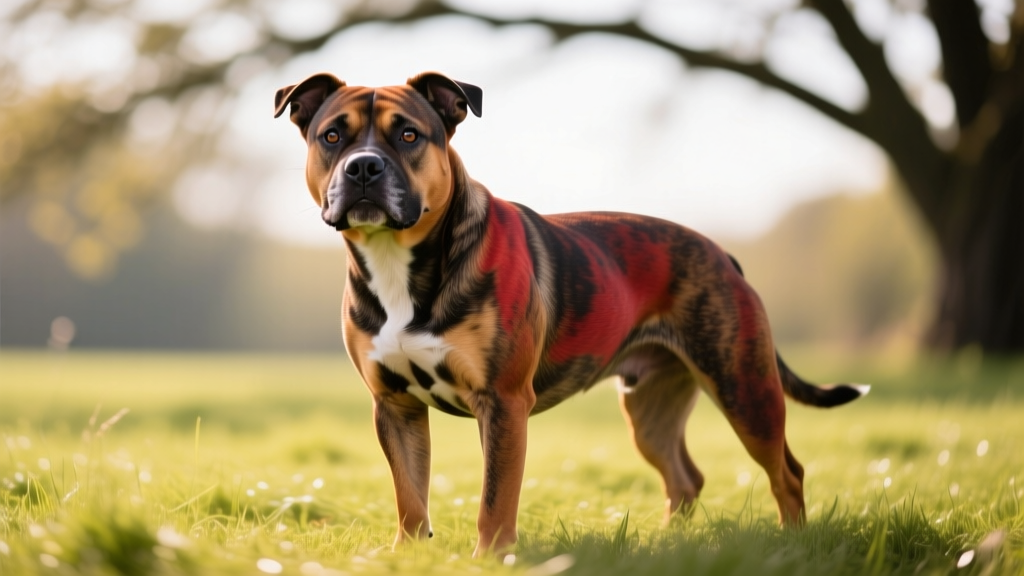
Full Grown Irish Wolfhound Size: Growth, Weight & What to Expect
Explore full grown Irish Wolfhound size including height, weight, growth timeline, and care needs for this gentle giant sighthound breed.

Just How Big Does a Full Grown Irish Wolfhound Get?
If you've ever stood next to an Irish Wolfhound at full stretch, you already know the answer is very. But understanding the full grown Irish Wolfhound size goes beyond a single number on a scale. These dogs are the tallest of all recognized dog breeds, and their sheer dimensions affect everything from the food budget you'll need to the size of the vehicle you drive.
Male Irish Wolfhounds typically stand 32 to 35 inches (81–89 cm) at the shoulder and weigh 120 to 155 pounds (54–70 kg). Females are slightly smaller, standing 30 to 32 inches (76–81 cm) and weighing 105 to 130 pounds (48–59 kg). The AKC breed standard sets a minimum height of 32 inches for males and 30 inches for females, with any dog below that minimum disqualified from conformation showing.
But height at the shoulder only tells part of the story. A full grown male Irish Wolfhound can reach over 7 feet (2.1 meters) tall when standing on hind legs, and their body length from chest to tail base often exceeds 3 feet. This is a dog that doesn't just occupy space — it defines it.
Origin & History: Ireland's Ancient Wolf Hunters
The Irish Wolfhound's history stretches back over a thousand years, making it one of the oldest sighthound breeds in existence. The breed originated in Ireland, where Celtic nobility used these massive dogs for a very specific purpose: hunting wolves and Irish elk (a now-extinct giant deer species that stood over 6 feet at the shoulder).
Historical records suggest the breed existed as early as 391 AD, when Roman consul Quintus Aurelius Symmachus received seven Irish Wolfhounds as a gift and wrote about their ability to fight lions and bears in the arena. Throughout the medieval period, Irish Wolfhounds were so valued that they were given as royal gifts between European monarchs — a practice that actually helped spread the breed across the continent.
By the late 1700s, wolves and elk were extinct in Ireland, and the breed nearly disappeared with its quarry. Captain George Augustus Graham is credited with reviving the Irish Wolfhound in the 1860s–1880s by crossing the remaining Irish dogs with Scottish Deerhounds, Borzois, and Great Danes to restore the breed's size and type.
Recognition Timeline
- 1879: Irish Wolfhound Club founded in Ireland
- 1897: First recognized by The Kennel Club (UK)
- 1925: Recognized by the American Kennel Club (AKC)
- FCI: Recognized under Group 10 (Sighthounds), Section 2 (Rough-haired Sighthounds), Standard #160
Physical Traits: What Sets the Irish Wolfhound Apart
Understanding the full grown Irish Wolfhound size requires looking at multiple dimensions. This isn't just a tall dog — it's a powerfully built, rough-coated sighthound with specific proportions that distinguish it from every other giant breed.
| Attribute | Details |
|---|---|
| Weight (Male) | 120–155 lb (54–70 kg) |
| Weight (Female) | 105–130 lb (48–59 kg) |
| Height (Male) | 32–35 in (81–89 cm) at shoulder |
| Height (Female) | 30–32 in (76–81 cm) at shoulder |
| Lifespan | 6–8 years (some reach 10) |
| Coat | Rough, wiry double coat; moderate shedder |
| Colors | Gray, brindle, red, black, white, fawn, wheaten |
| Energy Level | Moderate — 40–60 min daily exercise |
| Grooming | Weekly brushing, hand-stripping 2–3× per year |
| Family Fit | Excellent with children; gentle, patient, space-hungry |
Distinctive Features
Beyond raw measurements, several features define the breed's unmistakable silhouette:
- Rough, wiry coat with pronounced eyebrows and beard — gives the breed its characteristic "old man" expression
- Deep, narrow chest and tucked waist — classic sighthound build optimized for speed and endurance
- Long, slightly curved tail — carried low, never curled over the back
- Rose-shaped ears — small, carried flat against the head or semi-erect when alert
- Long, powerful neck carried high — contributes to the breed's regal bearing
Growth Timeline: From Puppy to Full Grown Irish Wolfhound Size
Irish Wolfhounds grow rapidly, but they take longer to reach their full mature size than most breeds. Understanding this timeline helps you plan for nutrition, joint care, and the logistical reality of a dog that will outgrow your lap within weeks.
| Age | Approx. Weight (Male) | Approx. Weight (Female) | Notes |
|---|---|---|---|
| 8 weeks | 18–22 lb (8–10 kg) | 15–18 lb (7–8 kg) | Ready to go home |
| 3 months | 30–40 lb (14–18 kg) | 25–35 lb (11–16 kg) | Rapid growth phase begins |
| 6 months | 70–90 lb (32–41 kg) | 60–75 lb (27–34 kg) | Already taller than many adult breeds |
| 9 months | 95–115 lb (43–52 kg) | 80–100 lb (36–45 kg) | Height growth slowing |
| 12 months | 110–135 lb (50–61 kg) | 90–115 lb (41–52 kg) | Near full height; still filling out |
| 18 months | 120–145 lb (54–66 kg) | 105–125 lb (48–57 kg) | Approaching adult weight |
| 24–36 months | 130–155 lb (59–70 kg) | 110–130 lb (50–59 kg) | Full mature size and musculature |
Temperament: What Surprises New Owners
The biggest surprise for first-time Wolfhound owners isn't the size — it's how gentle and emotionally sensitive these dogs are. Despite their historical role as wolf hunters and war dogs, modern Irish Wolfhounds are among the most mild-mannered breeds you'll encounter.
Here's what new owners consistently report:
- They're couch dogs at heart. Despite needing daily exercise, Wolfhounds spend most of their time lying down. They're not hyperactive or demanding of constant activity.
- They're deeply attached to their people. Wolfhounds bond intensely and do poorly when left alone for long hours. Separation anxiety is common in the breed.
- They're surprisingly quiet. Wolfhounds rarely bark without cause. Many owners report their dog barks only a handful of times per year.
- They have a strong prey drive outdoors. As sighthounds, anything that runs — squirrels, deer, cats, small dogs — can trigger a chase instinct. A securely fenced yard (minimum 6 feet tall) is non-negotiable.
- They're emotionally fragile. Harsh corrections or raised voices can shut a Wolfhound down entirely. Positive reinforcement and force-free training methods are the only approaches that work well with this breed.
Irish Wolfhounds are generally excellent with children, displaying a patient, watchful demeanor. However, their sheer size means they can accidentally knock over toddlers, so supervision is essential with young children. They tend to be polite but reserved with strangers and typically get along well with other dogs.
Health Concerns: The Hard Truth About Wolfhound Lifespans
The most difficult conversation about Irish Wolfhounds is their lifespan. The breed averages just 6 to 8 years, with some individuals reaching 9 or 10. This shortened lifespan is linked to several serious breed-specific health conditions that every prospective owner should understand before committing.
Always consult your veterinarian about breed-appropriate health screening and early detection protocols. The Irish Wolfhound Club of America recommends the following health tests for breeding stock: cardiac evaluation, elbow and hip evaluation, and ophthalmologist evaluation.
| Condition | Description | Prevalence / Risk |
|---|---|---|
| Dilated Cardiomyopathy (DCM) | Heart muscle weakens, leading to heart failure. Leading cause of death in the breed. | Affects an estimated 25–40% of Wolfhounds at some point. Annual cardiac screening recommended from age 2. |
| Osteosarcoma (Bone Cancer) | Aggressive malignant bone tumor, usually in limbs. Second leading cause of death. | Estimated 12–15% lifetime risk. Prognosis is poor even with amputation and chemotherapy. |
| Gastric Dilatation-Volvulus (Bloat/GDV) | Stomach fills with gas and twists. Life-threatening emergency requiring immediate surgery. | Deep-chested giant breeds at highest risk. Prophylactic gastropexy during spay/neuter reduces risk by ~90%. |
| Hip & Elbow Dysplasia | Malformation of joints leading to arthritis and pain. | OFA data shows approximately 10–15% of Wolfhounds have dysplastic hips. |
| Portosystemic Shunt (Liver Shunt) | Abnormal blood vessel bypasses the liver, causing toxin buildup. | Congenital; occurs in a small percentage of puppies. Surgical correction possible. |
| Hypertrophic Osteodystrophy (HOD) | Painful bone inflammation in growing puppies, typically ages 2–8 months. | Associated with rapid growth and overfeeding. Controlled growth rate is preventive. |
Special Care Requirements for Giant Sighthounds
Owning an Irish Wolfhound involves care considerations that don't apply to most breeds. Here's a practical checklist based on what experienced Wolfhound owners and breed specialists recommend:
Exercise & Activity
- 40–60 minutes of daily exercise — typically two leash walks plus access to a secure area for free running
- No forced exercise before 18 months — growing joints are vulnerable; avoid long runs, jumping, or repetitive stair climbing in puppies
- Sighthound-safe off-leash areas only — their chase instinct means they will pursue prey over any distance and cannot be recalled once in pursuit
- A minimum 6-foot fence is required; some Wolfhounds can clear shorter fencing when motivated
Nutrition & Feeding Costs
Feeding a full grown Irish Wolfhound is a significant ongoing expense. Expect to spend $100–$180 per month on high-quality kibble formulated for giant breeds. Most adult Wolfhounds eat 6–10 cups of dry food daily, split into two meals to reduce bloat risk.
- Choose a food with an AAFCO statement for large/giant breed adult maintenance
- Avoid elevated food bowls — research published in the Journal of the American Veterinary Medical Association found raised feeders actually increase bloat risk in giant breeds
- Do not exercise your Wolfhound for 60 minutes before and after meals to further reduce GDV risk
- Joint supplements containing glucosamine, chondroitin, and omega-3 fatty acids are commonly recommended from 12 months onward
Grooming
- Weekly brushing with a slicker brush and metal comb to prevent matting in the wiry coat
- Hand-stripping 2–3 times per year to maintain coat texture (or professional grooming at $80–$150 per session)
- Regular nail trimming — overgrown nails on a 140-pound dog cause significant joint stress
- Beard and eyebrow hair may need trimming to keep food and water debris from accumulating
How the Irish Wolfhound Compares to Similar Breeds
If you're drawn to the Irish Wolfhound's size but wondering whether a similar breed might be a better fit, here's how the Wolfhound stacks up against two other giant breeds people commonly consider:
| Trait | Irish Wolfhound | Scottish Deerhound | Great Dane |
|---|---|---|---|
| Height (Male) | 32–35 in | 30–32 in | 30–32 in |
| Weight (Male) | 120–155 lb | 85–110 lb | 140–175 lb |
| Lifespan | 6–8 years | 8–11 years | 7–10 years |
| Energy Level | Moderate | Moderate | Moderate-Low |
| Prey Drive | Very High | Very High | Moderate |
| Barking | Very Low | Low | Moderate |
| Trainability | Moderate (independent thinker) | Moderate (independent thinker) | Good (eager to please) |
| Coat Maintenance | Moderate (hand-stripping) | Moderate (hand-stripping) | Low (short coat) |
| AKC Group | Hound | Hound | Working |
The Scottish Deerhound is the Wolfhound's closest relative — similar in temperament and coat type but noticeably lighter and slightly smaller. Deerhounds tend to live 2–3 years longer on average. The Great Dane is heavier and more muscular but shorter at the shoulder. Danes are more trainable and less prey-driven, making them somewhat easier for first-time giant breed owners, though they share many of the same health risks.
Availability, Cost & Finding a Responsible Breeder
Irish Wolfhounds are not a common breed. The AKC ranks them #76 out of 201 recognized breeds in popularity, which means finding a puppy often involves joining a breeder's waiting list that can stretch 6 to 18 months.
Typical Cost Breakdown
- Puppy purchase price: $2,500–$4,000 from a health-tested, reputable breeder (2026 pricing)
- First-year veterinary costs: $1,500–$2,500 (vaccinations, spay/neuter, cardiac baseline, microchip)
- Annual food budget: $1,200–$2,160
- Annual routine vet care: $600–$1,000 (including cardiac screening from age 2)
- Emergency fund recommendation: Maintain at least $5,000–$8,000 accessible for potential bloat surgery, cardiac treatment, or cancer care
The Irish Wolfhound Club of America maintains a breeder referral directory and is the best starting point for finding ethical breeders. Responsible breeders will:
- Perform and share OFA cardiac, hip, and elbow clearances for both parents
- Provide a written contract with a health guarantee and take-back clause
- Ask you detailed questions about your home, yard, lifestyle, and experience
- Never have puppies available year-round or advertise on general marketplace sites
- Encourage you to meet the dam and see the breeding environment
Is the Irish Wolfhound Right for You?
The Irish Wolfhound is suitable for families who understand the emotional and financial commitment of a giant, short-lived breed. They can work for first-time owners who have done thorough research, but they are not an easy dog to own casually.
Best fit for: Families with secure fenced property, people who are home often (they don't tolerate long alone time), those prepared for significant food and veterinary costs, and owners who want a gentle, quiet companion rather than a high-energy activity partner.
Poor fit for: Apartment dwellers without yard access, people who work long hours away from home, those on tight budgets who couldn't absorb a $5,000+ emergency vet bill, or anyone wanting a highly obedient, biddable working dog.
The full grown Irish Wolfhound size is genuinely magnificent — but it's the breed's gentle heart and devastatingly short lifespan that truly define the ownership experience. If you're prepared for both the joy and the heartbreak, few dogs will ever leave as deep a mark on your life.
Frequently Asked Questions
How rare is the Irish Wolfhound today?
The Irish Wolfhound ranks #76 in AKC popularity, making them an uncommon breed. You're unlikely to encounter one at a typical dog park. Litters are small (typically 5–8 puppies), and responsible breeders often produce only one or two litters per year, contributing to waiting lists that can extend beyond a year.
What makes the Irish Wolfhound different from a Great Dane?
While both are giant breeds, the Irish Wolfhound is a sighthound (Hound Group) bred for chasing prey, while the Great Dane is a Working Group breed originally used for boar hunting. Wolfhounds are taller at the shoulder but lighter, have a rough wiry coat versus the Dane's short smooth coat, possess a much higher prey drive, and are significantly quieter. Danes are generally more trainable and biddable.
Can an Irish Wolfhound live in an apartment?
It's possible but not ideal. Despite their moderate indoor energy, Wolfhounds need daily access to a secure area for free running. Their size also makes apartment logistics challenging — they need oversized beds, wide doorways, and ground-floor or elevator access. A home with a fenced yard is strongly preferred.
Are Irish Wolfhounds good with cats and small dogs?
Many Wolfhounds coexist peacefully with household cats and small dogs when raised together, but their sighthound prey drive means they may instinctively chase any small animal that runs outdoors. Never leave a Wolfhound unsupervised with cats or small pets, and understand that introducing a new small pet to an adult Wolfhound carries risk.
How much does an Irish Wolfhound eat per day?
An adult Irish Wolfhound typically eats 6–10 cups of high-quality dry food daily, divided into two meals. Monthly food costs range from $100–$180 depending on the brand. Giant breed formulas with controlled calcium and appropriate protein levels are recommended. Always feed from floor level — elevated bowls increase bloat risk.
Is the Irish Wolfhound suitable for first-time dog owners?
Yes, but with significant caveats. First-time owners should connect with experienced Wolfhound owners or breed mentors before committing. The breed's sensitivity, prey drive, giant-breed health risks, and short lifespan require an owner who is emotionally and financially prepared. Attending an Irish Wolfhound Club of America regional event to meet the breed in person is strongly recommended before deciding.
Jonas Cole
All our authors care for dogs every day — read more of their work on the authors page.