Finding Reputable Breeders for Shiba Inu: Complete 2026 Buyer's Guide
How to find reputable breeders for Shiba Inu puppies in 2026. Includes breed traits, health testing, pricing, and red flags to avoid.
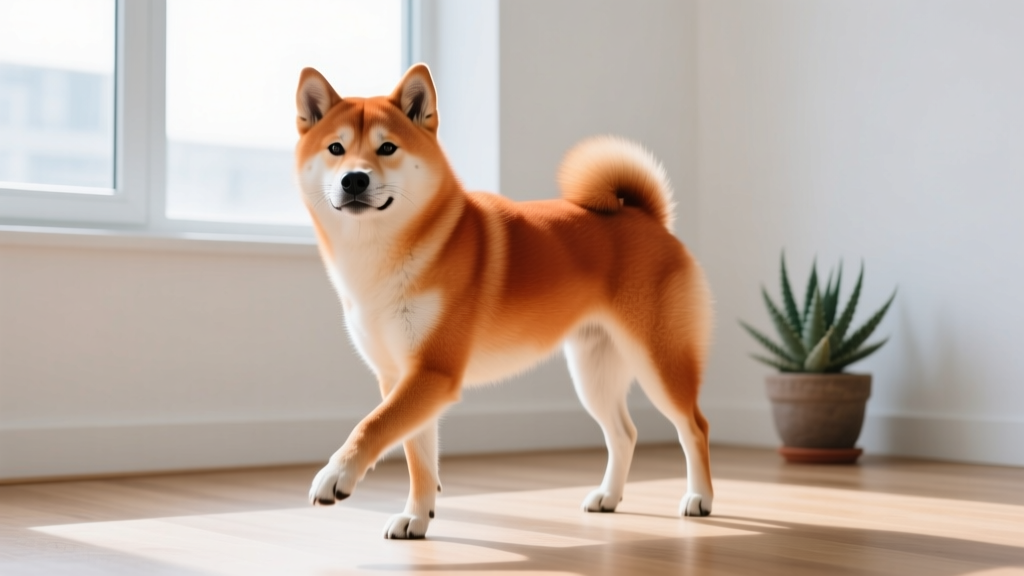
Why the Shiba Inu Demands a Careful Breeder Search
The Shiba Inu's fox-like face and compact, muscular build have made it one of the most searched breeds online — and one of the most frequently surrendered to rescues by owners who weren't prepared for its independent streak. If you're looking for breeders for Shiba Inu puppies, you're not just shopping for a dog; you're investing in genetics, early socialization, and temperament screening that will shape the next 12–15 years of your life together.
This guide walks you through everything you need to know about the breed itself and how to identify a responsible breeder who health-tests, socializes, and stands behind their puppies — versus a backyard operation that skips the essentials.
Shiba Inu Breed Overview: Origin, Size, and Lifespan
The Shiba Inu is Japan's oldest and smallest native spitz-type breed, originally developed in mountainous regions for hunting small game and birds. The breed nearly went extinct during World War II; post-war breeding programs combined three surviving bloodlines — the Shinano, San'in, and Mino — to create the modern Shiba. The American Kennel Club recognized the Shiba Inu in 1992, and it has climbed steadily in popularity since.
| Attribute | Detail |
|---|---|
| Size Class | Small-to-medium |
| Weight (Male) | 23 lb / 10.4 kg (average) |
| Weight (Female) | 17 lb / 7.7 kg (average) |
| Weight Range | 17–23 lb / 7.7–10.4 kg |
| Height (at withers) | 13.5–16.5 inches / 34–42 cm |
| Lifespan | 13–16 years |
| Coat Type | Double coat; stiff outer guard hair, soft dense undercoat |
| Recognized Colors | Red, red sesame, black with tan points, cream (non-standard) |
| AKC Group | Non-Sporting |
| Origin | Japan (mountainous regions of Niigata, Nagano, Gifu) |
Temperament & Personality: What Living With a Shiba Actually Looks Like
Shiba Inus are frequently described as "cat-like," and the comparison is more than cosmetic. Here are the five core traits you'll encounter daily:
- Independence: A Shiba will often choose to sit three feet away from you rather than on your lap. They bond deeply with their family but rarely display the clingy devotion of a Golden Retriever. Expect a dog that checks in with you but doesn't need constant reassurance.
- Cleanliness: Shibas groom themselves frequently and are notoriously easy to house-train — many puppies will avoid soiling their crate from as early as 8 weeks. They dislike wet feet and will step carefully around puddles.
- Prey Drive: This breed will chase squirrels, rabbits, and neighborhood cats with single-minded focus. Off-leash reliability is extremely difficult to achieve; most experienced Shiba owners keep their dogs on long lines (15–30 ft) in unfenced areas rather than trusting recall.
- Stubbornness in Training: A Shiba understands what you want — they simply may not see a reason to comply. Force-free, reward-based methods work best. If you're holding a piece of freeze-dried liver, you have their full attention. If you're not, good luck.
- "Shiba Scream": When displeased — at the vet, during nail trims, or when a leash is attached — many Shibas emit a high-pitched vocalization that sounds alarmingly like a human scream. It's normal breed behavior, not a sign of pain (though you should still rule out discomfort).
Pros of Owning a Shiba Inu
- Quiet breed — rarely barks without cause
- Self-cleaning; minimal dog odor
- Compact size suits apartments and condos
- Long lifespan (13–16 years)
- Generally healthy with responsible breeding
Cons of Owning a Shiba Inu
- Heavy seasonal shedding ("blowing coat" 2x/year)
- Poor recall; not safe off-leash in most settings
- Can be dog-selective or same-sex aggressive
- Not a "cuddly" breed — may disappoint first-time owners expecting a lap dog
- Escape artist; needs secure fencing (6 ft minimum, dig-proof base)
Exercise & Activity Needs: Minutes, Not Guesses
Shiba Inus need 45–60 minutes of structured exercise daily, split into two sessions. Here's a practical breakdown:
| Activity | Duration | Frequency | Notes |
|---|---|---|---|
| Morning leash walk | 20–30 minutes | Daily | Use a front-clip harness (e.g., Ruffwear Front Range) to manage pulling |
| Evening walk or sniffari | 20–30 minutes | Daily | Let them lead and sniff; mental stimulation tires them as much as physical |
| Flirt pole or lure coursing | 10–15 minutes | 3x/week | Satisfies prey drive safely; use a Squishy Face Studio Flirt Pole |
| Puzzle toys / nosework | 15–20 minutes | Daily | Outward Hound Nina Ottosson puzzles; hide treats in snuffle mats |
| Weekend hike (on leash) | 60–90 minutes | 1–2x/week | Shibas handle moderate terrain well; avoid extreme heat due to thick coat |
Without adequate exercise, Shibas redirect energy into destructive chewing, fence-digging, or obsessive licking. A tired Shiba is a well-behaved Shiba.
Common Health Issues: What Responsible Breeders Screen For
The Shiba Inu is generally robust, but several heritable conditions appear with enough frequency that any breeder you work with should provide documented health clearances. Always ask for Orthopedic Foundation for Animals (OFA) or PennHIP certificates.
| Condition | Prevalence | Screening Test | What to Ask the Breeder |
|---|---|---|---|
| Hip Dysplasia | ~6.8% of Shibas evaluated by OFA rated dysplastic | OFA or PennHIP radiograph | "Can I see both parents' OFA hip certifications?" |
| Patellar Luxation | ~3.5% prevalence in breed | OFA patella evaluation | "Are both parents cleared for patellas?" |
| Allergies (atopic dermatitis) | Estimated 10–15% of Shibas affected | No genetic test; ask about parental history | "Have either parent had chronic skin issues or ear infections?" |
| Cataracts / Progressive Retinal Atrophy | Low but documented | OFA/CERF eye exam by veterinary ophthalmologist | "Do you have a current CERF certificate for both parents?" |
| Degenerative Myelopathy (DM) | Carrier frequency ~2–4% | Embark or UC Davis DNA test | "Can you show me the DM genetic test results?" |
A breeder who cannot produce these documents is not a responsible breeder — regardless of how friendly they seem or how cute the puppies are. Consult your veterinarian if you have concerns about any health condition in a puppy you're considering.
How to Identify Reputable Breeders for Shiba Inu Puppies
The AKC Marketplace and the National Shiba Club of America's breeder referral list are starting points, but they're not guarantees. Here's a decision framework to evaluate any breeder you contact:
- Health testing transparency: A reputable breeder will proactively send you OFA links for both parents before you ask. If they say "vet checked," that's not the same as genetic and orthopedic screening — a basic wellness exam does not rule out heritable disease.
- Waitlist, not inventory: Ethical Shiba breeders typically produce 1–2 litters per year and maintain waitlists of 3–8 months. If a breeder always has puppies available, that's a red flag.
- Contract and take-back clause: A responsible breeder will require a signed contract that includes a return clause — meaning they'll take the dog back at any point in its life if you can no longer care for it. This prevents their puppies from ending up in shelters.
- Early socialization protocol: Ask whether they follow Puppy Culture, Avidog, or a similar structured early neurological stimulation (ENS) and socialization program. Puppies raised in a garage or outdoor kennel without daily human handling from day 3 through week 16 are at higher risk for fear-based behavioral issues.
- They interview you: Good breeders ask about your living situation, work schedule, experience with dogs, fencing, and plans for the puppy. If a breeder doesn't ask you any questions and simply takes your deposit, walk away.
- Visit the facility: Insist on visiting the breeder's home or kennel to meet the dam (mother) and see the living conditions. Refusal to allow visits is a major warning sign of a puppy mill or broker.
Red Flags That Signal a Backyard Breeder or Puppy Mill
- Multiple breeds available simultaneously
- Puppies shipped without meeting you
- No health guarantee or a guarantee shorter than 1 year
- Prices significantly below market ($800 or less for a Shiba Inu)
- Cannot name the sire or provide his health clearances
- Pressure to pay a deposit before seeing the puppy in person
Cost of Ownership: Puppy Price and Annual Expenses
Here's a realistic 2026 cost breakdown for a Shiba Inu purchased from a reputable breeder:
| Expense Category | First Year | Annual (Subsequent Years) |
|---|---|---|
| Puppy purchase (from health-tested breeder) | $1,800–$3,500 | — |
| Initial vet visits (3 puppy wellness + rabies/DHPP series) | $400–$650 | — |
| Spay/neuter | $300–$700 | — |
| High-quality kibble (e.g., Orijen, Fromm, or AAFCO-complete raw) | $480–$720 | $480–$720 |
| Preventive medications (heartworm, flea/tick — e.g., Simparica Trio) | $250–$400 | $250–$400 |
| Pet insurance (e.g., Trupanion, Healthy Paws) | $480–$720 | $480–$720 |
| Grooming supplies (undercoat rake, slicker brush, nail grinder) | $60–$100 | $20–$40 (replacement) |
| Training classes (puppy socialization + basic obedience) | $200–$500 | $0–$200 |
| Supplies (crate, harness, leash, puzzle toys, bed) | $250–$450 | $50–$150 |
| Total Estimated Cost | $4,220–$7,740 | $1,280–$2,230 |
Emergency veterinary care can add $1,500–$5,000+ in any given year. Pet insurance or a dedicated savings fund is strongly recommended.
Grooming Requirements: Tools and Frequency
Shiba Inus are a double-coated breed and require consistent grooming to manage shedding and skin health:
- Brushing (non-shedding season): 2–3 times per week using a slicker brush (e.g., Chris Christensen Big G) followed by a metal comb to check for mats behind the ears and under the legs.
- Brushing (blowing coat — spring and fall, 2–3 weeks): Daily using an undercoat rake (e.g., Furminator deShedding Tool for small dogs, used gently) to remove dead undercoat. You will pull out enough fur to build a second dog. This is normal.
- Bathing: Every 6–8 weeks, or as needed. Over-bathing strips natural oils from the coat. Use a canine-specific oatmeal or hypoallergenic shampoo.
- Nail trimming: Every 2–3 weeks. Many Shibas are sensitive about paw handling; start early and pair with high-value treats. A Dremel 7300-PT nail grinder is often better tolerated than clippers.
- Never shave a Shiba Inu. The double coat provides insulation against both heat and cold. Shaving disrupts the coat's thermoregulation and can cause permanent texture changes (post-clipping alopecia).
Training & Intelligence: Working With an Independent Thinker
The Shiba Inu ranks moderately in working/obedience intelligence but excels in adaptive intelligence — they learn quickly what benefits them and ignore what doesn't. Trainability rating: 3 out of 5 (responds well to positive reinforcement; poor response to repetitive drills or aversive methods).
Recommended methods: Positive reinforcement (treats, play, life rewards like door-opening or sniffing privileges), clicker training, and short sessions (5–10 minutes max). Shibas shut down or walk away from long, repetitive training sessions.
Critical early training priorities:
- Recall: Begin immediately but plan to never fully trust it off-leash. Use a long line for practice in open areas.
- Handling desensitization: Touch paws, ears, mouth, and tail daily from 8 weeks onward, paired with treats. This prevents the "Shiba scream" and biting during vet visits and grooming.
- Leash manners: Front-clip harness and reward-based loose-leash walking. Shibas are strong pullers for their size.
- Socialization: Expose to diverse people, dogs, surfaces, sounds, and environments between 8–16 weeks. Shibas that miss this window often develop fear-based reactivity.
Never use shock collars, prong collars, or alpha rolls on a Shiba Inu. These methods damage trust and can trigger fear-based aggression in a breed already prone to wariness of strangers.
Family Suitability: Kids, Pets, and Apartment Living
With children: Shibas do best with children aged 8+ who understand how to interact calmly with dogs. They tolerate gentle handling but will not tolerate ear-pulling, tail-grabbing, or being climbed on. A Shiba that feels cornered or startled may snap. Supervision is non-negotiable with young children.
With other dogs: Shibas tend to be same-sex aggressive and dog-selective. They often do best as the only dog in the household or paired with an opposite-sex, easygoing breed. Dog park visits are generally not recommended — Shibas can be both bullies and targets.
With cats and small animals: High prey drive makes cohabitation risky. Some Shibas raised with cats from puppyhood coexist peacefully, but introducing an adult Shiba to a household cat is unpredictable.
Apartment living: Excellent apartment dogs if exercise needs are met. They're quiet, clean, and compact. The main challenge is ensuring adequate outdoor exercise without a yard. A 6-foot privacy fence with a dig-proof base (hardware cloth buried 12 inches along the perimeter) is recommended for any yard.
Frequently Asked Questions About Shiba Inu Breeders and Ownership
Is the Shiba Inu right for first-time owners?
The Shiba Inu is generally not recommended for first-time dog owners. Their independence, strong prey drive, and sensitivity to heavy-handed training require patience and experience. First-time owners who are committed to the breed should budget for professional training classes and connect with experienced Shiba mentors through breed-specific rescue organizations or the National Shiba Club of America.
How much exercise does a Shiba Inu need daily?
A minimum of 45–60 minutes of structured exercise daily, split across two sessions. This should include leash walks, sniffing enrichment, and prey-drive outlets like flirt pole play. Mental stimulation (puzzle toys, nosework) counts toward their daily activity needs.
What health problems is the Shiba Inu prone to?
The most common breed-specific concerns include hip dysplasia (~6.8% prevalence per OFA data), patellar luxation (~3.5%), atopic dermatitis/allergies (10–15% estimated), cataracts, and degenerative myelopathy (carrier frequency 2–4%). Always request OFA/CERF health clearances from the breeder for both parents.
How big does a Shiba Inu get?
Adult males typically weigh 23 lb (10.4 kg) and stand 14.5–16.5 inches (37–42 cm) at the withers. Females average 17 lb (7.7 kg) and 13.5–15.5 inches (34–39 cm). They reach full height by 12 months and fill out to adult weight by 18 months.
Is the Shiba Inu good with children and other pets?
Shibas do best with respectful children aged 8 and older. They tend to be dog-selective and same-sex aggressive, so multi-dog households require careful pairing. Their high prey drive makes them unreliable around cats, rabbits, and other small animals unless raised together from puppyhood — and even then, supervision is essential.
How much does a Shiba Inu cost to buy and maintain?
Expect to pay $1,800–$3,500 for a puppy from a health-tested, reputable breeder. First-year total costs (including veterinary care, supplies, and food) range from $4,220–$7,740. Ongoing annual costs are approximately $1,280–$2,230, excluding emergencies.
Should I consider Shiba Inu rescue instead of a breeder?
Absolutely. Organizations like Shiba Inu Rescue Association and regional Shiba-specific rescues place adult dogs that have been temperament-tested and veterinary-evaluated. Adoption fees typically range from $300–$600 and include spay/neuter, vaccinations, and microchipping. Rescue is an excellent option for owners who want to skip the puppy phase or who prefer to know a dog's established personality before committing.
Final Thoughts on Choosing Breeders for Shiba Inu Puppies
The Shiba Inu is a rewarding breed for the right owner — someone who appreciates independence, respects a dog's boundaries, and enjoys the challenge of training a clever, self-directed thinker. The single most impactful decision you'll make is choosing a breeder who prioritizes health testing, early socialization, and lifetime support over quick sales. Take your time, visit multiple breeders if possible, and don't let impulse override diligence. A well-bred Shiba from a responsible program will be your companion for 13–16 years — and that relationship starts with the phone call you make today.
Anouk Beaumont
All our authors care for dogs every day — read more of their work on the authors page.


