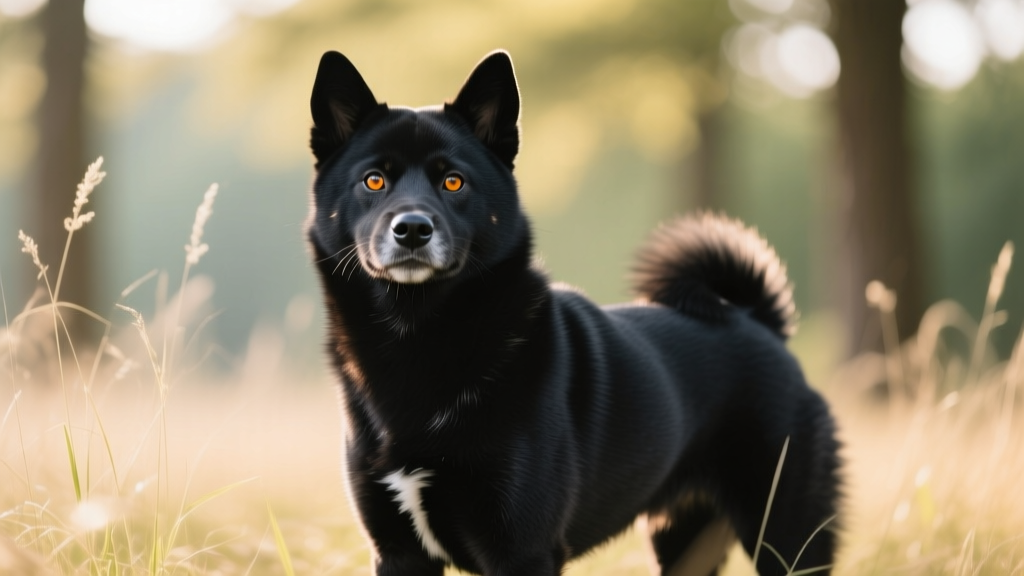
French Poodle Mix: Complete Breed Guide to the French
French Poodle (French Bulldog x Poodle mix): size, coat types, temperament variability, health risks, grooming needs, and cost in this detailed breed

What Is a French Poodle? Understanding This Designer Cross
The French Poodle — sometimes called a Frenchie Poo or Froodle — is a designer cross between a French Bulldog and a Poodle (typically a Miniature or Toy Poodle, rarely a Standard). This mix has gained attention among apartment dwellers and allergy-conscious owners who want the French Bulldog's compact charm with the Poodle's lower-shedding coat. But as with any first-generation designer cross, outcomes vary significantly from puppy to puppy.
Unlike established breeds with predictable standards, the French Poodle inherits traits from two parent breeds that differ considerably in structure, energy, and health profiles. Some puppies lean heavily toward the Frenchie side — stocky, bat-eared, and brachycephalic (flat-faced). Others favor the Poodle parent — leaner, longer-muzzled, and more active. Most fall somewhere in between, and even littermates can look and behave quite differently.
If you're researching this mix, this guide covers what you can reasonably expect — and what you absolutely can't guarantee — before committing to a French Poodle puppy.
Parent Breed Breakdown: French Bulldog Meets Poodle
Understanding each parent breed is essential to predicting what a French Poodle might be like. Here's a side-by-side comparison of the two foundation breeds:
| Trait | French Bulldog | Miniature/Toy Poodle |
|---|---|---|
| AKC Group | Non-Sporting | Non-Sporting / Toy |
| Weight Range | 16–28 lb (7–13 kg) | 4–15 lb (2–7 kg) depending on variety |
| Height | 11–13 in (28–33 cm) | 10–15 in (25–38 cm) |
| Coat Type | Short, smooth, single coat | Dense, curly, single coat (hair-like) |
| Shedding | Low to moderate | Minimal (hair grows continuously) |
| Muzzle Shape | Brachycephalic (very short) | Dolichocephalic (long, narrow) |
| Energy Level | Low to moderate (30–45 min/day) | Moderate to high (45–60 min/day) |
| Trainability | Moderate (can be stubborn) | High (ranked #2 in working intelligence) |
| Lifespan | 10–12 years | 12–18 years (Toy/Miniature) |
| Key Health Risks | BOAS, IVDD, hip dysplasia, skin allergies | Patellar luxation, progressive retinal atrophy, Addison's disease |
These two breeds sit at near-opposite ends of several spectrums — skull shape, coat type, energy, and trainability. That divergence is exactly what makes predicting French Poodle traits so challenging.
Generation Guide: F1, F1B, F2, and Multigen French Poodles
If you're shopping for a French Poodle puppy, you'll encounter generation labels. These matter because they influence coat type predictability and trait consistency.
Generation Terminology Explained
- F1 (First Generation): Direct cross of a purebred French Bulldog × purebred Poodle. Maximum genetic diversity, but highest trait variability. Puppies in the same litter may look drastically different.
- F1B (First Generation Backcross): An F1 French Poodle bred back to one of the parent breeds (usually the Poodle, to increase the odds of a low-shedding coat). Roughly 75% one breed, 25% the other.
- F2 (Second Generation): Two F1 French Poodles bred together. Trait predictability does not improve — in fact, F2 litters often show more variation than F1 litters due to gene recombination.
- Multigen (F3+): Multiple generations of French Poodle-to-French Poodle breeding. Still not a recognized breed. Trait consistency improves slightly over many generations but never reaches purebred predictability without a closed studbook and breed standard.
Key takeaway: No generation of French Poodle guarantees a specific coat type, size, or temperament. F1B puppies backcrossed to a Poodle have the highest probability of a curly, low-shedding coat — but it's a probability, not a promise.
Size Range: How Big Will a French Poodle Get?
Because the Poodle comes in three sizes (Standard, Miniature, Toy) and the French Bulldog has a fairly narrow weight range, the French Poodle's adult size depends heavily on which Poodle variety was used in the cross.
| Cross | Expected Weight | Expected Height | Notes |
|---|---|---|---|
| French Bulldog × Toy Poodle | 10–18 lb (4.5–8 kg) | 9–12 in (23–30 cm) | Smallest variant; fragile for rough-play households |
| French Bulldog × Miniature Poodle | 15–25 lb (7–11 kg) | 11–15 in (28–38 cm) | Most common cross; manageable apartment size |
| French Bulldog × Standard Poodle | 25–45 lb (11–20 kg) | 15–20 in (38–51 cm) | Rare; significant size mismatch raises breeding safety concerns |
Important caveat: These are estimated ranges, not guarantees. An F1 puppy from a Miniature Poodle cross could land anywhere within — or even slightly outside — the projected range. Weight at 8 weeks is a poor predictor of adult size in mixed breeds. The most reliable method is to ask the breeder for the exact weights and heights of both parent dogs, then expect the puppy to fall somewhere between them.
Coat Types, Shedding, and the Hypoallergenic Question
Coat inheritance is one of the most unpredictable aspects of this mix. The French Bulldog contributes genes for a short, smooth, single-layer coat. The Poodle contributes genes for a dense, curly, continuously growing coat. A French Poodle puppy can inherit any combination, and coat texture may change during the first 12–18 months.
Three Common Coat Outcomes
- Poodle-dominant coat: Curly or wavy, low-shedding, requires professional grooming every 6–8 weeks. Closest to "hypoallergenic" — though no dog is truly allergen-free, as allergens come from dander and saliva, not just hair.
- Frenchie-dominant coat: Short, smooth, with moderate shedding. Minimal grooming needed beyond weekly brushing. More likely to trigger allergies in sensitive individuals.
- Mixed/intermediate coat: Wavy or wiry, with moderate shedding. Often the most common outcome in F1 litters. Grooming needs fall between the two extremes — brushing 2–3 times per week, professional grooming every 8–12 weeks.
On hypoallergenic claims: According to the American Kennel Club, no dog breed is truly hypoallergenic. Poodles are considered more tolerable for allergy sufferers because their curly coat traps dander rather than releasing it into the environment. However, a French Poodle with a Frenchie-leaning coat will shed and release dander similarly to a French Bulldog. Allergy sufferers should spend time with the specific puppy before committing — coat type varies even within a single litter.
Grooming Needs by Coat Type
| Coat Type | Brushing Frequency | Professional Grooming | Estimated Annual Cost |
|---|---|---|---|
| Poodle-type (curly) | Daily to every other day | Every 6–8 weeks | $480–$720/year |
| Intermediate (wavy) | 2–3 times per week | Every 8–12 weeks | $240–$480/year |
| Frenchie-type (short) | Once per week | Rarely needed | $0–$120/year |
If your French Poodle inherits facial wrinkles from the Frenchie parent, those folds require cleaning 2–3 times per week with a damp cloth or veterinary-recommended wrinkle wipe to prevent yeast and bacterial infections — a common issue in brachycephalic breeds.
Temperament: What to Expect (and What Might Surprise You)
Temperament in mixed breeds is a spectrum, not a fixed point. Here's the realistic range for French Poodles based on parent breed tendencies:
Best-Case Scenario
Your French Poodle inherits the Poodle's trainability and the French Bulldog's easygoing affection. You get an adaptable, people-oriented dog that's alert without being excessively vocal, playful in short bursts, and content to lounge with you for hours. This is the combination most breeders market — and it does happen, but it's not guaranteed.
Challenging Scenario
Your French Poodle inherits the French Bulldog's stubborn streak combined with the Poodle's high mental stimulation needs. The result: a dog that's smart enough to need constant engagement but resistant to obedience training. Without adequate mental enrichment (puzzle toys, scent games, training sessions), this dog may develop destructive behaviors — chewing, digging, or excessive barking. Some individuals also inherit the Poodle's sensitivity to environmental changes, making them prone to anxiety during travel, moves, or schedule disruptions.
Socialization and Training
Regardless of which parent your puppy favors, early socialization during the critical window of 3 to 14 weeks is essential. Expose your French Poodle puppy to varied surfaces, sounds, people, and other dogs during this period. Use positive reinforcement methods — treats, praise, and play — to build confidence. Force-free training approaches recommended by the American Veterinary Society of Animal Behavior produce the most reliable long-term results and avoid the fear-based responses that aversive tools (shock collars, prong collars) can create in sensitive dogs.
Exercise requirements: Plan for 30–50 minutes of daily activity, split into two or three sessions. French Poodles with brachycephalic features should never be exercised in hot or humid weather — they overheat rapidly. Walk during cool morning or evening hours and always carry water.
Health Considerations: Hybrid Vigor Myth vs. Reality
One of the most persistent myths in the designer dog world is that mixed breeds automatically enjoy "hybrid vigor" — the idea that crossing two breeds eliminates inherited health problems. This is misleading. While outcrossing can reduce the risk of recessive conditions that require two copies of a faulty gene, a French Poodle can still inherit any condition that either parent breed is predisposed to.
Conditions Inherited From the French Bulldog Side
- Brachycephalic Obstructive Airway Syndrome (BOAS): If your French Poodle inherits a shortened muzzle, narrowed nostrils (stenotic nares), or an elongated soft palate, breathing difficulties are likely. BOAS affects an estimated 50–60% of French Bulldogs according to Merck Veterinary Manual. Signs include snoring, exercise intolerance, gagging, and heat sensitivity.
- Intervertebral Disc Disease (IVDD): French Bulldogs have chondrodystrophic (short-limbed) body conformations that predispose them to disc herniation, particularly in the thoracolumbar spine. Onset can occur as early as 2–3 years of age. Symptoms include back pain, reluctance to jump, weakness, or paralysis in the hind limbs. Surgical treatment typically costs $3,000–$8,000.
- Hip Dysplasia: Prevalence in French Bulldogs is approximately 20–22% based on Orthopedic Foundation for Animals (OFA) data.
- Skin Fold Dermatitis and Allergies: French Bulldogs rank among the most allergy-prone breeds. Atopic dermatitis, food sensitivities, and yeast infections in skin folds and ear canals are common.
Conditions Inherited From the Poodle Side
- Patellar Luxation: The kneecap slips out of its groove, causing intermittent lameness. Common in Miniature and Toy Poodles. Severity ranges from Grade I (occasional skip) to Grade IV (permanent dislocation requiring surgery at $1,500–$3,500 per knee).
- Progressive Retinal Atrophy (PRA): A degenerative eye disease leading to blindness. Genetic tests are available for the prcd-PRA variant common in Poodles.
- Addison's Disease (Hypoadrenocorticism): Poodles have a known breed predisposition. Symptoms include lethargy, vomiting, weight loss, and collapse during stress. Requires lifelong hormone replacement therapy.
- Sebaceous Adenitis: An inflammatory skin condition that destroys sebaceous glands, causing scaling and hair loss. More common in Standard Poodles but can appear in Miniatures.
Always consult your veterinarian about a preventive health plan for your French Poodle, including weight management (excess weight dramatically worsens both BOAS and IVDD risk), dental care, and age-appropriate screening.
Cost Breakdown: What You'll Actually Spend
French Poodle puppies are priced based on breeder reputation, location, generation, and whether health testing was performed on parent dogs.
| Cost Category | Low End | Mid Range | High End |
|---|---|---|---|
| Puppy purchase price | $800–$1,200 | $1,500–$2,500 | $2,800–$4,000+ |
| First-year veterinary care (vaccines, spay/neuter, wellness) | $500 | $800 | $1,200 |
| Grooming (annual) | $0 | $360 | $720 |
| Food (quality kibble or balanced diet) | $240/year | $420/year | $600/year |
| Pet insurance (monthly premium) | $30/month | $45/month | $70/month |
| Estimated first-year total | $2,400 | $4,500 | $7,500+ |
Breeder vs. Rescue: Most French Poodles are available through breeders. Rescue availability is low because designer breeds are less frequently surrendered than purebreds, though it does happen. Check breed-specific rescues for French Bulldogs and Poodles — they occasionally take in mixed-breed dogs. Adoption fees typically range from $200–$500 and often include spay/neuter, vaccinations, and microchipping.
A note on low-priced puppies: French Poodles advertised for under $800 often come from backyard breeders or puppy mills that skip health testing. The savings on purchase price are frequently erased by veterinary bills for inherited conditions within the first 2–3 years.
Who Is the French Poodle Best Suited For?
This mix works well for specific households and poorly for others. Here's a realistic fit assessment:
Good Fit If You...
- Live in an apartment or small home and want a compact dog (15–25 lb range)
- Have a moderate activity level — daily walks and indoor play, not marathon hiking
- Want an affectionate companion dog that bonds closely with its people
- Can commit to regular grooming if the puppy inherits a Poodle-type coat
- Are prepared for potential brachycephalic health management (heat restrictions, possible airway surgery)
- Have older children (8+) who understand how to handle a small, potentially fragile dog gently
Poor Fit If You...
- Want a guaranteed hypoallergenic dog — coat type is unpredictable
- Live in a hot climate and want a dog that can handle outdoor summer activities
- Have toddlers who may accidentally injure a small dog during rough play
- Want a highly predictable temperament or appearance — consider a purebred instead
- Cannot budget for potential IVDD surgery ($3,000–$8,000) or BOAS corrective surgery ($2,000–$5,000)
- Work long hours — this mix tends toward separation anxiety, inheriting the Poodle's people-orientation and the Frenchie's companion-dog nature
Experience Level
The French Poodle is a reasonable choice for first-time owners who have done their research, but the potential health complexities (especially BOAS and IVDD) make some veterinary literacy important. If you've never managed a brachycephalic dog's heat restrictions or recognized early signs of disc disease, partner with a veterinarian experienced in these breeds before bringing a puppy home.
Frequently Asked Questions
What two breeds make up the French Poodle mix?
The French Poodle is a cross between a French Bulldog and a Poodle — most commonly a Miniature Poodle, sometimes a Toy Poodle, and rarely a Standard Poodle. The specific Poodle variety used significantly affects the puppy's adult size.
How big will a French Poodle get?
Most French Poodles (French Bulldog × Miniature Poodle) reach 15–25 lb (7–11 kg) and stand 11–15 inches (28–38 cm) at the shoulder. Those crossed with Toy Poodles trend smaller (10–18 lb), while Standard Poodle crosses can reach 25–45 lb. Individual variation is significant even within the same litter.
Is the French Poodle hypoallergenic or low-shedding?
Not guaranteed. If the puppy inherits a Poodle-dominant curly coat, shedding will be minimal and may be more tolerable for allergy sufferers. If the coat leans toward the French Bulldog's short, smooth type, shedding will be moderate. No dog is truly hypoallergenic, as allergens come from dander and saliva proteins, not hair alone.
What health issues might a French Poodle inherit?
This mix can inherit conditions from either parent breed, including BOAS (breathing difficulties from the Frenchie side), IVDD (spinal disc disease), hip dysplasia, skin allergies, patellar luxation (knee problems from the Poodle side), progressive retinal atrophy, and Addison's disease. Health testing of both parent dogs reduces — but does not eliminate — risk.
How much does a French Poodle puppy cost?
Expect to pay $1,500–$2,500 from a responsible breeder who health-tests parent dogs. Puppies from backyard breeders may be listed for $800–$1,200 but often come with higher long-term veterinary costs. First-year total ownership costs (including vet care, food, grooming, and insurance) typically range from $2,400 to $7,500+.
Do French Poodles get along with children and other pets?
Generally yes, with proper socialization. They tend to be affectionate and playful with family members. However, small French Poodles (especially Toy Poodle crosses) can be fragile, making them better suited for homes with children aged 8 and up. Early positive introductions to other dogs and cats during the socialization window (3–14 weeks) improve multi-pet household success.
What is the lifespan of a French Poodle?
Estimated lifespan is 11–15 years, though this depends heavily on which health conditions the individual inherits. Brachycephalic individuals may face quality-of-life challenges from BOAS that effectively shorten their comfortable years, while those with Poodle-dominant features and good health screening can live into their mid-teens.
Marcus Aldridge
All our authors care for dogs every day — read more of their work on the authors page.