The Rare Color Variation Every Owner Know About
the black Shiba Inu dog: genetics, rarity, temperament, health, cost, and how this striking color variation differs from the standard red Shiba.
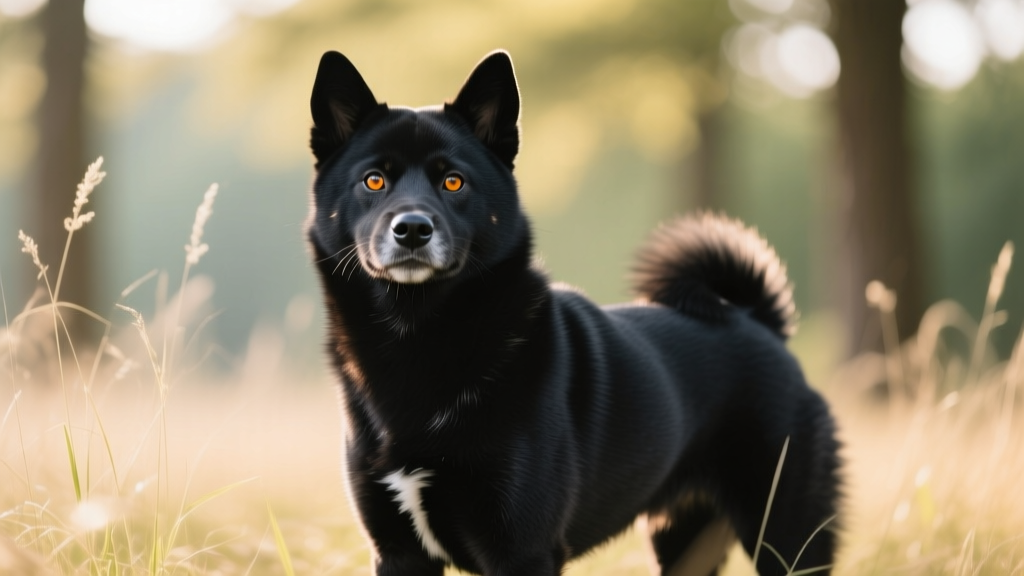
If you've ever scrolled through Shiba Inu photos and spotted a dog that looks more like a miniature wolf than the classic fox-red Shiba, you've likely encountered a black Shiba Inu — sometimes called a "black and tan" Shiba. This striking color variation turns heads at dog parks and dominates social media, but behind the dramatic coloring lies the same ancient Japanese breed with some unique considerations prospective owners should understand.
As someone who has counseled dozens of Shiba Inu owners through the puppy selection process, I can tell you that black Shibas generate more questions than almost any other color variant. Are they a different breed? Are they healthier or more prone to certain conditions? Why do breeders charge more for them? This guide answers every question I've heard — with the specific data and real-world insights you won't find in generic breed summaries.
What Exactly Is a Black Shiba Inu Dog?
A black Shiba Inu (officially designated "black and tan" in breed standards) is not a separate breed or a mixed-breed dog. It is a purebred Shiba Inu carrying a specific coat color gene combination that produces a predominantly black coat with distinct tan markings on the cheeks, inside the legs, chest, and above the eyes — creating those signature "four eyes" markings that make this variety so recognizable.
The black coloring comes from the agouti signaling protein (ASIP) gene, specifically the at allele, which produces the black-and-tan pattern. For a Shiba to display this coloring, it must inherit the at allele from both parents. Because the more dominant red/sesame alleles are more prevalent in the Shiba gene pool, black Shibas are less common — but they are absolutely recognized and accepted within the breed standard.
Origin and History: From Japanese Mountains to Your Living Room
The Shiba Inu's origin story is one of survival — both the breed's and Japan's cultural heritage. Understanding where these dogs came from helps explain why even a black-coated Shiba carries the same fierce independence and hunting instincts as their red counterparts.
Shiba Inu Origin Timeline
- ~300 B.C. — Ancestors of the Shiba Inu arrive in Japan with early immigrants from mainland Asia, likely accompanying hunters through mountainous terrain.
- Centuries of isolation — Three distinct regional types develop: the San'in Shiba (Tottori/Shimane), Mino Shiba (Gifu), and Shinshu Shiba (Nagano). Black-and-tan coloring was particularly noted in the San'in line.
- 1928–1936 — Dr. Hirokichi Saito and preservationists begin organized efforts to save native Japanese breeds from extinction as Western imports flood the country.
- 1936 — The Shiba Inu is designated a Natural Monument of Japan under the Cultural Properties Act.
- 1945–1952 — Post-WWII breeding programs combine the three regional types into the modern unified Shiba Inu. The black-and-tan San'in bloodline contributes significantly to the breed's genetic diversity.
- 1954 — The first Shiba Inu arrives in the United States (an armed forces family brings one home).
- 1992 — The American Kennel Club (AKC) grants full recognition to the Shiba Inu in the Non-Sporting Group.
The black-and-tan color has existed in the breed since its earliest documented history. The San'in Shiba, one of the three foundation types, was particularly known for producing black-coated dogs. Rather than being a modern "designer" color, the black Shiba is actually a direct genetic link to one of the breed's oldest bloodlines.
Physical Profile: Measurements, Markings, and What Sets Black Shibas Apart
| Trait | Specification |
|---|---|
| Weight (Male) | 18–24 lb / 8.2–10.9 kg |
| Weight (Female) | 15–20 lb / 6.8–9.1 kg |
| Height (Male) | 14.5–16.5 in / 36.8–41.9 cm |
| Height (Female) | 13.5–15.5 in / 34.3–39.4 cm |
| Lifespan | 13–16 years |
| Coat Type | Double coat — stiff, straight outer guard hairs (1.5–2 in); dense, soft undercoat |
| Color Pattern | Black base with tan points on cheeks, muzzle sides, inside ears, chest, lower legs, and two oval "four-eye" spots above each eye |
| Urajiro | White/cream markings required on muzzle sides, cheeks, underside of jaw, chest, belly, inner legs, and underside of tail — this is a breed standard requirement |
| Energy Level | Moderate — 45–60 minutes of structured exercise daily |
| AKC Group | Non-Sporting Group (recognized 1992) |
| FCI Group | Group 5: Spitz and Primitive Types, Section 5: Asian Spitz and Related Breeds |
The black Shiba Inu's most visually striking feature is the "four eyes" — two tan oval spots above each eye that give the dog an expressive, almost mask-like appearance. Combined with the breed's naturally alert ear carriage (small, triangular, thick, and pricked forward) and the tightly curled tail that rests over the back, the black Shiba presents a silhouette that reads as more "wild" than the softer-looking red variety.
One detail many owners miss: the urajiro (white underside markings) is a mandatory element of the breed standard per both the AKC Shiba Inu standard and the Nihon Ken Hozonkai (NIPPO) standard in Japan. A black Shiba lacking proper urajiro markings would be faulted in the conformation ring — though this has zero impact on the dog's health or suitability as a pet.
How Rare Are Black Shiba Inu Dogs?
Black-and-tan Shibas represent an estimated 10–15% of all Shiba Inu births in the United States, though the exact percentage fluctuates based on which bloodlines are active in breeding programs at any given time. In Japan, the percentage is slightly higher — closer to 15–20% — because Japanese breeders maintain more San'in-line dogs in their programs.
To put this in context with other Shiba color variations:
| Color | Estimated Frequency | Breed Standard Status |
|---|---|---|
| Red | 60–70% | Accepted — most common |
| Black and Tan | 10–15% | Accepted — less common |
| Sesame (red sesame) | 10–15% | Accepted — uncommon |
| Cream/White | 5–10% | Fault — lacks required urajiro contrast |
The relative scarcity of black Shibas does drive up demand — and, consequently, price. But rarity alone should not be your reason for choosing this color. As I tell every prospective owner: pick the dog whose temperament fits your household, not the coat color that looks best on Instagram.
Temperament: What Surprises New Black Shiba Owners
Here's the most important thing to understand: a black Shiba Inu is temperamentally identical to a red Shiba Inu. Coat color genes (the ASIP locus) do not influence behavior, trainability, or personality. If a breeder tells you that black Shibas are "calmer" or "more loyal" than red ones, they are either misinformed or marketing to you.
That said, the Shiba Inu temperament itself is full of surprises for first-time owners:
- The "Shiba scream." Shibas are famously vocal when displeased — nail trims, bath time, or being told "no" can trigger a high-pitched scream that startles new owners. This is normal breed behavior, not a sign of pain (though rule out pain first).
- Cat-like independence. Unlike golden retrievers who live for your approval, Shibas are self-directed. They'll come when called if they decide it's worth their time. This is not stubbornness — it's a primitive breed trait. They were bred to hunt small game independently in dense mountain brush, without waiting for human direction.
- Fastidious cleanliness. Shibas groom themselves like cats, often licking their paws and fur meticulously. This makes housebreaking easier than with most breeds — many Shiba puppies naturally avoid soiling their sleeping area by 10–12 weeks.
- Intense prey drive. Even a well-trained Shiba will bolt after a squirrel, rabbit, or cat. Off-leash reliability is extremely rare in this breed. A secure fence (minimum 5 feet, with no gaps) is non-negotiable.
- Same-dog aggression tendencies. Shibas, particularly intact males, can be dog-selective to dog-aggressive. Early socialization (8–16 weeks) is critical, but even well-socialized Shibas may never enjoy dog parks. Structured, one-on-one playdates with known, calm dogs are a better social outlet.
For families, the Shiba Inu — regardless of color — is best suited to households with children over age 8 who understand how to interact respectfully with dogs. Shibas have low tolerance for ear-pulling, tail-grabbing, or being disturbed while eating. They are not aggressive toward children they're raised with, but they will move away or vocalize displeasure rather than "tolerate" rough handling the way a labrador might.
Health Profile: Breed-Specific Concerns for Black Shibas
Because black Shibas share the same gene pool as all Shibas, their health predispositions are breed-wide rather than color-specific. However, there is one condition worth noting that has a slightly higher visibility in darker-coated dogs.
| Condition | Estimated Prevalence | Screening Method | Typical Cost Range |
|---|---|---|---|
| Patellar Luxation | Moderate — ~5–8% of Shibas per OFA data | Orthopedic exam, OFA certification | $1,500–$4,000 per knee (surgical correction) |
| Hip Dysplasia | Low-moderate — ~4–6% per OFA | PennHIP or OFA radiographs at 24 months | $3,000–$7,000 (FHO or total hip replacement) |
| Allergic Dermatitis (Atopy) | Common — estimated 15–20% of Shibas | Clinical diagnosis, allergy panel ($250–$600) | $50–$200/month ongoing (Apoquel, Cytopoint, immunotherapy) |
| Cataracts (Hereditary) | Low — ~2–3% | CERF/OFA ophthalmologist exam annually | $2,500–$5,000 per eye (phacoemulsification surgery) |
| Hypothyroidism | Low-moderate — ~3–5% | Full thyroid panel (free T4, TSH, T3) | $15–$30/month (levothyroxine, lifelong) |
A note on coat color and skin health: Some veterinary dermatologists have observed that darker-coated Shibas (black and sesame) may show allergic skin inflammation more visibly than red Shibas, simply because erythema (redness) contrasts more sharply against dark fur. This doesn't mean black Shibas get more allergies — just that symptoms may be noticed sooner, which can actually be an advantage for early intervention.
- OFA or PennHIP hip evaluation (both parents)
- OFA patellar evaluation (both parents)
- CERF/OFA ophthalmologist clearance (both parents, within past 12 months)
- Thyroid panel (both parents)
- DNA test results for GM1 Gangliosidosis (a rare but fatal hereditary condition identified in Shibas)
Black Shiba vs. Similar Breeds: How Do They Compare?
If you're drawn to the look of a black Shiba Inu but aren't sure if the breed is right for you, here's how they stack up against two breeds with similar aesthetics:
| Trait | Black Shiba Inu | Black German Spitz (Klein) | Schipperke |
|---|---|---|---|
| Weight | 15–24 lb / 6.8–10.9 kg | 11–22 lb / 5–10 kg | 11–18 lb / 5–8.2 kg |
| Exercise Needs | 45–60 min/day | 30–45 min/day | 30–45 min/day |
| Trainability | Moderate — independent, responds to positive reinforcement, low biddability | High — eager, responsive, enjoys learning tricks | Moderate — intelligent but strong-willed, benefits from short sessions |
| Shedding | Heavy — seasonal "coat blow" 1–2 times/year for 2–4 weeks | Moderate — consistent year-round shedding | Moderate-heavy — seasonal blow |
| Barking | Moderate — alert barks, not excessive | High — vocal watchdog | Moderate-high — tends to bark at strangers |
| First-Time Owner Fit | Challenging — not recommended without research/commitment | Good — more forgiving of training mistakes | Moderate — experienced owners preferred |
| Price Range (US) | $2,000–$4,500 (black premium) | $1,500–$3,000 | $1,200–$2,500 |
The Shiba's independence is the single biggest factor that differentiates it from look-alike breeds. If you want a dog that will eagerly learn tricks and perform for guests, the German Spitz is a better match. If you want a compact, cat-like companion who does their own thing with quiet dignity, the Shiba — in any color — is your dog.
Care Requirements: What Makes the Black Shiba's Coat Special
Black Shiba Inu Care Checklist
- Brushing: 2–3 times per week with an undercoat rake (e.g., Furminator Medium Short Hair or Chris Christensen Big G) to manage shedding and prevent matting in the dense undercoat.
- Coat blow season (spring/fall): Daily brushing for 2–4 weeks. Expect tumbleweeds of undercoat throughout your home. A high-velocity dryer (like the B-Air Fido Max 1) dramatically speeds up loose hair removal.
- Bathing: Every 6–8 weeks maximum. Over-bathing strips natural oils from the double coat. Use a moisturizing dog shampoo — never human products.
- Never shave a Shiba Inu. The double coat regulates both heat and cold. Shaving disrupts the guard hair/undercoat balance and can cause permanent coat damage (post-clipping alopecia).
- Sun protection: Black coats absorb more heat than red coats. In summer, limit midday walks (10 AM – 4 PM) in hot climates. Ensure access to shade and water during outdoor time. The dark coat also makes sunburn less likely on the skin beneath, but light-colored urajiro areas on the belly can still burn.
- Nail trims: Every 2–3 weeks. Many Shibas are extremely sensitive about paw handling — start desensitization at 8 weeks using treat-based positive reinforcement.
- Dental care: Daily tooth brushing with enzymatic dog toothpaste. Shibas are prone to periodontal disease by age 5–7 without consistent dental hygiene.
- Exercise: 45–60 minutes daily, split into 2 walks plus play. Shibas excel at lure coursing, agility, and nose work — activities that channel their prey drive and independence productively.
One grooming nuance specific to black Shibas: the contrast between the black guard hairs and the tan points is what gives the coat its visual appeal. If the black guard hairs become sun-bleached (turning brownish or reddish at the tips), the dramatic contrast fades. Limiting prolonged sun exposure during peak UV hours and using a coat-conditioning spray with UV protectant (such as Chris Christensen Ice Cream Whipz or BioSilk for Dogs) can help maintain the deep black coloring.
Cost Breakdown: What You'll Actually Spend
Black Shiba Inu puppies command a premium over red Shibas in most US breeding programs. Here's a realistic cost breakdown based on current market data from AKC-registered breeders:
| Expense | Low Range | Typical Range | High Range |
|---|---|---|---|
| Puppy purchase price (black) | $2,000 | $2,800–$3,500 | $4,500+ (imported Japanese lines) |
| Puppy purchase price (red, comparison) | $1,500 | $2,000–$2,800 | $3,500+ |
| First-year veterinary care | $500 | $800–$1,200 | $2,000+ (if complications) |
| Annual food (quality kibble) | $350 | $500–$700 | $1,000+ (raw/fresh diets) |
| Spay/neuter | $300 | $500–$800 | $1,200+ (specialty clinic) |
| Pet insurance (annual) | $400 | $600–$900 | $1,200+ (comprehensive) |
| Grooming supplies/tools | $50 | $100–$200 | $400+ (high-velocity dryer included) |
| First-year total estimate | $3,600 | $5,300–$7,300 | $10,000+ |
Finding a Black Shiba Inu: Breeder Guidance and Red Flags
Because black Shibas are less common, you may need to join a waitlist of 6–18 months with a reputable breeder. Here's how to navigate the process:
Where to look:
- AKC Marketplace — filter for Shiba Inu breeders with health-tested breeding stock
- National Shiba Club of America (NSCA) breeder referral directory
- Shiba Inu rescue organizations (Shiba Inu Rescue Association of America, Save-a-Shiba) — black Shibas occasionally appear in rescue, though rarely as puppies
Red flags that signal a problematic breeder:
- Charging significantly more for black Shibas while framing it as a "rare exotic color" — responsible breeders may charge a modest premium ($200–$500 more) due to scarcity, but they won't market the color as exotic or special
- No health testing documentation available for parent dogs
- Multiple litters available year-round with immediate availability — suggests a volume breeding operation
- No take-back clause in the contract — every responsible breeder requires that you return the dog to them if you can no longer keep it, at any point in the dog's life
- Offering "teacup" or "miniature" Shibas — these do not exist and indicate a breeder selecting for dwarfism or unhealthy undersized dogs
- Shipping puppies without a buyer meeting or video call — reputable breeders want to meet you and assess your home situation
Adoption is always worth exploring. While purebred black Shiba puppies rarely appear in shelters, adult Shibas of all colors do end up in breed-specific rescues. These dogs are typically spayed/neutered, vetted, and temperament-evaluated — and the adoption fee ($300–$600) is a fraction of breeder pricing.
Frequently Asked Questions About Black Shiba Inu Dogs
Is a black Shiba Inu a different breed from a regular Shiba?
No. A black Shiba Inu is the exact same breed as a red or sesame Shiba Inu. The black-and-tan coloring is produced by a recessive gene combination at the ASIP (agouti) locus. It's a coat color variation within a single breed, not a separate breed or a mixed breed.
Are black Shiba Inu dogs more aggressive than red Shibas?
There is no evidence linking coat color to temperament in Shiba Inus. Aggression or reactivity levels are influenced by genetics (bloodline temperament), early socialization, training methods, and individual personality — not coat color. Any breeder claiming temperament differences based on color is not operating from established canine behavioral science.
Do black Shiba Inus shed more than red ones?
No. Shedding volume is determined by the density of the undercoat, which is consistent across all Shiba color varieties. All Shibas blow their coat 1–2 times per year, producing heavy shedding for 2–4 weeks regardless of color.
Can I show a black Shiba Inu in AKC conformation?
Yes. Black and tan is a fully accepted color in the AKC Shiba Inu breed standard. The dog must display proper urajiro (white underside markings) and correct tan point placement to meet the standard. Many black Shibas have successfully earned AKC championships.
Is a black Shiba Inu suitable for a first-time dog owner?
The Shiba Inu breed is generally considered challenging for first-time owners regardless of color. Their independence, high prey drive, and low biddability require an owner who is patient, committed to positive reinforcement training, and prepared for a dog that will not be as obedient as a retriever or spaniel. If you're a first-time owner set on a Shiba, invest in professional training classes (minimum 8 weeks of group or private sessions) before bringing the puppy home, and commit to daily training practice for the first year.
How long do black Shiba Inus live?
Black Shiba Inus share the same lifespan as all Shibas: typically 13–16 years, with some individuals living to 17 or 18 with excellent care. The oldest documented Shiba Inu, Pusuke, lived to 26 years in Japan. Coat color does not influence longevity.
Beth Carrasco
All our authors care for dogs every day — read more of their work on the authors page.


