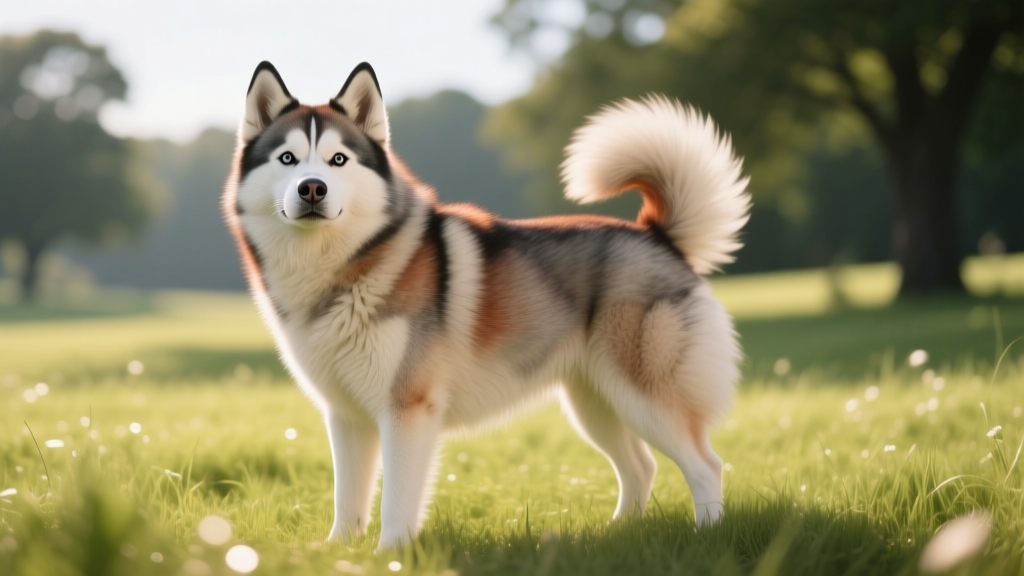
The Fluffy Chihuahua: Complete Long-Haired Chihuahua Breed Guide
the fluffy Chihuahua — long coat care, temperament, health risks, size, exercise needs, and 2026 ownership costs for this tiny companion breed.

If you've ever scrolled through social media and stopped at a tiny dog that looks like a windswept puffball with attitude, you've probably encountered the fluffy Chihuahua. This isn't a separate breed — it's the long-coated variety of the Chihuahua, one of the smallest and most recognizable dogs in the world. While the smooth-coated (short-haired) Chihuahua gets most of the spotlight, the long-haired or "fluffy" Chihuahua has a devoted following among owners who love the breed's personality but prefer a softer, more dramatic coat.
Whether you're considering adding a fluffy Chihuahua to your household or you already share your couch with one, this guide covers everything from their ancient origins to the real costs of ownership in 2026.
What Exactly Is a Fluffy Chihuahua?
The fluffy Chihuahua is simply a Chihuahua with a long, soft coat. The American Kennel Club (AKC) recognizes two coat varieties within the single Chihuahua breed: smooth coat and long coat. Both varieties can appear in the same litter, and both are judged to the same breed standard in conformation shows. The only difference is coat length and texture.
Long-coated Chihuahuas have soft, flat or slightly wavy fur that's longer around the ears (called "fringe"), the neck (a ruff or "mane"), the backs of the legs ("feathering"), and the tail (a full, plume-like tail). Despite the fluffy appearance, their coat is actually fine and silky — not thick or woolly like a Pomeranian's.
Origin and History of the Chihuahua
The Chihuahua's roots trace back to the ancient civilizations of Mexico. The breed is widely believed to descend from the Techichi, a small companion dog kept by the Toltec civilization as early as the 9th century CE. When the Aztecs conquered the Toltecs, they incorporated Techichi dogs into their own culture — archaeological evidence from sites like Tula and Chichen Itza includes pottery and carvings depicting small dogs resembling modern Chihuahuas.
The breed took its modern name from the Mexican state of Chihuahua, where American travelers and traders first encountered them in the mid-1800s. The AKC registered its first Chihuahua, a smooth-coat named Beppie, in 1904. Long-coated Chihuahuas likely existed throughout the breed's history, but the long-coat variety gained more visibility in the mid-20th century as breeders began intentionally selecting for the recessive long-hair gene. Some historians suggest that early crossbreeding with small spaniel-type dogs (possibly brought by Spanish colonizers) may have introduced the long-coat gene into the Chihuahua gene pool.
Today, Chihuahuas consistently rank among the top 15 most popular breeds in the United States, and the fluffy long-coat variety has seen a surge in popularity thanks to social media visibility.
Fluffy Chihuahua at a Glance
| Size Class | Toy |
| Weight Range | 2–6 lb (0.9–2.7 kg) |
| Height Range | 5–8 inches (13–20 cm) at the shoulder |
| Lifespan | 14–18 years (some live to 20) |
| Coat Type | Long, soft, flat or slightly wavy; feathering on ears, legs, tail |
| Colors | Any solid or marked — fawn, black, white, chocolate, cream, blue, merle (controversial) |
| Energy Level | Low to moderate |
| Grooming Needs | Moderate — brushing 3–4x/week |
| Trainability | Moderate — intelligent but independent |
| AKC Group | Toy Group |
Temperament and Personality: What Living With a Fluffy Chihuahua Is Really Like
Chihuahuas have a reputation that swings between "fearless tiny warrior" and "trembling purse dog." The reality is more nuanced. Here are the core personality traits you'll encounter with a fluffy Chihuahua:
1. Fiercely Loyal to Their Person
Fluffy Chihuahuas tend to bond intensely with one person in the household. They'll follow you from room to room, claim your lap as sovereign territory, and greet you at the door with genuine enthusiasm. This devotion is real — but it can tip into separation anxiety if the dog isn't taught to be comfortable alone. Expect a fluffy Chi to want physical contact for much of the day.
2. Bold and Confident (Sometimes Overconfident)
Despite weighing less than a bag of flour, Chihuahuas routinely challenge dogs ten times their size. They'll bark at delivery drivers, stand their ground against strange dogs at the park, and patrol windowsills with the seriousness of a border collie working sheep. This boldness is charming until it puts them in danger — a fluffy Chi who charges a large, reactive dog can be seriously injured in seconds. Leash management and recall training are non-negotiable.
3. Alert and Vocal
Chihuahuas are exceptional watchdogs. They notice changes in their environment immediately — a new smell, a car door closing, a guest's unfamiliar footsteps. They will announce these observations. If you live in an apartment with thin walls or work from home and need quiet, understand that a fluffy Chihuahua will vocalize. Training can reduce nuisance barking, but you cannot eliminate the breed's instinct to alert.
4. Surprisingly Intelligent and Manipulative
Fluffy Chihuahuas learn routines, words, and household dynamics quickly. Many owners report their Chis learning to open low cabinets, figuring out which family member is most likely to share food, and performing trained behaviors selectively (i.e., only when they feel like it). Their intelligence means they need mental stimulation — but their independence means they won't always perform on command the way a Border Collie would.
5. Sensitive to Tone and Environment
Chihuahuas are emotionally attuned to their owners. Harsh corrections, yelling, or chaotic household energy can cause a fluffy Chi to shut down, hide, or become fearful. They thrive in calm, predictable environments with consistent positive reinforcement. This sensitivity is also why they excel in therapy dog work when properly socialized.
Physical Characteristics: Size, Build, and That Signature Coat
The fluffy Chihuahua has a compact, well-balanced body that's slightly longer than tall. The head is characteristically rounded (described as "apple-domed" in the AKC standard), with large, expressive eyes set well apart and large ears that stand erect — in long-coats, the ears have distinctive fringe feathering along the edges.
Weight: The AKC standard specifies a maximum weight of 6 lb (2.7 kg) for conformation, but pet Chihuahuas can range from 2–6 lb (0.9–2.7 kg). Some Chihuahuas, particularly those from lines not bred to show standards, may reach 8–10 lb (3.6–4.5 kg). These larger Chis are sometimes marketed as "teacup" or "mini" — neither is a legitimate breed classification. A healthy 8 lb Chihuahua is simply a larger individual, not a different type.
Height: Most fluffy Chihuahuas stand 5–8 inches (13–20 cm) at the shoulder when fully grown.
The Long Coat: The fluffy Chihuahua's coat is soft to the touch, either flat or with a slight wave. It's longest around the neck (forming a ruff), the back of the hind legs, and the tail. The coat on the face and front of the legs remains shorter. Long-coat Chihuahuas may have an undercoat, but it should not be so dense that the coat looks puffy or stands away from the body — that's more characteristic of a Pomeranian cross.
Color Variety: Fluffy Chihuahuas come in virtually any color or color combination. Common colors include fawn (the classic "tan" Chi), black and tan, chocolate, cream, white, and blue (a diluted gray). Merle patterning exists in some Chihuahua lines but is controversial — the merle gene is associated with serious health problems including deafness and eye defects, and many breed authorities discourage merle-to-merle breeding.
Exercise and Activity Needs
Fluffy Chihuahuas are low-energy dogs, but "low energy" does not mean "no exercise." A sedentary Chihuahua is at high risk for obesity, which puts dangerous stress on their tiny joints and heart.
Daily Exercise Target: 20–30 minutes total, broken into two or three short sessions:
- Morning: 10-minute leash walk around the block at a relaxed pace. Chihuahuas have short legs and can't sustain long distances — let them sniff and explore.
- Afternoon: 5–10 minutes of indoor play. Fetch down a hallway, tug with a small rope toy, or a food puzzle toy for mental stimulation.
- Evening: Another 10-minute walk or free play in a securely fenced yard.
Activities fluffy Chihuahuas can enjoy: short hikes on easy terrain (carry them over rough sections), canine freestyle or trick training, nosework games at home, and supervised playdates with other small dogs. Avoid activities that involve jumping from heights — their fragile bones are prone to fractures.
Health Issues Common in Fluffy Chihuahuas
Chihuahuas are generally a long-lived breed, but their tiny size and distinctive head shape create specific health vulnerabilities. Responsible breeders screen for these conditions, and owners should be familiar with early warning signs.
| Condition | Description | Estimated Prevalence | What to Watch For |
|---|---|---|---|
| Patellar Luxation | Kneecap slips out of position, causing the dog to skip or hold a hind leg up | ~10–15% of Chihuahuas | Intermittent limping, "skipping" gait, reluctance to jump |
| Tracheal Collapse | Weakening of the cartilage rings in the windpipe, causing airway narrowing | Common in toy breeds; exact Chi rate unknown but high | Honking cough, especially when excited or pulling on leash |
| Dental Disease | Crowded teeth in a tiny jaw lead to rapid tartar buildup, gum disease, and tooth loss | Over 80% of Chihuahuas show dental disease by age 3 | Bad breath, red gums, difficulty eating, loose teeth |
| Hypoglycemia | Dangerously low blood sugar, especially in puppies and very small adults | Most common in puppies under 4 months | Lethargy, weakness, trembling, seizures in severe cases |
| Molera (Open Fontanel) | Soft spot on the top of the skull that may never fully close | Present in many Chihuahuas; persistent molera in ~20–30% | Visible soft spot on head; risk of injury if struck |
Additional concerns: Chihuahuas are also predisposed to heart disease (particularly mitral valve disease in older dogs), hydrocephalus (fluid buildup in the brain, usually identified in puppyhood), and eye conditions like progressive retinal atrophy (PRA) and keratoconjunctivitis sicca (dry eye).
According to the Merck Veterinary Manual, Chihuahuas benefit from regular veterinary screening including cardiac auscultation, patellar evaluation, and dental assessment at every visit. If you notice any of the warning signs above, consult your veterinarian promptly — early intervention significantly improves outcomes for conditions like tracheal collapse and dental disease.
Grooming Your Fluffy Chihuahua
The long coat of a fluffy Chihuahua requires more maintenance than the smooth-coat variety, but it's still manageable compared to high-maintenance breeds like Shih Tzus or Afghan Hounds.
Brushing: 3–4 times per week using a pin brush or a small slicker brush. Focus on the areas most prone to matting: behind the ears, the armpits, and the feathering on the hind legs. A 5–10 minute brushing session is usually sufficient. Use a detangling spray (dog-safe, never human products) if you encounter tangles.
Bathing: Every 3–4 weeks or as needed. Use a gentle, dog-specific shampoo. Fluffy Chihuahuas have sensitive skin — oatmeal-based or hypoallergenic formulas work well. Rinse thoroughly; residual shampoo causes itching and hot spots. Towel dry and use a blow dryer on the cool or low-warm setting if the coat is thick enough to take long to air dry.
Nail Trimming: Every 2–3 weeks. Chihuahua nails grow quickly relative to their small paws, and overgrown nails alter their gait and can cause joint pain. Use a small guillotine-style or scissor-style nail clipper designed for toy breeds. If you're uncomfortable, most groomers will do nail-only appointments for $10–$15.
Dental Care: Daily brushing is ideal. Given the breed's extreme susceptibility to dental disease, this is arguably the most important grooming task. Use a dog-specific enzymatic toothpaste (never human toothpaste — fluoride is toxic to dogs) and a finger brush or small-head toothbrush. If daily brushing isn't realistic, aim for 3–4 times per week and supplement with VOHC-approved dental chews sized for toy breeds.
Ear Care: Weekly. Check the ears for wax buildup, redness, or odor. Clean with a veterinarian-recommended ear cleaner and cotton balls — never cotton swabs, which can damage the ear canal. The ear fringe on fluffy Chihuahuas can trap debris and moisture, making them slightly more prone to ear infections than smooth-coats.
Training and Intelligence
Trainability Rating: Moderate (3/5)
Fluffy Chihuahuas are smart dogs who learn quickly — but they're also independent thinkers who decide whether a command is worth obeying. This isn't stubbornness in the way a hound ignores a recall; it's more like a cat who heard you but has other priorities.
What works:
- Positive reinforcement only. High-value treats (tiny pieces of boiled chicken, freeze-dried liver, or commercial training treats sized for toy breeds), enthusiastic praise, and play rewards. Chihuahuas respond to encouragement and shut down under harsh corrections.
- Short sessions. 5–10 minutes maximum, 2–3 times per day. Their attention span is brief, and they bore easily with repetition.
- Early socialization (8–16 weeks is critical). Expose your fluffy Chi puppy to diverse people, surfaces, sounds, other vaccinated dogs, and handling exercises. Inadequately socialized Chihuahuas are significantly more likely to develop fear-based aggression — the "snappy little dog" stereotype is almost always a socialization failure, not an inherent breed trait.
- Crate training. Provides a safe den, aids house training, and prevents separation-related destruction. Introduce the crate gradually with positive associations.
House training reality check: Chihuahuas are notoriously difficult to house train compared to larger breeds. Their tiny bladders need frequent emptying (every 1–2 hours for puppies), and many Chis refuse to go outside in rain or cold. Many owners successfully use indoor potty solutions — pee pads, a designated litter box with dog-safe litter, or a real-grass patch system — as a permanent or backup option. Consistency and patience are essential; expect 4–6 months for reliable house training, and some Chis may never be 100% reliable in extreme weather.
Force-free methods are the only ethical and effective approach for this breed. Shock collars, prong collars, and alpha rolls are never appropriate for any dog, but they are especially dangerous and counterproductive for a 4 lb animal. Aversive methods will damage your Chihuahua's trust and can escalate fear-based behavioral problems.
Family Suitability: Kids, Other Pets, and Living Spaces
With Children: Fluffy Chihuahuas can live with children, but this pairing requires careful management. Chihuahuas are fragile — a toddler who picks one up and drops it, or a child who trips over one, can cause serious injury including bone fractures and internal trauma. The breed is best suited to households with children aged 8 and older who understand how to interact gently with small animals. Always supervise interactions. Teach children to let the dog come to them, to avoid picking the dog up without adult help, and to respect the dog's crate or bed as off-limits.
With Other Pets: Fluffy Chihuahuas generally do well with other dogs, especially when socialized early. They often prefer the company of other small breeds and may be intimidated by large, boisterous dogs. With cats, results vary — some Chis and cats become close companions, while others engage in territorial standoffs. Introduce new pets gradually using scent swapping and supervised, leashed meetings. Never leave a Chihuahua unsupervised with a much larger dog, even one with a gentle history — a playful swipe from a 70 lb Labrador can be fatal to a 4 lb Chi.
Apartment Living: This is where the fluffy Chihuahua shines. Their small size, low exercise requirements, and adaptability make them one of the best apartment breeds available. They don't need a yard, they're comfortable in small spaces, and they travel well. The main apartment-living challenge is barking — Chihuahuas will alert to hallway noises, neighboring units, and delivery arrivals. White noise machines, closed curtains, and consistent "quiet" cue training can help manage this.
Pros
- Exceptional apartment and small-space dog
- Long lifespan — 14–18+ years of companionship
- Low exercise needs suit busy or less mobile owners
- Deeply loyal and affectionate with their person
- Travel-friendly — fits in airline-approved carriers
- Alert watchdog who notices everything
Cons
- Fragile — easily injured by falls, rough handling, or large dogs
- Prone to excessive barking without training
- Difficult to house train, especially in cold climates
- High dental disease risk requiring ongoing care
- Not ideal for families with very young children
- Can develop separation anxiety and resource guarding
Cost of Owning a Fluffy Chihuahua in 2026
Chihuahuas are among the more affordable purebred dogs to purchase, but their long lifespans and health needs mean lifetime costs are significant.
Puppy Purchase Price:
- From a responsible breeder (health-tested parents, AKC registration): $1,200–$2,800. Long-coat Chihuahuas from show-quality lines may cost $3,000–$5,000.
- From a backyard breeder or pet store: $400–$900. These puppies typically lack health screening and may have higher lifetime veterinary costs.
- Adoption/rescue: $150–$400 through breed-specific rescues or shelters. Adult Chihuahuas are commonly available for adoption.
First-Year Costs (estimated):
| Expense | Estimated Cost |
|---|---|
| Puppy purchase (responsible breeder) | $1,200–$2,800 |
| Initial vet visits (3 puppy wellness exams + vaccines) | $300–$500 |
| Spay/neuter | $200–$400 |
| Supplies (crate, bed, harness, bowls, toys, carrier) | $150–$300 |
| Food (high-quality kibble for toy breeds, ~1/4 to 1/2 cup/day) | $120–$200/year |
| Grooming supplies (brush, shampoo, nail clippers, toothbrush) | $40–$80 |
| Pet insurance (optional but recommended) | $300–$500/year |
| Training classes (puppy socialization + basic manners) | $100–$250 |
| Total First Year (excluding puppy price) | $1,210–$2,230 |
Ongoing Annual Costs (years 2+): $800–$1,500 per year, including food ($120–$200), routine veterinary care ($200–$400), dental cleanings under anesthesia ($300–$700, typically needed annually or biannually for Chihuahuas), flea/tick/heartworm preventives ($150–$250), and insurance ($300–$500).
Lifetime Cost Estimate: Given a 15-year average lifespan, expect total lifetime ownership costs of $15,000–$25,000, including the initial purchase. Dental care alone may account for $4,000–$8,000 over the dog's lifetime if professional cleanings are needed annually.
Frequently Asked Questions
Is a fluffy Chihuahua right for first-time dog owners?
Yes, with caveats. Fluffy Chihuahuas are manageable in size, low in exercise needs, and adaptable to various living situations — all good traits for first-time owners. However, their house training difficulty, barking tendencies, and fragility require patience and commitment. First-time owners should invest in puppy socialization classes and be prepared for a longer house training timeline than they might expect. If you're looking for an easier first dog, a Cavalier King Charles Spaniel or a small mixed-breed rescue may be more forgiving of beginner mistakes.
How much exercise does a fluffy Chihuahua need daily?
Aim for 20–30 minutes of total activity per day, split into two or three short sessions. This typically means two 10-minute leash walks plus 5–10 minutes of indoor play. They do not need running, hiking, or high-intensity exercise — gentle, consistent movement keeps them at a healthy weight and prevents boredom-related behavioral issues.
What health problems are fluffy Chihuahuas prone to?
The most common breed-specific health issues include patellar luxation (slipping kneecaps), tracheal collapse, severe dental disease, hypoglycemia (especially in puppies), and persistent molera (open fontanel on the skull). Older Chihuahuas are at increased risk for mitral valve heart disease. Regular veterinary checkups, dental care, and using a harness instead of a collar (to protect the trachea) are the most impactful preventive measures.
How big does a fluffy Chihuahua get?
Adult fluffy Chihuahuas typically weigh 2–6 lb (0.9–2.7 kg) and stand 5–8 inches (13–20 cm) tall at the shoulder. Some individuals from non-show lines may reach 8–10 lb, which is still within a healthy range if the dog has an appropriate body condition score. The AKC breed standard specifies no more than 6 lb for conformation showing.
Are fluffy Chihuahuas good with children and other pets?
They can be, with management. Fluffy Chihuahuas are best suited to homes with children aged 8+ who can handle them gently. Their small size makes them vulnerable to accidental injury from toddlers. With other dogs, early socialization helps — they generally get along with other small dogs but may be fearful or reactive around large breeds. Always supervise Chihuahua-and-child or Chihuahua-and-large-dog interactions.
How much does a fluffy Chihuahua cost to buy and maintain?
Expect to pay $1,200–$2,800 for a puppy from a responsible breeder, or $150–$400 through adoption. Annual care costs run $800–$1,500, with dental care being the largest ongoing expense. Over a 15-year lifespan, total ownership costs typically range from $15,000 to $25,000. Pet insurance ($25–$42/month for toy breeds) can help offset unexpected veterinary emergencies.
Do fluffy Chihuahuas shed a lot?
They shed moderately — less than many breeds, but the long hairs are more visible on furniture and clothing than short Chihuahua hairs. Seasonal shedding increases in spring and fall. Regular brushing (3–4 times per week) captures loose hair before it lands on your couch. A small lint roller is a fluffy Chihuahua owner's constant companion.
Are fluffy Chihuahuas hypoallergenic?
No. No dog breed is truly hypoallergenic, and fluffy Chihuahuas are no exception. They produce the same dander and saliva proteins that trigger allergies. Their longer coat may trap some dander, but they still shed and spread allergens. If you have dog allergies, spend time with a fluffy Chihuahua before committing to ownership.
Marcus Aldridge
All our authors care for dogs every day — read more of their work on the authors page.