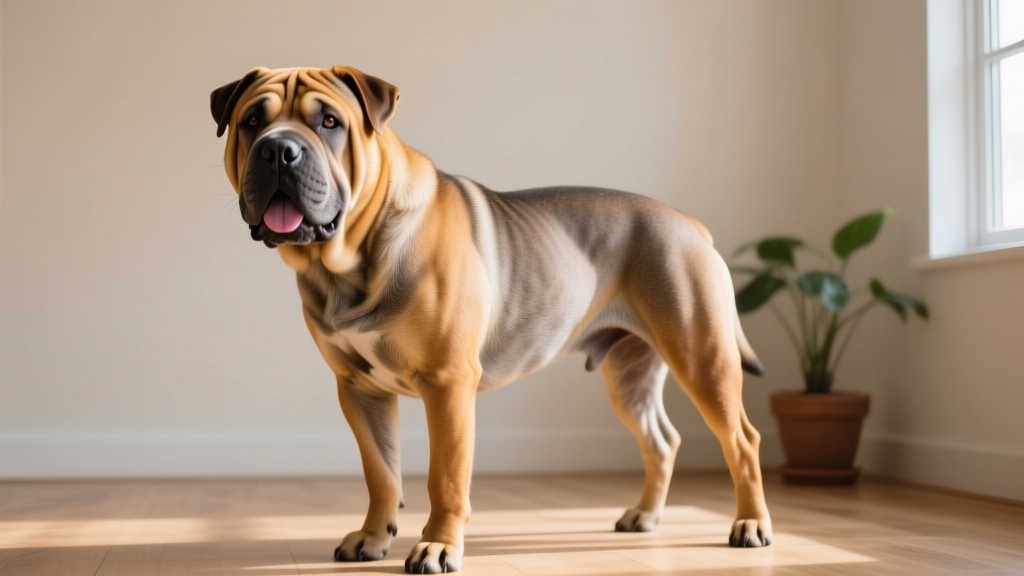
Female German Shepherd
Everything about the female German Shepherd — adult size, temperament, exercise needs, health risks, training tips, and real ownership costs for 2026.

The German Shepherd Dog (GSD) consistently ranks among the most popular working and companion breeds in the United States, and for good reason. But if you're specifically searching for a female German Shepherd, you likely want to understand how sex influences temperament, size, trainability, and day-to-day life with this powerful, intelligent breed. Female GSDs tend to be slightly smaller, often more biddable, and can present unique considerations around heat cycles, spaying timing, and social dynamics that differ meaningfully from their male counterparts.
This guide breaks down everything you need to know about owning a female German Shepherd — from exact adult measurements and exercise minutes to breed-specific disease prevalence and realistic annual costs. Whether you're evaluating a litter or preparing to bring home a rescue, you'll find data-driven answers below.
Breed Overview: Origin, Purpose, and the Female German Shepherd
Captain Max von Stephanitz developed the German Shepherd in Germany beginning in 1899, selectively breeding herding dogs from Bavaria, Württemberg, and Thuringia for intelligence, working drive, and structural soundness rather than appearance. The breed was originally registered as Deutscher Schäferhund and served extensively in military and police roles during both World Wars before transitioning into the versatile family protector and service dog we know today.
The American Kennel Club recognized the German Shepherd in 1908, and it remains one of the top 5 most registered breeds in the U.S. As a large-breed working dog, the GSD falls squarely into the large size class — females typically weighing 50–70 lb (23–32 kg) and standing 22–24 inches (56–61 cm) at the shoulder.
Female German Shepherds generally live 10–13 years, with some well-bred lines reaching 14 or 15 years when managed with proactive veterinary care, weight control, and joint-supportive nutrition. According to Merck Veterinary Manual breed data, working-line females often have slightly longer lifespans than show-line counterparts due to less extreme angulation.
| Size Class | Large |
|---|---|
| Adult Weight | 50–70 lb / 23–32 kg |
| Adult Height | 22–24 in / 56–61 cm at shoulder |
| Lifespan | 10–13 years (up to 15 with optimal care) |
| Coat Type | Double coat, medium or long; colors include black & tan, sable, all-black, bi-color |
| Energy Level | High — 90–120+ minutes daily |
| Grooming | Brushing 3–4×/week; heavy shedding twice yearly |
| Trainability | Exceptional (rated 5/5 by AKC and Stanley Coren's intelligence rankings) |
| Family Fit | Best with active families, older children; early socialization critical |
| Apartment Suitability | Possible with dedicated exercise plan, but house with yard strongly preferred |
Physical Characteristics: How Big Does a Female German Shepherd Get?
Per the AKC breed standard, a mature female German Shepherd stands 22 to 24 inches (56–61 cm) at the withers and weighs between 50 and 70 pounds (23–32 kg). Some working-line females from European (Czech or DDR) bloodlines may trend toward the heavier end or slightly exceed 70 lb, while American show-line females often sit closer to 55–65 lb.
Females reach near-adult height by 12–14 months but continue filling out in chest and muscle mass until approximately 24–30 months of age. You can expect the following growth milestones:
- 3 months: 18–22 lb (8–10 kg)
- 6 months: 35–45 lb (16–20 kg)
- 9 months: 45–55 lb (20–25 kg)
- 12 months: 50–65 lb (23–29 kg) — near adult height
- 24 months: Full adult weight and muscling
The female GSD's coat is a dense double layer — a harsh, straight outer coat over a thick undercoat. Standard colors include black and tan, black and red, sable (agouti), solid black, and bi-color. White German Shepherds exist but are disqualified from AKC conformation; they are recognized separately by the UKC.
Temperament & Personality: What to Expect from a Female German Shepherd
Female German Shepherds share the breed's hallmark traits — intelligence, loyalty, alertness, and a strong protective instinct — but owners and trainers consistently report subtle sex-based differences. Here are five core temperament traits with real-world behavioral context:
- Confident and watchful. A female GSD will typically position herself between her owner and a stranger entering the home, observing body language before deciding whether to relax. She doesn't bark without cause but will alert you to unusual sounds or approaches.
- Handler-focused and biddable. Compared to males, females often show slightly higher attentiveness to their primary handler during training sessions. Many professional trainers report that female GSDs make eye contact more readily and check in during off-leash work.
- Maternal and nurturing. Even spayed females may exhibit "mothering" behaviors — carrying toys gently, herding children, or positioning themselves protectively near younger family members.
- Reserved with strangers. Expect your female GSD to be aloof but not aggressive with new people. Proper socialization between 8 and 16 weeks is critical; without it, natural wariness can develop into fear-based reactivity.
- Potentially same-sex dog selective. Female GSDs can show dog-selective or dog-aggressive tendencies, particularly toward other intact or dominant females. Early, structured introductions and ongoing socialization reduce this risk significantly.
Advantages of a Female GSD
- Often easier to recall off-leash than males
- Slightly smaller and more manageable for smaller handlers
- Tends to bond deeply with one person — excellent for service work
- Generally less territorial-marking indoors
- May mature faster emotionally (18–24 months vs. 24–36 for males)
Challenges to Consider
- Heat cycles every 6–8 months if not spayed (bleeding, male dog attention)
- Spaying before full growth may increase joint disorder risk (see health section)
- Can be dog-selective, especially with other large females
- Prone to separation anxiety if under-stimulated
- Herding instinct may manifest as nipping at children's heels
Exercise & Activity Needs: How Much Does a Female German Shepherd Need?
This is a high-drive working breed, and "moderate exercise" is not sufficient. A healthy adult female German Shepherd needs a minimum of 90 to 120 minutes of structured activity daily, ideally split across two or more sessions. Puppies under 18 months need shorter, more frequent play sessions to protect developing joints — a general guideline is 5 minutes of structured exercise per month of age, twice daily.
| Session | Duration | Activity Type | Purpose |
|---|---|---|---|
| Morning | 30–45 min | Brisk leash walk or jog (pace: 10–12 min/mile) | Cardio, mental stimulation from scent |
| Midday | 15–20 min | Fetch, flirt pole, or tug session | High-intensity burst, prey-drive outlet |
| Evening | 30–45 min | Off-leash hike, swimming, or agility/nose work | Physical + mental exhaustion |
| Anytime | 10–15 min | Obedience drills, puzzle toys, trick training | Cognitive fatigue (often more tiring than physical) |
Activities that suit this breed exceptionally well include rally obedience, IPO/IGP sport, barn hunt, scent work, agility (after 18 months when growth plates close), and backpack hiking (loaded with no more than 10–15% of body weight). A mentally under-stimulated female GSD is far more likely to develop destructive behaviors — chewing, digging, excessive barking — than one who is simply physically tired.
Training & Intelligence
The German Shepherd ranks 3rd in Stanley Coren's "The Intelligence of Dogs" for working and obedience intelligence, learning new commands in fewer than 5 repetitions and obeying known commands 95% of the time or better. Female GSDs often excel in precision tasks — they are heavily represented in search-and-rescue, detection, and therapy dog work.
Use only positive reinforcement and force-free (LIMA) methods. This breed is sensitive to handler tone and body language; harsh corrections or aversive tools (shock collars, prong collars, alpha rolls) damage trust and can trigger fear-based aggression. Recommended training progression:
- 8–16 weeks: Puppy kindergarten, name recognition, sit/down/come, crate training, socialization to 100+ novel stimuli
- 4–6 months: Loose-leash walking, place/mat command, impulse control (leave-it, wait)
- 6–12 months: Advanced obedience, introduction to sport foundations, extended duration stays
- 12–18 months: Canine Good Citizen (CGC) certification, off-leash reliability in controlled environments
- 18+ months: Sport competition, therapy dog certification, advanced scent work
Common Health Issues in Female German Shepherds
The German Shepherd is predisposed to several hereditary and structural conditions. Always consult your veterinarian for breed-appropriate screening. A responsible breeder should provide OFA (Orthopedic Foundation for Animals) or PennHIP certifications for both parents.
| Condition | Prevalence / Risk | Typical Onset | Management |
|---|---|---|---|
| Hip Dysplasia | ~19–20% of GSDs screened by OFA show some dysplasia | Signs at 5–12 months; confirmed by 24 months | Weight control, joint supplements (glucosamine/chondroitin), surgical options (FHO, THR) for severe cases; THR cost: $3,500–$7,000 per hip |
| Elbow Dysplasia | ~12–15% prevalence in the breed | 4–10 months | Surgical intervention in moderate-to-severe cases; NSAIDs and physical therapy for mild cases |
| Degenerative Myelopathy (DM) | Gene carrier rate ~35–40%; disease expression lower | Typically 8–14 years | No cure; physical therapy and mobility carts slow progression; DNA test available via Embark or UC Davis |
| Exocrine Pancreatic Insufficiency (EPI) | GSDs account for ~60–70% of all EPI cases in dogs | 1–5 years | Lifelong pancreatic enzyme replacement (e.g., Pancrezyme); cost ~$80–$150/month |
| Hemangiosarcoma | GSDs have 2–3× higher risk than average | 8–12 years typically | Surgical removal + chemotherapy; prognosis guarded (median survival 3–6 months without chemo, 6–12 months with) |
Spaying considerations specific to females: A 2020 study published in Frontiers in Veterinary Science found that spaying female German Shepherds before 12 months of age roughly doubled the risk of joint disorders (hip dysplasia and cranial cruciate ligament tears) compared to intact females or those spayed after maturity. Many veterinary orthopedic specialists now recommend waiting until 18–24 months for large-breed females, balancing joint protection against the risk of mammary tumors and pyometra. Discuss timing with your veterinarian based on your individual dog's risk factors.
Emergency Red Flags — Call Your Vet Immediately
- Sudden rear-leg weakness, dragging, or inability to stand (possible DM or spinal event)
- Distended, hard abdomen with unproductive retching (gastric dilatation-volvulus / bloat — life-threatening within hours)
- Pale gums, collapse, or rapid breathing (possible hemangiosarcoma rupture or internal bleeding)
- Chronic weight loss with ravenous appetite and fatty stools (possible EPI)
Grooming Requirements
The female German Shepherd's double coat sheds moderately year-round and "blows" her undercoat heavily twice a year (spring and fall), typically lasting 2–4 weeks each cycle. During blow-out periods, you'll pull out tufts of undercoat by the handful.
| Task | Frequency | Recommended Tools |
|---|---|---|
| Brushing (regular) | 3–4× per week | Slicker brush (e.g., Chris Christensen Big G) + undercoat rake |
| Brushing (blow-out season) | Daily for 2–4 weeks | Furminator or de-shedding tool + high-velocity dryer (e.g., Metro AirForce Commander, ~$130–$180) |
| Bathing | Every 6–8 weeks (or as needed) | Oatmeal-based dog shampoo; never human products |
| Nail trimming | Every 2–3 weeks | Guillotine or scissor-style clippers; Dremel for grinding |
| Ear cleaning | Weekly check; clean monthly | Veterinary ear cleaner (e.g., Epi-Otic); cotton balls only — never Q-tips in ear canal |
| Dental care | Daily brushing ideal; minimum 3×/week | Dog-specific enzymatic toothpaste (e.g., Virbac C.E.T.) + finger brush |
Never shave a German Shepherd. The double coat provides insulation against both heat and cold; shaving disrupts the coat's natural temperature regulation and can lead to permanent follicular damage and patchy regrowth (post-clipping alopecia).
Family Suitability: Kids, Other Pets, and Living Environments
A well-socialized female German Shepherd is typically devoted to her family, including children she's raised with. However, her size (50–70 lb) and herding instinct mean she can inadvertently knock over toddlers or nip at running children's heels. Best fit: families with children aged 8 and older, or families with younger children who commit to intensive supervision and training.
With other pets, early exposure is everything. Female GSDs raised with cats from puppyhood often coexist peacefully, though the prey drive varies by individual. Dog-to-dog compatibility depends heavily on socialization history — females can be selective with other large, confident dogs, particularly other females. Same-household pairings tend to work best with opposite-sex dogs or significantly smaller breeds.
Apartment living is possible but challenging. You'll need access to outdoor space for multiple daily exercise sessions, and the breed's vocal tendencies (alert barking, "talking" vocalizations) may create neighbor friction. A house with a securely fenced yard (minimum 5-foot fence; GSDs can scale 4-foot fences when motivated) is strongly preferred.
Cost of Ownership: Purchase Price and Annual Budget
The cost of acquiring and maintaining a female German Shepherd varies significantly based on source, lineage, and your region. Here's a realistic breakdown based on 2026 market data:
| Expense Category | Low Estimate | Mid Estimate | High Estimate |
|---|---|---|---|
| Puppy from responsible breeder (AKC, OFA-tested parents) | $1,500 | $2,500 | $4,000+ |
| Rescue/adoption fee | $150 | $350 | $500 |
| First-year veterinary (vaccines, spay, microchip, heartworm test) | $800 | $1,200 | $1,800 |
| Annual routine vet care (years 2+) | $500 | $900 | $1,400 |
| High-quality food (AAFCO complete; 3–4 cups/day) | $600/yr | $900/yr | $1,400/yr |
| Pet insurance (accident + illness) | $480/yr | $720/yr | $1,200/yr |
| Training classes (puppy through CGC) | $300 | $600 | $1,500 |
| Grooming supplies + occasional professional grooming | $150/yr | $300/yr | $600/yr |
Realistic first-year total: $3,500–$7,000 (purchased puppy) or $2,000–$4,500 (rescued adult). Ongoing annual cost: $2,000–$4,500 depending on insurance, food quality, and unexpected veterinary needs. Budget for potential orthopedic surgery ($3,500–$7,000 per hip) or chronic condition management (EPI enzyme replacement at $80–$150/month) as breed-specific financial risks.
Is a Female German Shepherd Right for First-Time Owners?
Honestly? It depends on your commitment level. The female German Shepherd is not the easiest first dog, but she's not impossible either — provided you're prepared for the following:
- Time investment: Minimum 2 hours daily for exercise, training, and engagement. This is not a dog you can leave alone for 10-hour workdays without a dog walker or daycare plan.
- Training commitment: Formal classes from 8 weeks onward, with daily 10–15 minute practice sessions at home. Skipping socialization windows has lifelong behavioral consequences.
- Financial readiness: Can you afford a potential $5,000+ emergency surgery or $100+/month chronic medication?
- Lifestyle match: Active household, outdoor-oriented, willing to invest in the dog as a family member rather than a backyard pet.
If you check all four boxes, a female GSD can be an extraordinary first dog. If you're looking for a low-maintenance, couch-companion breed, consider alternatives like the Greyhound (surprisingly low-energy at home) or a mixed-breed rescue with a known calm temperament.
Frequently Asked Questions
At what age should I spay my female German Shepherd?
Current veterinary orthopedic research suggests waiting until 18–24 months to allow growth plates to close and hormones to support full musculoskeletal development. However, each heat cycle your dog experiences slightly increases lifetime mammary tumor risk. Your veterinarian can help you weigh these factors based on your dog's lineage and living situation (e.g., proximity to intact males).
Do female German Shepherds have heat cycles? What does that involve?
Yes. Intact females typically cycle every 6–8 months, with each cycle lasting 3–4 weeks. During proestrus (first 7–10 days), you'll see vulvar swelling and bloody discharge. During estrus (next 7–10 days), she is fertile and will attract male dogs from considerable distances. You must keep her strictly separated from intact males and use doggy diapers indoors to manage discharge.
Are female German Shepherds less aggressive than males?
Neither sex is inherently "aggressive." Females tend to be slightly more reserved and handler-focused, while males may be more overtly territorial. Dog-to-dog reactivity in females often manifests as selectiveness rather than generalized aggression. Early socialization and consistent positive-reinforcement training matter far more than sex in shaping temperament.
Can a female German Shepherd live in an apartment?
It's possible but not ideal. You'll need a structured daily exercise plan totaling 90–120+ minutes, access to nearby parks or trails, and tolerance for a vocal dog in close-quarters living. Many apartment leases also impose breed restrictions on German Shepherds — always verify your lease terms and local breed-specific legislation before committing.
What's the best food for a female German Shepherd?
Look for an AAFCO-certified large-breed formula with controlled calcium-to-phosphorus ratios (especially critical during the first 18 months). Brands like Royal Canin German Shepherd, Purina Pro Plan Large Breed, and Orijen Large Breed are well-regarded. Feed measured portions to maintain a body condition score of 4–5/9 — excess weight dramatically accelerates hip and elbow dysplasia progression.
This article is for informational purposes only and does not replace professional veterinary advice. Always consult your veterinarian for health, nutrition, and medication decisions specific to your dog. If you suspect your dog has ingested a toxic substance, contact the ASPCA Animal Poison Control Center at (888) 426-4435 (24/7, consultation fee applies).
Robin Maitland
All our authors care for dogs every day — read more of their work on the authors page.