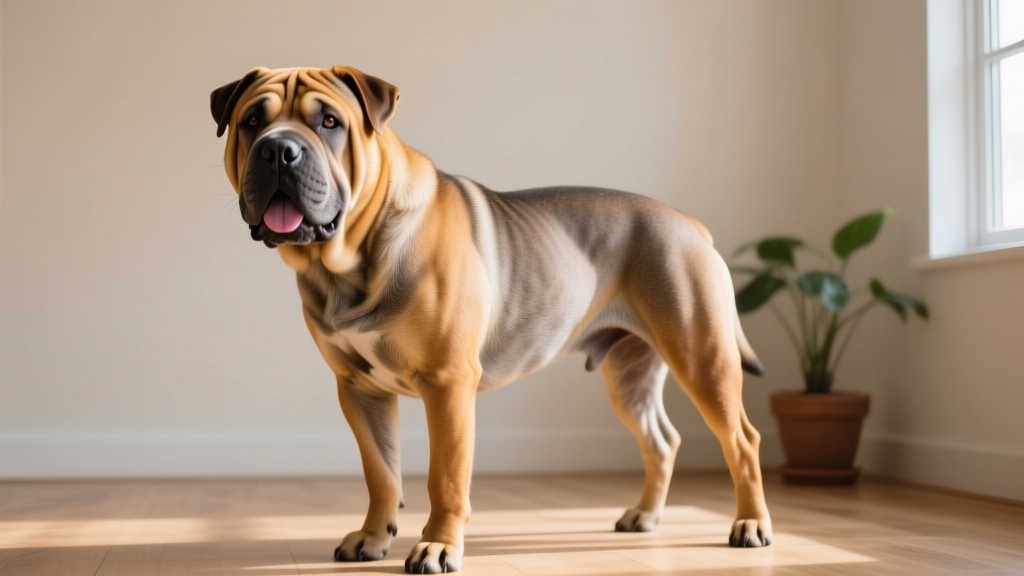
Dog Food for Belgian Malinois
Complete guide to dog food for Belgian Malinois — calorie needs, best protein ratios, life-stage feeding, breed profile, health risks, and cost breakdown.

The Belgian Malinois at a Glance: Breed Overview and Origin
The Belgian Malinois (pronounced MAL-in-wah) originated in the late 1800s near the city of Malines in northern Belgium, where it was developed as a versatile herding and farm dog. Professor Adolphe Reul of the Belgian Veterinary School is credited with standardizing the breed type around 1891. Of the four Belgian Shepherd varieties (Malinois, Groenendael, Tervuren, and Laekenois), the Malinois is the only short-coated variety. Today, the breed serves in military, police, and protection roles worldwide while also living as an active companion dog. According to the American Kennel Club, the Malinois consistently ranks in the top 50 most popular breeds in the United States.
Classified as a large breed, the Belgian Malinois is a square, athletic dog built for endurance and agility. They carry a working drive that few breeds can match — this is not a dog that does well as a sedentary house pet. Understanding the breed's physical demands is essential before choosing the right nutrition plan, because a working Malinois burns calories at two to three times the rate of a similarly sized pet dog.
| Attribute | Details |
|---|---|
| Size Class | Large |
| Weight (Male) | 60–80 lb / 27–36 kg |
| Weight (Female) | 40–60 lb / 18–27 kg |
| Height (Male) | 24–26 in / 61–66 cm |
| Height (Female) | 22–24 in / 56–61 cm |
| Lifespan | 14–16 years |
| Coat Type | Short, straight, double coat with dense undercoat |
| Coat Colors | Fawn to mahogany with black overlay and black mask |
| Energy Level | Very high — 90–120+ minutes daily |
| Grooming | Low maintenance; weekly brushing, heavy seasonal shedding |
| Trainability | Exceptionally high — rated 5/5 |
| Family Fit | Best with experienced owners and active households |
Physical Characteristics: Size, Build, and Coat Details
The Belgian Malinois is often mistaken for a German Shepherd, but the Malinois is leaner, lighter, and more angular. Males stand 24–26 inches (61–66 cm) at the withers and weigh 60–80 lb (27–36 kg). Females are slightly smaller at 22–24 inches (56–61 cm) and 40–60 lb (18–27 kg). The breed's body is square — the length from shoulder to hip roughly equals the height at the withers — giving them a balanced, spring-loaded appearance.
The coat is short and straight with a dense, weather-resistant undercoat. Color ranges from rich fawn through mahogany, always with a black overlay (charcoal tipping on the hairs) and a distinctive black mask covering the muzzle and ears. Ears are erect, triangular, and proportionate to the skull. The tail is medium-length and carried low at rest, rising in a curve during activity but never curling over the back.
This athletic build has direct implications for nutrition: the Malinois carries very little excess body fat naturally, and even a few extra pounds can stress their joints. Maintaining a lean body condition score (BCS) of 4–5 out of 9 is critical throughout their life.
Temperament and Personality: What Living With a Malinois Is Really Like
The Belgian Malinois temperament is defined by five core traits that prospective owners must understand before committing to the breed:
- Intense drive and focus: A Malinois will fixate on a task — fetching a ball, tracking a scent, learning a new trick — with a persistence that borders on obsessive. In a working context this is an asset; in a home without structure it becomes destructive chewing, pacing, or shadow-chasing.
- High alertness and vigilance: These dogs notice everything. A leaf blowing across the yard, a delivery truck three houses down, a guest shifting in their chair — the Malinois registers it all. This makes them outstanding watchdogs but can lead to chronic stress and barking if not channeled.
- Strong handler bonding: Malinois form deep, almost exclusive bonds with their primary handler. They want to work with you, not just near you. This is why separation anxiety is common in the breed when left alone for long hours.
- Confidence with sensitivity: Despite their tough exterior, Malinois respond poorly to harsh corrections. They shut down or become defensively reactive when trained with aversive methods. Positive reinforcement and force-free training produce dramatically better results.
- Mouthiness and bite drive: As a herding breed developed for bite work, the Malinois uses its mouth constantly — carrying objects, mouthing hands during play, gripping sleeves. Puppies require extensive redirection training, and this trait persists into adulthood if not managed.
Strengths
- Learns commands in 5–15 repetitions
- Excels in agility, obedience, scent work, and protection sports
- Loyal and deeply bonded to family
- Generally healthy with a long lifespan for a large breed
- Low grooming demands outside shedding season
Challenges
- Requires 90–120+ minutes of structured activity daily
- Prone to destructive behavior if under-stimulated
- Not suitable for first-time or sedentary owners
- Strong prey drive — risky with cats and small animals
- Can develop anxiety-based behaviors without proper socialization
Exercise and Activity Requirements: Minutes, Types, and Feeding Impact
A Belgian Malinois needs a minimum of 90 minutes of structured physical and mental activity per day, and many individuals thrive on 120 minutes or more. This is not a breed that gets tired from a walk around the block. Here is a practical breakdown of what adequate exercise looks like:
| Activity | Duration | Purpose |
|---|---|---|
| Morning run or bike-joring | 30–45 minutes | Cardiovascular conditioning, calorie burn |
| Obedience or trick training session | 15–20 minutes | Mental stimulation, handler bonding |
| Afternoon fetch, flirt pole, or agility | 20–30 minutes | Explosive energy release, prey drive outlet |
| Evening scent work or puzzle toys | 15–20 minutes | Nose work enrichment, wind-down activity |
| Structured play/socialization | 10–15 minutes | Social skills, impulse control |
This activity level directly affects your dog food for Belgian Malinois strategy. A sedentary pet Malinois (rare but possible) needs roughly 1,300–1,500 kcal/day, while an actively working or sport-competing Malinois may require 1,800–2,400 kcal/day or more. The Merck Veterinary Manual notes that working dogs may need diets with 25–30% fat to sustain endurance activity, compared to 12–18% for a typical pet diet.
Dog Food for Belgian Malinois: Nutrition by Life Stage and Activity Level
Choosing the right dog food for a Belgian Malinois requires matching the diet to three variables: life stage, activity level, and individual health profile. Here is a framework for making that decision:
Puppy Stage (8 Weeks to 12–18 Months)
Malinois puppies grow rapidly and need a large-breed puppy formula to control growth rate and reduce hip dysplasia risk. Look for a diet meeting AAFCO guidelines for growth with calcium levels between 1.0–1.5% on a dry matter basis. Feed 3 meals per day from 8–16 weeks, then transition to 2 meals. Expected daily caloric intake: 800–1,400 kcal depending on age and projected adult size. Popular options include Royal Canin Large Puppy, Purina Pro Plan Large Breed Puppy, and Hill's Science Diet Large Breed Puppy.
Adult Stage (18 Months to 7–8 Years)
Adult Malinois need a high-protein diet with minimum 26–30% crude protein on a dry matter basis to support lean muscle mass. For pet-level activity (daily walks, occasional play), a standard adult formula with 22–26% protein and 14–18% fat works well. For working or sport dogs, switch to a performance formula with 28–30% protein and 20–28% fat. Brands commonly used by working dog handlers include Purina Pro Plan Sport 30/20, Diamond Naturals Extreme Athlete, and Victor Purpose Nutra Pro.
Senior Stage (8+ Years)
As activity decreases, calorie needs drop. Transition to a senior or weight-management formula with 22–25% protein, 10–14% fat, and added joint-support ingredients like glucosamine and chondroitin. Monitor body condition closely — senior Malinois that remain active may not need a senior diet at all and can continue on an adult maintenance formula with adjusted portions. Always consult your veterinarian before making senior diet changes, especially if your dog has existing health conditions.
Common Health Issues in the Belgian Malinois
The Belgian Malinois is generally a robust breed with a longer lifespan than many similarly sized dogs. However, several breed-associated conditions warrant awareness and preventive screening. The Orthopedic Foundation for Animals (OFA) tracks prevalence data for many of these conditions.
| Condition | Description | Estimated Prevalence | Prevention/Screening |
|---|---|---|---|
| Hip Dysplasia | Malformation of the hip joint causing arthritis and pain | ~6–8% (OFA data) | OFA/PennHIP screening of breeding stock; weight management |
| Elbow Dysplasia | Abnormal elbow joint development leading to lameness | ~4–6% | OFA elbow screening; avoid excessive puppy exercise on hard surfaces |
| Progressive Retinal Atrophy (PRA) | Genetic retinal degeneration causing gradual blindness | ~2–4% | DNA test available; CERF eye exams for breeding dogs |
| Gastric Dilatation-Volvulus (Bloat) | Stomach twists, trapping gas — life-threatening emergency | Higher risk in deep-chested breeds | Multiple small meals; avoid post-meal exercise; prophylactic gastropexy |
| Hemangiosarcoma | Aggressive cancer of blood vessel lining, often in spleen or heart | Breed predisposition noted | Regular veterinary exams; early detection via ultrasound |
Responsible breeders screen breeding stock for hip dysplasia (OFA or PennHIP), elbow dysplasia (OFA), and eye conditions (CERF/OFA companion animal eye registry). When selecting a puppy, request documentation of both parents' health clearances. For adopted adult dogs, ask your veterinarian about baseline screening during the first wellness exam.
Important: If your Malinois shows signs of bloat — distended abdomen, unproductive retching, restlessness, pale gums — this is a life-threatening emergency. Contact your veterinarian or emergency clinic immediately. Do not wait.
Grooming, Training, and Family Suitability
Grooming Requirements
The Malinois coat is low-maintenance for most of the year. A weekly brushing with a rubber curry brush or medium-bristle brush removes loose hair and distributes skin oils. During the twice-yearly shedding seasons (spring and fall), daily brushing with an undercoat rake or deshedding tool like the Furminator is necessary to manage the heavy coat blow. Bathing is needed every 6–8 weeks or as needed — over-bathing strips the coat's natural waterproofing. Check ears weekly for debris, trim nails every 2–3 weeks, and brush teeth 3–5 times per week minimum.
Training and Intelligence
The Belgian Malinois ranks among the most trainable breeds in existence, with a trainability rating of 5 out of 5. They learn new commands in 5–15 repetitions and retain them with minimal reinforcement. However, their intelligence means they learn bad habits just as quickly. Recommended training methods include:
- Positive reinforcement: Food rewards, toy rewards, and praise for desired behaviors
- Marker training: Clicker or verbal marker ("yes!") to pinpoint the exact moment of correct behavior
- Shaping: Rewarding successive approximations toward a complex behavior
- Impulse control exercises: "Leave it," "wait," and duration stays to manage drive
Force-free, LIMA (Least Intrusive, Minimally Aversive) methods are strongly recommended. Shock collars, prong collars, and alpha rolls are counterproductive with this breed and can trigger fear-based aggression or shutdown. Early socialization — exposure to diverse people, environments, surfaces, and sounds between 8 and 16 weeks — is critical for a stable adult temperament.
Family Suitability
With children: Malinois can be good with respectful, older children (8+) who understand how to interact with dogs. Their herding instinct may cause them to nip at running children's heels, and their intensity can overwhelm toddlers. Never leave a Malinois unsupervised with young children.
With other pets: Same-species socialization from puppyhood helps, but Malinois often show same-sex dog aggression. Their high prey drive makes cohabitation with cats, rabbits, or small dogs risky unless raised together from a very young age with careful management.
Apartment living: Not recommended. A Malinois can live in an apartment if the owner commits to 2+ hours of outdoor activity daily, but a house with a securely fenced yard (minimum 6-foot fence — they are athletic jumpers) is far more suitable.
Cost of Ownership: Puppy Price and Annual Care Breakdown
The Belgian Malinois is a significant financial commitment, both in initial acquisition and ongoing care.
| Expense Category | Cost Range |
|---|---|
| Puppy from responsible breeder (AKC registered, health-tested parents) | $1,500 – $3,500 |
| Adoption from breed-specific rescue | $300 – $600 |
| Trained adult (protection/sport-trained) | $8,000 – $25,000+ |
| Annual food (quality large-breed diet) | $600 – $1,200 |
| Annual veterinary care (wellness, vaccines, preventives) | $500 – $900 |
| Pet insurance (annual premium) | $480 – $840 ($40–$70/month) |
| Training classes (group + private sessions, first year) | $400 – $1,200 |
| Gear (crate, leash, harness, toys, puzzle feeders) | $300 – $600 (first year) |
| Grooming supplies and occasional professional grooming | $100 – $250/year |
| Estimated first-year total | $3,500 – $8,000+ |
| Estimated annual cost (years 2+) | $1,800 – $3,500 |
Over the breed's 14–16 year lifespan, total ownership costs typically range from $28,000 to $55,000. Pet insurance is strongly recommended given the breed's predisposition to conditions like hip dysplasia and hemangiosarcoma, which can result in $3,000–$8,000+ surgical and treatment bills.
Frequently Asked Questions About the Belgian Malinois
Is the Belgian Malinois right for first-time dog owners?
Generally, no. The Malinois requires an experienced handler who understands canine drive, structure, and behavioral management. First-time owners who are committed to extensive training mentorship (working with a professional trainer from day one) can succeed, but the learning curve is steep. Breeds like the Labrador Retriever or Golden Retriever are more forgiving of novice mistakes.
How much exercise does a Belgian Malinois need daily?
A minimum of 90 minutes of structured physical and mental activity per day, with many individuals thriving on 120+ minutes. This should include cardiovascular exercise (running, swimming), obedience or skill training, and enrichment activities (scent work, puzzle toys). A physical walk alone is not sufficient.
What health problems is the Belgian Malinois prone to?
Key breed-associated conditions include hip dysplasia (6–8% prevalence), elbow dysplasia (4–6%), progressive retinal atrophy (2–4%), gastric dilatation-volvulus (bloat), and hemangiosarcoma. Regular veterinary screening and purchasing from health-tested breeding stock significantly reduce risk. Always consult your veterinarian for a personalized preventive care plan.
How big does a Belgian Malinois get?
Adult males reach 24–26 inches (61–66 cm) tall and 60–80 lb (27–36 kg). Adult females reach 22–24 inches (56–61 cm) tall and 40–60 lb (18–27 kg). Most Malinois reach their full height by 12 months but continue filling out in muscle and chest width until 18–24 months.
Is the Belgian Malinois good with children and other pets?
They can coexist well with respectful older children (8+) but their herding instinct and intensity make them risky around toddlers. With other dogs, early socialization helps, but same-sex aggression is not uncommon. Their strong prey drive makes them unreliable with cats and small animals unless carefully raised together.
How much does a Belgian Malinois cost to buy and maintain?
A well-bred puppy from a responsible breeder costs $1,500–$3,500. Annual maintenance (food, vet care, insurance, training, supplies) runs $1,800–$3,500 per year. Over the breed's 14–16 year lifespan, expect total costs of $28,000–$55,000. Adoption from a breed rescue is a lower-cost entry point at $300–$600.
What is the best dog food for a Belgian Malinois?
The best dog food for a Belgian Malinois depends on their life stage and activity level. Puppies need a large-breed puppy formula with controlled calcium (1.0–1.5% dry matter basis). Active adults benefit from performance formulas with 28–30% protein and 20%+ fat. Less active adults do well on standard adult formulas with 26% protein and 14–18% fat. Always choose diets that meet AAFCO complete and balanced standards and consult your veterinarian for individualized recommendations.
Anouk Beaumont
All our authors care for dogs every day — read more of their work on the authors page.