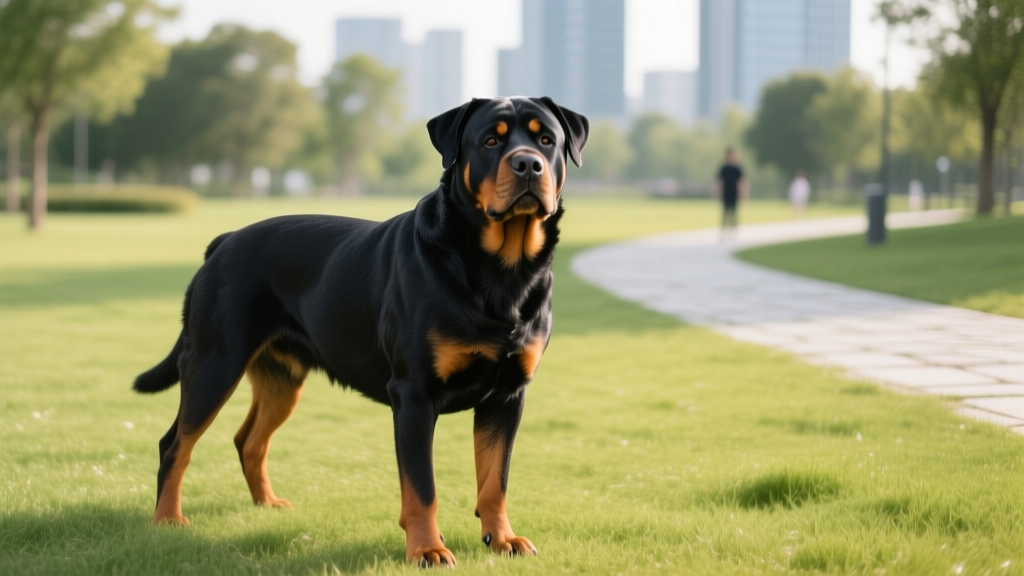
Dog Breeds From Holland: Complete Guide to Dutch Heritage Breeds
Explore all recognized dog breeds from Holland including the Dutch Shepherd, Keeshond, Stabyhoun, and more.

What Qualifies a Breed as "From Holland"?
Selection Criteria for This List:
To be included in this guide, a breed must meet at least one of the following conditions:
- Origin: Developed primarily within the historical or modern borders of the Netherlands (Holland refers to two provinces, but "Dutch breeds" encompasses the entire country)
- Registry Recognition: Recognized by the American Kennel Club (AKC), the Fédération Cynologique Internationale (FCI), or the Dutch Kennel Club (Raad van Beheer)
- Cultural Heritage: Historically documented as a working, companion, or sporting breed developed by Dutch breeders over multiple generations
We have excluded breeds that merely passed through the Netherlands during development or that lack verifiable Dutch origin documentation. Breeds are grouped logically by size and primary function to help you navigate based on your lifestyle.
The Netherlands may be a small country — roughly 16,000 square miles — but its contribution to canine heritage is outsized. Dutch breeders historically prioritized versatility, hardiness, and temperament over flashy appearance. The result is a collection of breeds that tend to be biddable, athletic, and deeply bonded to their families. Some are well-known worldwide; others remain rare even within Europe.
Below, we profile every recognized dog breed from Holland, organized by size class. Each entry explains exactly why the breed earned its place on this list, its defining traits, and what ownership realistically looks like in 2026.
Large Dutch Breeds (50+ lb / 23+ kg)
1. Dutch Shepherd (Hollandse Herder)
Size Class: Large — 50-70 lb (23-32 kg), 21.5-24.5 inches at the shoulder
Key Trait: Extreme versatility across herding, protection, scent work, and agility
Why This Breed Made the List: The Dutch Shepherd is the quintessential working dog from Holland — originally developed in the 19th century as an all-purpose farm dog in the southern Dutch provinces of Brabant and Limburg. Unlike its more famous cousin the German Shepherd, the Dutch Shepherd maintained greater genetic diversity through its brindle-only coat requirement, which acted as a natural bottleneck against indiscriminate breeding.
Profile: Athletic, intelligent, and intensely loyal, the Dutch Shepherd excels in nearly every dog sport and working role. They come in three coat varieties — short, long, and wire-haired — but all share the distinctive brindle pattern. Expect 60-90 minutes of vigorous daily exercise and a dog that bonds deeply with one primary handler. Health testing should include hip and elbow evaluations. Average lifespan: 11-14 years. Puppy cost from a health-tested breeder: $1,500-$3,000 in the US, though availability is limited outside specialized working-dog networks.
2. Drentsche Patrijshond (Drent Partridge Dog)
Size Class: Large — 55-77 lb (25-35 kg), 21.5-25 inches
Key Trait: Dual-purpose pointing and retrieving breed with strong family loyalty
Why This Breed Made the List: Originating in the northeastern Dutch province of Drenthe, this versatile gun dog has been bred since the 1600s to hunt partridge, rabbit, and waterfowl across the region's heathlands and marshes. It remains one of the most popular sporting breeds within the Netherlands itself.
Profile: The Drentsche Patrijshond is a brown-and-white roan or patched pointer with a gentle expression and a tireless work ethic. In the field, they point and retrieve with equal competence; at home, they are affectionate and notably gentle with children. They require 45-75 minutes of daily activity and do best with access to outdoor space. Health screenings should cover hip dysplasia, epilepsy (a known concern in the breed), and eye conditions. Lifespan: 11-13 years. Puppies are rare in the US — expect to work with importers or European breeders at costs of $2,000-$3,500.
3. Stabyhoun (Frisian Pointer)
Size Class: Medium-Large — 40-55 lb (18-25 kg), 19.5-21 inches
Key Trait: One of the rarest dog breeds in the world, with fewer than 6,000 registered globally
Why This Breed Made the List: The Stabyhoun hails from Friesland, the northern Dutch province, where it has served as a farm dog, pointer, and family companion since at least the early 1800s. The Dutch Kennel Club strictly controls breeding to preserve genetic health, making this one of the most carefully managed rare breeds anywhere.
Profile: Black-and-white (occasionally brown-and-white), with a silky medium-length coat and a calm, eager temperament. Stabyhouns are known for their soft mouths — they can carry a raw egg without cracking it — and their steady, non-aggressive disposition. They need 30-60 minutes of daily exercise and thrive in active families. The Dutch Stabyhoun Club limits litters to preserve the breed, so prospective owners often join waiting lists of 1-3 years. Puppy cost: $1,500-$2,500 through official channels. Lifespan: 13-14 years, benefiting from careful genetic management.
Medium Dutch Breeds (25-50 lb / 11-23 kg)
4. Keeshond
Size Class: Medium — 35-45 lb (16-20 kg), 17-18 inches
Key Trait: Exceptional companion temperament with distinctive "spectacles" facial markings
Why This Breed Made the List: The Keeshond is perhaps the most internationally recognized of all dog breeds from Holland. Named after 18th-century Dutch patriot Cornelis (Kees) de Gyselaer, the breed served as a watchdog on Dutch barges and became a symbol of the common people during political upheaval. Today, the AKC ranks them consistently among the top 50 most popular breeds in the United States.
Profile: A fluffy, wolf-gray spitz with a plush double coat, curled tail, and an unmistakable smiling expression created by dark "spectacle" markings around the eyes. Keeshonden are famously people-oriented, alert without being aggressive, and highly trainable with positive reinforcement methods. They need 30-45 minutes of daily exercise and adapt well to apartment living despite their medium size. Grooming requires brushing 2-3 times weekly, with heavy shedding twice yearly. Health screenings should include hip evaluation, patella checks, and thyroid screening. Lifespan: 12-15 years. Puppy cost from an AKC breeder: $1,500-$2,500.
5. Wetterhoun (Otterhoun / Frisian Water Dog)
Size Class: Medium — 33-55 lb (15-25 kg), 21-23 inches
Key Trait: Specialized water retriever with a unique curly, water-resistant coat
Why This Breed Made the List: Also from Friesland, the Wetterhoun was bred to hunt otter and waterfowl in the province's extensive waterways. The breed nearly went extinct during World War II but was saved by dedicated Dutch breeders. Fewer than 1,000 are registered worldwide today.
Profile: Compact and muscular with a tight, curly coat in black, brown, or roan patterns. The Wetterhoun is independent-minded, strong-willed, and not recommended for first-time owners. They excel at water sports and dock diving but need firm, patient, force-free training to channel their intelligence. Daily exercise: 45-60 minutes, ideally including water access. Health concerns include hip dysplasia and a breed-specific form of epilepsy. Lifespan: 12-14 years. Puppies are extremely rare outside the Netherlands — expect import costs of $2,500-$4,000 and a lengthy application process.
6. Schapendoes (Dutch Sheepdog)
Size Class: Medium — 26-55 lb (12-25 kg), 16-20 inches
Key Trait: Agile herding dog with a shaggy, low-shedding coat and playful disposition
Why This Breed Made the List: The Schapendoes worked the heathlands of the Veluwe and Drenthe regions as a general-purpose herding dog for centuries. Like the Wetterhoun, it nearly vanished during WWII and was resurrected by a small group of enthusiasts in the 1940s-1950s. FCI recognition came in 1991.
Profile: Medium-sized with a long, tousled coat in gray, blue, black, or fawn, the Schapendoes is energetic, cheerful, and highly social. They bond closely with their family and can be reserved with strangers. They excel in agility and flyball due to their natural jumping ability and quick reflexes. Daily exercise: 45-60 minutes of active play or structured sport. Health testing should cover hip dysplasia and generalized progressive retinal atrophy (GPRA). Lifespan: 12-15 years. Puppy cost: $1,800-$3,000, with limited US availability.
7. Kooikerhondje (Dutch Decoy Dog)
Size Class: Medium — 20-30 lb (9-14 kg), 14-17 inches
Key Trait: Unique historical role luring ducks into trapping cages (eendenkooi) using their white-tipped tail
Why This Breed Made the List: The Kooikerhondje is a breed that exists solely because of a uniquely Dutch hunting tradition. "Kooi" refers to the duck decoy cages used in the Netherlands since the Middle Ages, and this small spaniel-type dog was trained to trot along canal edges, its waving white-tipped tail attracting curious ducks into the trap. The breed was recognized by the AKC Foundation Stock Service and gained full AKC recognition in the Sporting Group.
Profile: Orange-red and white with black ear tips (called "earrings"), the Kooikerhondje is cheerful, alert, and surprisingly athletic for its size. They are sensitive dogs that respond poorly to harsh training — positive reinforcement is essential. Daily exercise: 30-45 minutes. They adapt to apartment life but prefer a yard. Health concerns include a breed-specific necrotizing myelopathy (ENM) and patellar luxation. Lifespan: 12-15 years. Puppy cost: $2,000-$3,500. The AKC breed page provides breeder referrals.
Small and Toy Dutch Breeds (Under 25 lb / 11 kg)
8. Markiesje (Dutch Tulip Hound)
Size Class: Small — 13-22 lb (6-10 kg), 14-16 inches
Key Trait: Elegant, ancient Dutch spaniel-type companion seen in 17th-century Dutch Golden Age paintings
Why This Breed Made the List: The Markiesje appears in numerous paintings by Dutch masters including Jan Steen and Albert Cuyp, confirming its presence as a companion dog among the Dutch merchant class since at least the 1600s. The modern breed was reconstructed in the 1970s from remaining country dogs in the Netherlands.
Profile: A small, black (occasionally black-and-tan) spaniel-type dog with feathering on the ears, legs, and tail. The Markiesje is gentle, quiet, and well-suited to indoor living. They are not high-energy dogs but enjoy daily walks and gentle play. They are rare even in the Netherlands and virtually unknown in the US. Health data is limited due to small population size, but breeders screen for patellar luxation and eye conditions. Lifespan: 12-14 years. Acquisition typically requires direct contact with the Dutch breed club.
How These Dutch Breeds Compare: Head-to-Head Table
| Breed | Weight (lb/kg) | Exercise (min/day) | Family Fit | Grooming | US Availability | Puppy Cost (2026) |
|---|---|---|---|---|---|---|
| Dutch Shepherd | 50-70 lb / 23-32 kg | 60-90 | Active families, experienced handlers | Low-Medium | Limited | $1,500-$3,000 |
| Drentsche Patrijshond | 55-77 lb / 25-35 kg | 45-75 | Active families, hunters | Low | Very Limited | $2,000-$3,500 |
| Stabyhoun | 40-55 lb / 18-25 kg | 30-60 | Excellent — gentle with children | Medium | Very Limited (waitlist) | $1,500-$2,500 |
| Keeshond | 35-45 lb / 16-20 kg | 30-45 | Excellent — adaptable to all homes | High (double coat) | Widely Available | $1,500-$2,500 |
| Wetterhoun | 33-55 lb / 15-25 kg | 45-60 | Experienced owners, water enthusiasts | Low (curly coat) | Extremely Limited | $2,500-$4,000 |
| Schapendoes | 26-55 lb / 12-25 kg | 45-60 | Active families, sport enthusiasts | Medium-High | Limited | $1,800-$3,000 |
| Kooikerhondje | 20-30 lb / 9-14 kg | 30-45 | Good — sensitive, best with gentle homes | Medium | Limited (growing) | $2,000-$3,500 |
| Markiesje | 13-22 lb / 6-10 kg | 20-30 | Quiet households, apartment living | Medium | Essentially Unavailable | Contact Dutch club |
Which Dutch Breed Should You Choose? A Decision Framework
Choosing among dog breeds from Holland depends on matching the breed's historical purpose and temperament to your actual daily life — not just your aspirations. Use this framework to narrow down:
- Step 1 — Assess your activity level honestly.
- If you exercise 60+ minutes daily and want a canine training partner → Dutch Shepherd or Schapendoes
- If you enjoy moderate outdoor activity (hiking, swimming, hunting) → Drentsche Patrijshond, Wetterhoun, or Kooikerhondje
- If your lifestyle is mostly indoor with daily walks → Keeshond, Stabyhoun, or Markiesje
- Step 2 — Consider your living situation.
- Apartment or condo → Keeshond (most adaptable medium breed), Markiesje (if you can locate one), or Kooikerhondje
- House with yard → Any breed on this list fits, but Dutch Shepherd and Drentsche Patrijshond strongly prefer it
- Rural property with water access → Wetterhoun or Drentsche Patrijshond
- Step 3 — Evaluate your experience level.
- First-time dog owner → Keeshond (most forgiving), Stabyhoun (gentle and biddable)
- Some dog experience → Kooikerhondje, Schapendoes, Drentsche Patrijshond
- Experienced handler only → Dutch Shepherd (high drive, needs a job), Wetterhoun (independent, strong-willed)
- Step 4 — Determine your acquisition patience.
- Want a puppy within 6 months → Keeshond is your realistic option; it has established US breeders with regular litters
- Willing to wait 1-2 years → Stabyhoun, Kooikerhondje, or Schapendoes
- Willing to import from Europe → Drentsche Patrijshond, Wetterhoun, Markiesje
Honorable Mentions and Breeds Often Mistaken as Dutch
Several breeds are commonly — but incorrectly — associated with Holland. Here's why they don't qualify for this list, plus one near-miss worth noting:
Often confused as Dutch:
- Dachshund: German origin. Despite popularity in the Netherlands, the breed was developed in Germany for badger hunting.
- Bouvier des Flandres: Belgian/Flemish origin. Flanders spans Belgium and France; while culturally connected to the Low Countries, the breed's development occurred primarily in what is now Belgium.
- Dutch Smoushond: This is technically a Dutch breed — a small, rough-coated ratter from Amsterdam — but it is so rare (fewer than 100 registrations per year) and so unavailable outside the Netherlands that we list it here rather than as a main entry. If you encounter one, it is a charming, sturdy little dog in the 20-22 lb range.
Breeds to approach with caution if you're drawn to Dutch breeds:
- Dutch Shepherd (working-line): If you are not prepared for a high-drive, 60-90 minute daily exercise commitment, a working-line Dutch Shepherd will develop behavioral problems. Consider a Keeshond or Stabyhoun instead.
- Wetterhoun: Not recommended for owners who want an eager-to-please, instantly obedient dog. Their independent nature requires patience and experience.
Frequently Asked Questions About Dutch Dog Breeds
What are the best dog breeds from Holland for families with children?
The Keeshond and Stabyhoun are the top choices for families with children. Both breeds are known for gentle, patient temperaments and a strong desire to be near their people. The Keeshond is more widely available in the US, while the Stabyhoun requires joining a waiting list through the official Dutch breed club. The Kooikerhondje is also good with respectful children but is sensitive to loud or chaotic environments.
Why is the Dutch Shepherd on this list instead of the German Shepherd?
The Dutch Shepherd was developed entirely within the Netherlands as a distinct breed, with its own breed standard maintained by the Dutch Kennel Club and the FCI. While it shares common herding-dog ancestry with the German Shepherd, the Dutch Shepherd has been bred separately since at least 1898, when the Nederlandse Herdershonden Club was founded. The brindle-only coat requirement and slightly different conformation distinguish it clearly.
How rare are these breeds in the United States?
Rarity varies enormously. The Keeshond is well-established, with approximately 1,000-1,500 AKC registrations annually. The Kooikerhondje is growing in popularity since gaining full AKC recognition. The Drentsche Patrijshond, Stabyhoun, Schapendoes, and Wetterhoun are all extremely rare in the US, with fewer than 50 registered individuals each. The Markiesje is essentially nonexistent outside the Netherlands.
Are Dutch dog breeds generally healthy?
Yes, as a group, dog breeds from Holland tend to benefit from careful breeding management. The Netherlands has a strong culture of breed clubs that enforce health testing and limit the number of litters per dam. The Stabyhoun, for example, has a breed club that approves every mating pair to minimize inbreeding. However, small population sizes in breeds like the Wetterhoun and Markiesje can limit genetic diversity. Always request OFA or PennHIP health clearances from breeders and consult your veterinarian about breed-specific screening.
Can I adopt a Dutch breed from a rescue?
Dutch breed rescues do exist but are uncommon. The Keeshond has the most active rescue network in the US through the Keeshond Club of America. For rarer breeds, you may occasionally find a Dutch Shepherd in a working-dog rescue or general breed rescue. For the rarest breeds (Stabyhoun, Wetterhoun, Markiesje), adoption is virtually unheard of — these dogs are carefully placed by breed clubs and typically have return-to-breeder clauses in their contracts.
Do any of these breeds have breed-specific legislation concerns?
None of the recognized Dutch breeds are commonly targeted by breed-specific legislation (BSL) in the US or Europe. However, the Dutch Shepherd is sometimes visually confused with pit bull-type breeds due to its athletic build and brindle coat, which could lead to issues in jurisdictions with appearance-based restrictions. Always check your local ordinances before relocating with any dog.
This guide is intended for informational purposes. Before making any breed selection or health decision, consult your veterinarian or a certified canine behaviorist to ensure the breed matches your household's needs and capabilities.
Jonas Cole
All our authors care for dogs every day — read more of their work on the authors page.