Big Rottweiler: Complete Breed Guide to Size, Care & Health
Everything about the big Rottweiler breed — adult size, temperament, health risks, exercise needs, training tips, and 2026 ownership costs explained.
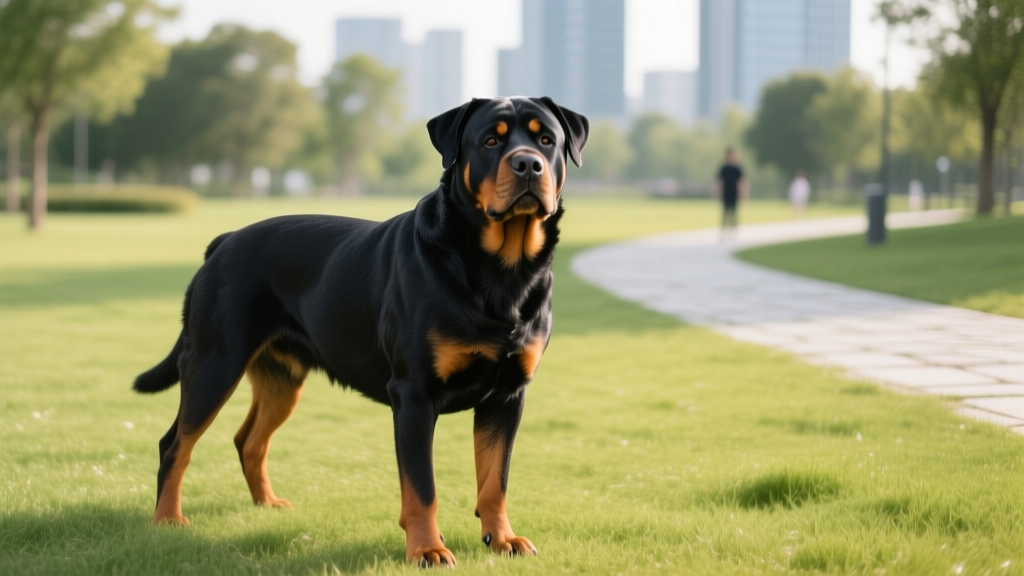
If you've ever stood next to a fully grown Rottweiler, you already know why people search for the big Rottweiler — this is a dog that commands a room simply by walking into it. Males routinely tip the scales at 135 pounds, and some lines push well past that. But behind that imposing frame is a breed with surprising depth: a thinking dog that bonds intensely with its family, works with focus, and needs an owner who can match its intelligence with consistent leadership.
This guide covers everything prospective and current owners need to know about the Rottweiler at full size — from the genetics that drive its massive build to the specific health screenings you should demand from a breeder in 2026. Whether you're considering bringing one home or you're already sharing your couch with a 120-pound lap dog, here's the practical, vet-informed breakdown.
Rottweiler Origins: From Roman Drover Dogs to Modern Guardians
The Rottweiler's story starts long before Germany gave it a name. The breed descends from drover dogs used by Roman legions to herd cattle across the Alps and into what is now southwestern Germany. When the Roman Empire's reach faded, these working dogs remained in the region around the town of Rottweil, where they continued herding livestock and pulling butcher carts loaded with meat to market.
By the late 1800s, rail transport had largely replaced cattle drives, and the Rottweiler nearly vanished. A group of breed enthusiasts in Rottweil revived the breed around 1901, and the American Kennel Club officially recognized the Rottweiler in 1931. Today's Rottweiler serves as a family companion, service dog, therapy dog, and competitive sport dog — but the working instinct remains hardwired. This is not a breed that's content to simply exist on a couch; it needs a job, even if that job is advanced obedience training or cart-pulling competitions.
Physical Profile: Just How Big Does a Rottweiler Get?
The Rottweiler is classified as a large to giant breed, and understanding its full adult dimensions matters for everything from crate sizing to vehicle transport to joint-health planning.
| Attribute | Male | Female |
|---|---|---|
| Weight | 95–135 lb (43–61 kg) | 80–100 lb (36–45 kg) |
| Height at Shoulder | 24–27 in (61–69 cm) | 22–25 in (56–63 cm) |
| Lifespan | 9–10 years (some lines 8–12 years) | |
| Coat | Double coat, short to medium length, black with rust/mahogany markings | |
| Size Class | Large / Giant | |
| Energy Level | Moderate-High (working drive) | |
| Grooming | Low-Moderate | |
| Family Fit | Best with experienced owners; good with children when socialized early | |
Some European working lines — particularly those bred under the ADRK (Allgemeiner Deutscher Rottweiler-Klub) standard — produce males that exceed 140 lb (64 kg) with heavier bone structure. American show lines tend to be slightly leaner and more agile. If you're specifically searching for a "big Rottweiler," understand that oversized dogs (those exceeding the breed standard significantly) often carry higher joint-stress risk and shorter lifespans. Responsible breeders aim for standard conformation, not maximum size.
Temperament: Five Core Traits That Define the Rottweiler
Personality in Rottweilers isn't random — it's been shaped by centuries of selective pressure for specific working traits. Here's what you'll actually live with day-to-day:
1. Confident aloofness with strangers. A well-bred Rottweiler doesn't greet every visitor like a Golden Retriever. They observe, assess, and warm up on their own timeline. Expect your dog to position itself between you and a new person until it decides the situation is safe. This isn't aggression — it's the breed's guardian instinct operating normally.
2. Intense family loyalty. Rottweilers form deep, almost velcro-like bonds with their primary people. Many owners report their Rottweiler following them room-to-room, leaning against their legs during conversation, and showing visible distress during prolonged separations. This bond strength makes them wonderful companions but also means separation anxiety is a real risk if they're routinely left alone for 8+ hours.
3. Quiet confidence over reactivity. A mentally stable Rottweiler doesn't bark at every sound. They tend to alert-bark once or twice at genuine anomalies — a knock at the door, an unusual noise — then settle. Chronic nuisance barking usually signals under-stimulation or anxiety, not normal breed behavior.
4. High problem-solving intelligence. Rottweilers learn commands quickly but also figure out how to open doors, raid counters, and outsmart inconsistent rules. If you leave a treat jar on a low shelf, your Rottweiler will likely discover it within a week. This intelligence means training must be ongoing and mentally challenging — basic obedience mastered at 6 months isn't enough.
5. Playfulness that persists into adulthood. Despite their serious reputation, many Rottweilers retain a goofy, playful side well into their senior years. Tug games, flirt poles, and water play are favorites. The contrast between their guardian mode and their play mode often surprises first-time owners.
Exercise & Activity: What a Big Rottweiler Actually Needs
Vague advice like "moderate exercise" doesn't help you plan your week. Here's what a healthy adult Rottweiler (18 months+) genuinely requires:
| Activity Type | Daily Minimum | Details |
|---|---|---|
| Structured walks | 45–60 minutes | Split into 2 sessions; brisk pace, varied routes for mental stimulation |
| Free play / yard time | 30–45 minutes | Fetch, flirt pole, or supervised off-leash in secure area |
| Mental work | 15–20 minutes | Obedience drills, puzzle toys (Kong Wobbler, Outward Hound Nina Ottosson), scent work |
| Weekly structured activity | 1–2 sessions | Swimming, cart-pulling, tracking, or formal training class |
Total daily commitment: 90–120 minutes of combined physical and mental exercise.
For puppies under 18 months, follow the 5-minutes-per-month-of-age rule for structured exercise (a 4-month-old puppy gets roughly 20 minutes of leash walking per session). Growth plates in large breeds don't fully close until 18–24 months, and high-impact activities like jumping from heights or long-distance running on hard surfaces can contribute to joint damage. Consult your veterinarian about appropriate exercise intensity for your growing Rottweiler.
Health Risks: Conditions Every Rottweiler Owner Should Monitor
The Rottweiler's large frame and genetic history create specific health vulnerabilities. The Merck Veterinary Manual and breed health surveys identify these as the most significant concerns:
| Condition | Description | Estimated Prevalence | Screening / Prevention |
|---|---|---|---|
| Hip Dysplasia | Malformation of the hip joint causing progressive arthritis | ~20% (OFA data) | OFA/PennHIP certification of parents; maintain lean body condition |
| Osteosarcoma | Aggressive bone cancer, typically in limbs | 12.5% lifetime risk (1 in 8) | Early detection via limping assessment; amputation + chemo extends survival 6–12 months |
| Aortic Stenosis | Narrowing of the heart's aortic valve | ~6–8% | Cardiac auscultation by veterinary cardiologist; OFA cardiac clearance |
| Gastric Dilatation-Volvulus (Bloat) | Stomach fills with gas and twists — life-threatening emergency | High-risk breed | Prophylactic gastropexy during spay/neuter; slow-feed bowls; avoid exercise 1 hour around meals |
| Cranial Cruciate Ligament (CCL) Tear | Knee ligament rupture, common in heavy breeds | ~8–10% | Weight management; avoid sudden high-impact pivoting; surgical repair (TPLO) costs $3,500–$5,500 |
Osteosarcoma deserves special attention: Rottweilers have one of the highest incidence rates of any breed. Research published in the Journal of Veterinary Internal Medicine has linked early spay/neuter (before 12 months) in Rottweilers to increased osteosarcoma risk. Discuss optimal timing for sterilization with your veterinarian — many now recommend waiting until 18–24 months for this breed.
- Unproductive retching with a distended, hard abdomen (bloat/GDV — survival drops every hour)
- Sudden, non-weight-bearing lameness in any limb
- Exercise intolerance, coughing, or fainting episodes (cardiac signs)
- Progressive hind-limb weakness or dragging (possible spinal or degenerative myelopathy)
Grooming & Maintenance: Lower Effort Than You'd Expect
The Rottweiler's short double coat is one of its practical advantages. Here's the actual maintenance schedule:
- Brushing: 2–3 times per week with a rubber curry brush (Kong ZoomGroom) or medium-bristle brush. During seasonal shedding (spring and fall), daily brushing with an undercoat rake reduces loose hair significantly.
- Bathing: Every 6–8 weeks, or as needed. Use a canine-specific shampoo — human products disrupt the skin's acid mantle at pH 5.5–7.5.
- Nail trimming: Every 3–4 weeks. At 100+ lb, overgrown nails alter gait mechanics and stress joints. A Dremel 7300-PT rotary tool works well for thick Rottweiler nails.
- Dental care: Daily tooth brushing with enzymatic canine toothpaste (Virbac C.E.T.). Dental disease affects over 80% of dogs by age 3 — start early.
- Ear cleaning: Monthly with a vet-recommended ear cleanser. Rottweilers' pendant ears trap moisture and debris.
Training & Intelligence: Channeling a Thinking Breed
Rottweilers rank in the top 10 breeds for working/obedience intelligence based on Stanley Coren's research. They typically learn a new command in fewer than 5 repetitions and obey known commands on the first attempt 95% of the time or better. But intelligence without direction becomes problem-solving you won't like — door-opening, counter-surfing, and fence-testing.
Recommended training approach: Positive reinforcement and force-free methods exclusively. Rottweilers are sensitive to their handler's emotional state and respond poorly to harsh corrections, which can damage the trust-based bond that makes this breed effective. Use high-value treats (freeze-dried liver, chicken), toy rewards, and clear marker signals (clicker or verbal "yes").
Key training milestones:
- 8–16 weeks: Puppy kindergarten, bite inhibition, crate training, handling exercises
- 4–6 months: Basic obedience (sit, down, stay, recall, loose-leash walking)
- 6–12 months: Intermediate obedience, impulse control, structured socialization continues
- 12–18 months: Advanced commands, introduction to dog sports (obedience, rally, tracking, cart-pulling)
- Ongoing: Weekly practice sessions to maintain skills — a Rottweiler that isn't mentally challenged will create its own entertainment
Enroll in classes with a certified professional dog trainer (CPDT-KA or IAABC credential). Group classes provide controlled socialization that's critical for a guardian breed.
Family Suitability: Kids, Other Pets, and Living Spaces
Strengths in Family Life
- Deeply loyal and protective of children in the household when raised together
- Calm indoors when adequately exercised — often described as "couch potatoes" at home
- Natural guardian instinct provides security without guard-dog training
- Thrives on inclusion in family activities and routines
Challenges to Consider
- Large size + exuberance = accidental knocks; toddlers can be bowled over
- Same-sex dog aggression is more common in this breed, particularly male-male
- Prey drive toward cats and small animals varies by individual — introductions require caution
- Not ideal for apartments without dedicated outdoor access and time commitment
With children: Rottweilers raised with children from puppyhood generally do very well, but the dog's size means all interactions with children under 10 should be actively supervised. Teach children never to approach a sleeping or eating Rottweiler, and teach the dog a solid "place" command for when kids have friends over.
With other dogs: Early, positive socialization with diverse dogs during the 8–16 week critical period is essential. Rottweilers tend to do best as the only dog or paired with an opposite-sex dog of different breed. Dog park visits are generally not recommended — the breed's size and confidence can lead to serious incidents if a conflict arises.
Apartment living: Possible but not ideal. A Rottweiler in an apartment needs a committed owner who provides 90+ minutes of outdoor exercise daily and access to nearby parks. Breed-specific legislation (BSL) in some municipalities and many apartment complexes restricts Rottweilers — check your local jurisdiction and lease terms before committing.
Cost of Ownership: Budgeting for a Big Rottweiler in 2026
Owning a large, health-screened Rottweiler is a significant financial commitment. Here's a realistic breakdown based on current 2026 pricing:
| Expense Category | First Year | Annual (Ongoing) |
|---|---|---|
| Puppy purchase (responsible breeder, health-tested parents) | $2,500–$4,500 | — |
| Initial veterinary (vaccines, microchip, spay/neuter, gastropexy) | $1,200–$2,200 | — |
| Food (premium large-breed kibble, 50–70 lb/month) | $900–$1,400 | $900–$1,400 |
| Preventive medications (heartworm, flea/tick — Simparica Trio or equivalent) | $350–$550 | $350–$550 |
| Training classes (puppy + basic + intermediate) | $500–$900 | $200–$400 |
| Supplies (crate, bed, leash, bowls, toys) | $400–$700 | $150–$300 |
| Pet insurance (accident + illness, $5,000 annual limit) | $900–$1,500 | $1,000–$1,800 |
| Routine vet care (annual exam, bloodwork, dental) | $300–$500 | $400–$700 |
| Total Estimated | $7,050–$12,250 | $3,000–$5,150 |
Emergency fund recommendation: Keep $3,000–$5,000 accessible. A single bloat surgery (GDV) costs $3,000–$7,000, and osteosarcoma treatment (amputation + chemotherapy) can reach $8,000–$12,000. Pet insurance significantly reduces out-of-pocket costs, but premiums rise as the dog ages and some providers increase rates sharply after age 7.
Frequently Asked Questions
Is the Rottweiler right for first-time dog owners?
Generally, no. The Rottweiler's combination of size (95–135 lb), strength, guardian instinct, and intelligence makes it better suited for owners with prior experience handling large working breeds. A first-time owner who is committed to professional training classes, ongoing education, and consistent structure can succeed — but the margin for error is smaller than with more forgiving breeds like Labrador Retrievers or Golden Retrievers. If you're a first-time owner set on a Rottweiler, consider adopting an adult dog (3+ years) from a breed-specific rescue where temperament has been evaluated.
How much exercise does a big Rottweiler need daily?
A healthy adult Rottweiler needs a minimum of 90–120 minutes of combined physical and mental exercise per day. This typically breaks down into two 30-minute structured walks, 30–45 minutes of free play or sport activity, and 15–20 minutes of focused training or puzzle work. Puppies under 18 months need shorter, more frequent sessions to protect developing joints.
What health problems is the Rottweiler prone to?
The most significant breed-specific health risks include hip dysplasia (~20% prevalence), osteosarcoma (1 in 8 lifetime risk — one of the highest of any breed), aortic stenosis (~6–8%), gastric dilatation-volvulus (bloat), and cranial cruciate ligament tears. Always ask breeders for OFA hip, cardiac, and elbow clearances on both parents. Consult your veterinarian about breed-appropriate screening schedules.
How big does a Rottweiler get as an adult?
Adult male Rottweilers typically weigh 95–135 lb (43–61 kg) and stand 24–27 inches (61–69 cm) at the shoulder. Females are smaller at 80–100 lb (36–45 kg) and 22–25 inches (56–63 cm). Some European working-line males exceed 140 lb, though this goes beyond the AKC breed standard. Growth continues until approximately 18–24 months, with chest width filling out through age 3.
Is the Rottweiler good with children and other pets?
Rottweilers raised with children and properly socialized are typically excellent family dogs — loyal, watchful, and tolerant. However, their large size means they can accidentally knock over small children during play. With other dogs, early socialization is critical; same-sex aggression is more common in this breed. Cat compatibility varies individually — some Rottweilers live peacefully with cats, while others have high prey drive. Always supervise interactions and consult a certified behaviorist if concerns arise.
How much does it cost to buy and maintain a Rottweiler?
A well-bred Rottweiler puppy from a responsible breeder with full health testing costs $2,500–$4,500 in 2026. First-year total expenses (including veterinary care, food, training, supplies, and insurance) typically range from $7,050–$12,250. Ongoing annual costs run $3,000–$5,150. Over the breed's 9–10 year lifespan, expect total lifetime costs of $35,000–$60,000+, not including emergency medical events. Adoption from a Rottweiler rescue typically costs $300–$600.
Disclaimer: This article is for informational purposes only and does not replace professional veterinary advice. Always consult your veterinarian for decisions about your dog's health, nutrition, and care. If you suspect your dog has ingested a toxic substance, contact the ASPCA Animal Poison Control Center at (888) 426-4435 (24/7, consultation fee applies).
Jonas Cole
All our authors care for dogs every day — read more of their work on the authors page.


