Doberman Pinscher Poodle Mix: Complete Doberdoodle Breed Guide
Everything about the Doberman Pinscher Poodle mix: size, temperament, coat types, health risks, grooming needs, cost, & whether this designer breed fits...

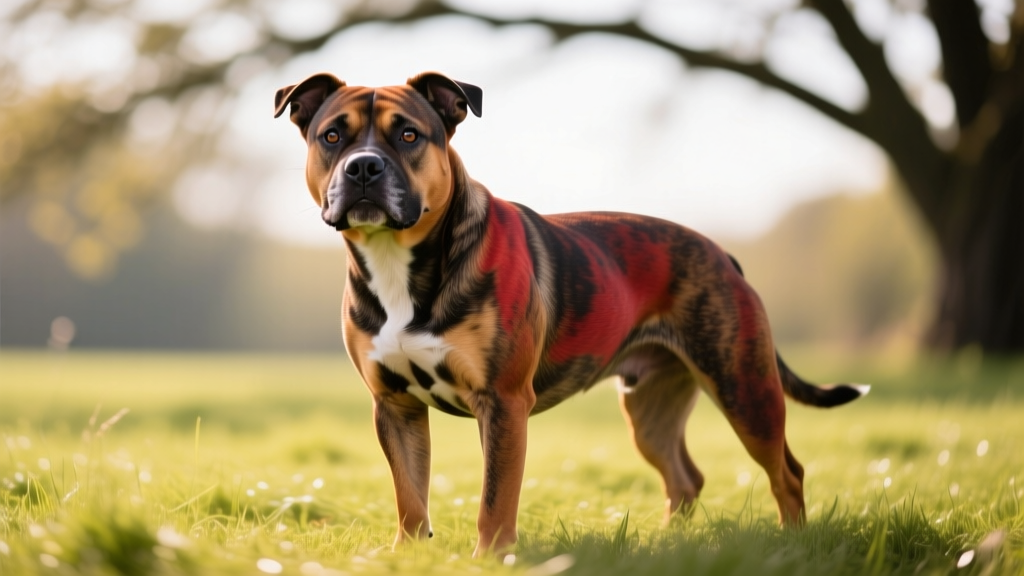
The Doberman Pinscher Poodle mix — commonly called the Doberdoodle or Dobermanpoo — is one of the more unusual designer crosses you'll encounter. It pairs the Doberman's protective intelligence and athletic drive with the Poodle's cognitive sharpness and lower-shedding coat. The result can be a striking, highly trainable companion, but this is not a beginner-friendly mix, and individual puppies in the same litter can look and behave remarkably differently.
This guide breaks down what you can realistically expect from a Doberman Pinscher Poodle mix in terms of size, coat, temperament, health, and cost — and who should (and shouldn't) consider bringing one home.
Parent Breed Breakdown: Doberman Pinscher Meets Poodle
Understanding any designer mix starts with its foundation breeds. The Doberman Pinscher and the Poodle (typically the Standard Poodle in this cross) are both AKC-recognized breeds with well-documented traits. Here's how they compare:
| Trait | Doberman Pinscher | Standard Poodle |
|---|---|---|
| AKC Group | Working | Non-Sporting / Sporting (varies by registry) |
| Weight Range | 60–100 lb / 27–45 kg | 40–70 lb / 18–32 kg |
| Height | 24–28 in / 61–71 cm | 15+ in / 38+ cm (Standard) |
| Coat Type | Short, smooth, single coat | Curly, dense, single coat (low-shedding) |
| Energy Level | High — needs 60–90 min daily exercise | High — needs 45–60 min daily exercise |
| Trainability | Exceptional; ranks #5 in Stanley Coren's intelligence rankings | Exceptional; ranks #2 in Coren's rankings |
| Protective Instinct | Strong — bred as a personal protection dog | Moderate — alert and vocal but not guard-oriented |
| Shedding | Moderate year-round | Very low |
| Lifespan | 10–12 years | 12–15 years |
| Key Health Risks | Dilated cardiomyopathy (DCM), von Willebrand disease, hip dysplasia, cervical vertebral instability (Wobbler syndrome) | Hip dysplasia, Addison's disease, bloat (GDV), progressive retinal atrophy (PRA) |
Both breeds are physically athletic, highly intelligent, and sensitive to their owner's emotional state. That overlap is what makes this cross appealing — but the differences in coat, guarding instinct, and body structure mean puppies can inherit widely varying combinations.
Understanding Generations: F1, F1B, F2, and Multigen Doberdoodles
Designer dog generations determine how predictable a puppy's traits will be:
- F1 (First Generation): 50% Doberman × 50% Standard Poodle. Maximum genetic diversity, but highest trait variability. One puppy may look mostly Doberman; another may look mostly Poodle.
- F1B (First Generation Backcross): F1 Doberdoodle × Poodle (75% Poodle / 25% Doberman) or F1 × Doberman (75% Doberman / 25% Poodle). Backcrossing to Poodle increases the chance of a curlier, lower-shedding coat. Backcrossing to Doberman emphasizes the short-coat working-dog look.
- F2 (Second Generation): F1 × F1. Both parents are Doberdoodles. Greater genetic recombination means even wider trait variation — coat, size, and temperament become less predictable.
- Multigen (F3+): Multiple generations of Doberdoodle × Doberdoodle breeding. Rare for this cross. In theory, traits stabilize over generations, but the Doberdoodle gene pool is currently too small for reliable multigen lines.
Most Doberdoodles available today are F1 crosses. Responsible breeders will clearly state the generation and provide health clearances for both parent dogs. If a breeder can't tell you the generation, walk away.
Size, Weight, and Physical Appearance
Because the Doberman and Standard Poodle overlap in height but differ in build, the size range for a Doberman Pinscher Poodle mix is broad:
| Measurement | Minimum | Maximum | Most Common |
|---|---|---|---|
| Weight | 45 lb / 20 kg | 90 lb / 41 kg | 55–75 lb / 25–34 kg |
| Height (at shoulder) | 20 in / 51 cm | 27 in / 69 cm | 22–25 in / 56–64 cm |
Males tend toward the upper end; females toward the lower. F1 puppies from a larger Doberman sire and a smaller Poodle dam can vary more than those from similarly sized parents.
Appearance is the most unpredictable element. Some Doberdoodles inherit the Doberman's sleek, short coat and rust-and-black coloring with a lean, muscular frame. Others get the Poodle's curly or wavy coat in solid black, brown, or parti-color. Many land somewhere in between — a wavy, medium-length coat with Doberman-style markings. Ear set (floppy vs. semi-erect), tail length, and muzzle shape also vary individually.
Coat Types and Grooming Requirements
The coat your Doberdoodle inherits drives grooming needs more than any other factor:
| Coat Type | Inherited From | Shedding | Grooming Frequency | Professional Grooming Cost |
|---|---|---|---|---|
| Short, smooth | Doberman-dominant | Moderate | Weekly brushing | $0–30/session (bath only) |
| Wavy, medium-length | Mixed inheritance | Low to moderate | Brushing 3–4×/week | $50–75 every 6–8 weeks |
| Curly, dense | Poodle-dominant | Very low | Daily brushing to prevent mats | $65–100 every 4–6 weeks |
Is the Doberman Pinscher Poodle Mix Hypoallergenic?
No designer dog is truly hypoallergenic. The term is a marketing invention, not a veterinary classification. Dogs with Poodle-dominant curly coats shed less dander and hair, which reduces allergen exposure for some people — but allergens also live in saliva and skin cells. If allergies are a concern, spend time with the specific puppy or adult dog before committing, and consult an allergist. An F1B backcross to Poodle offers the best chance of a lower-shedding coat, but there are no guarantees.
For curly-coated Doberdoodles, invest in a slicker brush (the Chris Christensen Big G is a professional-grade option around $65) and a steel comb for detangling. Short-coated individuals need only a rubber curry brush like the Kong ZoomGroom ($10–15).
Temperament: Best-Case and Challenging Scenarios
Both parent breeds are exceptionally intelligent and form intense bonds with their owners. This creates a dog that is highly trainable but also prone to specific behavioral challenges if not managed well.
- Deeply loyal and bonded to family
- Quick to learn commands (both breeds rank in top 5 for working intelligence)
- Alert and watchful without excessive barking
- Playful and athletic — excels at agility, obedience, nose work
- Gentle and patient with children in the household when properly socialized
- Adaptable to various living situations with adequate exercise
- Strong guarding instinct (from Doberman side) may lead to reactivity toward strangers or other dogs if not socialized early and consistently
- Separation anxiety — both breeds are velcro dogs that struggle when left alone for long hours
- High mental stimulation needs; boredom leads to destructive chewing, digging, or escape attempts
- Sensitivity to harsh training methods — shuts down or becomes fearful with aversive techniques
- Possible same-sex aggression (more common in Doberman lineage)
- Herding or nipping behavior toward small children if not redirected
The critical variable is socialization. The American Veterinary Medical Association (AVMA) recommends structured socialization during the 3–14 week window. For a Doberdoodle, this means positive exposure to diverse people, environments, sounds, surfaces, and other animals — all paired with treats and play. Under-socialized Doberdoodles are at high risk for fear-based reactivity, which is difficult to remediate in adulthood.
Training should use positive reinforcement methods exclusively: reward-based marker training, clicker work, and force-free leash guidance. Both breeds respond poorly to prong collars, shock collars, or alpha rolls — these methods increase anxiety and damage the trust that makes this cross such a rewarding companion.
Health Considerations: Hybrid Vigor vs. Reality
A common claim about designer dogs is that "hybrid vigor" eliminates health problems. This is misleading. Crossbreeding can reduce the risk of recessive disorders that are concentrated within a single breed's gene pool — but it does not protect against conditions that both parent breeds share, and it introduces the combined health risk profiles of both breeds.
Conditions Inherited From the Doberman Side
- Dilated Cardiomyopathy (DCM): Affects an estimated 25–40% of Dobermans at some point in their lives (AKC). This is a progressive heart muscle disease that can lead to congestive heart failure and sudden cardiac death. DNA testing for the DCM1 and DCM2 mutations is available but does not catch all cases.
- Von Willebrand Disease (vWD): A blood clotting disorder. Type 1 vWD is common in Dobermans; a DNA test can identify carriers.
- Cervical Vertebral Instability (Wobbler Syndrome): Compression of the spinal cord in the neck, causing gait abnormalities. More common in large, deep-chested breeds.
Conditions Inherited From the Poodle Side
- Addison's Disease (Hypoadrenocorticism): Autoimmune destruction of the adrenal glands. Standard Poodles have a higher-than-average prevalence. Symptoms include lethargy, vomiting, and collapse — often misdiagnosed initially.
- Progressive Retinal Atrophy (PRA): A degenerative eye disease leading to blindness. DNA tests are available for the prcd-PRA mutation.
- Sebaceous Adenitis: An autoimmune skin condition causing hair loss and scaling, seen more frequently in Standard Poodles.
Conditions Both Breeds Share
- Hip Dysplasia: Malformation of the hip joint. Both breeds carry risk. Request OFA or PennHIP scores for both parent dogs.
- Gastric Dilatation-Volvulus (Bloat/GDV): A life-threatening emergency where the stomach fills with gas and twists. Both Dobermans and Standard Poodles are deep-chested breeds at elevated risk. Discuss prophylactic gastropexy with your veterinarian, especially if your dog reaches 50+ lb.
- OFA or PennHIP hip evaluation (both parents)
- OFA cardiac evaluation (Doberman parent — echocardiogram + Holter monitor)
- DCM DNA panel (Doberman parent)
- vWD DNA test (Doberman parent)
- PRA DNA test or CERF eye exam (Poodle parent)
- Addison's disease risk assessment (Poodle parent — discuss with vet)
A breeder who cannot provide documentation for these tests is not breeding responsibly. Always consult your veterinarian about a health screening plan tailored to your individual dog.
Exercise, Mental Stimulation, and Daily Care
This is a high-drive cross that needs both physical and mental work every single day. Plan for:
- Physical exercise: 60–90 minutes daily, split into at least two sessions. Off-leash running in secure areas, hiking, swimming, and structured fetch all work well.
- Mental stimulation: 20–30 minutes of focused training, puzzle feeders (the Kong Classic or Outward Hound Nina Ottosson puzzles, $15–30), scent work games, or trick training sessions.
- Structured activities: Agility, rally obedience, barn hunt, or competitive obedience are excellent outlets. Both breeds excel in dog sports.
A Doberdoodle that receives only a 15-minute leash walk and no mental work will find its own entertainment — usually by destroying furniture, raiding counters, or developing repetitive behaviors like flank sucking or shadow chasing.
Cost: Purchase Price and Ongoing Expenses
The Doberman Pinscher Poodle mix is not a mainstream designer breed like the Goldendoodle or Labradoodle, which affects both availability and pricing.
| Category | Low Range | Mid Range | High Range |
|---|---|---|---|
| Puppy purchase price (from breeder) | $800–1,200 | $1,500–2,500 | $2,500–4,000+ |
| Adoption/rescue fee | $200–500 | — | — |
| First-year veterinary care (vaccines, spay/neuter, wellness) | $800 | $1,200 | $2,000 |
| Annual veterinary care (adult years) | $500 | $800 | $1,500+ |
| Food (premium kibble or balanced raw, monthly) | $50 | $80 | $130 |
| Professional grooming (if curly coat) | $0 (short coat) | $450/year | $900/year |
| Pet insurance (monthly premium) | $35 | $55 | $90 |
Breeder availability is limited. You'll find occasional litters from small-scale hobby breeders, often listed on platforms like Good Dog or through Poodle and Doberman breed club networks. Be cautious of puppy mill operations advertising "rare designer breeds" at inflated prices without health testing.
Rescue is a viable option. Doberman and Poodle breed-specific rescues (such as the Doberman Pinscher Club of America rescue network and Standard Poodle Rescue organizations) occasionally take in mixed-breed dogs. General shelters also see Doberdoodles, particularly when owners underestimate the exercise and training commitment. Adoption fees typically range from $200–500 and often include spay/neuter, vaccinations, and microchipping.
Who This Mix Suits Best
The Doberman Pinscher Poodle mix is not a casual pet. Based on the traits inherited from both parent breeds, here's a practical fit assessment:
| Factor | Good Fit | Poor Fit |
|---|---|---|
| Experience level | Intermediate to experienced dog owner who has handled large, intelligent breeds | First-time dog owner |
| Daily time commitment | Home often; away no more than 4–5 hours at a stretch | Works 10+ hour days outside the home with no dog walker |
| Activity level | Active — runs, hikes, or does dog sports regularly | Sedentary or limited mobility |
| Children | Families with children 8+ who understand dog body language and participate in training | Families with toddlers only and no prior large-dog experience |
| Other pets | Household with well-socialized dogs of opposite sex; cats introduced carefully as puppies | Multi-dog household with same-sex intact dogs; small prey animals (rabbits, birds) |
| Living space | House with fenced yard, or apartment with dedicated daily exercise plan | Small apartment with no outdoor access plan |
| Training commitment | Willing to attend group classes and practice daily for the dog's first 2+ years | Expects a dog that "just behaves" without structured training |
Frequently Asked Questions
What two breeds make up the Doberman Pinscher Poodle mix?
The Doberman Pinscher and the Standard Poodle. Some breeders may use a Miniature or Moyen Poodle to produce smaller versions, but these are less common and carry different health and temperament profiles. The Standard Poodle is the expected parent in most F1 Doberdoodle litters.
How big will a Doberman Pinscher Poodle mix get?
Most adults fall between 55–75 lb (25–34 kg) and 22–25 inches (56–64 cm) at the shoulder, but the full range spans 45–90 lb (20–41 kg) and 20–27 inches (51–69 cm). Ask the breeder for the exact weight and height of both parent dogs to estimate where a specific puppy may land.
What will the temperament be like?
Expect a highly intelligent, deeply bonded, and alert dog. The Doberman side contributes guarding instinct and physical confidence; the Poodle side contributes problem-solving creativity and social adaptability. The balance between these traits varies by individual. Early socialization and consistent positive reinforcement training are non-negotiable for this cross.
Is this mix hypoallergenic or low-shedding?
No dog is truly hypoallergenic. Poodle-dominant Doberdoodles with curly coats shed very little and may be better tolerated by people with mild dog allergies. Doberman-dominant individuals with short coats will shed moderately. You cannot reliably predict coat type in F1 puppies at 8 weeks — wait until 12–16 weeks for clearer coat indicators, or choose an F1B backcross to Poodle.
What health issues might this mix inherit?
The combined risk profile includes dilated cardiomyopathy (DCM), von Willebrand disease, Wobbler syndrome (from the Doberman side); Addison's disease, progressive retinal atrophy, and sebaceous adenitis (from the Poodle side); and hip dysplasia and bloat/GDV (shared risk). Responsible breeding with full health clearances on both parents significantly reduces — but never eliminates — these risks. Consult your veterinarian about a screening protocol for your individual dog.
How much does a Doberman Pinscher Poodle mix cost?
Expect to pay $1,500–2,500 for a puppy from a health-tested breeder, though prices can range from $800 to over $4,000 depending on breeder reputation, location, and included health guarantees. Adoption from rescue organizations typically costs $200–500. First-year total expenses (purchase + veterinary care + supplies + food) typically run $3,000–5,500.
Are Doberdoodles good family dogs?
They can be excellent family dogs in the right household — one with older children, an active lifestyle, and a commitment to training. They are not recommended for families seeking a low-maintenance pet or those with very young children and no prior experience managing large, strong dogs.
Where can I find a Doberman Pinscher Poodle mix?
This is an uncommon cross, so availability is limited. Start with Good Dog's breeder directory, contact the Doberman Pinscher Club of America or Standard Poodle Club breed referral networks, and monitor breed-specific rescues. Avoid pet stores and online marketplaces that cannot verify breeder health testing practices.
Robin Maitland
All our authors care for dogs every day — read more of their work on the authors page.