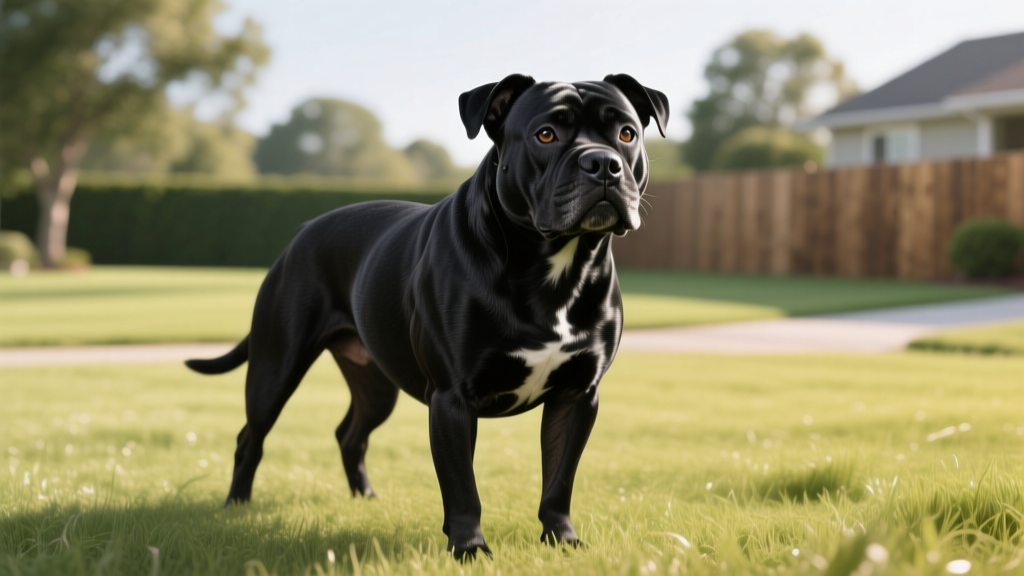
Decker Giant Rat Terrier: The Rare Hunting Breed You've Never Heard Of
Complete guide to the Decker Giant Rat Terrier — origin, temperament, health risks, costs, and how this rare hunting breed compares to standard Rat Terriers.
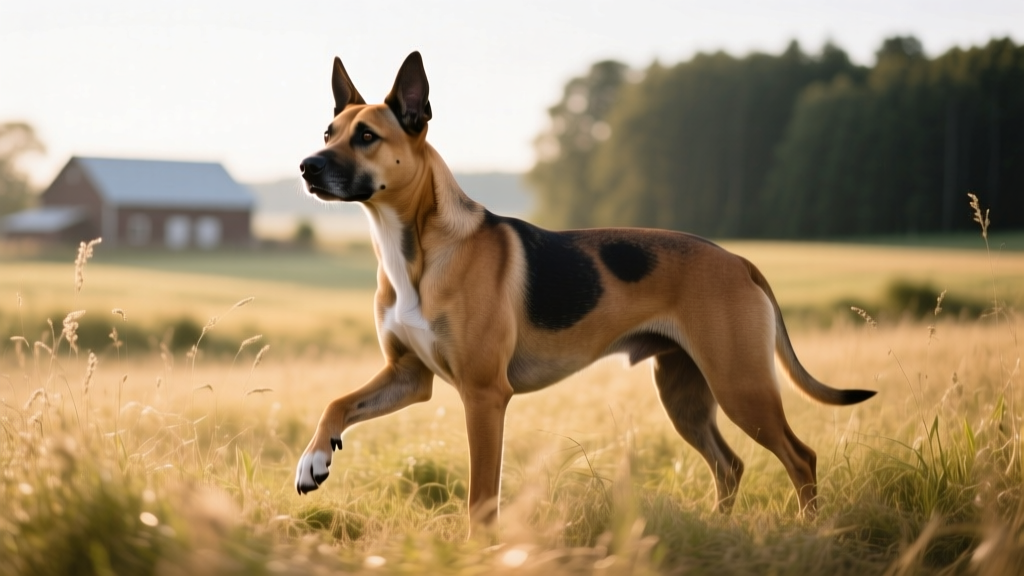
What Is a Decker Giant Rat Terrier?
If you've spent any time around terrier people, you've probably heard of the Rat Terrier — the scrappy, intelligent farm dog that Theodore Roosevelt famously kept in the White House. But the Decker Giant Rat Terrier (sometimes called the Decker Hunting Terrier) is a different animal entirely. Bred to be substantially larger and more athletic than the standard Rat Terrier, this rare line was developed for serious hunting work, not lap-sitting.
The Decker Giant typically stands 18–24 inches at the shoulder and weighs 40–70 pounds (18–32 kg), putting it firmly in medium-to-large territory. By comparison, a standard Rat Terrier maxes out around 18 inches and 25 pounds. The Decker line carries more Foxhound and Pointer influence, which gives it a distinctly different silhouette: longer legs, a deeper chest, and a more pronounced athletic drive.
This is not an AKC-recognized breed as of 2026. The Decker Giant Rat Terrier falls under the broader Rat Terrier umbrella in registries like the United Kennel Club (UKC), where the Rat Terrier has been recognized since 1999. Some Decker lines are registered through the Decker Hunting Terrier Association (DHTA) or similar specialty organizations that track lineage separately from the standard breed. If a breeder tells you their Decker Giants are "AKC registered," ask for clarification — the AKC recognizes the Rat Terrier (since 2013), but the Decker Giant is a distinct breeding line, not a separate AKC breed.
| Attribute | Decker Giant Rat Terrier |
|---|---|
| Weight | 40–70 lb / 18–32 kg |
| Height | 18–24 in / 46–61 cm at shoulder |
| Lifespan | 13–18 years |
| Coat | Short, smooth, low-shedding; common colors include tri-color (black/white/tan), chocolate, blue, red |
| Energy Level | High — 60–90+ minutes of vigorous daily exercise |
| Grooming | Low — weekly brushing, occasional bath |
| Family Fit | Best with active families, older children, experienced owners |
| Apartment Suitability | Poor — needs yard access and space to run |
Origin Story: From Ratting Barns to Big-Game Fields
The Decker Giant Rat Terrier traces its roots to the American farm dog tradition of the early-to-mid 20th century. Standard Rat Terriers were developed by crossing Smooth Fox Terriers with various terrier and hound breeds — including Beagles, Whippets, and Italian Greyhounds — to create fast, versatile vermin hunters. Farmers bred for function over form, and the result was a tough, intelligent dog that could clear a barn of rodents and still hunt rabbits in the field.
The "Decker" line is widely believed to originate from breeding programs associated with Milton Decker, a California-based hunter and breeder active in the 1970s and 1980s. Decker reportedly sought a larger, more powerful terrier capable of hunting bigger quarry — including wild boar, deer, and mountain lion — while retaining the intelligence and trainability of the standard Rat Terrier. To achieve this, he and like-minded breeders introduced larger hound and sporting dog bloodlines, including Foxhound and Pointer genetics, into Rat Terrier stock.
The result was a dog that looked like a Rat Terrier scaled up by 50%, with the stamina to track game over miles of rough terrain and the courage to hold a boar at bay. These dogs became popular among hunters in the American West and South, where they earned a reputation as versatile "do-everything" hunting companions.
Because the Decker Giant was bred primarily by working hunters rather than show fanciers, documentation is sparser than for mainstream breeds. Pedigree records are maintained by organizations like the DHTA rather than major kennel clubs, and the line remains relatively unknown outside hunting communities.
Temperament: What Surprises New Owners
Most people who bring home a Decker Giant Rat Terrier expect a big version of the friendly, easygoing standard Rat Terrier. What they get is a dog with significantly more drive, independence, and prey instinct than they bargained for.
The surprises owners report most often:
- Prey drive is intense and persistent. A Decker Giant will chase squirrels, rabbits, cats, and anything else that runs. Off-leash recall in unfenced areas is unreliable for most individuals, regardless of training level. This is a dog that was bred to pursue game over long distances, and that instinct doesn't switch off because you called their name.
- They're smarter than is convenient. Decker Giants learn commands quickly but also learn how to open doors, raid counters, and dismantle puzzle toys in seconds. Mental stimulation isn't optional — a bored Decker Giant will invent its own entertainment, and you won't like what it chooses.
- Stranger wariness is common. Unlike the gregarious standard Rat Terrier, many Decker Giants are reserved or suspicious with unfamiliar people. Early, structured socialization (positive exposure to diverse people, environments, and experiences between 8–16 weeks) is critical. Without it, wariness can develop into fear-based reactivity.
- They bond hard to one person. Decker Giants tend to be "Velcro dogs" with their primary handler, following them room to room and showing clear preference over other family members. This loyalty is endearing but can lead to separation anxiety if the dog isn't taught to be comfortable alone.
- Energy doesn't mellow with age as much as you'd expect. While most dogs slow down after age 3–4, Decker Giants often maintain high energy and play drive well into their senior years (10+). Plan for a long-term commitment to vigorous daily exercise.
With proper socialization and consistent positive reinforcement training, Decker Giants are devoted, responsive, and genuinely fun partners. They excel in dog sports like barn hunt, lure coursing, agility, and nose work — activities that channel their hunting instincts productively. But they are not a breed for casual owners who want a dog that mostly sleeps on the couch.
Decker Giant vs. Standard Rat Terrier vs. Similar Breeds
Understanding how the Decker Giant compares to related breeds helps clarify whether it's the right fit for your household.
| Trait | Decker Giant Rat Terrier | Standard Rat Terrier | American Staffordshire Terrier |
|---|---|---|---|
| Weight | 40–70 lb / 18–32 kg | 10–25 lb / 4.5–11 kg | 55–70 lb / 25–32 kg |
| Height | 18–24 in | 13–18 in | 17–19 in |
| Primary Purpose | Versatile hunting (large game) | Vermin control, companion | Companion, historical bull-baiting |
| Prey Drive | Very high | Moderate to high | Moderate |
| Stranger Friendliness | Reserved to wary | Generally friendly | Variable; socialization-dependent |
| Exercise Needs | 60–90+ min/day | 30–60 min/day | 45–75 min/day |
| Trainability | High intelligence, independent streak | High, eager to please | Moderate to high, can be stubborn |
| AKC Recognized | No (UKC Rat Terrier umbrella) | Yes (2013) | Yes (1936) |
The Decker Giant is most frequently confused with the standard Rat Terrier, but the size and temperament differences are substantial. It's also sometimes mistaken for a mixed-breed hound or a small Pointer, which reflects its breeding heritage. Compared to the American Staffordshire Terrier — another athletic American breed in a similar weight range — the Decker Giant has higher prey drive, more independence, and less natural sociability with strangers.
Health Concerns Specific to Decker Giant Lines
Decker Giant Rat Terriers benefit from the genetic diversity of their mixed heritage, and many individuals are robust, long-lived dogs (13–18 years is typical). However, the larger size and specific breeding lines introduce health risks that standard Rat Terrier owners don't typically face.
Breed-specific predispositions to discuss with your veterinarian:
- Hip dysplasia: More prevalent in Decker Giants than in standard Rat Terriers due to larger body mass. The Orthopedic Foundation for Animals (OFA) recommends hip evaluation for breeding stock. Estimated prevalence in large terrier-type dogs: 10–15%.
- Patellar luxation: Kneecap dislocation is seen across many terrier breeds. In Decker Giants, the larger frame puts additional stress on the stifle joint. Grade I–II luxations may be managed conservatively; Grade III–IV often require surgical correction ($1,500–$3,500 per knee).
- Dilated cardiomyopathy (DCM): While more commonly associated with large breeds like Dobermans and Great Danes, DCM has been reported in larger Rat Terrier lines. Annual cardiac auscultation by your vet is recommended after age 5.
- Allergies and skin conditions: Short-coated terriers are prone to environmental allergies (atopic dermatitis) and demodectic mange. Decker Giants are no exception. Symptoms include chronic itching, hot spots, and recurrent ear infections.
- Exercise-induced collapse (EIC): Reported anecdotally in some Decker lines, though prevalence data is limited. Dogs with EIC show weakness, stumbling, or collapse after intense exercise. Genetic testing for the EIC mutation (available through the University of Minnesota Veterinary Diagnostic Laboratory) is recommended for breeding dogs.
- Sudden hind-limb weakness or inability to stand after exercise
- Rapid abdominal swelling (possible gastric dilatation-volvulus, or bloat — uncommon in this breed but life-threatening)
- Seizures or loss of consciousness
- Labored breathing or blue-tinged gums
Because Decker Giant lines are maintained by a relatively small pool of breeders, responsible breeding practices are essential. Ask any breeder for OFA or PennHIP hip scores, cardiac clearance, and EIC genetic test results for both parents. A reputable breeder will provide these without being asked twice. Always consult your veterinarian for breed-appropriate health screening schedules.
Special Care Requirements
The Decker Giant's care needs differ from most companion breeds in three key areas:
Exercise: Non-Negotiable Daily Output
Plan for a minimum of 60–90 minutes of vigorous exercise daily. This isn't a leisurely neighborhood walk — Decker Giants need sustained running, hiking, or structured play. Activities that work well:
- Off-leash hiking in secure, fenced areas (remember: unreliable recall means unfenced off-leash is risky)
- Lure coursing or flirt pole sessions (channels prey drive safely)
- Agility or barn hunt classes
- Bike-joring or canicross (dog pulls you on a bike or while running)
- Swimming (most Decker Giants enjoy water, but introduce gradually)
A Decker Giant that doesn't get adequate exercise will develop behavioral problems — destructive chewing, excessive barking, fence-climbing, and escape attempts are common in under-exercised individuals.
Coat and Grooming: Easier Than You'd Expect
The short, smooth coat sheds moderately year-round but requires minimal maintenance. Weekly brushing with a rubber grooming mitt or bristle brush removes loose hair. Bathing every 6–8 weeks (or as needed) with a mild dog-specific shampoo is sufficient. Check ears weekly for debris or signs of infection, especially in dogs with semi-prick ears that can trap moisture.
Training: Positive Reinforcement Only
Decker Giants are highly intelligent but have an independent streak that doesn't respond well to force-based methods. Shock collars, prong collars, and alpha rolls will damage your relationship with this breed and often escalate behavioral problems. Instead, use:
- High-value food rewards (freeze-dried liver, chicken, cheese) for recall and obedience training
- Counter-conditioning and desensitization for prey drive management and stranger wariness
- Structured impulse control games ("leave it," "wait," mat training) to build self-regulation
- Early socialization — enroll in a well-run puppy class by 10–12 weeks, and continue positive exposure to novel stimuli through 16 weeks and beyond
Recall training is a lifelong project with this breed. Even well-trained Decker Giants should not be trusted off-leash in unfenced areas with wildlife or livestock present. Invest in a long-line (15–30 ft training leash) for safe off-leash practice in open areas.
Availability, Breeder Guidance, and Cost
The Decker Giant Rat Terrier is genuinely rare. You won't find them at pet stores, and they rarely appear in breed-specific rescues. Most puppies come from a small network of breeders concentrated in the western and southern United States — particularly California, Texas, Oklahoma, and the Carolinas.
Typical Pricing (2026)
| Category | Cost Range |
|---|---|
| Puppy from reputable Decker breeder | $800–$2,000 |
| Puppy from working/hunting-proven parents | $1,500–$3,000 |
| Adult rescue/rehomed Decker Giant | $200–$600 (adoption fee) |
| First-year total cost (food, vet, gear, training) | $2,500–$4,500 |
| Annual ongoing care | $1,200–$2,200 |
Red Flags When Evaluating a Breeder
- No health testing documentation. If a breeder can't show OFA/PennHIP hip scores, cardiac clearance, or genetic test results, walk away.
- "Rare color" premium pricing. Decker Giants come in a range of colors, but breeders charging $3,000+ for "rare blue" or "rare chocolate" puppies are prioritizing profit over health.
- No take-back clause. Reputable breeders contractually require that the dog be returned to them if you can no longer keep it, at any point in the dog's life.
- Multiple litters available year-round. Responsible breeders typically produce 1–2 litters per year and maintain a waitlist.
- Can't meet the parent dogs. If the breeder won't let you see the dam (mother) interacting normally, that's a major warning sign.
To find a reputable breeder, start with the Decker Hunting Terrier Association or connect with Rat Terrier breed clubs through the AKC Rat Terrier page — even though Decker Giants aren't AKC-registered as a separate breed, breed club members often have connections to Decker line breeders. Rat Terrier rescue organizations like Ratbone Rescues occasionally have Decker-type dogs available for adoption.
Is the Decker Giant Rat Terrier Right for You?
This breed is a strong match if you:
- Are an experienced dog owner (not recommended for first-time owners)
- Have access to a securely fenced yard (minimum 5–6 ft fence; some Decker Giants are athletic enough to clear shorter fencing)
- Can commit to 60–90+ minutes of vigorous daily exercise
- Are interested in dog sports or hunting activities
- Have older children (10+) who understand how to interact respectfully with a high-energy dog
- Don't have cats, rabbits, or other small pets (prey drive makes cohabitation risky)
This breed is a poor match if you:
- Live in an apartment without yard access
- Want a low-energy companion dog
- Have very young children (the dog's size and exuberance can knock over toddlers)
- Can't commit to structured training and socialization
- Want a dog that's naturally friendly with all strangers and dogs
Frequently Asked Questions
How rare is the Decker Giant Rat Terrier today?
Very rare. There is no centralized census, but the Decker Giant is estimated to number in the low thousands nationally. Most dogs are concentrated in hunting and working dog communities in the western and southern US. You will likely need to join a breeder's waitlist (typical wait: 3–12 months) and may need to travel to pick up your puppy.
Can Decker Giant Rat Terriers live with cats or other small animals?
Generally, no. The prey drive in this line is strong and persistent. While individual dogs raised with cats from puppyhood may coexist peacefully, this is the exception rather than the rule. If you have cats, rabbits, or pocket pets, a standard Rat Terrier or a lower-prey-drive breed is a safer choice.
Are Decker Giant Rat Terriers good with children?
They can be excellent with respectful, older children (10+) who understand dog body language. Their size and exuberance make them a risk for toddlers and very young children, who can be knocked over during play. Always supervise interactions between any dog and children under 12.
What's the difference between a Decker Giant and a "Giant Rat Terrier"?
The terms are sometimes used interchangeably, but "Decker" specifically refers to dogs from the Milton Decker breeding lineage. Some breeders use "Giant Rat Terrier" more loosely for any oversized Rat Terrier, which may or may not have Decker bloodlines. If the lineage matters to you (for hunting ability or health predictability), ask the breeder specifically about Decker line documentation.
Do Decker Giant Rat Terriers shed a lot?
They shed moderately year-round but have no seasonal "blow" like double-coated breeds. Weekly brushing keeps shedding manageable. If you have dog hair allergies, spend time with a Decker Giant before committing — the short hairs can be irritating to sensitive individuals even though the total volume is low.
How long do Decker Giant Rat Terriers live?
Typical lifespan is 13–18 years, which is excellent for a dog of this size. Maintaining lean body condition (body condition score 4–5 out of 9), providing consistent exercise, and staying current on veterinary preventive care will help your Decker Giant reach the upper end of that range.
Priya Sutaria
All our authors care for dogs every day — read more of their work on the authors page.