Black Pit Bull Terrier: Complete Breed Profile, Care & Health Guide
Everything you need to know about the black Pit Bull Terrier — temperament, health risks, exercise needs, training tips, and 2026 ownership costs.
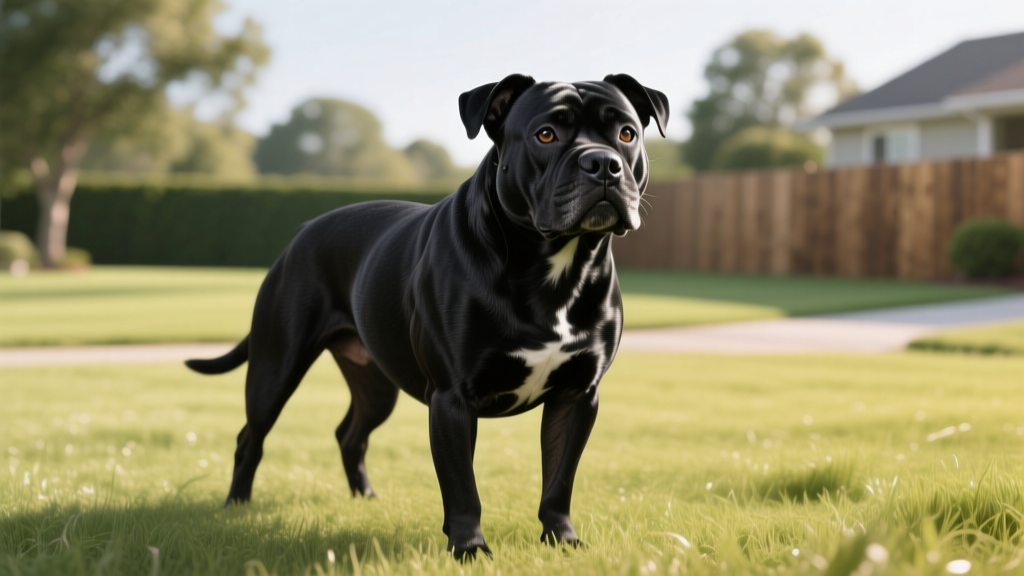
The black Pit Bull Terrier is one of the most recognizable — and most misunderstood — dogs in the United States. Whether you've spotted a sleek, muscular black-coated pup at your local dog park or you're researching before bringing one home, this guide gives you the veterinary-grounded, real-world facts you need. We'll cover the genetics behind that striking black coat, breed-specific health data, honest temperament assessments, and the actual costs of ownership so you can make an informed decision.
First, a quick clarification: "Pit Bull Terrier" is an umbrella term that most commonly refers to the American Pit Bull Terrier (APBT), though it's sometimes used loosely to include the American Staffordshire Terrier, Staffordshire Bull Terrier, and American Bully. The black coat color occurs across all of these breeds. The United Kennel Club (UKC) recognizes the APBT as a distinct breed, while the American Kennel Club (AKC) recognizes the closely related American Staffordshire Terrier. For this profile, we focus primarily on the APBT and its close cousins, since the black coat variant appears throughout this family.
Black Pit Bull Terrier at a Glance
| Attribute | Details |
|---|---|
| Weight (Male) | 35–60 lb / 16–27 kg |
| Weight (Female) | 30–50 lb / 14–23 kg |
| Height (Male) | 18–21 inches / 46–53 cm |
| Height (Female) | 17–20 inches / 43–51 cm |
| Lifespan | 12–16 years |
| Coat | Short, smooth, single-layered; solid black or black with white markings |
| Energy Level | High — 60–90 minutes of structured activity daily |
| Grooming | Low — weekly brushing, monthly baths |
| Size Class | Medium-to-large |
| Trainability | High (4/5) — responds well to positive reinforcement |
| Family Fit | Good with children when socialized; variable with other dogs |
Origin and History of the Black Pit Bull Terrier
The Pit Bull Terrier's lineage traces back to early 19th-century England, where breeders crossed Old English Bulldogs with various terrier breeds to produce dogs for bull-baiting and, after that blood sport was banned in 1835, rat-baiting and dog fighting. These "bull-and-terrier" crosses were selected for gameness, strength, and a willingness to engage — traits that, unfortunately, defined the breed's early purpose.
Irish and English immigrants brought these dogs to the United States in the mid-1800s. On American farms and homesteads, the breed's role broadened significantly: they worked as catch dogs for feral hogs, herded semi-wild cattle, and served as family companions. The United Kennel Club formally recognized the American Pit Bull Terrier in 1898, making it one of the earliest registered breeds in the UKC system. The AKC followed by recognizing the American Staffordshire Terrier (a closely related but separately maintained lineage) in 1936.
The black coat color is produced by a dominant allele at the B-locus (the Melanocortin 1 Receptor or MC1R gene pathway). Because the dominant black allele (B) is widespread across the Pit Bull Terrier gene pool, solid black and black-and-white dogs appear frequently in both responsibly bred litters and shelter populations. The coat color has no documented correlation with temperament or health outcomes — a black Pit Bull Terrier is behaviorally and physiologically identical to a blue, brindle, or fawn one.
Physical Characteristics: What a Black Pit Bull Terrier Looks Like
The black Pit Bull Terrier is an athletic, compact dog built for power and agility. The head is broad and wedge-shaped with pronounced cheek muscles — the breed's signature "smile" comes from a wide muzzle and well-defined jaw line. Eyes are round to almond-shaped, set wide apart, and typically dark brown in black-coated dogs. Ears may be natural (rose or half-prick) or cropped, though the AVMA and most veterinary professionals advise against cosmetic ear cropping.
The body is slightly longer than tall, with a deep chest, well-sprung ribs, and a tucked-up waistline that gives the breed its characteristic hourglass silhouette when viewed from above. The tail is thick at the base and tapers to a point; it should not curl over the back.
Coat specifics: The black Pit Bull's coat is short, stiff, and glossy with a single layer (no undercoat). The hairs lie flat and feel smooth to the touch. Some black-coated individuals may show a faint rust or brown tint in direct sunlight — this is normal and caused by sun bleaching of eumelanin pigment. White markings on the chest, toes, or tail tip are common and accepted under UKC breed standards. The coat sheds moderately year-round, with slightly heavier shedding in spring and fall.
Temperament and Personality: Five Core Traits
Pit Bull Terriers are individuals, but decades of breed-standard descriptions, behavioral assessments, and owner surveys point to several consistent traits. Here's what you can realistically expect from a well-bred, properly socialized black Pit Bull Terrier:
1. Human-Oriented Affection. Pit Bulls are famously people-focused. They tend to form intense bonds with their primary caregivers and seek physical contact — leaning against your legs, climbing into your lap despite weighing 50 lb, and following you from room to room. The ASPCA has noted that Pit Bull-type dogs historically scored well on temperament evaluations for human-directed friendliness. This is not generic "loyalty" — it's a breed-typical drive to be in close proximity to humans, rooted in their history as dogs that worked alongside handlers.
2. High Energy and Playfulness. Adult Pit Bulls retain a puppy-like play drive well into their senior years. Expect enthusiastic fetch sessions, vigorous tug-of-war, and a love of physical games. A bored Pit Bull is a destructive Pit Bull — these dogs will dismantle couch cushions, dig through drywall, or chew through baseboards if under-stimulated.
3. Confidence and Boldness. The breed standard describes a dog that is "confident, spirited, and full of life." In practical terms, this means your Pit Bull may not back down from challenges, may greet unfamiliar situations with forward curiosity rather than caution, and may require deliberate training to develop a reliable recall when distracted.
4. Dog Selectivity (Not Universal Aggression). Many Pit Bull Terriers are dog-selective or dog-intolerant, particularly as they mature past 2–3 years of age. This is a well-documented breed tendency related to their historical development. It does not mean every APBT will fight with other dogs — many live peacefully in multi-dog households — but it means introductions should be managed carefully, and dog park visits may not be appropriate for every individual. Same-sex aggression is more commonly reported than opposite-sex aggression.
5. Sensitivity to Human Emotion. Despite their tough appearance, Pit Bulls are notably attuned to their owners' emotional states. They tend to become anxious when their people are stressed, and they respond poorly to harsh training methods. Force-free, reward-based training is not just ethically preferred — it is measurably more effective with this breed.
Exercise and Activity Needs
The black Pit Bull Terrier is a high-energy working breed that requires structured daily exercise. "A walk around the block" is not sufficient for most individuals. Here is a realistic activity framework based on age and energy level:
| Life Stage | Daily Exercise | Recommended Activities |
|---|---|---|
| Puppy (4–12 months) | 30–45 minutes | Short leash walks (5 min per month of age), puppy play sessions, basic training games, sniffing enrichment |
| Young Adult (1–3 years) | 60–90 minutes | Brisk walking/jogging, flirt pole sessions, weighted pull (with harness), agility foundation, swimming |
| Adult (3–8 years) | 60–90 minutes | Running partner, weight pull competitions, dock diving, advanced obedience, puzzle feeders |
| Senior (8+ years) | 30–60 minutes | Leisurely walks, gentle swimming, scent work, short training sessions |
Mental stimulation is non-negotiable. Pit Bull Terriers are intelligent, problem-solving dogs. Budget at least 15–20 minutes per day for training drills, food puzzles (Kong Classic, Outward Hound Nina Ottosson puzzles), or scent work. A physically tired but mentally bored Pit Bull will still find ways to entertain itself — usually at your expense.
A note on jogging: Wait until your Pit Bull's growth plates close (typically 14–18 months) before starting sustained running. Premature high-impact exercise increases the risk of joint damage, particularly in breeds predisposed to hip dysplasia.
Health Issues: What Black Pit Bull Terriers Are Prone To
Always consult your veterinarian for diagnosis and treatment of any health condition. The following are breed-associated conditions with documented prevalence in Pit Bull-type dogs. A responsible breeder will provide Orthopedic Foundation for Animals (OFA) or PennHIP certifications for hip and elbow scores, cardiac evaluations, and patella checks before selling a puppy.
| Condition | Prevalence / Notes | Typical Treatment Cost Range |
|---|---|---|
| Hip Dysplasia | Approximately 22–25% of APBTs screened by OFA show some degree of hip dysplasia. More common in dogs from lines bred for heavy muscling. | $1,500–$7,000 (surgical options include FHO or total hip replacement) |
| Allergic Skin Disease (Atopic Dermatitis) | One of the most common reasons Pit Bulls visit the vet. Environmental allergies (grass, pollen, dust mites) and food sensitivities cause itching, hot spots, and recurrent ear infections. Onset typically between 1–3 years. | $200–$800/year ongoing management; Apoquel or Cytopoint injections $45–$150/month |
| Patellar Luxation | Kneecap slips out of groove; grades I–IV. Estimated 5–8% prevalence in the breed. More common in smaller, lighter individuals. | $1,500–$4,000 per knee for surgical correction |
| Hypothyroidism | Autoimmune thyroiditis. Signs include weight gain, lethargy, hair thinning, and recurrent skin infections. Onset typically 4–10 years. | $15–$40/month for levothyroxine; $80–$150 for initial thyroid panel |
| Congenital Heart Defects (Aortic Stenosis) | Documented in the breed at lower prevalence (~2–4%). May present as exercise intolerance, fainting, or a heart murmur detected at a puppy exam. | $300–$1,200 for echocardiogram; medical management $50–$200/month |
Demodectic mange (caused by Demodex canis mites) also appears more frequently in Pit Bull-type dogs than in the general dog population. While localized demodicosis often resolves on its own in puppies, generalized demodicosis requires veterinary treatment with isoxazoline-class medications (Bravecto, NexGard) or topical protocols. The Merck Veterinary Manual provides detailed clinical guidance on demodicosis management.
Grooming, Training, and Daily Care
Grooming Requirements
The black Pit Bull's short coat is one of the breed's practical advantages. Here's a realistic care schedule:
| Task | Frequency | Recommended Tools |
|---|---|---|
| Brushing | 1–2 times per week | Rubber curry brush (Kong ZoomGroom) or bristle brush |
| Bathing | Every 4–8 weeks (or as needed) | Oatmeal-based or hypoallergenic dog shampoo — avoid human shampoos |
| Nail trimming | Every 2–4 weeks | Guillotine or scissor-style clippers; Dremel for dogs that resist clipping |
| Ear cleaning | Weekly (especially in allergy-prone dogs) | Veterinary ear wash (Epi-Otic Advanced); cotton balls, never Q-tips |
| Dental care | Daily brushing ideal; minimum 3×/week | Enzymatic dog toothpaste (C.E.T. brand), finger brush or small-head toothbrush |
Training and Intelligence
Pit Bull Terriers are intelligent, eager to please, and highly trainable — but they are also strong-willed and physically powerful. Trainability rating: 4 out of 5. They excel in obedience, agility, weight pull, and therapy dog work when trained with positive reinforcement methods.
Recommended approach: Force-free, reward-based training using high-value treats (real chicken, freeze-dried liver), clicker marking, and shaping. Pit Bulls respond enthusiastically to food motivation and play rewards. Keep training sessions short (5–10 minutes for puppies, 10–15 minutes for adults) and end on a success.
Key training priorities for Pit Bull owners:
- Loose-leash walking — a 50-lb dog that pulls makes walks miserable. Start with a front-clip harness (Ruffwear Front Range or Easy Walk) and reward heel position.
- Reliable recall — practice in low-distraction environments before adding difficulty. Use a long-line (15–30 ft) for safety during proofing.
- Impulse control — "leave it," "wait," and "drop it" are essential for a powerful breed. Practice with low-value items before progressing to high-value triggers.
- Early socialization — expose puppies to diverse people, surfaces, sounds, and neutral dog encounters between 8–16 weeks. The goal is calm neutrality, not forced interaction.
What to avoid: Shock collars, prong collars, choke chains, alpha rolls, and any dominance-based training methods. These techniques increase fear and reactivity in sensitive breeds and damage the human-dog bond. If your Pit Bull has behavioral challenges, consult a certified professional dog trainer (CPDT-KA) or a veterinary behaviorist (DACVB).
Family Suitability: Kids, Pets, and Living Spaces
With children: Well-socialized Pit Bull Terriers are generally excellent with children. Their sturdy build means they can handle the clumsy handling of young kids better than fragile toy breeds, and their people-oriented nature means they often seek out children for affection. That said, no dog of any breed should be left unsupervised with small children. Teach kids to respect the dog's space during eating and sleeping.
With other dogs: This is where individual variation matters most. Some Pit Bulls live harmoniously with other dogs for their entire lives; others develop dog-selective or dog-intolerant behavior as they mature (typically between ages 2–4). Opposite-sex pairings tend to be more successful than same-sex pairings. Slow, structured introductions on neutral territory are essential, and you should always have a management plan (separate crates, baby gates, muzzle training as a precaution).
With cats and small animals: Pit Bulls have variable prey drive. Some live peacefully with cats, especially if raised together from puppyhood. Others will chase or attempt to catch small animals. Supervision is critical, and you should never leave a Pit Bull unattended with cats, rabbits, or small pets until you have months of reliable evidence that the dog is safe.
Apartment living: Pit Bull Terriers can adapt to apartment living if their exercise needs are met — they are not excessively vocal and tend to be calm indoors once they've had adequate activity. However, many apartment complexes and rental properties restrict Pit Bull-type breeds. Always verify breed restrictions before signing a lease. A home with a securely fenced yard (6-foot fence minimum, as Pit Bulls are capable jumpers) is ideal but not strictly required.
Cost of Ownership: What to Budget in 2026
Owning a black Pit Bull Terrier is a significant financial commitment. Here's a realistic breakdown based on current U.S. pricing:
Pros of Ownership
- Low grooming costs and easy coat maintenance
- Long lifespan for a medium-large breed (12–16 years)
- Highly trainable and versatile (therapy, sport, companion)
- Strong human bond — exceptionally devoted
- Generally healthy with responsible breeding
Cons of Ownership
- Breed-specific legislation may limit housing options
- Potential dog-selectivity requires active management
- High exercise needs — not a couch potato breed
- Allergy-prone skin can mean recurring vet costs
- Public stigma and breed misconceptions
| Expense Category | Cost Range | Notes |
|---|---|---|
| Puppy (responsible breeder) | $1,500–$3,500 | Includes health-tested parents, OFA certifications, early socialization, vet-checked |
| Adoption / Rescue | $50–$400 | Many Pit Bulls are available through breed-specific rescues and shelters |
| First-year veterinary care | $600–$1,200 | DHPP series, rabies, spay/neuter, heartworm test, fecal exam, microchip |
| Annual vet care (adult) | $400–$900 | Wellness exam, vaccines, heartworm prevention, flea/tick prevention |
| Food (quality kibble) | $50–$90/month | AAFCO-complete diet; allergy dogs may need limited-ingredient formulas ($80–$130/month) |
| Pet insurance | $35–$75/month | Varies by provider, deductible, and breed loading; Pit Bulls may carry higher premiums |
| Training (group classes) | $150–$400 | Puppy socialization + basic obedience; private sessions $75–$150/hour |
| Supplies (first year) | $300–$600 | Crate, harness, leash, bed, toys, bowls, grooming tools |
| Estimated annual total (after year 1) | $1,800–$3,500 | Excludes emergency care; set aside $1,000–$2,000 emergency fund |
Is a Black Pit Bull Terrier Right for You?
Is this breed right for first-time owners? A Pit Bull Terrier can succeed with a first-time owner who is committed to learning about force-free training, providing adequate exercise, and managing potential dog-intolerance. However, this is not a "put it on autopilot" breed. If you're a first-time owner, invest in puppy socialization classes and consider working with a certified trainer during the first year. A confident, well-trained Pit Bull is a joy; an under-socialized, under-exercised one is a challenge that overwhelms many novice owners.
How much exercise does this breed need daily? Adult black Pit Bull Terriers need a minimum of 60 minutes of structured exercise per day, with 90 minutes being ideal for young adults. This should include both physical activity (walking, running, swimming, weight pull) and mental stimulation (training sessions, puzzle feeders, scent work).
What health problems is this breed prone to? The most common breed-associated conditions are hip dysplasia (~22–25% prevalence in OFA data), allergic skin disease (very common, often requiring lifelong management), patellar luxation, hypothyroidism, and congenital heart defects. Responsible breeding with health testing significantly reduces these risks.
How big does this breed get? Adult males typically weigh 35–60 lb (16–27 kg) and stand 18–21 inches (46–53 cm) at the shoulder. Females are slightly smaller at 30–50 lb (14–23 kg) and 17–20 inches (43–51 cm). These are UKC breed-standard ranges; some dogs from non-standard breeding may fall outside these ranges.
Is this breed good with children and other pets? With children, yes — well-socialized Pit Bulls are generally patient, affectionate, and sturdy enough for family life. With other dogs, the answer varies by individual: some Pit Bulls are dog-friendly, while others are dog-selective or dog-intolerant. With cats and small animals, caution and supervision are essential due to variable prey drive.
How much does this breed cost to buy and maintain? Expect $1,500–$3,500 for a responsibly bred puppy or $50–$400 through rescue adoption. Annual care costs range from $1,800–$3,500 per year after the first year, with allergy-prone dogs trending toward the higher end of that range.
Frequently Asked Questions
Are black Pit Bull Terriers rare or more expensive than other colors?
No. Black is one of the most common coat colors in the Pit Bull Terrier breed because the dominant black allele (B) is widespread. Black puppies are not rarer or more expensive than brindle, fawn, or blue puppies from the same breeder. Any breeder charging a premium for a "rare black" Pit Bull is misrepresenting basic canine genetics.
Do black Pit Bulls have more health problems than other colors?
Coat color does not independently cause health problems in Pit Bull Terriers. The health conditions listed above (hip dysplasia, allergies, hypothyroidism) affect Pit Bulls of all colors. The one color-linked health concern in dogs generally is color dilution alopecia, which affects diluted colors like blue (dilute black) and lilac — not solid black dogs.
Are black Pit Bulls more aggressive than other Pit Bull colors?
There is zero scientific evidence linking coat color to temperament in Pit Bull Terriers. Aggression or reactivity is influenced by genetics (lineage, not color), early socialization, training methods, and individual personality. A black Pit Bull from well-tempered, health-tested parents raised with positive reinforcement will be behaviorally indistinguishable from a fawn or brindle one from the same breeding program.
Can I find a black Pit Bull Terrier at a shelter or rescue?
Yes — Pit Bull-type dogs are among the most commonly surrendered breeds in U.S. shelters, and black is a common coat color. Black dogs of all breeds also face "black dog syndrome," where they are passed over for adoption simply because of their color. Adopting a black Pit Bull from a reputable rescue gives you a dog that has typically been temperament-tested, vet-checked, and sometimes already trained. Organizations like the Pit Bull Rescue Central network can connect you with breed-specific rescues in your area.
What is the best food for a black Pit Bull Terrier with allergies?
If your Pit Bull has confirmed food allergies (diagnosed via an 8–12 week elimination diet trial supervised by your vet), look for a limited-ingredient diet with a novel protein source. Common options include venison, duck, rabbit, or salmon-based formulas from brands like Royal Canin Selected Protein, Hill's Prescription Diet d/d, or Purina Pro Plan HA. Do not switch foods repeatedly based on guessing — work with your veterinarian to identify the specific allergen.
Marcus Aldridge
All our authors care for dogs every day — read more of their work on the authors page.


