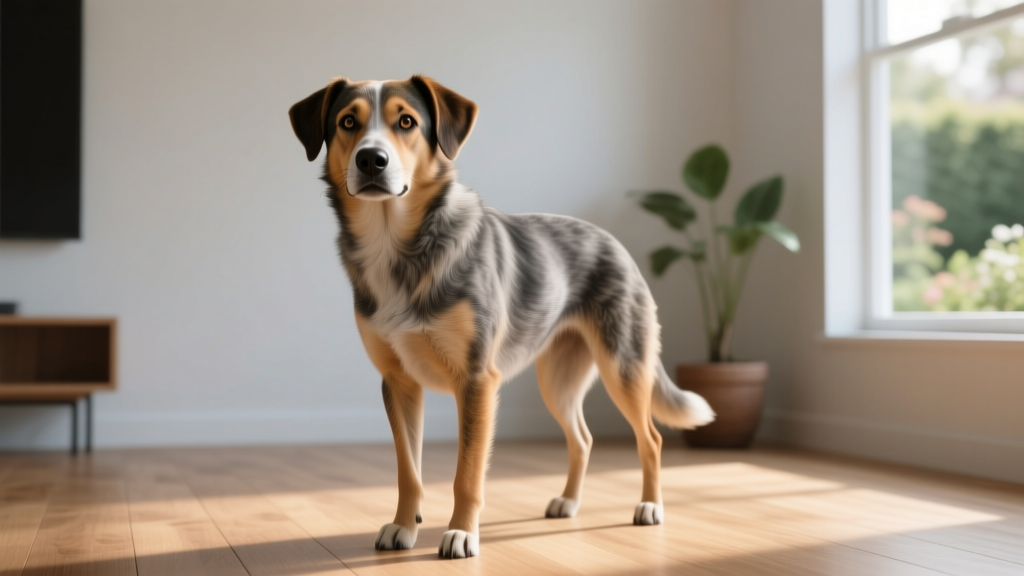
Dachshund Mixed Chihuahua (Chiweenie): Full Breed Guide
Everything about the dachshund mixed chihuahua (Chiweenie): size, temperament, coat types, health risks, cost.

What Is a Dachshund Mixed Chihuahua?
The dachshund mixed chihuahua — widely known as the Chiweenie — is a small designer cross between a purebred Dachshund and a purebred Chihuahua. First gaining popularity in North America during the late 1990s and early 2000s, this mix was developed to combine the Dachshund's bold, curious nature with the Chihuahua's compact size and devoted loyalty. Today, the Chiweenie remains one of the more popular small-breed designer crosses, particularly among apartment dwellers and older adults looking for a portable companion.
Because this is a crossbreed rather than a recognized purebred, the American Kennel Club (AKC) does not register Chiweenies. However, designer registries like the American Canine Hybrid Club (ACHC) and the Designer Breed Registry (DBR) do recognize the cross. Individual dogs can vary significantly in appearance, size, and temperament depending on which parent they favor more strongly.
Understanding Generations: F1, F1B, F2, and Multigen
F1 (First Generation): One purebred Dachshund parent × one purebred Chihuahua parent. F1 puppies show the widest trait variability — some look almost entirely Dachshund, others lean heavily Chihuahua. This is the most common generation you'll find.
F1B (First Generation Backcross): An F1 Chiweenie bred back to either a purebred Dachshund or a purebred Chihuahua. Backcrossing to a Dachshund produces a slightly longer-bodied, heavier puppy; backcrossing to a Chihuahua produces a tinier, more apple-headed result.
F2 (Second Generation): Two F1 Chiweenies bred together. Trait predictability does not improve much over F1 — you still get wide variation within a single litter.
Multigen (F3 and beyond): Multiple generations of Chiweenie-to-Chiweenie breeding. Some trait stabilization occurs, but because neither parent breed shares a recent common ancestor, true uniformity is unlikely even after several generations.
Key takeaway: Unlike Poodle-based designer breeds where F1B backcrosses are bred specifically for coat predictability, Chiweenie generations matter less for coat and more for size targeting.
Parent Breed Breakdown
Understanding the Chiweenie requires knowing both parent breeds. Each contributes distinct physical and behavioral traits, and any individual puppy may inherit any combination of these characteristics.
| Trait | Dachshund | Chihuahua |
|---|---|---|
| AKC Group | Hound | Toy |
| Weight Range | Miniature: ≤11 lb (≤5 kg) Standard: 16–32 lb (7–14.5 kg) | 2–6 lb (0.9–2.7 kg) |
| Height | 5–9 in (13–23 cm) | 5–8 in (13–20 cm) |
| Lifespan | 12–16 years | 14–18 years |
| Coat Types | Smooth, longhaired, wirehaired | Smooth (short), long |
| Energy Level | Moderate — needs 30–60 min/day | Moderate — needs 20–40 min/day |
| Barking Tendency | High (bred to alert/bay) | High (alert watchdog) |
| Original Purpose | Badger and burrow hunting | Companion (ancient Toltec/Mexican) |
| Key Temperament | Bold, curious, stubborn, tenacious | Loyal, alert, sassy, velcro-bonding |
Most Chiweenie breeders use a Miniature Dachshund rather than a Standard to keep the offspring in a manageable small-dog size range. This is an important detail to confirm with any breeder, as a Standard Dachshund × Chihuahua pairing produces a noticeably larger dog and carries a higher risk of whelping complications due to size mismatch.
Size, Weight, and Physical Appearance
Because both parent breeds are small, the Chiweenie stays firmly in the small-dog category. However, the range within that category is wider than many prospective owners expect.
| Measurement | Low End | Typical Range | High End |
|---|---|---|---|
| Weight | 5 lb (2.3 kg) | 8–15 lb (3.6–6.8 kg) | 20 lb (9 kg) |
| Height at Shoulder | 5 in (13 cm) | 7–10 in (18–25 cm) | 12 in (30 cm) |
| Body Length | Moderate | Elongated (Dachshund-dominant) | Compact (Chihuahua-dominant) |
Physical features that vary between individual puppies in the same litter include:
- Head shape: Apple-domed (Chihuahua) vs. narrower and more elongated (Dachshund)
- Ears: Large, upright "bat ears" (Chihuahua) vs. medium, folded/dropped ears (Dachshund) — many Chiweenies end up with semi-erect ears that fold at the tips
- Leg length: Very short (Dachshund-dominant) vs. proportionally longer (Chihuahua-dominant). The Dachshund's chondrodysplasia gene (responsible for short limbs) is dominant, so most Chiweenies show at least some leg shortening
- Muzzle: Short and slightly pushed-in vs. longer and more pointed
- Tail: Long and slightly curved (both parents) — rarely a distinguishing factor
Coat Types and Grooming Requirements
Coat inheritance in the Chiweenie depends entirely on which coat-type genes each parent carries. The Dachshund parent's coat variety makes this one of the more unpredictable aspects of the mix.
| Coat Type | Appearance | Shedding Level | Grooming Frequency | Inherited From |
|---|---|---|---|---|
| Smooth/Short | Sleek, close-lying, glossy | Moderate year-round | Weekly brush with rubber curry | Either smooth Dachshund or smooth Chihuahua |
| Long/Silky | Flowing, feathered ears/legs/tail | Moderate to heavy | Brush 3–4× per week; professional trim every 8–10 weeks | Longhaired Dachshund or long-coat Chihuahua |
| Wirehaired | Coarse, wiry outer coat with softer undercoat; may have facial "furnishings" | Low to moderate | Hand-stripping or clipping every 6–8 weeks; weekly comb | Wirehaired Dachshund only |
Is the Chiweenie hypoallergenic or low-shedding? No. Neither parent breed is hypoallergenic. Smooth-coated Chiweenies shed moderately year-round, long-coated varieties shed more noticeably during seasonal changes, and wirehaired individuals shed the least but require the most hands-on coat maintenance. If you have dog allergies, a Chiweenie is not a safe choice — spend time with both parent breeds before committing.
Practical Grooming Routine
Regardless of coat type, plan for:
- Nail trims: Every 2–3 weeks (small dogs' nails grow fast and curl into pads if neglected)
- Ear cleaning: Weekly for floppy-eared individuals; every 2 weeks for erect ears
- Dental care: Daily toothbrushing with enzymatic canine toothpaste — both parent breeds are prone to dental disease, and the Chiweenie inherits this risk heavily. Budget for professional dental cleanings under anesthesia every 1–2 years ($300–$800 per session)
- Bathing: Every 4–6 weeks with a gentle, dog-formulated shampoo
Temperament: What to Expect (and What Might Surprise You)
The Chiweenie's temperament is where the mix truly shows its variability. Both parent breeds are known for big-dog personalities in small packages, but they express that boldness differently.
Best-Case Temperament Profile
A well-socialized Chiweenie from stable parent lines is affectionate, playful, and deeply bonded to its primary person. These dogs tend to be:
- Alert and responsive — they notice everything happening in their environment
- Funny and entertaining — the Dachshund's digging/burrowing instincts combined with the Chihuahua's dramatic reactions make for an expressive companion
- Portable and adaptable — comfortable in apartments, RVs, and travel carriers
- Loyal without being clingy (if independence is encouraged early)
Challenging Temperament Scenarios
Some Chiweenies present real behavioral challenges that owners should be prepared for:
- Excessive barking: Both breeds are vocal. A Chiweenie may bark at doorbells, passing dogs, leaves blowing, and sounds you can't even hear. Without consistent training, this becomes a neighborhood problem.
- Resource guarding: The Dachshund's tenacity and the Chihuahua's possessiveness can combine into food/toy guarding behavior. This requires early counter-conditioning work.
- Stubbornness in training: Dachshunds were bred to make independent decisions underground (hunting badgers alone). This translates to a dog that questions why it should obey your recall when there's an interesting smell. Patience and high-value treats are essential.
- Small-dog aggression or fearfulness: Under-socialized Chiweenies may snap at larger dogs, strangers, or children. Early, positive exposure to varied people, surfaces, sounds, and other dogs between 8 and 16 weeks is critical.
- Separation anxiety: The Chihuahua's intense bonding tendency can produce a dog that panics when left alone. Crate training and gradual alone-time building from puppyhood help prevent this.
Training note: Use only positive reinforcement methods — treats, praise, play rewards, and clicker training. Force-free, LIMA (Least Intrusive, Minimally Aversive) approaches work best for sensitive small breeds. Never use shock collars, prong collars, or physical corrections on a Chiweenie; their small trachea and sensitive temperament make aversive methods both harmful and counterproductive.
Health Considerations: Inherited Risks From Both Parents
The concept of hybrid vigor (heterosis) suggests that crossbred dogs may have reduced risk of certain recessive genetic diseases because the two parent breeds are unlikely to carry the same mutations. However, hybrid vigor does not eliminate all health issues — it primarily helps with conditions caused by inbreeding within a single breed. A Chiweenie can still inherit any structural or genetic condition present in either parent breed.
| Health Condition | Inherited From | What to Watch For | Prevention/Management |
|---|---|---|---|
| Intervertebral Disc Disease (IVDD) | Dachshund (high prevalence — estimated 1 in 4 Dachshunds affected) | Back pain, reluctance to jump, dragging hind legs, sudden paralysis | Ramps instead of stairs/jumping; harness-only (no neck collars); weight management; consult your veterinarian immediately if symptoms appear |
| Patellar Luxation | Both breeds (common in toy/small breeds) | Skipping gait, occasional "locking" of kneecap, intermittent lameness | Maintain lean body condition; avoid repetitive high-impact jumping; surgical correction in Grade III–IV cases ($1,500–$3,500 per knee) |
| Dental Disease | Both breeds (small mouths crowd teeth) | Bad breath, red/swollen gums, loose teeth, difficulty eating | Daily brushing; VOHC-approved dental chews; professional cleanings every 1–2 years |
| Tracheal Collapse | Chihuahua (common in toy breeds) | Honking cough, exercise intolerance, breathing difficulty when excited | Harness-only walking; weight control; avoid smoke/irritants; medical or surgical management in severe cases |
| Hypoglycemia | Chihuahua (especially in puppies under 6 months) | Weakness, trembling, disorientation, seizures in severe cases | Feed small meals 3–4× daily for puppies; keep Nutri-Cal or corn syrup on hand for emergencies |
| Eye Conditions (PRA, cataracts) | Both breeds | Cloudy eyes, bumping into furniture, night blindness | Annual veterinary ophthalmologic exam; genetic testing of parent dogs |
Emergency red flags — seek veterinary care immediately if your Chiweenie shows:
- Sudden inability to use hind legs (possible IVDD disc rupture — time-sensitive; surgery within 24–48 hours improves prognosis significantly)
- Labored breathing or persistent honking cough
- Seizures or collapse
- Distended, painful abdomen (possible bloat, though rare in small breeds)
Recommended Health Screening
Responsible Chiweenie breeders should provide health clearances for both parent dogs. Ask for:
- Dachshund parent: OFA or PennHIP hip evaluation, OFA patella evaluation, veterinary ophthalmologist eye exam, and DNA test for Lafora disease (miniature wirehaired lines)
- Chihuahua parent: OFA patella evaluation, cardiac exam, veterinary ophthalmologist eye exam
According to the Merck Veterinary Manual, proactive screening of parent dogs is the single most effective way to reduce inherited disease risk in any crossbreed.
Cost and Where to Find a Chiweenie
Chiweenie pricing varies significantly based on breeder reputation, location, parent breed quality, and generation.
| Source | Price Range | What's Included |
|---|---|---|
| Reputable Breeder | $800–$2,000 | Health-tested parents, first vaccinations, deworming, microchip, health guarantee (1–2 years), take-back clause, early socialization program |
| Backyard Breeder / Online Listing | $300–$800 | Variable — often no health testing, minimal vet care, no contract protections. Higher risk of inherited health problems and behavioral issues. |
| Rescue / Shelter | $50–$400 | Spay/neuter, vaccinations, microchip, basic behavioral assessment. Chiweenies appear in small-breed rescues and general shelters regularly — check Petfinder and breed-specific rescue networks. |
First-Year Budget Estimate
Beyond the purchase price, plan for these first-year costs:
- Veterinary care (initial exam, puppy vaccine series, spay/neuter, fecal tests): $400–$900
- Food (high-quality small-breed kibble, ~½ cup/day): $180–$360/year
- Preventive medications (heartworm, flea/tick): $150–$300/year
- Gear (harness, crate, bed, leash, bowls, ramp): $150–$350
- Pet insurance (small breed, accident + illness): $25–$50/month ($300–$600/year)
- Grooming (if long- or wirehaired): $200–$500/year
Realistic first-year total: $1,700–$4,500 depending on source and coat type.
Is the Chiweenie Right for You?
This mix thrives in specific living situations and can struggle in others. Here's a practical fit assessment:
Best Suited For:
- Apartment and condo dwellers — small size and moderate exercise needs make them excellent urban dogs, provided barking is managed
- Adults and seniors — their lap-dog tendencies and portable size are ideal for less active households
- Single-person or couple households — Chiweenies often bond intensely to one person and can be less tolerant of chaotic environments
- Experienced small-dog owners — the combination of stubbornness, sensitivity, and potential guarding behavior makes this a less ideal first-dog choice
- Travelers — their small size fits under airplane seats and in travel carriers easily
Think Twice If:
- You have young children (under 8): Chiweenies are fragile — a 10-lb dog can be seriously injured by a toddler's fall or grab. Many Chiweenies also react defensively to unpredictable handling.
- You work long hours away from home: Separation anxiety risk is real in this mix. If you're gone 8+ hours daily, consider a dog walker, daycare, or a more independent breed.
- You want an off-leash hiking companion: The Dachshund's prey drive means many Chiweenies will chase small animals and ignore recalls in unsecured areas.
- You need a quiet dog: This mix is genetically wired to bark. You can train quieter behavior, but you cannot eliminate the instinct entirely.
Feeding and Exercise Requirements
Nutrition
Feed a small-breed-formulated diet that meets AAFCO nutritional adequacy standards for your dog's life stage. Chiweenies typically eat:
- Puppies (2–12 months): ¼–½ cup divided into 3–4 meals daily (small-breed puppy formula)
- Adults (1–7 years): ¼–¾ cup divided into 2 meals daily (small-breed adult formula, ~350–450 calories/day for a 10-lb dog)
- Seniors (7+ years): Adjust calories downward as activity decreases; consider joint-support formulas with glucosamine
Weight management is critical — even 1–2 extra pounds on a 10-lb Chiweenie puts dangerous stress on the spine and joints, directly increasing IVDD and patellar luxation risk.
Exercise
Plan for 30–45 minutes of daily activity, broken into:
- Two leash walks of 15–20 minutes each
- Indoor play sessions (fetch, tug, puzzle toys)
- Scent work and snuffle mats (engages the Dachshund's hound nose)
Avoid activities that stress the spine: no repeated jumping on/off furniture (use ramps), no rough wrestling with larger dogs, and no agility jumps until growth plates close (around 12–14 months).
Frequently Asked Questions
What two breeds make up the Chiweenie?
The Chiweenie is a cross between a Dachshund (typically Miniature) and a Chihuahua. Both are AKC-recognized purebreds — the Dachshund in the Hound group and the Chihuahua in the Toy group.
How big will my dachshund mixed chihuahua get?
Most adult Chiweenies weigh between 8 and 15 lb (3.6–6.8 kg) and stand 7–10 inches (18–25 cm) at the shoulder. However, individuals can range from as small as 5 lb to as large as 20 lb depending on which parent they favor and whether a Miniature or Standard Dachshund was used in the breeding.
Are Chiweenies good with cats and other dogs?
With proper early socialization, many Chiweenies coexist peacefully with household cats and other dogs. However, the Dachshund's prey drive means some individuals will chase cats or small animals. Introductions should be gradual and supervised. Same-sex aggression can occur, particularly between intact males.
How long do Chiweenies live?
The typical lifespan is 12–16 years, with some individuals reaching 18 years. Both parent breeds are known for longevity. The most impactful factors within your control are weight management, dental care, and prompt veterinary attention for back or knee issues.
Do Chiweenies need coats in winter?
Yes — smooth-coated Chiweenies with single-layer coats lose body heat quickly in temperatures below 45°F (7°C). A fitted dog sweater or insulated jacket is practical, not cosmetic, for cold-weather walks. Long-coated and wirehaired individuals may tolerate cold slightly better but still benefit from protection in freezing conditions.
Can I leave a Chiweenie alone during the workday?
Adults can typically handle 4–6 hours alone if properly crate-trained and exercised beforehand. Beyond that, separation anxiety behaviors (destructive chewing, excessive barking, house soiling) become likely. Puppies under 6 months should not be left alone for more than 2–3 hours.
This article provides general guidance. For personalized health, nutrition, or behavioral advice about your dog, consult your veterinarian or a certified professional dog trainer (CPDT-KA).
Dr. Hannah Wickes
All our authors care for dogs every day — read more of their work on the authors page.