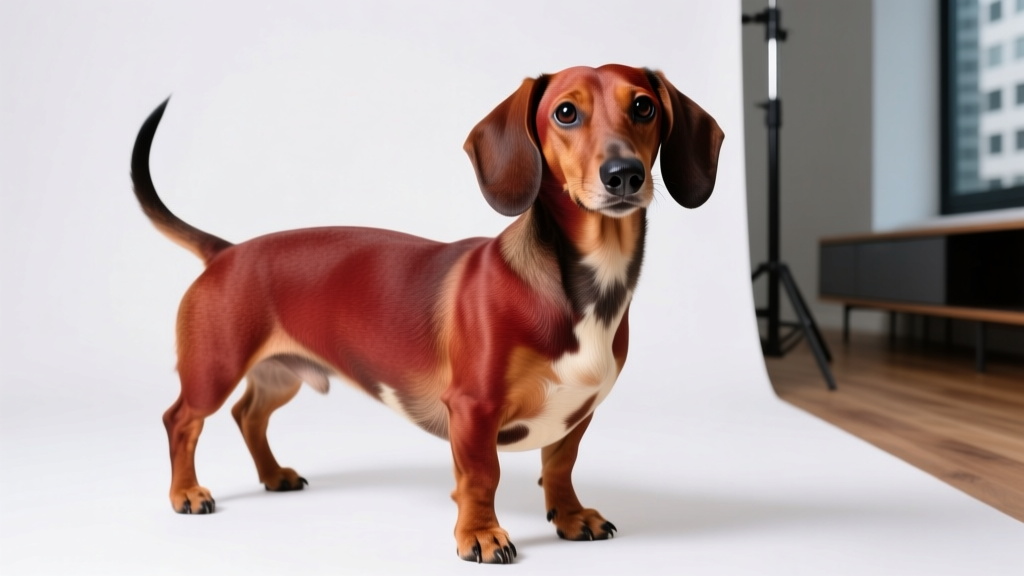
Cavalier King Charles Chihuahua Mix
Everything about the Cavalier King Charles Chihuahua mix — size, temperament, health risks, grooming, cost.

The Cavalier King Charles Chihuahua mix — sometimes called the "Chiavalier" or "Chilier" — blends one of the most affectionate toy breeds in the world with the bold, compact Chihuahua. The result is a small companion dog that typically weighs between 6 and 18 pounds and stands 8 to 13 inches tall at the shoulder. But because this is a crossbreed rather than a standardized breed, individual puppies can vary dramatically in appearance, temperament, and health risk.
This guide breaks down exactly what prospective owners should expect, including the genetic realities that marketing materials often gloss over. If you're researching whether a Cavalier King Charles Chihuahua mix fits your household, here's the full picture.
Parent Breed Breakdown: Cavalier King Charles Spaniel Meets Chihuahua
Understanding any designer cross starts with the parent breeds. Each contributes a distinct set of traits, and the puppy's outcome depends heavily on which parent's genes dominate in specific areas.
| Trait | Cavalier King Charles Spaniel | Chihuahua |
|---|---|---|
| AKC Group | Toy | Toy |
| Weight Range | 13–18 lb (5.9–8.2 kg) | 2–6 lb (0.9–2.7 kg) |
| Height | 12–13 in (30–33 cm) | 5–8 in (13–20 cm) |
| Lifespan | 12–15 years | 14–16 years |
| Coat Type | Silky, medium-length, moderate shedding | Smooth or long; low to moderate shedding |
| Energy Level | Moderate; enjoys walks and lap time | Alert and spunky; moderate exercise needs |
| Temperament | Gentle, affectionate, eager to please | Bold, loyal, sometimes wary of strangers |
| Key Health Risks | Mitral valve disease, syringomyelia, hip dysplasia | Patellar luxation, dental disease, tracheal collapse |
| Trainability | High; responds well to positive reinforcement | Moderate; can be willful but food-motivated |
The AKC's Cavalier King Charles Spaniel standard describes a dog bred for centuries as a companion — they thrive on human contact and tend to follow their owners from room to room. The Chihuahua, by contrast, traces its roots to ancient Mexico and carries a more independent streak. A Chiavalier may land anywhere on this spectrum.
How Big Will a Cavalier King Charles Chihuahua Mix Get?
Size prediction is one of the most common questions for this mix, and the honest answer is: there's a wide range. Because the Cavalier is roughly two to three times heavier than the Chihuahua, the genetic tug-of-war produces noticeable variability.
| Category | Weight | Height at Shoulder |
|---|---|---|
| Small end (Chihuahua-dominant) | 6–10 lb (2.7–4.5 kg) | 8–10 in (20–25 cm) |
| Average | 10–14 lb (4.5–6.4 kg) | 10–12 in (25–30 cm) |
| Large end (Cavalier-dominant) | 14–18 lb (6.4–8.2 kg) | 12–13 in (30–33 cm) |
First-generation (F1) puppies from a Cavalier mother and Chihuahua father tend to skew slightly larger, partly because maternal uterine environment influences fetal growth. Backcrossing to the Chihuahua (F1B) typically produces smaller dogs. If size matters for your living situation — apartment weight limits or airline cabin travel, for instance — ask the breeder for the exact weights of both parents and previous litters.
Coat Types, Shedding, and the Hypoallergenic Question
Neither parent breed is hypoallergenic. The Cavalier has a silky, feathered coat that sheds moderately year-round. The Chihuahua comes in two varieties — smooth coat (short, sleek hair) and long coat (soft, slightly wavy). The mix can inherit any combination:
- Short and smooth — inherited primarily from a smooth-coat Chihuahua parent. Easiest to maintain; moderate shedding.
- Medium-length and silky — a blend of Cavalier feathering with Chihuahua texture. Requires brushing 2–3 times per week; moderate to high shedding.
- Long with feathering — possible if both parents carry long-coat genes. Daily brushing recommended to prevent mats behind ears and on legs.
Is this mix hypoallergenic or low-shedding? No. Neither parent breed carries the non-shedding coat gene found in Poodles or Bichon Frises. If allergies are a concern, this cross is not an ideal choice. All dogs produce the Can f 1 allergen protein in their saliva and dander regardless of coat length, so "low-shedding" does not equal "hypoallergenic."
Temperament: What to Expect (and What Can Vary)
Temperament is where this mix shows the most individual variation. Here's the realistic range based on what the parent breeds contribute:
Best-Case Temperament Scenario
The dog inherits the Cavalier's gentle sociability and the Chihuahua's alertness without excessive wariness. Result: an affectionate, playful companion who greets visitors warmly, bonds closely with family, tolerates children (with supervision), and adapts to apartment living. Enjoys 20–40 minutes of daily exercise and is equally content cuddling on the couch.
Challenging Temperament Scenario
The dog inherits Chihuahua wariness and Cavalier sensitivity without the Cavalier's easygoing nature. Result: a dog who bonds intensely with one person, barks at strangers and noises, shows resource guarding tendencies, and struggles with separation anxiety. May not tolerate young children or unfamiliar dogs. Requires structured socialization from 8–16 weeks and ongoing positive reinforcement training.
Early socialization is the single biggest factor you control. Expose puppies to 30+ different people, surfaces, sounds, and environments between 8 and 14 weeks of age. Use only positive reinforcement methods — treats, praise, and play — never punishment-based techniques, which increase fear responses in small breeds.
Generations Explained: F1, F1B, F2, and Multigen
Generation Terminology
- F1 (First Generation): One purebred Cavalier × one purebred Chihuahua. Maximum genetic diversity; most variation in appearance and traits between littermates.
- F1B (First-Generation Backcross): An F1 Chiavalier bred back to one parent breed — usually the Cavalier for a slightly larger, more even-tempered dog, or the Chihuahua for a smaller one.
- F2 (Second Generation): Two F1 Chiavaliers bred together. Produces the widest trait variation; puppies in the same litter can look and behave very differently.
- Multigen (F3+): Multiple generations of Chiavalier-to-Chiavalier breeding. Traits become somewhat more consistent, but this cross is rare enough that true multigen lines are uncommon.
Most Cavalier King Charles Chihuahua mixes available are F1 crosses, since neither breed registry (AKC, UKC) recognizes this designer blend and dedicated multigen breeding programs are rare. If a breeder claims multigen consistency, ask for documentation of at least three generations of planned Chiavalier-to-Chiavalier pairings.
Health Considerations: Hybrid Vigor Myth vs. Reality
A common marketing claim is that mixed-breed dogs are automatically healthier due to "hybrid vigor" (heterosis). The reality is more nuanced. While crossing two unrelated gene pools can reduce the risk of recessive inherited conditions that are common in one breed, it does not eliminate dominant or polygenic conditions that both breeds share. A 2013 study published in the Journal of the American Veterinary Medical Association analyzing over 27,000 dogs found that mixed breeds had lower rates of some inherited disorders but similar or higher rates of others compared to purebreds.
Here's what this specific cross may inherit from each parent:
| Condition | Inherited From | Prevalence in Parent Breed | Screening Recommendation |
|---|---|---|---|
| Mitral Valve Disease (MVD) | Cavalier | ~50% of Cavaliers show murmurs by age 5; nearly all by age 10 | Annual cardiac auscultation starting at age 2; echocardiogram if murmur detected |
| Syringomyelia (SM) | Cavalier | Estimated 30–70% of Cavaliers have asymptomatic SM | MRI if neurological symptoms appear (scratching at neck, yelping, sensitivity to touch) |
| Patellar Luxation | Both (common in toy breeds) | ~7% of Chihuahuas; ~5% of Cavaliers | Orthopedic exam at each vet visit; OFA patella evaluation for breeding stock |
| Tracheal Collapse | Chihuahua (primarily) | Common in toy breeds; worsens with obesity | Use a harness instead of a neck collar; monitor for honking cough |
| Dental Disease | Both | Extremely common in dogs under 20 lb | Daily tooth brushing; professional dental cleaning every 1–2 years |
| Hip Dysplasia | Cavalier | ~10–12% of Cavaliers per OFA data | OFA or PennHIP evaluation for breeding parents |
Ask any breeder for: OFA (Orthopedic Foundation for Animals) cardiac clearance for the Cavalier parent, OFA patella evaluations for both parents, and proof of a recent veterinary health exam. Responsible breeders will provide these without being asked. If a breeder cannot or will not share health test results, walk away.
Always consult your veterinarian about a screening schedule tailored to your individual dog's age, size, and parentage. Early detection of MVD in particular can extend quality of life significantly with medications like pimobendan when started at the appropriate stage.
Grooming, Exercise, and Daily Care
Care requirements depend on which coat type the dog inherits:
| Coat Type | Brushing Frequency | Bathing | Professional Grooming | Special Attention Areas |
|---|---|---|---|---|
| Short/smooth | Once weekly with rubber curry brush | Every 4–6 weeks or as needed | Not typically required | Nails, ears, teeth |
| Medium/silky | 2–3× per week with pin brush | Every 3–4 weeks | Optional trim every 8–10 weeks | Ear feathering, behind ears, leg feathering |
| Long/feathered | Daily with slicker brush + comb | Every 2–3 weeks | Recommended every 6–8 weeks | Full-body mat prevention, ear canal hair |
Exercise needs: Plan for 20–40 minutes of daily activity, split into two walks of 10–20 minutes each plus indoor play. This mix is not a high-energy working dog, but insufficient exercise leads to weight gain, which accelerates joint problems and cardiac strain — especially dangerous given the Cavalier's MVD predisposition.
Dental care is non-negotiable. Toy breeds are disproportionately affected by periodontal disease. By age three, an estimated 80% of small-breed dogs show signs of dental disease. Brush daily with an enzymatic dog toothpaste (never human toothpaste — fluoride and xylitol are toxic to dogs). Budget $300–$800 per professional dental cleaning, typically needed every 12–24 months.
Cost: Purchase Price, Annual Expenses, and Where to Find One
Because the Cavalier King Charles Chihuahua mix is not a widely established designer breed, pricing varies considerably:
| Category | Low | Average | High |
|---|---|---|---|
| Puppy purchase price (from breeder) | $400 | $800–$1,500 | $2,500+ |
| Adoption/rescue fee | $100 | $250–$400 | $500 |
| First-year veterinary costs (vaccines, spay/neuter, microchip) | $500 | $800–$1,200 | $1,800 |
| Annual ongoing costs (food, preventive meds, vet visits, grooming) | $1,200 | $1,800–$2,500 | $3,500+ |
| Emergency fund recommendation | $1,000–$3,000 set aside; or pet insurance at $25–$55/month | ||
Breeder vs. Rescue: Dedicated Chiavalier breeders are uncommon. You're more likely to find this mix through small-breed rescue organizations, general shelter intake, or breeders who occasionally cross these two breeds alongside other toy mixes. Check Petfinder.com and filter by "Chihuahua mix" or "Cavalier mix" — crossbreed dogs are often listed under one parent breed. Cavalier-specific rescues like the Cavalier Rescue Trust also occasionally take in mixes.
If purchasing from a breeder, expect to pay more for documented health testing of both parents. A $500 puppy from untested parents carries substantially higher long-term veterinary risk than a $1,500 puppy from OFA-cleared lines. Factor in potential MVD treatment costs, which can exceed $5,000 over the dog's lifetime if the condition develops early.
Who This Mix Suits Best
The Cavalier King Charles Chihuahua mix is best matched to specific lifestyles:
- Ideal for: Adults or couples in apartments or small homes; retirees seeking a companion dog; households without very young children (the small frame is fragile); owners who work from home or can arrange midday companionship (separation anxiety risk is moderate to high).
- Proceed with caution: Families with toddlers or preschoolers — a 8-pound dog can be seriously injured by a child who picks them up incorrectly or drops them. First-time owners should invest in a puppy socialization class (typically $150–$300 for a 6-week course) to prevent fear-based behaviors.
- Not ideal for: Households where the dog will be left alone 8+ hours daily; owners seeking an outdoor adventure or working dog; people with severe dog allergies.
This cross thrives when treated as a true companion — involved in daily life, given consistent routines, and trained with patience. Their small size makes them portable and travel-friendly, but their emotional needs are significant. Plan for a dog that wants to be with you, not just near you.
Frequently Asked Questions
What two breeds make up the Cavalier King Charles Chihuahua mix?
This mix is a cross between a purebred Cavalier King Charles Spaniel and a purebred Chihuahua. Either breed can be the mother or father, though Cavalier mothers are more common because a Chihuahua mother carrying Cavalier-sized puppies poses serious whelping risks.
How big will a Cavalier King Charles Chihuahua mix get?
Most adults fall between 6 and 18 pounds (2.7–8.2 kg) and 8 to 13 inches (20–33 cm) tall at the shoulder. The average is around 10–14 pounds. Exact size depends on which parent's genes dominate and the generation of the cross.
What will the temperament be like?
Expect a range from gentle and sociable (Cavalier-dominant) to alert and one-person-loyal (Chihuahua-dominant). Most individuals fall somewhere in between — affectionate with family, polite with strangers after proper socialization, and moderately playful. Separation anxiety and excessive barking are the most common behavioral challenges.
Is this mix hypoallergenic or low-shedding?
No. Neither the Cavalier nor the Chihuahua carries non-shedding coat genes. Shedding ranges from moderate to high depending on coat type. This mix is not suitable for people with dog allergies.
What health issues might this mix inherit?
The most significant concern is mitral valve disease from the Cavalier side, which affects roughly half of all Cavaliers by age five. Other risks include patellar luxation, dental disease, syringomyelia, tracheal collapse, and hip dysplasia. Health testing of both parents reduces — but does not eliminate — these risks.
How much does a Cavalier King Charles Chihuahua mix cost?
Puppies from breeders typically range from $400 to $2,500, with most falling between $800 and $1,500. Adoption fees range from $100 to $500. Budget an additional $800–$1,200 for first-year veterinary costs and $1,200–$2,500 annually for ongoing care.
Are Cavalier King Charles Chihuahua mixes good with children?
They can be gentle and tolerant, but their small size (often under 12 pounds) makes them fragile. They're best suited to families with children aged 8+ who understand how to handle small dogs gently. Always supervise interactions between any dog and young children.
How long do Cavalier King Charles Chihuahua mixes live?
Typical lifespan is 12–16 years. Chihuahuas are among the longest-lived breeds (14–16 years), while Cavaliers average 12–15 years. The mix often lands in the 13–15 year range, though MVD can shorten lifespan if it develops early and progresses rapidly.
Aaron Whyte
All our authors care for dogs every day — read more of their work on the authors page.