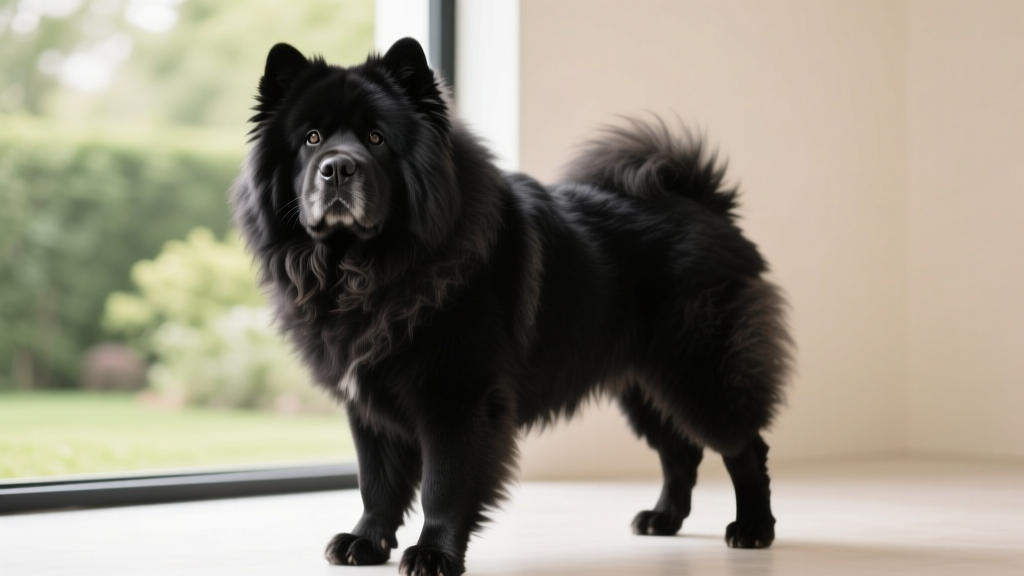
12 Cute Hypoallergenic Dogs Ranked by
Discover 12 cute hypoallergenic dogs ranked by shedding level, size, energy, and cost.

What Makes a Dog Truly Hypoallergenic?
Let's clear up a common misconception right away: no dog breed is 100% hypoallergenic. The term "hypoallergenic" means a breed is less likely to trigger allergic reactions — not that it's allergy-proof. According to the American Kennel Club, allergic reactions in humans are primarily caused by proteins found in a dog's dander (dead skin flakes), saliva, and urine — not the fur itself. However, breeds that shed less tend to spread fewer allergens around your home, which is why low-shedding coats are the primary criterion for hypoallergenic classification.
For this guide, we've selected breeds that combine genuinely low-allergen coats with the kind of looks and personality that make people fall in love. These aren't just tolerable dogs for allergy sufferers — they're dogs you'll actively adore.
Every breed on this list was evaluated against five factors:
- Shedding level: Must score low (1-2 out of 5) on the AKC shedding scale. Breeds with hair rather than fur, or single coats without an undercoat, were prioritized.
- Dander production: Breeds known for producing less airborne dander based on veterinary dermatology literature.
- Size-appropriate allergen load: Smaller dogs naturally produce less total dander and saliva, reducing overall allergen exposure.
- Companion temperament: Must be suitable as a household companion — friendly, trainable, and adaptable.
- Grooming feasibility: Low-shedding coats require regular grooming. We prioritized breeds whose coat care is manageable for average owners (professional grooming every 4-8 weeks, not daily hour-long sessions).
12 Cute Hypoallergenic Dogs: Ranked by Allergy-Friendliness
We've organized these breeds from most to least allergy-friendly, factoring in coat type, typical size, dander output, and real-world reports from allergy sufferers. Each entry includes practical details you won't find in generic breed lists.
1. Bichon Frise
Size class: Small (12-18 lb / 5.4-8.2 kg) | Coat: Curly double coat, hair-type | Shedding: Minimal
The Bichon's powder-puff curls trap dander close to the skin rather than releasing it into the air, making this one of the most allergy-tolerable breeds in existence. Their cheerful, velcro-dog personality means they'll follow you room to room — but without the sneezing fits that accompany most small companion breeds. Expect professional grooming every 4-6 weeks at $50-$75 per session to keep that iconic rounded look.
Why it made the list: Exceptionally low airborne dander due to tight curl pattern. One of the breeds most frequently recommended by veterinary dermatologists for allergy households.
2. Poodle (Toy, Miniature, and Standard)
Size class: Toy: 4-6 lb (1.8-2.7 kg) | Miniature: 10-15 lb (4.5-6.8 kg) | Standard: 40-70 lb (18-32 kg) | Coat: Dense curly hair | Shedding: Minimal
Poodles are the gold standard (pun intended) for hypoallergenic dogs. Their single-layer curly coat grows continuously like human hair and sheds almost nothing. The breed's intelligence ranks second only to Border Collies, making them highly trainable with positive reinforcement methods. Toy and Miniature Poodles produce proportionally less total allergen simply due to smaller body mass. Standards offer a larger option for families wanting a sturdier playmate for children.
Why it made the list: Three size options mean there's a Poodle for every living situation. The breed's predictable coat and minimal dander output make it the most common foundation breed for hypoallergenic designer crosses.
3. Maltese
Size class: Toy (4-7 lb / 1.8-3.2 kg) | Coat: Long, straight, silky hair | Shedding: Minimal
Underneath that flowing white coat is one of the lowest-allergen dogs you'll find. The Maltese has hair, not fur, and lacks an undercoat entirely. Their tiny size means less total body surface producing dander. Many allergy sufferers who react to larger "hypoallergenic" breeds tolerate Maltese well. The tradeoff: that floor-length show coat requires daily brushing. Most pet owners opt for a "puppy cut" (1-2 inches) maintained with brushing twice weekly and professional trims every 6-8 weeks ($45-$65).
Why it made the list: Among the smallest breeds available, producing minimal total allergen load. Hair-type coat with no undercoat.
4. Yorkshire Terrier
Size class: Toy (4-7 lb / 1.8-3.2 kg) | Coat: Long, fine, straight hair | Shedding: Minimal
Yorkies have a coat structure remarkably similar to human hair — fine, single-layered, and virtually non-shedding. Their small size keeps allergen output low. Despite their glamorous appearance, Yorkies are feisty, confident terriers at heart. They bond intensely with their people and make excellent apartment dogs. Keep in mind: their long coat tangles easily, so a shorter sport clip is practical for busy households. Professional grooming runs $45-$60 every 6-8 weeks.
Why it made the list: Hair-type coat with negligible shedding. Tiny body mass means very low total dander production.
5. Shih Tzu
Size class: Small (9-16 lb / 4.1-7.3 kg) | Coat: Long, flowing double coat (hair-type) | Shedding: Low
The Shih Tzu's luxurious double coat is technically hair rather than fur, and it sheds far less than most double-coated breeds. What makes them particularly suitable for allergy households is their low-activity indoor lifestyle — less running around means less agitation of airborne particles. They're famously affectionate lap dogs, originally bred as companions for Chinese royalty. A practical pet clip keeps grooming manageable: brush 2-3 times per week, professional trim every 6-8 weeks ($50-$70).
Why it made the list: Low-shedding double coat with hair-type fibers. Calm indoor nature reduces allergen dispersal through activity.
6. Havanese
Size class: Small (7-13 lb / 3.2-5.9 kg) | Coat: Long, wavy, silky double coat | Shedding: Low
Cuba's national dog has a uniquely silky coat texture that resists matting better than many long-haired breeds and sheds minimally. Havanese are notably social and adaptable — they thrive in apartments, houses, and everywhere in between. Their moderate energy level means they get their zoomies out without constantly stirring up household allergens. Brush every 2-3 days with a slicker brush; professional grooming every 6-8 weeks at $50-$65.
Why it made the list: Silky coat texture traps loose hair rather than releasing it. Small size and moderate activity reduce overall allergen spread.
7. Soft Coated Wheaten Terrier
Size class: Medium (30-40 lb / 13.6-18.1 kg) | Coat: Soft, wavy, hair-type | Shedding: Low
If you want a larger hypoallergenic dog with genuine terrier personality, the Wheaten is a standout. Their distinctive "peek-a-boo" hairstyle and soft, silky coat (more like angora goat hair than typical terrier wire) sheds very little. Wheatens are exuberant, friendly, and notoriously good with children. They need 45-60 minutes of daily exercise. Coat care involves brushing 2-3 times weekly and professional grooming every 6-8 weeks ($55-$80 for their larger size).
Why it made the list: One of the few medium-sized breeds with a reliably low-shedding coat. Fills the gap for families wanting a sturdier dog than toy breeds offer.
8. Portuguese Water Dog
Size class: Medium (35-60 lb / 15.9-27.2 kg) | Coat: Curly or wavy, hair-type, waterproof | Shedding: Low
Made famous by the Obama family's choice of "Bo" for their allergy-prone daughter, the Portuguese Water Dog (PWD) has a dense, waterproof curly coat that sheds minimally. These are athletic, intelligent working dogs — expect 60-90 minutes of vigorous daily exercise. PWDs excel at swimming, agility, and obedience. Their coat can be kept in a "lion clip" (traditional) or a more practical "retriever clip" (uniform length). Professional grooming every 6-8 weeks costs $65-$90.
Why it made the list: Proven track record in allergy households (the Obama test). Athletic medium-to-large option for active families.
9. Schnauzer (Miniature, Standard, Giant)
Size class: Miniature: 11-20 lb (5-9 kg) | Standard: 30-50 lb (13.6-22.7 kg) | Giant: 55-85 lb (25-38.6 kg) | Coat: Wiry double coat | Shedding: Low
Schnauzers have a wiry topcoat over a soft undercoat, and when properly maintained (hand-stripped or clipped regularly), they shed very little. The Miniature Schnauzer is the most popular variant and suits apartment living well. All three sizes share the breed's alert, loyal, trainable temperament. Note: the wiry coat requires either hand-stripping (more expensive, $80-$120 per session) or clipping (more affordable, $50-$75) every 6-8 weeks. Clipped coats become softer over time and may shed slightly more.
Why it made the list: Three size options with a consistently low-shedding wiry coat. Alert watchdog temperament without excessive barking.
10. Coton de Tulear
Size class: Small (9-15 lb / 4.1-6.8 kg) | Coat: Long, cottony-soft, hair-type | Shedding: Low
This rare breed from Madagascar has a distinctive cotton-textured coat that's unlike any other breed. The airy, fluffy texture actually catches loose hairs, preventing them from drifting into the environment. Cotons are cheerful, clownish companions that bond closely with their families and tend to be less yappy than some toy breeds. They're still relatively uncommon in the US, so expect waitlists of 6-12 months from responsible breeders and purchase prices of $2,000-$3,500.
Why it made the list: Unique cottony coat texture traps shed hair. Rare enough to avoid overbreeding issues common in more popular hypoallergenic breeds.
11. Lagotto Romagnolo
Size class: Medium (24-35 lb / 10.9-15.9 kg) | Coat: Dense, curly, wool-like, hair-type | Shedding: Low
Italy's truffle-hunting water dog has a thick, tightly curled coat reminiscent of a Poodle but with a woollier texture. The curls trap loose hair and dander effectively. Lagotti are intelligent, focused, and less hyper than many sporting breeds — they need 45-60 minutes of daily exercise plus mental stimulation. Their curly coat requires brushing twice weekly and professional grooming every 6-8 weeks ($60-$85). Still relatively rare outside Europe, with US breeders charging $2,500-$4,000.
Why it made the list: Dense curly coat excels at trapping allergens. Medium size fills a niche between toy breeds and larger water dogs.
12. Chinese Crested (Powderpuff and Hairless)
Size class: Toy/Small (8-12 lb / 3.6-5.4 kg) | Coat: Hairless variety: minimal hair on head/tail/feet; Powderpuff: full soft coat | Shedding: Minimal to none
The Hairless Chinese Crested takes the "less hair, less allergen" principle to its logical extreme. With virtually no coat on most of the body, there's dramatically less surface area for dander accumulation. The Powderpuff variety has a full soft coat but still sheds minimally. Both varieties are affectionate, playful, and surprisingly athletic for their size. Important care note: hairless varieties need sunscreen, moisturizer, and acne care for their exposed skin — factor in $15-$30/month for skin care products.
Why it made the list: The hairless variety has the lowest possible coat-related allergen output of any breed on this list. Unique appearance appeals to owners wanting something different.
Side-by-Side Comparison: All 12 Breeds
| Breed | Weight Range | Shedding | Exercise (min/day) | Grooming Cost (per session) | Puppy Price Range |
|---|---|---|---|---|---|
| Bichon Frise | 12-18 lb / 5.4-8.2 kg | Minimal | 30-45 | $50-$75 | $1,000-$2,500 |
| Poodle (all sizes) | 4-70 lb / 1.8-32 kg | Minimal | 30-60 | $45-$90 | $1,000-$3,000 |
| Maltese | 4-7 lb / 1.8-3.2 kg | Minimal | 20-30 | $45-$65 | $1,000-$2,500 |
| Yorkshire Terrier | 4-7 lb / 1.8-3.2 kg | Minimal | 20-30 | $45-$60 | $1,200-$2,500 |
| Shih Tzu | 9-16 lb / 4.1-7.3 kg | Low | 20-30 | $50-$70 | $800-$2,000 |
| Havanese | 7-13 lb / 3.2-5.9 kg | Low | 30-45 | $50-$65 | $1,000-$2,500 |
| Soft Coated Wheaten Terrier | 30-40 lb / 13.6-18.1 kg | Low | 45-60 | $55-$80 | $1,200-$2,500 |
| Portuguese Water Dog | 35-60 lb / 15.9-27.2 kg | Low | 60-90 | $65-$90 | $2,000-$3,500 |
| Schnauzer (all sizes) | 11-85 lb / 5-38.6 kg | Low | 30-60 | $50-$120 | $800-$3,000 |
| Coton de Tulear | 9-15 lb / 4.1-6.8 kg | Low | 20-30 | $50-$65 | $2,000-$3,500 |
| Lagotto Romagnolo | 24-35 lb / 10.9-15.9 kg | Low | 45-60 | $60-$85 | $2,500-$4,000 |
| Chinese Crested | 8-12 lb / 3.6-5.4 kg | Minimal/None | 20-30 | $30-$50 | $1,000-$2,500 |
Breeds to Approach With Caution (and What to Avoid)
Honorable Mentions That Almost Made the Cut
Cockapoo / Cavapoo / Maltipoo: These popular Poodle-mix designer breeds can be wonderful low-shedding dogs, but coat type is unpredictable — even within the same litter. An F1B generation (one parent is a Poodle, the other is an F1 cross) offers the most reliable low-shedding coat. Always meet the puppy's parents and ask the breeder about coat testing. Expect to pay $1,500-$3,500 from reputable breeders who perform OFA health clearances.
Basenji: This short-coated African breed self-grooms like a cat and produces minimal odor. However, their shedding is moderate (not minimal), and their intense independence and prey drive make them poor fits for first-time owners. Best suited for experienced handlers who prioritize temperament over guaranteed hypoallergenic properties.
Afghan Hound: Despite their long, flowing coat, Afghans shed less than you'd expect — their hair grows continuously like human hair. However, grooming demands are extreme: daily brushing of 30-45 minutes and professional grooming every 4-6 weeks at $80-$120. Only realistic for owners who treat grooming as a hobby, not a chore.
Breeds to Avoid if You Have Allergies
Regardless of how adorable they are, these breeds are poor choices for allergy sufferers due to heavy shedding, dense undercoats, and high dander production:
- German Shepherd: Nicknamed the "German Shedder" for good reason — year-round heavy shedding with seasonal blowouts.
- Siberian Husky: Dense double coat sheds heavily year-round and "blows coat" twice annually in dramatic fashion.
- Golden Retriever: Beautiful coat, but sheds constantly and produces significant dander. One of the worst breeds for allergy sufferers despite their popularity.
- Labrador Retriever: Short coat is deceptive — Labs shed heavily and produce high levels of the Can f 1 allergen protein in their saliva and dander.
- Beagle: Short, dense double coat sheds more than many long-haired breeds. High dander output relative to their size.
How to Choose: A Decision Framework for Your Situation
The "best" cute hypoallergenic dog depends entirely on your living situation, activity level, budget, and allergy severity. Use this framework to narrow your top three down to a final choice.
- Mild (occasional sneezing, itchy eyes): You have flexibility. Any breed on this list is viable, including medium/large options like the Portuguese Water Dog or Standard Poodle.
- Moderate (frequent symptoms, manageable with antihistamines): Stick to small breeds with minimal-shedding ratings: Bichon Frise, Maltese, Toy/Miniature Poodle, Yorkshire Terrier.
- Severe (asthma triggers, difficulty breathing): Consult an allergist before committing. The safest bets are the Chinese Crested (Hairless), Maltese, or Toy Poodle — smallest body mass with minimal coat. Consider spending time with the specific breed before purchasing.
- Low activity (apartment, short walks): Maltese, Shih Tzu, Chinese Crested, Coton de Tulear — 20-30 minutes daily.
- Moderate activity (daily walks + play): Bichon Frise, Havanese, Miniature Schnauzer, Miniature Poodle — 30-45 minutes daily.
- High activity (running, hiking, dog sports): Portuguese Water Dog, Standard Poodle, Soft Coated Wheaten Terrier — 60-90 minutes daily.
Beyond the puppy purchase price, budget for:
- Grooming: $400-$1,200/year depending on breed size and grooming frequency (every 4-8 weeks)
- Food: $200-$600/year (toy breeds eat far less than medium breeds)
- Veterinary care: $500-$1,000/year for routine care; add $300-$700/year for pet insurance
- First-year total (typical): $3,000-$6,000 including puppy price, initial vet visits, vaccinations, spay/neuter, supplies, and grooming
- Homes with young children: Avoid toy breeds under 7 lb — fragile bones can break from rough handling. Better choices: Miniature Schnauzer, Wheaten Terrier, Standard Poodle.
- Multi-pet households: Havanese, Bichon Frise, and Poodles tend to be sociable with other dogs. Terriers (Yorkies, Wheatens, Schnauzers) may need slower introductions.
- Frequent travelers: Smaller breeds (Maltese, Shih Tzu, Toy Poodle) travel more easily and are accepted in more airline cabins and hotels.
Managing Allergens With Any Hypoallergenic Breed
Even with a low-shedding breed, proactive allergen management makes a meaningful difference. Based on Merck Veterinary Manual guidance on environmental allergen control, here are evidence-based strategies:
- HEPA air purifiers: Place one in the room where you spend the most time and one in the bedroom. Look for units rated for your room's square footage (e.g., Coway AP-1512HH for rooms up to 361 sq ft, ~$200-$250).
- Bedroom boundaries: Keep the dog out of your bedroom entirely. Eight hours of allergen-free sleep significantly reduces cumulative allergic load.
- Wash bedding weekly: Both yours and the dog's, in hot water (minimum 130°F / 54°C) to denature allergenic proteins.
- Regular bathing: Bathe your dog every 2-4 weeks with a gentle, veterinary-formulated shampoo. Bathing removes dander and saliva proteins from the coat. According to ASPCA grooming guidelines, over-bathing can dry the skin and paradoxically increase dander, so don't exceed weekly baths.
- Wipe down after outdoor time: Use a damp microfiber cloth or pet-safe grooming wipes to remove pollen and outdoor allergens from your dog's coat before they come inside.
- Hard flooring over carpet: Hardwood, tile, or vinyl flooring traps far fewer allergens than carpet. If you have carpet, vacuum with a HEPA-filter vacuum twice weekly.
Frequently Asked Questions
Are Goldendoodles really hypoallergenic?
Not reliably. Goldendoodle coat type varies dramatically depending on generation and individual genetics. An F1 Goldendoodle (50% Golden Retriever, 50% Poodle) may inherit the Retriever's shedding coat. F1B Goldendoodles (75% Poodle, 25% Retriever) are more likely to have low-shedding coats, but there's still no guarantee. If allergies are a concern, a purebred Poodle offers far more predictable coat characteristics.
Can I build immunity to my dog's allergens over time?
Some people report reduced symptoms after months of exposure to a specific dog, but this is not scientifically guaranteed. A study published in the Journal of Allergy and Clinical Immunology found that early childhood exposure to dogs can reduce allergy development, but adult-onset tolerance is less predictable. Consult an allergist for immunotherapy options (allergy shots) if you're committed to living with a dog despite moderate-to-severe allergies.
Do hypoallergenic dogs require more grooming?
Yes — it's a tradeoff. Breeds with hair-type coats (Poodles, Bichons, Maltese, Yorkies) that don't shed require regular brushing and professional grooming every 4-8 weeks to prevent painful matting. Budget $400-$1,200 annually for grooming. Breeds that shed heavily (Huskies, Shepherds) require less professional grooming but leave fur everywhere. Choose the tradeoff that fits your tolerance.
Is a smaller dog always better for allergies?
Generally, yes — smaller dogs have less total body surface producing dander and saliva, resulting in a lower overall allergen load. A 5 lb Maltese produces significantly less total allergen than a 60 lb Portuguese Water Dog, even if both have similar coat types. However, individual variation matters. Some allergy sufferers tolerate specific large breeds better than others. Spending time with a breed before committing is always wise.
What's the most affordable hypoallergenic breed?
The Miniature Schnauzer and Shih Tzu are among the most affordable, with puppy prices starting at $800-$1,200 from responsible breeders. Adoption is another excellent route — Poodle mixes and other low-shedding breeds regularly appear in rescues. Check breed-specific rescues like Northern California Poodle Rescue or Schnauzer Rescue networks. Adoption fees typically range from $200-$500 and often include spay/neuter and initial vaccinations.
Disclaimer: This article provides general breed information and is not a substitute for professional advice. If you have severe allergies, consult a board-certified allergist before bringing a dog into your home. For breed-specific health concerns, always consult your veterinarian.
Priya Sutaria
All our authors care for dogs every day — read more of their work on the authors page.