Coyote Mix Puppies: The Truth About Coydog Ownership & Care
Everything you need to know about coyote mix puppies (coydogs): temperament variability, size ranges, health risks, legal concerns.
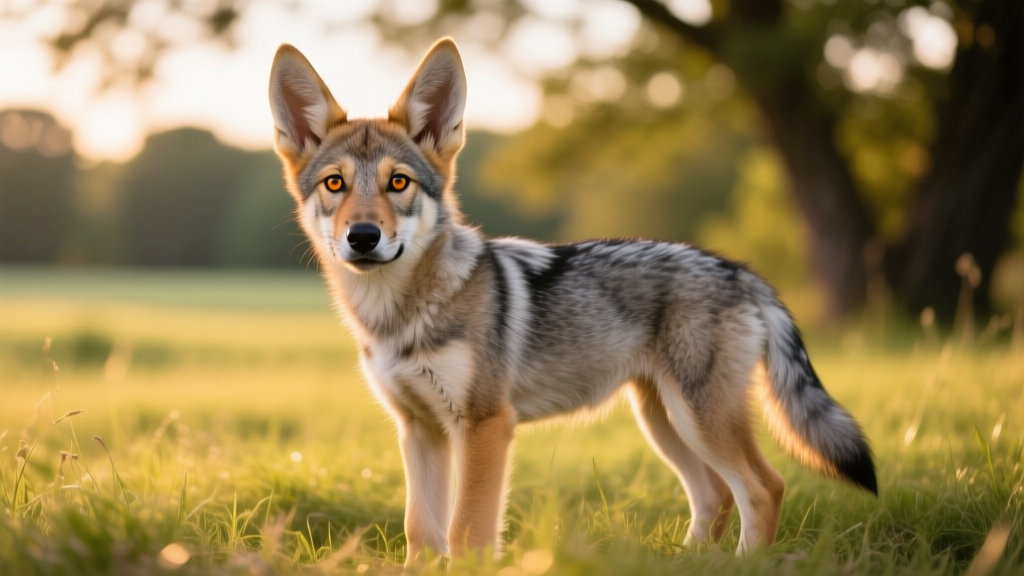
If you've encountered listings for "coyote mix puppies" online, you're looking at one of the most controversial and misunderstood hybrids in the canine world. Commonly called coydogs or coyote-dog hybrids, these animals result from breeding a domestic dog (Canis lupus familiaris) with a coyote (Canis latrans). While the idea of owning a part-wild canine may seem exciting, the reality involves serious legal restrictions, unpredictable behavior, and welfare concerns that every prospective owner must understand before committing.
This guide breaks down what you're actually getting with a coyote mix, the science behind coyote-dog hybridization, realistic expectations for temperament and health, and why most experienced trainers and veterinarians advise extreme caution.
What Two Breeds Make Up a Coyote Mix?
A coyote mix puppy has one coyote parent and one domestic dog parent. Because coyotes and domestic dogs share the same genus (Canis) and have compatible chromosome counts (78 chromosomes, 39 pairs), they can produce fertile offspring. This is the same biological compatibility that allows wolves and dogs to produce wolfdog hybrids.
The domestic dog parent in these pairings is typically a medium-to-large breed. Breeders have historically used dogs that physically resemble coyotes to produce more "convincing" hybrids:
| Breed | Why Selected | Typical Weight (lb/kg) |
|---|---|---|
| German Shepherd | Size, erect ears, similar build | 50–90 lb / 23–41 kg |
| Siberian Husky | Coat color, facial markings, howling tendency | 35–60 lb / 16–27 kg |
| Alaskan Malamute | Wild-type appearance, size | 75–85 lb / 34–39 kg |
| Belgian Malinois | Drive, agility, tan coloring | 40–80 lb / 18–36 kg |
| Northern Inuit Dog | Wolf-like appearance | 55–110 lb / 25–50 kg |
In some cases, coyote-dog pairings occur accidentally in rural areas where intact dogs roam near coyote territory, particularly during the coyote breeding season (January through March in most of North America, according to the USDA Wildlife Services).
Understanding Generations: F1, F2, and Backcross Hybrids
Generation Classifications for Coyote-Dog Hybrids
- F1 (First Generation): One pure coyote parent + one pure domestic dog parent. These puppies carry approximately 50% coyote genetics and tend to display the most wild-type behaviors — high prey drive, wariness of strangers, poor response to traditional training.
- F2 (Second Generation): Two F1 coydogs bred together. Genetics become more shuffled; individual puppies in the same litter may vary dramatically in appearance and temperament.
- F1B (Backcross): An F1 coydog bred back to either a pure coyote (producing ~75% coyote) or a pure domestic dog (producing ~25% coyote). Backcrossing to a domestic dog generally produces more manageable animals.
- Multigen (F3+): Multiple generations of coydog-to-coydog or coydog-to-dog breeding. By this point, the genetic cocktail is highly variable, and "percentage" claims from breeders are largely unverifiable without DNA analysis.
Critical note: Unlike established designer breeds (Labradoodles, Goldendoodles), coyote-dog hybrids have no breed registry, no standardized breeding programs, and no predictable generational outcomes. A breeder claiming their puppies are "F1B" has no third-party verification system to back that claim. You are essentially trusting the breeder's word.
How Big Will a Coyote Mix Get? Size Range & Physical Traits
Coyotes are considerably smaller than most people assume. An adult coyote typically weighs 20–50 lb (9–23 kg) and stands 20–22 inches (51–56 cm) at the shoulder, according to data from the National Wildlife Federation. This means the size of a coyote mix puppy depends heavily on which domestic dog breed is the other parent.
| Parent Dog Breed | Expected Puppy Weight Range | Expected Height at Shoulder |
|---|---|---|
| Coyote × Husky | 28–55 lb / 13–25 kg | 18–23 in / 46–58 cm |
| Coyote × German Shepherd | 35–70 lb / 16–32 kg | 20–26 in / 51–66 cm |
| Coyote × Malamute | 40–75 lb / 18–34 kg | 21–26 in / 53–66 cm |
| Coyote × Border Collie | 25–50 lb / 11–23 kg | 18–22 in / 46–56 cm |
Most coyote mixes fall into the medium-size category (30–60 lb / 14–27 kg), but individual variation is significant. Littermates can differ by 15+ pounds at maturity.
Physical Identifiers
Coyote mixes often display some combination of these physical traits, though none are guaranteed:
- Ears: Large, erect, pointed — often proportionally larger than a typical dog's ears
- Muzzle: Narrow, elongated, more tapered than most domestic breeds
- Eyes: Amber to gold, slightly oblique-set; rarely brown
- Tail: Often carried low or straight out (not curled over the back), bushy
- Build: Lean, leggy, with a tucked abdomen — built for endurance running
- Coat color: Tawny, agouti (banded hairs), gray-brown, or reddish tan; rarely solid-colored
- Feet: Compact, with elongated middle toes — a coyote trait that produces a more oval track pattern
Temperament: Best-Case and Challenging Scenarios
This is where prospective owners need to be brutally honest with themselves. Coyote genetics introduce behavioral traits that domestic dogs have had bred out of them over 15,000+ years of domestication.
🟢 Best-Case Temperament
- Intelligent and quick to learn (when motivated)
- Loyal and bonded to primary caregiver
- Alert and observant — excellent watchdog
- Playful with familiar family members
- Independent but not aggressive
- Responds to positive reinforcement training
🔴 Challenging Scenarios
- Extreme fearfulness around strangers and novel stimuli
- High prey drive — may chase and kill cats, small dogs, livestock
- Escape artist — digs under, jumps over, or climbs fences
- Seasonal behavioral shifts (increased roaming during breeding season)
- Resource guarding of food, space, or people
- Poor recall reliability off-leash
- Destructive when confined or under-stimulated
- May not tolerate children or unpredictable movements
The fundamental challenge is neophobia — a strong fear of novel things — which is a survival trait in wild coyotes but a significant liability in a domestic setting. Where a typical Labrador puppy investigates a new person with enthusiasm, a coyote mix is more likely to flee or freeze. This is not something you can fully "train out" because it's hardwired into their neurology.
Behavioral Predictability by Generation
| Generation | Wild-Type Behaviors | Domestic-Type Behaviors | Predictability |
|---|---|---|---|
| F1 (50% coyote) | Strong | Weak | Low — expect mostly wild behaviors |
| F1B (backcross to dog, ~25% coyote) | Moderate | Moderate | Moderate — more manageable but still variable |
| F2 | Variable | Variable | Low — littermates can differ drastically |
| Multigen (F3+) | Diluted | Stronger | Moderate — but no guarantees |
Coat Types, Shedding, and Grooming Needs
Coyote coats are double-layered: a dense, woolly undercoat for insulation and longer guard hairs that repel moisture and debris. Most coyote mixes inherit this double-coat structure, though the specific texture and length depend on the domestic parent breed.
Is a coyote mix hypoallergenic or low-shedding? Almost never. Coyotes are moderate-to-heavy seasonal shedders, and the dog breeds commonly used in these crosses (Huskies, Shepherds, Malamutes) are among the heaviest-shedding breeds in existence. Expect:
- Year-round shedding: Moderate daily hair loss
- Seasonal coat blows: Twice annually (spring and fall), your dog will shed its entire undercoat over 2–4 weeks — producing tumbleweeds of fur
- Grooming frequency: Brush 3–4 times per week with an undercoat rake (such as the Furminator or a Greyhound Comb); daily during coat blows
- Bathing: Every 6–8 weeks — over-bathing strips natural oils from the double coat
- Professional grooming: Generally not needed; these coats are designed to be self-maintaining. Never shave a double-coated dog — the coat may not regrow properly
Coyote mixes with Husky or Malamute parentage may have longer, fluffier coats. Those with shorter-coated breeds (like some shepherd crosses) may have a tighter, more coyote-typical coat that's easier to maintain.
Health Considerations: The Hybrid Vigor Myth vs. Reality
One of the most persistent claims about coyote-dog hybrids is that they benefit from hybrid vigor (heterosis) — the idea that crossing two genetically distinct populations produces healthier offspring. There is a kernel of truth here, but it's been wildly overstated by breeders.
What Hybrid Vigor Actually Does
Heterosis can reduce the incidence of recessive genetic disorders that are common in inbred purebred lines. If a German Shepherd line carries a recessive gene for degenerative myelopathy (DM), crossing with a coyote (which doesn't carry that mutation) would produce puppies that don't express the disease.
What Hybrid Vigor Does NOT Do
It does not make an animal immune to disease. It does not prevent structural problems, infectious diseases, parasites, or cancers. Coyote mixes are susceptible to many of the same conditions as their domestic parent breeds, plus some unique concerns:
| Condition | Source | Prevalence | Prevention/Screening |
|---|---|---|---|
| Hip Dysplasia | Dog parent (GSD, Husky) | Common in large-breed crosses | OFA/PennHIP screening of parent; maintain lean weight |
| Degenerative Myelopathy | Dog parent (GSD carrier) | Variable; recessive trait | Genetic test available (Embark, Wisdom Panel) |
| Parasite Load (Echinococcus, Sarcoptic Mange) | Coyote parent | Higher risk if coyote parent was wild-caught | Regular fecal exams; monthly preventive |
| Rabies Susceptibility | Both | Standard risk | Vaccination (may have legal complications — see below) |
| Dental Disease | Both | Standard risk | Daily brushing; annual vet dental exams |
| Anesthesia Sensitivity | Wild canid metabolism differences | Anecdotal but reported | Pre-surgical bloodwork; inform vet of hybrid status |
Veterinary disclaimer: Always inform your veterinarian that your dog is a coyote hybrid. This matters for vaccine protocols (some states do not recognize rabies vaccination in hybrid animals), anesthesia choices, and diagnostic interpretation. Consult your veterinarian for a health screening plan tailored to your individual dog.
⚠️ Rabies Vaccination Legal Issue: According to the AVMA, rabies vaccines are licensed for use in domestic dogs. Many states do not legally recognize rabies vaccination in wolf-dog or coyote-dog hybrids, meaning your animal could be subject to quarantine or euthanasia if it bites someone — even if vaccinated. Check your state and local regulations before acquiring a coyote mix.
Legal Restrictions: Can You Even Own a Coyote Mix?
This is the question most prospective owners skip — and it's the most important one. Coyote-dog hybrids occupy a legal gray area that varies dramatically by jurisdiction:
- Federally: Coyotes are regulated under various wildlife statutes. While coyote-dog hybrids are not explicitly banned at the federal level, the USDA and U.S. Fish and Wildlife Service may have jurisdiction depending on how the animal was produced.
- State level: Many states classify coyote hybrids as "wild animal hybrids" or "inherently dangerous animals" and either ban them outright or require special permits. States with known restrictions or permit requirements include New York, California, Illinois, and Georgia, among others.
- County/City level: Even in states without blanket bans, individual counties and municipalities may prohibit hybrid canids. Many homeowner's insurance policies exclude coverage for incidents involving wild-animal hybrids.
- Veterinary care access: Some veterinarians will not treat hybrid animals due to liability and rabies-law complications.
Before spending any money on a coyote mix puppy, verify legality with your state's department of natural resources (or equivalent wildlife agency), your county animal control office, and your homeowner's or renter's insurance provider. Get the answer in writing.
Cost, Availability, and the Rescue Question
What Do Coyote Mix Puppies Cost?
Pricing varies enormously because there is no established market for these animals:
| Source | Typical Price Range | Notes |
|---|---|---|
| Private breeder (claimed F1) | $500–$2,500 | No registry verification; high fraud risk |
| Private breeder (claimed multigen) | $300–$1,500 | Often just mixed-breed dogs marketed as "coyote mixes" |
| Accidental rural litter | $0–$200 | May actually be genuine; no health screening |
| Rescue/shelter | $50–$350 adoption fee | Many "coyote mixes" in shelters are simply mixed-breed dogs with pointy ears |
First-year budget estimate: Beyond the purchase price, plan for $1,500–$3,500 in first-year costs including veterinary exams, vaccinations, spay/neuter, secure fencing (minimum 6-foot with dig-proofing), crate, high-quality food (expect to feed a performance or working-dog formula), and professional training consultation.
The "Is It Really a Coyote Mix?" Problem
Here's an uncomfortable truth: the vast majority of dogs advertised as coyote mixes are not actually coyote hybrids. Many are simply mixed-breed dogs with coyote-like features — tan coloring, erect ears, narrow muzzles. Breeds like Carolina Dogs, Shiba Inus, and various spitz-type mixes are routinely misidentified as coydogs.
The only reliable way to confirm coyote ancestry is through DNA testing. Companies like Embark can detect wild canid ancestry in their breed identification panels, though results for coyote-specific percentages may require their research team's review. If a breeder cannot or will not provide DNA verification, assume the "coyote mix" label is marketing, not genetics.
Who Should (and Shouldn't) Consider a Coyote Mix?
After working with numerous owners of wild-canid hybrids, here's an honest assessment of who succeeds with these animals:
✅ This mix may suit you if:
- You have 5+ years of experience with challenging or high-drive dogs
- You live on rural acreage with secure, 6+ foot fencing and dig-proof barriers
- You've confirmed legality in your jurisdiction in writing
- You have no small children, cats, or small dogs in the household
- You've identified a veterinarian willing to treat hybrid animals
- You're prepared for a 12–15 year commitment to an animal that may never be fully "tame"
- You understand force-free, positive reinforcement training and are committed to desensitization and counter-conditioning protocols
❌ Skip this mix if:
- This would be your first dog
- You live in an apartment, townhouse, or suburban neighborhood
- You have young children or plan to have them
- You want a dog you can take to parks, patios, or group training classes
- You expect off-leash reliability
- You're drawn to the "cool factor" without understanding the day-to-day reality
- You cannot commit to daily structured exercise and enrichment for 12+ years
Training Approach
If you do own a coyote mix, understand that traditional obedience training methods will largely fail. These animals do not have the same biddability (desire to please) that domestic dogs have been selectively bred for over millennia. What works:
- Positive reinforcement only: High-value food rewards (real meat, freeze-dried liver), clicker marking, and shaping behaviors incrementally
- Desensitization and counter-conditioning: Gradual, systematic exposure to novel stimuli paired with positive outcomes — this is a months-to-years project, not a weekend workshop
- Management over obedience: Secure fencing, double-door entry systems, GPS tracking collars (like the Garmin TT25 or Fi Series 3) for escape insurance
- Never use aversive tools: Shock collars, prong collars, and alpha rolls will destroy whatever trust you've built and can trigger fear-based aggression in a hybrid animal
Frequently Asked Questions About Coyote Mix Puppies
Can coyotes and dogs actually breed naturally?
Yes. Coyotes and domestic dogs are the same species complex (Canis) and share 78 chromosomes. Natural breeding occurs in the wild, particularly when coyote populations are low and a coyote pairs with a free-roaming domestic dog. However, most intentional coyote-dog breeding in captivity involves controlled pairings. The breeding season typically aligns with the coyote estrus cycle (January–March), which differs from the typical domestic dog's twice-yearly heat cycle.
Are coyote mixes dangerous?
Not inherently aggressive toward humans in the way that term is commonly used, but they are unpredictable. A coyote mix that has been comfortable with a family for years may suddenly react with fear or prey drive in a novel situation. The risk is not malice — it's that wild instincts can override learned behavior under stress. This makes them unsuitable for homes with children, whose erratic movements can trigger prey-drive responses.
How long do coyote mixes live?
Coyotes in the wild live 6–8 years on average but can reach 14–15 years in captivity. Domestic dogs of similar size live 10–14 years. Coyote mixes typically fall in the 12–15 year range with proper veterinary care, though data is limited due to the small population of verified hybrids.
Can I get a coyote mix from a shelter?
You may find dogs labeled as coyote mixes at shelters, but most are misidentified mixed-breeds. If you specifically want a coyote hybrid (which we generally don't recommend), shelters are an unreliable source. If you want a dog that looks like a coyote, consider adopting a Carolina Dog, Shiba Inu mix, or similar spitz-type dog — you'll get the aesthetic without the legal and behavioral complications.
What should I feed a coyote mix?
Coyote mixes do well on high-quality commercial diets formulated for active or working dogs. Look for AAFCO complete-and-balanced certification, with a named animal protein as the first ingredient and a minimum of 22–26% protein for adult maintenance. Some owners supplement with raw meaty bones or a partially raw diet, but consult a veterinary nutritionist before making significant dietary changes. Feed approximately 2–3% of ideal body weight daily, split into two meals, adjusting based on body condition score.
Bottom line: Coyote mix puppies represent one of the most challenging "designer" animals a person can take on. The combination of legal uncertainty, behavioral unpredictability, veterinary complications, and the high rate of fraudulent marketing makes this a hybrid that experienced professionals overwhelmingly advise against for the average dog owner. If you're captivated by the wild-canine aesthetic, there are fully domestic breeds — from the Carolina Dog to the Tamaskan — that offer a similar look with the temperament and legal clarity of a true companion animal.
Tom Renshaw
All our authors care for dogs every day — read more of their work on the authors page.


