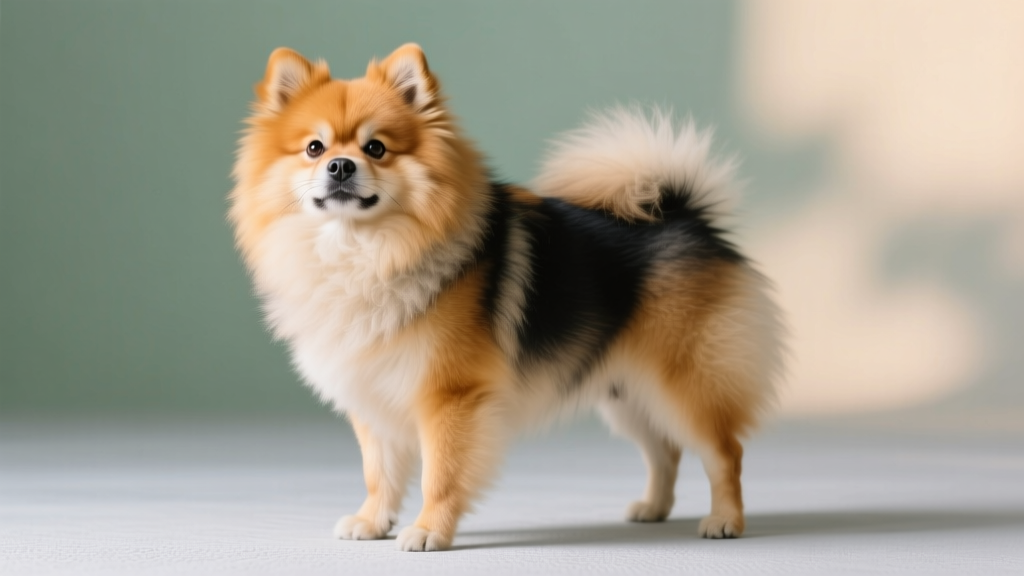
Corgi Mixed Shiba Inu: The Complete Shorgi Breed Guide
Everything about the corgi mixed shiba inu (Shorgi): size, temperament, coat, health risks, cost.

What Is a Corgi Mixed Shiba Inu?
The corgi mixed shiba inu — most commonly called the Shorgi — is a designer cross between a Pembroke Welsh Corgi and a Shiba Inu. This mix combines two compact, bold, and fiercely independent herding-origin breeds into one striking dog that typically weighs between 20 and 35 pounds (9–16 kg) and stands 10 to 15 inches (25–38 cm) at the shoulder.
Neither the American Kennel Club nor the United Kennel Club recognizes the Shorgi as a registered breed. You'll find them listed through designer registries like the Designer Breed Registry (DBR) or the International Designer Canine Registry (IDCR). That unofficial status doesn't diminish the real planning required before bringing one home — this cross produces dogs with strong personalities, heavy shedding, and specific health screening needs.
This guide breaks down what prospective owners actually need to know: the realistic size range, the temperament lottery inherent in any first-generation cross, inherited health conditions from both parent breeds, and the true cost of ownership in 2026.
Parent Breed Breakdown: Pembroke Welsh Corgi Meets Shiba Inu
Understanding a Shorgi starts with understanding its parents. Both breeds share a compact build and an independent streak, but they diverge significantly in origin, drive, and social behavior.
| Trait | Pembroke Welsh Corgi | Shiba Inu |
|---|---|---|
| Origin | Wales — cattle herding | Japan — small game hunting |
| AKC Group | Herding | Non-Sporting |
| Weight Range | 25–30 lb (11–14 kg) | 17–23 lb (8–10 kg) |
| Height | 10–12 in (25–30 cm) | 13.5–16.5 in (34–42 cm) |
| Lifespan | 12–13 years | 13–16 years |
| Coat | Medium-length double coat | Short-to-medium double coat |
| Shedding | Heavy, year-round with seasonal blows | Moderate, with intense seasonal blows |
| Energy Level | High — 60+ min/day | Moderate-high — 45–60 min/day |
| Barking | Frequent, alert-driven | Moderate, known for the "Shiba scream" |
| Trainability | Responsive but willful | Independent, low obedience drive |
| Stranger Friendliness | Outgoing, generally sociable | Reserved, aloof with strangers |
| Prey Drive | Moderate (herding instinct) | High (hunting origin) |
The Corgi brings herding instinct, sociability, and a willingness to work with people. The Shiba Inu contributes hunting-drive intensity, cat-like independence, and a wariness of unfamiliar people and dogs. A Shorgi can land anywhere on the spectrum between these two poles — and that unpredictability is the defining feature of owning this mix.
Generation Types: F1, F1B, and Multigen Shorgis
- F1 (First Generation): 50% Corgi × 50% Shiba Inu. The most common Shorgi type. Maximum trait variability — puppies in the same litter can look and behave very differently.
- F1B (First Generation Backcross): An F1 Shorgi bred back to one of the parent breeds (usually the Corgi for a stockier build or the Shiba for a leaner frame). Results in a 75/25 genetic split with somewhat more predictable traits leaning toward the backcross parent.
- F2 (Second Generation): Two F1 Shorgis bred together. Produces the widest trait variation of any generation due to genetic recombination — not recommended for predictability.
- Multigen (F3+): Shorgis bred to Shorgis over multiple generations. Rare in this cross. May produce more consistent type but requires a dedicated breeding program with health testing at every generation. Very few established multigen Shorgi lines exist.
Most Shorgis available from breeders are F1 crosses. The F1 generation offers the broadest genetic diversity, which can reduce the risk of recessive inherited conditions compared to purebred-to-purebred matings — but it does not eliminate health risks (more on that below). If a breeder advertises F1B or multigen Shorgis, ask for documentation of parentage and health clearances for every dog in the pedigree.
Size, Build, and Appearance: What to Expect
Because both parent breeds are small-to-medium dogs, the Shorgi's size range is relatively narrow — but individual variation within that range is real.
| Measurement | Minimum | Maximum | Most Common |
|---|---|---|---|
| Weight | 18 lb (8 kg) | 38 lb (17 kg) | 22–30 lb (10–14 kg) |
| Height at Shoulder | 10 in (25 cm) | 15 in (38 cm) | 11–13 in (28–33 cm) |
| Body Length | 18 in (46 cm) | 26 in (66 cm) | 20–24 in (51–61 cm) |
Puppies that inherit the Corgi's chondrodysplastic (dwarfism) gene will have the characteristic short, bowed legs and elongated body. Those that inherit more Shiba Inu skeletal structure will be proportionally taller and leaner. There is no way to predict which skeletal type a puppy will develop until they are 8–12 weeks old and growth patterns become visible.
Coat and color possibilities: Shorgis inherit a double coat from both parents. Expect a dense undercoat with a medium-length outer coat. Colors range widely: red, sable, black-and-tan, tricolor, red merle (if the Corgi parent carries merle), and cream. Facial markings often resemble the Shiba Inu's "urajiro" (white cheek and chest markings), but this is not guaranteed.
Temperament: The Shorgi Personality Spectrum
This is where prospective owners need the most realistic expectations. A Shorgi's temperament is not a blend — it's a lottery. Individual puppies can lean heavily toward one parent's behavioral profile or display a mosaic of both.
Your Shorgi inherits the Corgi's sociability and trainability with the Shiba's cleanliness and quiet demeanor. You get an alert, affectionate companion who enjoys training sessions, greets guests politely, and is relatively easy to housebreak. This dog thrives in an active household with structured routines.
Your Shorgi inherits the Shiba's aloofness and high prey drive with the Corgi's vocal tendencies and herding instinct. You get a dog that barks at every sound, nips at children's heels, chases cats, refuses recall off-leash, and is standoffish with visitors. This combination requires experienced handling and patience with counter-conditioning and desensitization protocols.
Trait Variability at a Glance
| Trait | Predictability | Notes |
|---|---|---|
| Size range | Moderately predictable | Both parents are similar in weight; outlier sizes are uncommon |
| Coat type | Predictable | Double coat is virtually guaranteed from both parents |
| Shedding level | Predictable | Heavy shedding is expected regardless of which parent they favor |
| Leg length / body proportion | Unpredictable | Depends on chondrodysplasia gene inheritance |
| Sociability with strangers | Unpredictable | Can range from Corgi-outgoing to Shiba-aloof |
| Trainability | Unpredictable | Corgi work-drive vs. Shiba independence — varies per individual |
| Prey drive | Moderately unpredictable | Both breeds have drive (herding vs. hunting); intensity varies |
| Vocalization level | Likely high | Both breeds are vocal; expect barking and possible "Shiba scream" |
| Same-species aggression | Moderately unpredictable | Shiba Inus can be dog-selective; Corgis are usually dog-tolerant |
Family and Household Fit
Shorgis can do well with children if socialized from 8 weeks onward using positive reinforcement methods. However, the Corgi's herding instinct may manifest as heel-nipping with running children — this is modifiable through redirection training but requires consistency. The Shiba's sensitivity to rough handling means that toddlers who grab ears or tails can trigger a fear response. Families with children under 6 should proceed with caution and commit to supervised interactions and structured socialization.
With other pets, early socialization is critical. A Shorgi with strong Shiba prey drive may never be trustworthy with cats or small animals, even with extensive training. Dog-to-dog introductions should be managed carefully, especially with same-sex dogs, as Shiba Inus have a documented tendency toward same-species aggression.
Health Considerations: Inherited Risks From Both Parents
Let's address the hybrid vigor myth directly. Crossbreeding does not automatically produce a healthier dog. Hybrid vigor (heterosis) can reduce the incidence of recessive conditions that are common within a single closed gene pool — but it offers no protection against conditions that both parent breeds share, and it cannot prevent structural or autoimmune issues influenced by multiple genes.
Here are the health conditions that Shorgi owners should screen for, based on the known genetic risks of both parent breeds:
| Condition | Source Breed | Prevalence | Screening Method |
|---|---|---|---|
| Intervertebral Disc Disease (IVDD) | Corgi (chondrodysplastic breeds) | High — up to 25% of chondrodysplastic dogs may develop IVDD | Genetic testing; spinal X-rays if symptomatic |
| Hip Dysplasia | Both breeds | Moderate — ~15% in Corgis, ~7% in Shibas per OFA data | OFA or PennHIP evaluation of parent dogs |
| Patellar Luxation | Both breeds | Moderate — common in small breeds generally | Orthopedic exam; OFA patella evaluation |
| Progressive Retinal Atrophy (PRA) | Both breeds | Low-to-moderate — carrier rates vary by line | DNA test (prcd-PRA); CERF eye exam |
| Degenerative Myelopathy (DM) | Corgi | Low — Pembroke Corgis carry the SOD1 mutation at notable rates | DNA test for SOD1 mutation |
| Allergies (atopic dermatitis) | Both breeds | Moderate — environmental and food allergies common in both | Clinical diagnosis; elimination diet trials |
| Obesity | Corgi especially | High — Corgis are highly food-motivated and prone to weight gain | Body condition score (BCS) monitoring |
IVDD deserves special attention. If your Shorgi inherits the Corgi's short-legged build, their elongated spine is at elevated risk for disc herniation. This can cause pain, hind-limb weakness, or paralysis. Preventive measures include: blocking access to stairs in puppyhood, using ramps for furniture access, maintaining a lean body condition score (4–5 on a 9-point scale), and avoiding activities that involve repetitive spinal flexion (like catching frisbees mid-air). If you notice sudden reluctance to jump, a hunched back, or dragging hind feet, consult your veterinarian immediately — early intervention with crate rest and anti-inflammatory medication has a significantly better prognosis than delayed treatment.
Responsible breeders should provide health clearances for both parent dogs: OFA hip and patella evaluations, CERF eye exams, and DNA tests for DM and PRA. Expect to pay a premium for breeders who complete this testing — it costs $500–$800 per parent dog and is a strong signal of ethical breeding practices.
Coat Care, Grooming, and the Shedding Reality
Is the Shorgi hypoallergenic or low-shedding? No. This is one of the most common misconceptions about designer mixes. Neither the Corgi nor the Shiba Inu carries a low-shedding coat gene. Both breeds have dense double coats designed for weather protection, and both shed year-round with intense seasonal "coat blows" typically in spring and fall.
Grooming Schedule
- Brushing: 3–4 times per week with an undercoat rake (such as the Furminator deShedding Tool for small dogs, ~$35–$45) and a slicker brush for the topcoat. Daily brushing during seasonal coat blows (2–3 weeks in spring and fall).
- Bathing: Every 6–8 weeks, or as needed. Over-bathing strips the undercoat's natural oils. Use a dog-specific, pH-balanced shampoo (Earthbath Oatmeal & Aloe, ~$14, is a widely recommended option).
- Nail trims: Every 3–4 weeks. Shorgis with Corgi-type builds may have less natural nail wear due to shorter stride length.
- Ear cleaning: Weekly checks; clean with a vet-approved ear cleanser if wax buildup is visible. Corgi-type upright ears are generally well-ventilated but still need monitoring.
- Dental care: Daily tooth brushing with enzymatic dog toothpaste. Both parent breeds are prone to periodontal disease — the AVMA recommends professional dental cleanings under anesthesia every 1–2 years for small breeds.
Never shave a Shorgi. Shaving a double-coated breed damages the coat's ability to regulate temperature and can result in permanent coat texture changes (post-clipping alopecia). The undercoat provides insulation against both heat and cold — it functions as a thermal buffer, not a liability.
Exercise, Training, and Mental Stimulation
Shorgis typically need 45–60 minutes of structured exercise daily, split into two sessions. This includes leash walks, sniffaris (decompression walks where the dog sets the pace and sniffs freely), and interactive play. Both parent breeds are intelligent and need mental stimulation to prevent boredom-driven behaviors like excessive barking, digging, or destructive chewing.
Training Approach
Use exclusively positive reinforcement and force-free methods. The Shiba Inu's sensitivity and independence mean that aversive techniques (shock collars, prong collars, alpha rolls) will damage your relationship with this dog and can trigger fear-based aggression. Instead:
- Food motivation: Most Shorgis inherit the Corgi's food drive. Use high-value treats (freeze-dried liver, boiled chicken) for training sessions. Keep sessions short — 5 to 10 minutes, 2–3 times daily.
- Recall training: Begin in a low-distraction environment and build gradually. Due to the Shiba's prey drive, never trust off-leash recall in unfenced areas, regardless of training level. A long-line (15–30 ft training leash) allows safe off-leash practice.
- Socialization window: The critical socialization period closes around 14–16 weeks. Expose your Shorgi puppy to diverse people, surfaces, sounds, and vaccinated, friendly dogs during this window. Enroll in a puppy kindergarten class that uses positive reinforcement.
- Herding behavior management: If your Shorgi nips at heels or tries to "herd" children or other pets, redirect the behavior to an appropriate outlet like a flirt pole or herding ball (the Jolly Ball, ~$20–$30, works well for this size range).
Cost: What You'll Actually Spend
| Expense Category | Low Range | Mid Range | High Range |
|---|---|---|---|
| Puppy purchase price | $600 | $1,200 | $2,500+ |
| Adoption fee (rescue) | $150 | $350 | $500 |
| Initial vet visit + vaccines (puppy series) | $200 | $400 | $600 |
| Spay/neuter | $200 | $450 | $700 |
| Annual food (quality kibble, 22–28 lb bag) | $300 | $500 | $750 |
| Annual preventive care (flea/tick, heartworm, dental) | $350 | $600 | $900 |
| Grooming supplies (brushes, shampoo, nail clippers) | $50 | $100 | $200 |
| Training classes (puppy + basic obedience) | $150 | $350 | $600 |
| Pet insurance (annual premium) | $360 | $600 | $900 |
| First-year total (purchased puppy) | $2,410 | $4,600 | $7,850+ |
Breeder availability: Shorgis are a niche designer cross. Most litters are produced by small-scale breeders who breed one or two litters per year. Waitlists of 2–6 months are common. Be wary of breeders with multiple litters always available — this is a red flag for puppy mill sourcing. Ask to see the parent dogs in person, request health clearances, and verify that the breeder offers a take-back clause (a contract requiring you to return the dog to them if you can no longer keep it).
Rescue availability: Shorgis occasionally appear in Corgi-specific rescues (like Pembroke Welsh Corgi Club of America rescue networks) and Shiba Inu rescues (such as Shiba Inu Rescue Association of America). Mixed-breed rescues and general shelters also see Shorgi-type dogs, though they may be labeled simply as "Corgi mix" or "Shiba mix." Adoption fees are significantly lower and often include spay/neuter, initial vaccines, and microchipping.
Who Should (and Shouldn't) Get a Corgi Mixed Shiba Inu
- Experienced dog owners who understand independent breeds
- Active individuals or couples with 45–60 min/day for exercise
- Homes with secure fencing (minimum 5 ft — Shibas are climbers and jumpers)
- People who enjoy training as a hobby, not a chore
- Households without cats or small pets (unless puppy is raised with them)
- Owners prepared for heavy shedding and regular grooming
- You're a first-time dog owner — both parent breeds challenge beginners
- You want a reliably obedient, eager-to-please dog
- Your household includes very young children or multiple cats
- You live in an apartment with thin walls (vocalization is likely high)
- You want a low-shedding or hypoallergenic dog
- You cannot commit to early and ongoing socialization
Frequently Asked Questions
What two breeds make up a corgi mixed shiba inu?
A Shorgi is a cross between a Pembroke Welsh Corgi and a Shiba Inu. Some breeders may use a Cardigan Welsh Corgi instead, which produces a slightly larger dog with a longer tail — but the Pembroke is the more common parent breed.
How big will a corgi mixed shiba inu get?
Most Shorgis weigh 22–30 lb (10–14 kg) and stand 11–13 inches (28–33 cm) at the shoulder. Outliers can range from 18 lb to 38 lb depending on which parent's skeletal structure they inherit. Ask the breeder for the exact weight and height of both parent dogs — this is the single best predictor of adult size.
What will the temperament be like?
Temperament is the most variable trait in any F1 cross. Expect a dog that is alert, intelligent, and somewhat independent. Some Shorgis are outgoing and eager to train (Corgi-leaning); others are reserved, stubborn, and selective about affection (Shiba-leaning). Early socialization during the 8–16 week window has a significant impact on adult behavior regardless of genetic tendency.
Is this mix hypoallergenic or low-shedding?
No. Both parent breeds have double coats and shed heavily. The Shorgi is not suitable for allergy-sensitive households. Expect daily hair on furniture, clothing, and floors, with intense shedding periods twice a year during seasonal coat blows.
What health issues might a Shorgi inherit?
The most significant risks are Intervertebral Disc Disease (if the dog inherits the Corgi's short-legged build), hip dysplasia, patellar luxation, progressive retinal atrophy, and degenerative myelopathy. Reputable breeders screen parent dogs for these conditions through OFA evaluations and DNA testing. Consult your veterinarian about an appropriate screening schedule for your individual dog.
How much does a corgi mixed shiba inu cost?
Puppy prices range from $600 to $2,500+ depending on breeder reputation, health testing, and location. Adoption fees for Shorgi-type dogs in rescue range from $150 to $500. First-year total ownership costs (including vet care, food, supplies, and training) typically fall between $2,400 and $4,600 for a responsibly sourced puppy.
Are Shorgis good apartment dogs?
Size-wise, yes — they're compact enough for apartment living. Behaviorally, it depends. The vocal tendencies inherited from both breeds can be problematic in buildings with shared walls. Adequate daily exercise and mental stimulation are non-negotiable to prevent nuisance barking and destructive behavior.
Do Shorgis get along with other dogs?
It varies. Corgis tend to be dog-social; Shiba Inus can be dog-selective or same-sex aggressive. Early and ongoing socialization helps, but some Shorgis will always prefer being the only dog in the household. Introduce new dogs on neutral territory and use parallel walking to build positive associations.
Marcus Aldridge
All our authors care for dogs every day — read more of their work on the authors page.