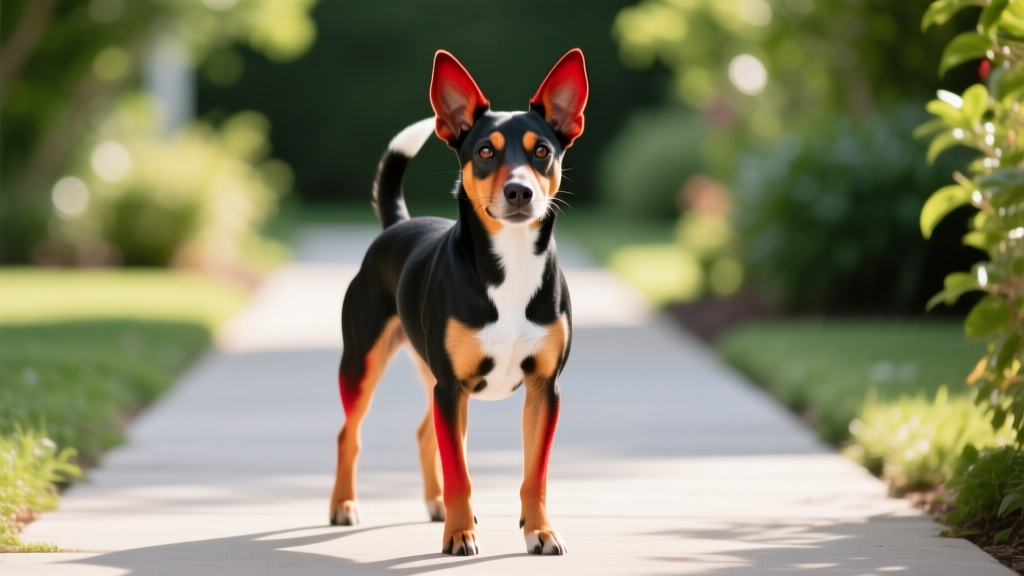
Chow Lab Mix Dog
Everything you need to know about the Chow Lab mix dog — size, temperament, coat types, health risks, cost.

The Chow Lab mix dog — sometimes called a Chabrador or Lab Chow — pairs one of America's most popular family dogs with one of the most independent, ancient breeds in the canine world. The result is a cross that can be stunningly beautiful, deeply loyal, and genuinely challenging for unprepared owners. Unlike more predictable designer breeds like the Goldendoodle, this mix produces puppies with a wide spectrum of physical and behavioral traits, making pre-adoption research essential.
This guide breaks down exactly what you can expect from a Chow Chow and Labrador Retriever cross, including the traits that tend to carry through, the ones that vary wildly between littermates, and the health screenings any responsible breeder should provide.
Parent Breed Breakdown: Two Very Different Dogs
Understanding a Chow Lab mix starts with understanding each parent breed. The Labrador Retriever and Chow Chow sit on nearly opposite ends of the temperament and working-style spectrum, which is precisely why this cross produces such variable puppies.
| Trait | Labrador Retriever | Chow Chow |
|---|---|---|
| AKC Group | Sporting | Non-Sporting |
| Weight Range | 55–80 lb (25–36 kg) | 45–70 lb (20–32 kg) |
| Height | 21.5–24.5 in (55–62 cm) | 17–20 in (43–51 cm) |
| Lifespan | 11–13 years | 8–12 years |
| Coat Type | Short, dense double coat | Smooth (short) or rough (long), very dense |
| Shedding | Moderate to heavy, seasonal blows | Heavy, especially rough-coated variety |
| Temperament | Outgoing, eager to please, highly social | Aloof, independent, cat-like, wary of strangers |
| Trainability | Excellent — food and praise motivated | Low to moderate — requires patience, short sessions |
| Exercise Need | 60–90 minutes/day | 30–45 minutes/day |
| Breed Origin | Newfoundland, Canada (retrieving waterfowl) | Ancient China (guard, hunting, draft work) |
The Labrador Retriever has held the top spot or near-top spot in AKC registration rankings for over three decades because of its bombproof friendliness and versatility. The Chow Chow, by contrast, is a basal breed — one of the oldest genetic lineages in the domestic dog — known for its blue-black tongue, stilted gait, and profound loyalty to a single person or family while remaining standoffish with everyone else.
When you cross these two, you are blending a breed that wants to greet every human on earth with a breed that actively evaluates whether strangers are worth acknowledging. The outcome depends heavily on which parent's genes dominate in any given puppy.
How Big Will a Chow Lab Mix Get?
Because both parent breeds fall into the medium-to-large category, the Chow Lab mix dog typically lands in a predictable size window — though individual variation of 15–20 pounds between littermates is not unusual.
| Measurement | Low End | High End | Most Common Range |
|---|---|---|---|
| Weight (males) | 50 lb (23 kg) | 80 lb (36 kg) | 55–70 lb (25–32 kg) |
| Weight (females) | 45 lb (20 kg) | 70 lb (32 kg) | 50–65 lb (23–29 kg) |
| Height at shoulder | 18 in (46 cm) | 24 in (61 cm) | 19–22 in (48–56 cm) |
Puppies that inherit the Chow Chow's stockier build tend to be shorter and heavier-boned, while those leaning toward the Labrador side are often taller and leaner. By 12–14 weeks, a breeder or experienced handler can usually predict whether a puppy will trend toward the compact Chow build or the rangier Lab frame, but final adult size isn't confirmed until 12–18 months.
Coat Types, Colors, and the Shedding Reality
This is where the Chow Lab mix produces some of its most dramatic variation. A single litter can contain puppies with three distinct coat expressions:
- Lab-leaning coat: Short, dense, water-resistant double coat. Lies flat against the body. Moderate shedding year-round with heavier seasonal blows in spring and fall.
- Chow-leaning rough coat: Medium to long, profuse outer coat with an extremely thick, woolly undercoat. Heavy shedding. Requires daily brushing during blow seasons.
- Intermediate coat: Medium-length with moderate feathering on the legs and tail. The most common expression in F1 crosses. Moderate-to-heavy shedding.
Common coat colors include black, red/rust, cream, fawn, and blue (dilute black inherited from the Chow side). Some puppies inherit the Chow's characteristic "ruff" — the lion-like mane around the neck and shoulders — while others have a sleeker Lab-like silhouette.
No. Neither parent breed is hypoallergenic. The Labrador Retriever is a prolific shedder, and the Chow Chow's dense undercoat sheds heavily, particularly during seasonal coat blows. If you or a household member has dog allergies, this mix is not a suitable choice. No amount of grooming eliminates the dander and hair these dogs produce.
Temperament: Best-Case and Challenging Scenarios
Temperament is the most unpredictable element of any Chow Lab mix dog, and it deserves the most careful consideration before bringing one home. Here is the realistic spectrum:
- Loyal and affectionate with family members
- Moderately social with familiar people outside the household
- Intelligent and responsive to positive reinforcement training
- Calm indoors with a playful streak inherited from the Lab side
- Good with children they are raised alongside
- Alert without being reactive or aggressive
- Strong Chow-type aloofness — ignores or avoids unfamiliar people
- Same-sex aggression or resource guarding tendencies
- Stubbornness during training — low food or praise motivation
- Possessiveness over one family member ("Velcro dog" to a single person)
- Reactivity toward unfamiliar dogs on leash
- Low tolerance for rough handling by small children
The challenging scenarios are not rare edge cases — they are common Chow Chow traits that can surface in any cross. Early and ongoing socialization is non-negotiable. Puppies should be exposed to diverse people, environments, surfaces, sounds, and other animals between 8 and 16 weeks of age, following a structured socialization checklist rather than casual exposure.
Training should rely exclusively on positive reinforcement methods — high-value food rewards, clicker training, and relationship-building games. Force-based methods, prong collars, or shock collars will backfire with this mix. The Chow Chow's independent nature means that coercion creates shutdown or defensive behavior, while the Lab side's sensitivity means harsh corrections damage trust.
Generations Explained: F1, F1B, and Beyond
- F1 (First Generation): One purebred Labrador Retriever parent + one purebred Chow Chow parent. Maximum genetic diversity, but widest trait variability between puppies.
- F1B (First Generation Backcross): An F1 Chow Lab mix bred back to one of the parent breeds. If backcrossed to a Lab, puppies tend to be more sociable and Lab-like in temperament. If backcrossed to a Chow, expect stronger Chow traits.
- F2 (Second Generation): Two F1 Chow Lab mixes bred together. Trait predictability does not necessarily improve — recessive traits from both breeds can surface unpredictably.
- Multigen (F3+): Multiple generations of Chow Lab crosses bred together. Extremely rare for this particular mix. The Chow Lab cross has not been standardized the way the Labradoodle or Goldendoodle has, so multigen lines are essentially nonexistent from reputable programs.
Most Chow Lab mixes available through rescue or small-scale breeders are F1 crosses. Unlike Poodle-based designer breeds, there is no established breed club or standardized breeding program for the Chow Lab mix, so generation tracking is often informal or undocumented.
Health Considerations: Hybrid Vigor Myth vs. Reality
One of the most persistent myths in the designer dog world is that crossbreeding automatically eliminates health problems through "hybrid vigor." The reality, as documented in veterinary genetics research, is more nuanced. Crossbreeding can reduce the risk of recessive conditions that are concentrated within a single breed's gene pool, but it does nothing to protect against conditions that both parent breeds share.
The Labrador Retriever and Chow Chow share several overlapping health risks, which means a Chow Lab mix dog can inherit any of the following:
| Condition | Prevalence in Parent Breeds | What to Watch For | Screening Test |
|---|---|---|---|
| Hip Dysplasia | Lab: ~12% | Chow: ~18% (OFA data) | Hind-end stiffness, bunny-hopping gait, reluctance to jump | OFA or PennHIP radiographs |
| Elbow Dysplasia | Lab: ~11% | Chow: ~14% | Front-leg lameness, swelling at elbow joint | OFA elbow radiographs |
| Entropion | Chow: High prevalence | Lab: Occasional | Eye irritation, squinting, excessive tearing — eyelid rolls inward | CERF/OFA ophthalmologist exam |
| Gastric Dilatation-Volvulus (Bloat) | Both deep-chested breeds at risk | Distended abdomen, unproductive retching, collapse — EMERGENCY | No screening test; preventive gastropexy discussed with vet |
| Hypothyroidism | Chow: Elevated risk | Lab: Moderate risk | Weight gain, lethargy, hair thinning, cold intolerance | Full thyroid panel (not just T4) |
| Hot Spots (Acute Moist Dermatitis) | Both breeds, especially with dense coats | Sudden raw, weeping, painful skin lesions | Clinical diagnosis; underlying allergy workup |
According to the AKC's health guidance for large breeds, responsible breeders of both parent breeds should perform hip, elbow, and eye clearances before breeding. For a Chow Lab mix, ask to see OFA (Orthopedic Foundation for Animals) certificates for both parents — not just verbal assurances that they were "checked by a vet."
Additionally, Chow Chows are one of the breeds with a documented predisposition to autoimmune thyroiditis. The Merck Veterinary Manual notes that hypothyroidism in dogs typically presents between 4 and 10 years of age and requires lifelong thyroid hormone supplementation once diagnosed.
Bloat (GDV) is a life-threatening emergency. If your Chow Lab mix shows a distended or hard abdomen, repeated unproductive retching, excessive drooling, restlessness, or sudden collapse — especially within 1 hour after eating a large meal or drinking a large volume of water — go to an emergency veterinary clinic immediately. GDV can be fatal within hours without surgical intervention. Preventive measures include feeding 2–3 smaller meals per day, using a slow-feeder bowl, and avoiding vigorous exercise for 60 minutes before and after meals.
Always consult your veterinarian for a personalized health plan, including appropriate screening schedules and preventive care tailored to your individual dog's build, age, and inherited risk factors.
Grooming, Exercise, and Daily Care
Care requirements depend heavily on which coat type your Chow Lab mix inherits. Here is a practical breakdown:
Grooming by Coat Type
- Lab-leaning short coat: Brush 2–3 times per week with a rubber curry brush or bristle brush. Bathe every 6–8 weeks or as needed. Expect moderate shedding on furniture and clothing year-round.
- Intermediate medium coat: Brush 3–4 times per week with a slicker brush and undercoat rake. Pay attention to feathering on legs and tail where mats form. Professional grooming every 8–10 weeks for sanitary trims is helpful.
- Chow-leaning rough coat: Daily brushing during seasonal coat blows (spring and fall, lasting 2–4 weeks each). Use a high-velocity dryer during blow seasons to remove dead undercoat efficiently. Between blows, brush 4–5 times per week. Professional grooming every 6–8 weeks.
Regardless of coat type, plan for regular nail trims every 3–4 weeks, ear cleaning weekly (especially if ears are semi-erect or floppy, which traps moisture), and daily tooth brushing or dental chews approved by the Veterinary Oral Health Council (VOHC).
Exercise Requirements
Most Chow Lab mixes need 45–75 minutes of structured exercise daily. This typically breaks down as:
- Two 20–30 minute leash walks (Chow-influenced dogs often prefer sniffing and exploring over sustained running)
- One 15–20 minute training or puzzle-toy session for mental stimulation
- Access to a secure yard for self-directed exploration
Lab-leaning individuals may want more — up to 90 minutes including swimming, fetch, or hiking. Chow-leaning individuals often self-regulate at 30–45 minutes and may refuse to continue exercise in hot weather due to the Chow's heat sensitivity (brachycephalic-adjacent airway structure and dense coat).
Cost, Availability, and Where to Find a Chow Lab Mix
Because the Chow Lab mix dog is not a mainstream designer breed with established breeding programs, availability and pricing vary significantly:
| Source | Price Range | What to Expect |
|---|---|---|
| Small-scale/intentional breeder | $600–$1,500 | Rare; few breeders specifically plan this cross. Ask for parent health clearances (OFA hips, elbows, eyes). Visit in person. |
| Backyard/accidental breeder | $200–$500 | Common source. No health testing, no take-back guarantees. Higher risk of undisclosed health or temperament issues. |
| Breed-specific rescue (Lab or Chow) | $200–$450 adoption fee | Occasionally available as mixed-breed intakes. Temperament evaluation done by rescue. Spay/neuter included. |
| General shelter/rescue | $50–$300 adoption fee | Most common source. DNA testing (e.g., Embark) can confirm parentage if unknown. |
First-year ownership costs beyond the purchase or adoption fee typically range from $2,500 to $4,000, including initial veterinary exams, vaccinations, spay/neuter, crate, leash, collar, food, grooming supplies, and pet insurance enrollment. Annual ongoing costs settle to approximately $1,500–$2,500 per year for food, routine veterinary care, grooming, and insurance premiums.
Who Is the Chow Lab Mix Best Suited For?
This mix is not a beginner-friendly dog in most cases. Here is a practical decision framework:
This mix is likely a good fit if you:
- Have prior experience with independent or strong-willed breeds
- Can commit to structured socialization from puppyhood through adulthood
- Have a securely fenced yard (minimum 5-foot fence — Chow Chows can climb)
- Prefer a dog that is devoted to family rather than universally friendly
- Have older children (10+) who understand how to interact calmly with dogs
- Are prepared for heavy shedding and regular grooming
- Have the patience for training sessions that may take 2–3x longer than with a biddable breed
Consider a different breed or mix if you:
- Are a first-time dog owner
- Have toddlers or very young children in the home
- Want a dog that is reliably friendly with all strangers and visitors
- Live in an apartment with thin walls or strict breed/size restrictions
- Cannot commit to daily grooming during shedding seasons
- Want an off-leash reliable recall dog — the Chow's independent streak makes off-leash reliability difficult to achieve
Frequently Asked Questions
What two breeds make up the Chow Lab mix?
The Chow Lab mix is a cross between the Chow Chow (an ancient Chinese breed known for its blue-black tongue and independent temperament) and the Labrador Retriever (a Canadian-origin sporting breed known for its outgoing, trainable nature). It is an F1 first-generation cross in most cases.
How big will my Chow Lab mix get?
Most Chow Lab mixes weigh between 50–75 lb (23–34 kg) and stand 18–23 inches (46–58 cm) at the shoulder. Males tend to be larger. Final size depends on which parent's build the puppy inherits, and isn't fully confirmed until 12–18 months of age.
What will the temperament be like?
Temperament is the most variable trait in this mix. Puppies can range from friendly and outgoing (Lab-dominant) to aloof and reserved (Chow-dominant), with many landing somewhere in between. Early socialization and consistent positive reinforcement training are essential regardless of where a puppy falls on the spectrum.
Is the Chow Lab mix hypoallergenic?
No. Both parent breeds shed significantly, and neither is hypoallergenic. The Chow Lab mix will produce substantial dander and hair. People with dog allergies should consider a Poodle-based cross or a known low-allergen breed instead.
What health issues might this mix inherit?
The most significant shared risks are hip dysplasia, elbow dysplasia, entropion (eyelid abnormality), bloat (GDV), and hypothyroidism. Responsible breeders should provide OFA health clearances for both parent dogs. Regular veterinary checkups and maintaining a lean body condition score reduce the impact of many inherited conditions.
How much does a Chow Lab mix cost?
From an intentional breeder, expect to pay $600–$1,500. Through rescue or shelter adoption, fees typically range from $50–$450. First-year total ownership costs including veterinary care, supplies, and food generally fall between $2,500 and $4,000.
Marcus Aldridge
All our authors care for dogs every day — read more of their work on the authors page.