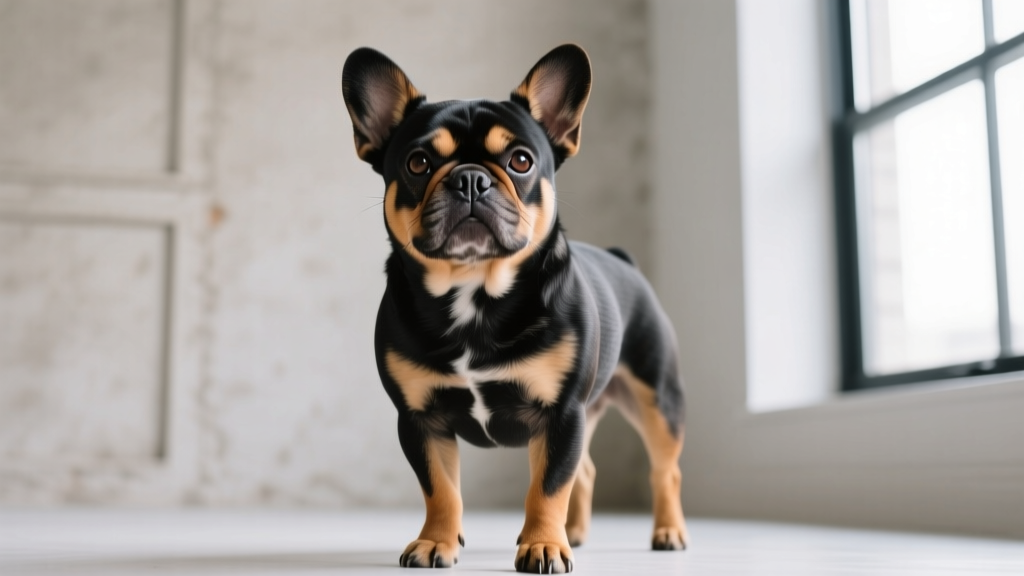
Chihuahua Crossed With a Pug: The Complete Chug Breed Guide
Everything about the Chihuahua crossed with a Pug (Chug): size, temperament, health risks, grooming, cost.

The Chug: When a Chihuahua Meets a Pug
The Chihuahua crossed with a Pug — most commonly called the Chug (also sometimes "Pughuahua" or "Chihuahua-Pug mix") — is a small designer dog that combines two of the most recognizable toy breeds in the United States. Both parent breeds rank in the AKC's top 35 most popular breeds, which partly explains why this cross has gained steady interest among apartment dwellers, seniors, and families looking for a compact companion.
But before you bring a Chug home, it's important to understand what you're actually getting. Designer mixes are not standardized breeds. A Chug from one litter can look, behave, and shed very differently from a Chug in the next. This guide breaks down the real range of outcomes — backed by veterinary data and breed-standard references — so you can decide whether this mix is the right fit for your household.
Parent Breed Breakdown: Chihuahua vs. Pug
Every trait in a Chug traces back to one of two very different parent breeds. Understanding each parent helps you anticipate — though never guarantee — what a Chug puppy might inherit.
| Trait | Chihuahua | Pug |
|---|---|---|
| Weight | 2–6 lb (0.9–2.7 kg) | 14–18 lb (6.4–8.2 kg) |
| Height | 5–8 in (13–20 cm) | 10–13 in (25–33 cm) |
| Head Shape | "Apple dome" or deer-head | Brachycephalic (flat-faced) |
| Coat | Smooth or long; minimal shedding | Short, double coat; heavy shedder |
| Energy Level | Moderate; alert, active indoors | Low to moderate; playful but naps often |
| Temperament | Loyal, bold, can be territorial | Sociable, clownish, people-oriented |
| Trainability | Independent; responds to positive reinforcement | Eager but easily distracted; food-motivated |
| Lifespan | 14–16 years | 13–15 years |
| AKC Group | Toy | Toy |
The Chihuahua contributes compact size, alertness, and a long lifespan. The Pug brings a stockier frame, a brachycephalic (short-muzzled) skull, and a deeply social personality. A Chug inherits some blend of these traits — but the exact ratio is a roll of the genetic dice.
Generations Explained: F1, F1B, and Beyond
- F1 Chug: First-generation cross — one purebred Chihuahua parent × one purebred Pug parent. Maximum genetic diversity, but highest trait variability.
- F1B Chug: An F1 Chug bred back to one of the parent breeds (usually the Pug for a sturdier build, or the Chihuahua for smaller size). Slightly more predictable traits.
- F2 Chug: Two F1 Chugs bred together. Trait predictability does not improve — recessive genes from both breeds can resurface in unexpected combinations.
- Multigen (F3+): Multiple generations of Chug-to-Chug breeding. Rare in this mix. Still not a recognized breed; trait consistency remains limited compared to established purebreds.
Most Chugs you'll encounter through breeders or rescues are F1 crosses. Unlike Doodle-type mixes where multigenerational breeding is common, the Chug has not been developed into a stabilized lineage. This means even an F2 or F3 Chug can produce puppies that look dramatically different from their littermates. If a breeder advertises "multigen Chugs with guaranteed traits," approach with skepticism — the genetic science doesn't support strong predictability in this cross.
Size, Coat, and Appearance: The Variability Range
One of the most common questions from prospective Chug owners is, "How big will this mixed breed get?" The honest answer spans a wide window.
| Category | Weight | Height at Shoulder |
|---|---|---|
| Small end (Chihuahua-dominant) | 8–12 lb (3.6–5.4 kg) | 8–10 in (20–25 cm) |
| Average | 12–18 lb (5.4–8.2 kg) | 10–12 in (25–30 cm) |
| Large end (Pug-dominant) | 18–22 lb (8.2–10 kg) | 12–14 in (30–36 cm) |
A useful rule: if you know the parents' weights, the puppy's adult weight will typically fall somewhere between the two — often closer to the mother's weight due to gestational size constraints. An F1 Chug from a 4 lb Chihuahua dam and a 16 lb Pug sire will most likely land around 10–14 lb, but outliers in both directions are possible.
Coat Type Possibilities
A Chug's coat depends on which parent's genes dominate:
- Short, smooth single coat (Chihuahua-dominant): Lower shedding, easier grooming. Feels sleek to the touch.
- Short, dense double coat (Pug-dominant): Noticeable seasonal shedding — expect tumbleweeds of fawn or black fur on furniture. The undercoat blows out in spring and fall.
- Intermediate coat: Short but slightly denser than a Chihuahua's, with moderate year-round shedding. This is the most common outcome in F1 Chugs.
Color possibilities include fawn, black, cream, chocolate, silver, and combinations with or without a dark mask. The Pug's characteristic black mask may or may not appear. Ear shape varies widely — some Chugs inherit the Pug's folded "rose" ears, others the Chihuahua's upright "bat" ears, and many land somewhere in between with semi-prick ears.
Is a Chug Hypoallergenic or Low-Shedding?
No. Neither parent breed is hypoallergenic. If the Chug inherits the Pug's double coat, expect moderate to heavy shedding. Even Chihuahua-dominant Chugs shed, just less noticeably. If you have dog allergies, spend time with the specific puppy or adult dog before committing — individual allergen proteins (Can f 1 and Can f 2) vary from dog to dog regardless of breed mix.
Temperament: Best-Case and Challenging Scenarios
Temperament is where Chug owners report the widest variation. The Chihuahua and Pug have genuinely different social styles, and a Chug can lean strongly toward either.
| Scenario | Description | More Likely When... |
|---|---|---|
| Best case | Friendly, playful, adaptable; enjoys people and other dogs; alert without excessive barking; cuddly but not clingy | Early socialization (8–16 weeks); Pug-dominant temperament; positive reinforcement training from day one |
| Challenging | Wary of strangers, resource-guarding tendencies, frequent barking, stubborn about house-training, anxious when left alone | Limited socialization; Chihuahua-dominant temperament; inconsistent routines; puppy-mill or poorly socialized breeding environment |
Key temperament traits to prepare for:
- Alertness: Chugs tend to be excellent watchdogs. They will announce visitors, delivery drivers, and the neighbor's cat. This is normal, but excessive barking can be managed with counter-conditioning and desensitization techniques.
- Attachment: Both parent breeds bond closely with their people. A Chug often follows one person room to room and may develop separation anxiety if not gradually acclimated to alone time.
- Stubbornness: Neither the Chihuahua nor the Pug ranks among the easiest breeds to train. Chugs respond well to food-motivated, positive reinforcement methods — keep sessions short (3–5 minutes) and rewarding. Never use aversive tools like shock or prong collars; small dogs are particularly sensitive to physical punishment, and it damages trust without improving compliance.
- Socialization window: The critical socialization period for puppies closes around 14–16 weeks. Expose your Chug puppy to diverse people, surfaces, sounds, and vaccinated dogs during this window. The AKC's socialization guidelines provide a structured week-by-week plan.
Health Considerations: Hybrid Vigor vs. Reality
One of the most persistent myths in the designer-dog world is that crossbreeding automatically produces healthier dogs through "hybrid vigor." Here's what the science actually says.
Hybrid vigor (heterosis) does exist — it refers to the reduced likelihood of inheriting recessive genetic disorders when two unrelated gene pools combine. Since many purebred health conditions are caused by recessive alleles concentrated through inbreeding, a first-generation cross can lower the risk of those specific conditions.
However, hybrid vigor does not eliminate:
- Structural conditions shared by both parent breeds (e.g., patellar luxation is common in both Chihuahuas and Pugs)
- Brachycephalic airway issues — if the Chug inherits the Pug's shortened skull, BOAS (Brachycephalic Obstructive Airway Syndrome) is a real risk regardless of hybrid status
- Age-related and idiopathic conditions that affect all small dogs (dental disease, tracheal collapse, heart valve degeneration)
- Conditions caused by dominant genes or complex multi-gene inheritance patterns
Health Issues a Chug May Inherit
| Condition | Source Breed | Prevalence/Notes | Typical Vet Cost Range |
|---|---|---|---|
| Brachycephalic Obstructive Airway Syndrome (BOAS) | Pug | Affects ~50% of brachycephalic dogs to some degree. Watch for noisy breathing, exercise intolerance, heat sensitivity. | $500–$4,000 (surgical correction if severe) |
| Patellar Luxation | Both | Kneecap slips out of place. Grades I–IV. Common in toy breeds; estimated 7–10% prevalence in small breeds. | $1,500–$3,500 per knee (surgical repair) |
| Dental Disease | Both (especially Chihuahua) | Small mouths crowd teeth, accelerating plaque and periodontal disease. Often visible by age 2–3 without dental care. | $300–$800 per cleaning; $200–$600 per extraction |
| Eye Conditions (corneal ulcers, dry eye, PRA) | Pug (prominent eyes); Chihuahua (PRA) | Protruding eyes are vulnerable to scratches. Progressive Retinal Atrophy (PRA) causes gradual blindness. | $150–$500 (ulcer treatment); $300+ (specialist evaluation for PRA) |
| Hypoglycemia | Chihuahua | Low blood sugar, especially in puppies under 6 months and dogs under 5 lb. Can cause weakness, seizures. | $100–$400 (emergency treatment episode) |
| Tracheal Collapse | Both | Weakening of tracheal cartilage rings. Causes honking cough, worse with excitement or pressure on neck. | $200–$1,000 (medical management); $2,500–$5,000 (surgical) |
| Obesity | Pug (strong food drive) | Pugs are notoriously food-motivated. A Chug inheriting this trait gains weight easily if free-fed. | Ongoing management; obesity worsens BOAS, joint stress, and cardiac load |
Prevention strategy: Ask any breeder for proof of health testing on both parent dogs. For the Pug parent, look for OFA (Orthopedic Foundation for Animals) patella evaluation and a veterinary ophthalmologist eye exam. For the Chihuahua parent, patella and cardiac evaluations are standard. The AVMA's dog care resources outline recommended health screenings by breed.
Seek emergency veterinary care if your Chug exhibits: labored or noisy breathing at rest, blue/purple gums, collapse or fainting, seizures, inability to eat or drink, or a honking cough that worsens rapidly. Small dogs can decline quickly — do not wait to "see if it passes."
Always consult your veterinarian to establish a breed-appropriate wellness plan for your Chug, including vaccination schedules, dental care intervals, and weight management targets.
Grooming, Exercise, and Daily Care
Grooming by Coat Type
- Short/smooth coat (Chihuahua-dominant): Brush once weekly with a rubber grooming mitt or soft bristle brush. Bathe every 4–6 weeks or as needed. Minimal shedding cleanup.
- Double coat (Pug-dominant): Brush 2–3 times weekly with a de-shedding tool (e.g., Furminator Short Hair Small or a Kong ZoomGroom). During seasonal coat blows (spring/fall), daily brushing reduces fur on furniture. Bathe every 3–4 weeks.
- Facial wrinkles: If your Chug inherits the Pug's facial folds, clean them 2–3 times weekly with a damp cotton pad or veterinary wrinkle wipe (e.g., Squishface Wrinkle Wipes, ~$12 for a 60-pack). Dry thoroughly — trapped moisture causes yeast infections and fold dermatitis.
Exercise Requirements
Chugs need 30–45 minutes of daily activity, split into two or three sessions. This might include:
- A 15-minute morning walk at a relaxed pace
- 10 minutes of indoor play (tug, fetch in a hallway, snuffle mat for mental enrichment)
- A 10–15 minute evening walk or training session
Heat warning: If your Chug has any degree of brachycephalic features (shortened muzzle, flat face), they are at elevated risk of heatstroke. Avoid outdoor exercise when temperatures exceed 80°F (27°C). Walk during early morning or evening, carry water, and watch for excessive panting, drooling, or slowing down. Brachycephalic dogs can develop heatstroke in as little as 10–15 minutes in hot conditions.
Harness, Not Collar
Due to tracheal collapse risk (inherited from both parent breeds), always walk a Chug on a front-clip or back-clip harness rather than a neck collar. A well-fitted H-style harness distributes pressure across the chest. Budget $15–$30 for a quality small-breed harness (e.g., Ruffwear Hi & Light, Puppia Soft Harness).
Cost Breakdown: Purchase Price and Ongoing Expenses
Chug puppies are not cheap, and the lowest-priced option is rarely the best deal.
| Source | Price Range | What's Typically Included |
|---|---|---|
| Responsible breeder (health-tested parents) | $1,200–$2,800 | First vaccinations, deworming, microchip, health guarantee (1–2 years), spay/neuter contract, take-back clause |
| Casual/backyard breeder | $500–$1,000 | Often minimal: may include first shots. Rarely includes health testing documentation or genetic guarantees. |
| Rescue/adoption | $150–$400 | Spay/neuter, vaccinations, microchip, basic veterinary exam. Availability of Chug-specific rescues is limited; check general small-breed rescues. |
First-Year Budget Estimate
Beyond the purchase price, plan for these first-year costs:
- Veterinary care (wellness visits, vaccines, heartworm/flea prevention): $600–$1,200
- High-quality small-breed kibble (AAFCO complete and balanced): $250–$450/year (brands like Royal Canin Small, Hill's Science Diet Small Paws, or Open Farm Small Breed — approximately $45–$70 per 4 lb bag)
- Dental care (professional cleaning if needed): $300–$800
- Supplies (harness, crate, bed, toys, grooming tools): $200–$400
- Pet insurance (recommended for designer mixes): $35–$65/month ($420–$780/year) — companies like Trupanion, Healthy Paws, or Lemonade cover hereditary conditions if enrolled before symptoms appear
- Training classes (puppy socialization + basic manners): $150–$350
Realistic first-year total: $3,200–$6,800 including puppy purchase, or $2,000–$4,500 if adopting from a rescue.
Is a Chug Right for You?
The Chihuahua crossed with a Pug works best in specific living situations. Here's a practical decision framework:
| Factor | Good Fit | Poor Fit |
|---|---|---|
| Living space | Apartments, condos, small homes with or without yards | Large properties where the dog would be expected to hike miles daily |
| Household composition | Singles, couples, seniors, families with children 8+ who understand gentle handling | Families with toddlers or very young children (small dogs are easily injured by rough handling) |
| Experience level | First-time owners willing to commit to socialization and positive reinforcement training | Owners who want an "easy" dog that trains itself; those who prefer aversive training methods |
| Time at home | People who work from home or can arrange midday visits; dogs left alone 8+ hours daily develop anxiety | Very long workdays with no pet-sitter or doggy daycare option |
| Climate | Moderate to warm climates; cold-weather owners must provide sweaters and limit outdoor time in winter | Hot, humid climates without air conditioning (brachycephalic risk) |
| Allergy concerns | No dog allergies in the household | Household members with significant dog dander allergies |
Frequently Asked Questions
What two breeds make up a Chug?
A Chug is a cross between a purebred Chihuahua and a purebred Pug. Both are AKC-recognized toy breeds. The cross is not recognized as a distinct breed by the AKC, though it may be registered with designer breed registries like the ACHC (American Canine Hybrid Club) or DDKC (Designer Dogs Kennel Club).
How big will a Chihuahua-Pug mix get?
Most adult Chugs weigh between 10 and 18 lb (4.5–8.2 kg) and stand 8 to 13 inches (20–33 cm) at the shoulder. The exact size depends on which parent the puppy takes after and the size of the individual parent dogs. Ask the breeder for the parents' weights to estimate your puppy's adult size.
Are Chugs good with children?
Chugs can be wonderful with respectful, gentle children — typically ages 8 and up. Because Chugs are small (often under 15 lb), they can be seriously injured by a toddler picking them up, squeezing, or dropping them. Always supervise interactions and teach children to let the dog approach rather than chasing or grabbing.
How long do Chugs live?
With good veterinary care, weight management, and dental hygiene, Chugs typically live 12–15 years. Some reach 16 or 17, inheriting the Chihuahua's exceptional longevity. The biggest lifespan reducers are obesity (which worsens breathing and joint issues) and untreated dental disease (which can lead to systemic infections).
Do Chugs bark a lot?
Many Chugs are vocal — they inherit the Chihuahua's alertness and tendency to announce anything unusual. However, they are not typically nuisance barkers if their exercise and mental enrichment needs are met. Consistent positive reinforcement training (rewarding quiet behavior, redirecting attention) can manage excessive barking effectively.
Where can I find a Chug for adoption?
Chug-specific rescues are rare, but small-breed and toy-breed rescues frequently have Chihuahua and Pug mixes. Check Petfinder.com and filter for Chihuahua/Pug mixes in your area. Breed-specific rescues like Pug Rescue Network or Chihuahua Rescue organizations also occasionally take in crossbreed dogs. Adopting an adult Chug lets you see the dog's established personality and size, removing much of the guesswork.
Should I get pet insurance for my Chug?
Yes, strongly recommended. Enroll before your puppy shows any symptoms — most insurers will not cover hereditary conditions (patellar luxation, BOAS, dental anomalies) once they appear in the medical record. A $40–$60/month policy can offset $2,000–$5,000 surgical costs if your Chug needs knee repair or airway surgery later in life.
Robin Maitland
All our authors care for dogs every day — read more of their work on the authors page.