Shih Tzu and French Bulldog Mix: The French Bull Tzu Profile
Everything about the Shih Tzu & French Bulldog mix: size, temperament, coat types, health risks from both brachycephalic parents, cost, & who suits this...
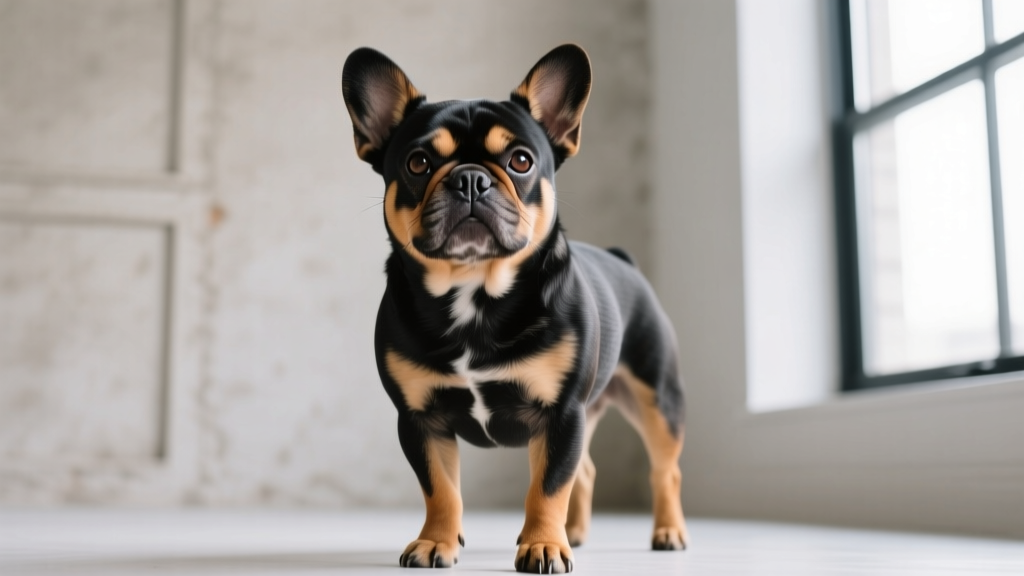
If you've been researching the Shih Tzu and French Bulldog mix — sometimes called the French Bull Tzu or Frenchie Tzu — you've probably noticed that information is scattered and contradictory. Some sources promise a tiny, low-shedding companion; others warn of severe breathing problems. The truth, as with most designer crosses, sits somewhere in between and depends heavily on which parent's genes dominate.
Having worked with dozens of brachycephalic breed owners over the years, I can tell you this mix deserves a closer, more honest look than it typically gets. Both parent breeds are flat-faced (brachycephalic), which creates a unique set of care considerations that prospective owners absolutely need to understand before committing. This guide breaks down everything from genetics to real-world costs so you can make an informed decision.
What Two Breeds Make Up the Shih Tzu and French Bulldog Mix?
The French Bull Tzu is a first-generation or multigenerational cross between two purebred parents recognized by the American Kennel Club: the Shih Tzu and the French Bulldog. Neither breed was developed for working purposes — both are companion dogs through and through, which heavily shapes what you can expect from their offspring.
Parent Breed Breakdown
| Trait | Shih Tzu | French Bulldog |
|---|---|---|
| Origin | Tibet/China — ancient imperial companion | France/England — 19th-century urban companion |
| AKC Weight Range | 9–16 lb (4–7 kg) | Up to 28 lb (13 kg) |
| AKC Height | 9–10.5 in (23–27 cm) | 11–13 in (28–33 cm) |
| Coat | Long, flowing double coat; hair-like (low-shed) | Short, smooth single coat; moderate shedder |
| Energy Level | Low to moderate; 20–30 min/day | Low to moderate; 20–30 min/day |
| Temperament | Affectionate, outgoing, slightly stubborn | Playful, adaptable, alert, can be willful |
| Lifespan | 10–18 years | 10–12 years |
| Muzzle Type | Brachycephalic (short) | Brachycephalic (very short) |
Both breeds share a brachycephalic skull structure, low exercise demands, and a strong desire for human companionship. These overlapping traits make the cross somewhat more predictable than mixes pairing vastly different breeds — but significant variation still exists, particularly in coat, build, and muzzle length.
Understanding Generations: F1, F1B, and Beyond
Generation Explainer
F1 (First Generation): One purebred Shih Tzu × one purebred French Bulldog. Maximum genetic diversity, but highest trait unpredictability. Puppies in the same litter may look dramatically different.
F1B (First Generation Backcross): An F1 French Bull Tzu bred back to one of the parent breeds (usually the Shih Tzu for coat or the Frenchie for build). Slightly more predictable traits leaning toward the backcross parent.
F2 (Second Generation): Two F1 French Bull Tzus bred together. Traits become more variable again due to genetic recombination — some puppies may closely resemble one grandparent breed.
Multigen (F3+): Multiple generations of French Bull Tzu × French Bull Tzu breeding. Rare for this specific cross. May produce more consistent type, but the gene pool remains limited and health screening becomes even more critical.
In practice, the vast majority of Shih Tzu and French Bulldog mixes available are F1 crosses. Multigen breeding programs for this particular mix are uncommon because neither parent breed is as commercially popular for designer breeding as, say, the Poodle. If a breeder claims to have multigen Bull Tzus, ask for documented pedigrees going back at least three generations.
How Big Will a Shih Tzu and French Bulldog Mix Get?
Size is one of the more variable traits in this cross, since the parent breeds differ by roughly 12 pounds at the upper end. Here's what you can realistically expect:
| Measurement | Low End (Shih Tzu-leaning) | High End (Frenchie-leaning) | Most Common Range |
|---|---|---|---|
| Adult Weight | 10 lb (4.5 kg) | 26 lb (12 kg) | 14–22 lb (6–10 kg) |
| Adult Height (at withers) | 9 in (23 cm) | 13 in (33 cm) | 10–12 in (25–30 cm) |
| Body Build | Fine-boned, lighter frame | Stocky, muscular, barrel-chested | Compact, moderately sturdy |
Puppies typically reach close to their adult weight by 10–12 months, though Frenchie-leaning individuals may continue filling out through 14–16 months. If you're adopting an F1 puppy at 8 weeks, a rough weight estimate is: take the puppy's weight at 8 weeks and multiply by approximately 3.5 to 4.5 — but this is imprecise for mixed breeds. The most reliable predictor is seeing the actual parents.
Temperament: What to Expect (and What Might Surprise You)
Both parent breeds were developed exclusively as companions, so the French Bull Tzu is overwhelmingly likely to be a people-oriented, affectionate dog. But "affectionate" doesn't mean "easy." Here's how the temperament spectrum typically breaks down:
Best-Case Temperament Scenario
- Deeply bonded to family; thrives on lap time and co-sleeping
- Playful in short bursts without being hyperactive
- Friendly with strangers after brief warm-up period
- Gets along with other dogs and respectful children
- Adaptable to apartment living, travel, and schedule changes
- Alert enough to bark at doorbell but not a nuisance yapper
Challenging Temperament Scenarios
- Stubbornness: Both breeds rank low in obedience-driven work ethic. The Shih Tzu was bred to be an ornamental companion, and the Frenchie has an independent streak. Training requires patience, high-value treats, and short sessions — never force-based methods.
- Separation distress: This mix bonds intensely. Dogs left alone for 6+ hours regularly may develop destructive behaviors, excessive vocalization, or house-soiling. This is not a breed for people who work long days without a pet sitter or doggy daycare plan.
- Resource guarding: Frenchies can be possessive over food and toys. Early counter-conditioning (trading up with higher-value items) helps prevent this from developing.
- Same-sex dog reactivity: Some French Bulldog lines show dog-selective tendencies, particularly female-female pairs. Early socialization with diverse, vaccinated dogs between 8–16 weeks is critical.
Use only positive reinforcement and force-free training methods with this mix. Their brachycephalic airways make any neck-pressure-based correction risky, and their sensitive nature means aversive tools like shock collars or prong collars will damage your bond and potentially worsen behavioral problems.
Coat, Shedding, and the Hypoallergenic Question
This is where the Shih Tzu and French Bulldog mix becomes genuinely unpredictable, and where some breeders overpromise.
Coat Possibilities
| Coat Type | Inherited From | Shedding Level | Grooming Frequency |
|---|---|---|---|
| Short, smooth single coat | French Bulldog parent | Moderate year-round | Weekly brushing, monthly bath |
| Medium-length, wavy or soft coat | Blend of both parents | Low to moderate | Brushing 2–3× weekly, bath every 3–4 weeks |
| Long, flowing double coat | Shih Tzu parent | Low shed but prone to matting | Daily brushing, professional groom every 6–8 weeks |
Is This Mix Hypoallergenic?
No. No dog is truly hypoallergenic — allergies are triggered by dander (skin flakes) and saliva proteins, not hair length. However, French Bull Tzus that inherit the Shih Tzu's hair-like coat tend to shed less and may produce fewer airborne allergens. If allergies are a concern, spend time with the specific puppy before committing, and understand that individual allergic reactions vary enormously. The AKC notes that no breed is guaranteed safe for allergy sufferers.
Regardless of coat type, all French Bull Tzus inherit facial wrinkles from at least the Frenchie parent (and often from both, since Shih Tzus are also somewhat wrinkled). These folds require cleaning 2–3 times per week with a damp cloth or veterinary-recommended wrinkle wipe to prevent yeast and bacterial infections — a non-negotiable grooming task for this mix.
Health Considerations: The Brachycephalic Reality
This section is the most important one in this guide, and I want to be straightforward: crossing two brachycephalic breeds does not produce a dog with a longer muzzle or easier breathing. The Merck Veterinary Manual describes Brachycephalic Obstructive Airway Syndrome (BOAS) as a progressive condition involving narrowed nostrils (stenotic nares), elongated soft palate, and sometimes a hypoplastic trachea. Both parent breeds are predisposed, and their offspring inherit risk from both sides.
⚠️ When to Call Your Vet Immediately
Seek emergency veterinary care if your French Bull Tzu shows any of these signs:
- Blue or gray gums/tongue (cyanosis)
- Collapsing or fainting after mild exertion
- Loud, labored breathing at rest (not just snoring during sleep)
- Unable to settle or sleep without sitting upright
- Vomiting or regurgitation with breathing distress
- Heatstroke signs: excessive panting that won't stop, glazed eyes, body temperature above 104°F (40°C)
Inherited Health Conditions from Both Parent Breeds
| Condition | Parent Source | Prevalence Note | Typical Treatment Cost Range |
|---|---|---|---|
| Brachycephalic Obstructive Airway Syndrome (BOAS) | Both parents | Very high — estimated 50%+ of French Bulldogs show clinical signs | $2,500–$7,000 for corrective surgery |
| Intervertebral Disc Disease (IVDD) | Frenchie (chondrodystrophic breed) | Frenchies have among the highest IVDD rates; ~1 in 40 to 1 in 50 | $3,000–$8,000 for surgical decompression |
| Patellar Luxation | Both parents | Common in small breeds; OFA reports ~5–9% in Shih Tzus | $1,500–$3,500 per knee |
| Keratoconjunctivitis Sicca (Dry Eye) | Shih Tzu | Shih Tzus are predisposed; requires lifelong medication | $20–$40/month for cyclosporine drops |
| Hip Dysplasia | French Bulldog | OFA data shows ~25–30% of Frenchies have poor hip ratings | $3,500–$7,000 for total hip replacement |
| Allergies (atopic dermatitis) | Both parents | Frenchies have one of the highest rates of skin allergies among all breeds | $50–$300/month depending on treatment |
| Dental Crowding / Periodontal Disease | Both parents | Small mouths + flat faces = crowded teeth; 80%+ of small breeds show dental disease by age 3 | $300–$800 per dental cleaning; extractions $200–$600/tooth |
The Hybrid Vigor Myth — Debunked
Let me address this directly because it comes up in almost every designer breed conversation. Hybrid vigor (heterosis) does not protect a cross from conditions that both parent breeds share. Hybrid vigor refers to reduced risk of recessive genetic disorders when two unrelated gene pools combine. It works well for conditions like progressive retinal atrophy or certain metabolic disorders that are breed-specific recessives.
But BOAS, IVDD, patellar luxation, and dental crowding are structural and polygenic — they're driven by body conformation and multiple genes, not a single recessive mutation. When you cross two flat-faced dogs, you don't get a longer muzzle through hybrid vigor. You get a dog that may inherit airway compromise from either or both parents. Always ask a breeder whether both parent dogs have been evaluated for BOAS (some veterinary schools now offer standardized BOAS grading) and whether they have OFA or PennHIP certifications for hips.
Always consult your veterinarian to establish a preventive care plan tailored to your individual dog's conformation and risk factors. Early screening — including a cardiac exam, hip radiographs at 24 months, and regular airway assessments — can catch problems before they become emergencies.
Cost Breakdown: Purchase Price and Lifetime Care
What Does a Shih Tzu and French Bulldog Mix Cost?
Pricing for this designer cross varies significantly based on generation, breeder reputation, geographic region, and whether the French Bulldog parent was bred via natural mating or artificial insemination (AI is standard for French Bulldogs due to their narrow hips and inability to mount safely).
| Source | Price Range | Notes |
|---|---|---|
| Backyard/online breeder (no health testing) | $500–$1,200 | High risk of undisclosed health issues; no take-back guarantee |
| Reputable designer breeder (health-tested parents, AI, OFA certs) | $1,500–$3,500 | Includes early vet checks, first vaccinations, contract with return clause |
| Breed-specific rescue or shelter | $150–$500 | Less common but available through Frenchie rescue networks (e.g., French Bulldog Rescue Network) and Shih Tzu rescues |
First-Year Budget Estimate
Beyond the purchase price, here's what realistic first-year spending looks like for a French Bull Tzu:
- Veterinary care (wellness, vaccines, spay/neuter): $800–$1,500
- Pet insurance (recommended for this mix): $40–$80/month ($480–$960/year)
- Food (high-quality small-breed formula): $25–$50/month ($300–$600/year)
- Grooming (if long coat): $50–$80/session, every 6–8 weeks ($325–$520/year)
- Supplies (crate, harness, bed, bowls): $200–$400 one-time
- Dental care (toothbrush, enzymatic paste, potential cleaning): $100–$500
Realistic first-year total: $2,400–$5,500 depending on coat type, health needs, and your region.
Who Is the French Bull Tzu Best Suited For?
✓ Great Fit For
- Apartment dwellers and condo owners (low exercise needs, minimal barking)
- Retirees or work-from-home individuals who can provide constant companionship
- Families with older, respectful children (ages 8+) — these are small, fragile dogs
- First-time dog owners willing to invest in positive reinforcement training classes
- People seeking a low-activity companion for couch time and short walks
- Households in moderate climates (both parents are heat-intolerant)
✗ Poor Fit For
- Owners who are away from home 8+ hours daily
- Families with toddlers who may accidentally injure a small dog
- Hot-climate residents without reliable air conditioning
- People seeking a jogging partner or high-activity hiking dog
- Anyone on a tight budget unprepared for potential $5,000+ emergency surgeries
- Households where someone has severe pet dander allergies
Exercise and Climate Considerations
Plan for 20–30 minutes of exercise daily, split into two short walks. Avoid outdoor activity when temperatures exceed 80°F (27°C) or humidity is above 70% — brachycephalic dogs cannot cool themselves efficiently through panting. A well-fitted harness (never a neck collar for walks) from brands like Ruffwear or Rabbitgoo reduces airway pressure. Indoor enrichment — snuffle mats, puzzle feeders, short training sessions — can supplement physical exercise on hot days.
Frequently Asked Questions
Are Shih Tzu and French Bulldog mixes good with other pets?
Generally yes, especially when socialized early. Both parent breeds were companions rather than hunters, so prey drive tends to be low. However, individual Frenchies can be dog-selective, so introductions should be gradual and supervised. Cats are usually fine if introduced properly during puppyhood.
How long do French Bull Tzus live?
Expect a lifespan of 10–15 years. The Shih Tzu's longer lifespan (10–18 years) may contribute positively, but the Frenchie's shorter average (10–12 years) and shared brachycephalic health risks keep the mix's expectancy on the moderate side. Dogs that inherit a slightly longer muzzle and maintain a lean body condition score (BCS 4–5/9) tend to live longer.
Do French Bull Tzus snore?
Yes — almost certainly. Both parent breeds are notorious snorers due to their shortened airways. You'll also likely hear snorting, snuffling, and occasional reverse sneezing. While some noise is normal, labored breathing or choking episodes during sleep warrant a veterinary evaluation for BOAS severity.
Can I fly with a Shih Tzu and French Bulldog mix?
Be very cautious. Most major US airlines (Delta, United, American) banned brachycephalic breeds from cargo transport due to fatality risks. Cabin travel is usually possible for dogs under 20 lb in an airline-approved carrier, but the stress and cabin pressure changes still pose elevated risk for flat-faced dogs. Consult your vet before any flight and consider a health certificate within 10 days of travel.
What should I feed a French Bull Tzu?
A high-quality, AAFCO-approved small-breed formula appropriate for your dog's life stage. Because this mix is prone to obesity (which worsens breathing problems), measure food precisely rather than free-feeding. For a 15–20 lb adult, this typically means ¾ to 1 cup of dry kibble daily, split into two meals. Look for a named protein source (chicken, lamb, salmon) as the first ingredient and a guaranteed analysis showing 22–26% protein for adult maintenance. Discuss weight management with your vet at every checkup.
Where can I find a Shih Tzu and French Bulldog mix for adoption?
Check breed-specific rescue organizations like the French Bulldog Rescue Network and national Shih Tzu rescues, as well as general platforms like Petfinder and Adopt-a-Pet. Designer mixes do end up in rescue when owners underestimate the health costs or time commitment. Adoption gives you an adult dog whose temperament, coat, and health baseline are already known — a genuine advantage over the unpredictability of a puppy.
Tom Renshaw
All our authors care for dogs every day — read more of their work on the authors page.


