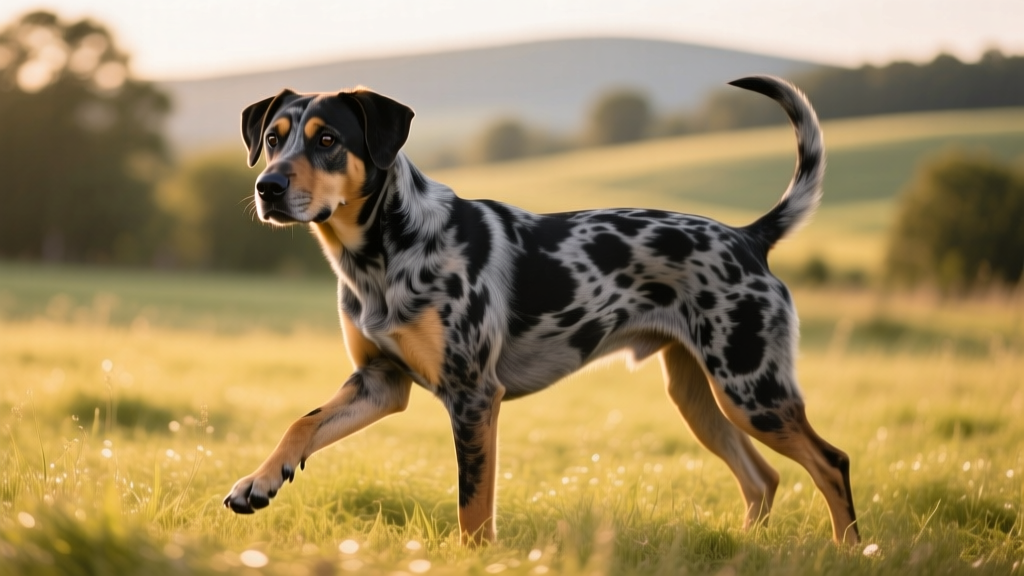
Chihuahua Breeds Types Explained: Smooth Coat, Long...
Explore all chihuahua breeds types including smooth coat, long coat, apple head, and deer head varieties.

Chihuahua Origins and History
The Chihuahua's lineage traces back to the ancient Toltec civilization in Mexico, where a slightly larger dog called the Techichi served as a companion animal as early as the 9th century CE. When the Aztecs conquered the Toltecs in the 12th century, they refined the Techichi into a smaller, lighter dog that held religious significance and was sometimes used in sacrificial rituals. Archaeological evidence from pottery and effigy vessels found in the state of Chihuahua, Mexico, depicts dogs remarkably similar to the modern breed.
American dog fanciers began encountering these tiny dogs along the U.S.-Mexico border in the late 1800s. The American Kennel Club recognized the Chihuahua in 1904, making it one of the earliest registered toy breeds in the United States. The breed surged in popularity during the 1940s and 1950s, partly driven by the "Taco Bell dog" advertising campaigns of the late 1990s that cemented the Chihuahua in American pop culture.
Today, the Chihuahua consistently ranks among the top 35 most popular AKC-registered breeds. Breeders and registries worldwide — including the FCI (Fédération Cynologique Internationale) — recognize only two official coat varieties: smooth coat and long coat. The terms "apple head" and "deer head" describe skull conformation differences but do not constitute separate breed classifications under any major kennel club.
| Attribute | Detail |
|---|---|
| Size Class | Toy |
| Weight | 2–6 lb (0.9–2.7 kg) |
| Height | 5–8 inches (13–20 cm) |
| Lifespan | 14–16 years (up to 18+) |
| Coat Types | Smooth (short) and Long coat |
| Energy Level | Moderate — 30–45 min/day |
| Grooming Frequency | Weekly (smooth) / 2–3x weekly (long) |
| Family Fit | Best with adults or families with older children (8+) |
| Apartment Friendly | Excellent — low space requirements |
Understanding Chihuahua Breeds Types: Coat and Head Varieties
When people search for "chihuahua breeds types," they are usually encountering informal breeder terminology rather than official breed classifications. Here is a breakdown of what each label actually means:
Smooth Coat (Short-Haired) Chihuahua
The smooth coat variety has a soft, close-lying coat that feels glossy to the touch. The hair is denser on the neck and tail, with a slight undercoat in some lines. This is the variety most people picture when they think of a Chihuahua. Smooth coats shed year-round in small amounts but require minimal grooming — a weekly rub with a soft bristle brush or grooming mitt is sufficient. They are slightly more prone to feeling cold in temperatures below 60°F (15°C) and benefit from a fitted sweater during winter walks.
Long Coat Chihuahua
Long coat Chihuahuas have soft, flat or slightly wavy fur that is longer around the ears (forming "ear fringe"), neck (a "ruff"), legs ("feathering"), and tail (a "plume"). Despite the name, the coat rarely exceeds 2–3 inches in length. Long coats require brushing 2–3 times per week with a pin brush or wide-toothed comb to prevent matting behind the ears and in the armpits. Contrary to popular belief, long coat Chihuahuas do not necessarily shed more than smooth coats — they simply shed longer, more visible hairs.
Apple Head Chihuahua
The "apple head" describes the breed standard skull shape: a well-rounded, domed cranium (sometimes called an "apple dome") with a short, pointed muzzle that meets the skull at a roughly 90-degree angle (the "stop"). The AKC breed standard specifically calls for this rounded skull. Apple head Chihuahuas often have prominent, round eyes and a compact facial structure. Most show-line Chihuahuas are apple heads.
Deer Head Chihuahua
The "deer head" is an informal term for Chihuahuas with a longer, more sloped muzzle, a flatter skull, and larger ears set at a wider angle — resembling a young deer's face. Deer head Chihuahuas are not disqualified from companionship or performance events, but they do not conform to the AKC breed standard for conformation shows. Some owners and breeders claim deer heads have fewer dental and respiratory issues due to their longer muzzles, though peer-reviewed data on this specific comparison is limited. Deer heads are often slightly larger, sometimes exceeding the 6-pound breed standard weight limit.
"Teacup" or "Mini" Chihuahua — A Warning
Some breeders market "teacup" or "micro" Chihuahuas as a distinct type, but these are simply runts or intentionally undersized dogs bred by selecting the smallest, often least healthy, individuals. Dogs weighing under 2 pounds (0.9 kg) face significantly elevated risks for hypoglycemia, fragile bones, and congenital heart defects. The Merck Veterinary Manual notes that extremely small toy breeds are predisposed to tracheal collapse and dental overcrowding. Reputable breeders do not intentionally breed for sizes below the AKC standard. Adoption from a rescue or selecting a puppy within the healthy 3–6 lb adult weight range is a far safer choice.
Temperament and Personality Traits
Chihuahuas are often described as "big dogs in small bodies," but this cliché undersells their genuinely complex temperament. After years of observing Chihuahuas in multi-dog households and training settings, here are the core behavioral traits owners should expect:
1. Intense Loyalty to One Person (Velcro Dog Syndrome): Chihuahuas typically form a primary bond with one household member and shadow that person relentlessly. If you work from home, expect your Chihuahua to occupy your lap, your keyboard space, and any chair you vacate for more than 30 seconds. This devotion can manifest as separation anxiety — destructive chewing, excessive barking, or house-soiling when left alone for more than 4–5 hours.
2. Bold Confidence Bordering on Fearlessness: A 4-pound Chihuahua will challenge a 90-pound Labrador at the dog park without hesitation. This "small dog bravado" requires active management on leash, as Chihuahuas will not back down from confrontations and are easily injured by larger dogs who perceive their rapid movements as prey-like.
3. High Alertness and Vocalization: Chihuahuas are exceptional watchdogs. They will bark at the mail carrier, a leaf hitting the window, and the sound of a neighbor's door closing three floors away. Expect 10–20 barking episodes per day in an urban environment. This trait makes them poorly suited for shared-wall housing with thin walls unless you invest in consistent quiet-command training.
4. Sensitivity to Tone and Environment: Harsh verbal corrections or a chaotic household can cause a Chihuahua to shut down, hide, or develop stress-related behaviors like compulsive licking. Positive reinforcement methods — treat rewards, clicker training, and calm verbal praise — produce dramatically better results than any punitive approach.
5. Stubbornness in Training Contexts: Chihuahuas are intelligent but independent. They will learn a "sit" command in 5 minutes but may decide they have no interest in performing it on command for guests. Motivation matters: high-value treats (freeze-dried chicken, small cheese pieces) outperform standard kibble rewards significantly.
Physical Characteristics and Size Breakdown
The AKC breed standard specifies that a Chihuahua should not exceed 6 pounds (2.7 kg) for conformation showing. However, many healthy pet Chihuahuas — particularly deer head types — weigh between 6 and 10 pounds (2.7–4.5 kg) without being overweight. The key metric is body condition score (BCS): you should be able to feel (but not prominently see) the ribs, and the dog should have a visible waist when viewed from above.
Coat colors span the full spectrum: fawn (the classic tan), black, white, chocolate, cream, gold, blue (a dilute gray), and any combination of markings including merle, brindle, tricolor, and sable. Merle-patterned Chihuahuas, while visually striking, carry elevated health risks when two merle-patterned dogs are bred together — "double merle" puppies can be born deaf or blind. Responsible breeders avoid merle-to-merle pairings.
Exercise Needs and Activity Recommendations
Chihuahuas need 30–45 minutes of total daily activity, which can be split into two or three short sessions. Their tiny legs cover ground quickly, so a 15-minute neighborhood walk provides more relative exercise than the same duration would for a larger breed.
| Activity | Duration | Notes |
|---|---|---|
| Morning leash walk | 10–15 minutes | Use a harness, not a collar — protects the trachea |
| Indoor play session | 10 minutes | Fetch with soft toys, flirt pole, or puzzle feeder |
| Evening walk or sniff session | 10–15 minutes | Allow sniffing — mental stimulation tires them faster |
| Training drills (optional) | 5 minutes | Trick training counts as mental exercise |
Activities Chihuahuas excel at: Rally obedience, nose work (scent detection), and agility at the small-dog height class (8-inch jump height). Many Chihuahua owners report success in AKC Fast CAT (coursing ability) events, where their sprint speed is surprisingly competitive.
Activities to avoid: High-impact jumping from furniture (risk of patellar luxation or fractures), prolonged running on hard surfaces, and off-leash time in unfenced areas — their small size and rapid movement trigger prey drive in larger dogs and raptors (hawks and owls have been documented attacking small dogs under 5 pounds).
Health Issues and Breed-Specific Risks
Chihuahuas are among the longest-lived dog breeds, but their small anatomy creates specific vulnerabilities. Below are the five most significant health conditions owners should monitor for, along with prevalence data and management strategies. Always consult your veterinarian if you observe any of the symptoms listed below — early intervention significantly improves outcomes.
| Condition | Estimated Prevalence | Key Symptoms | Typical Treatment Cost |
|---|---|---|---|
| Patellar Luxation (kneecap dislocation) | ~15–20% of toy breeds | Intermittent "skipping" gait, holding hind leg up | $1,500–$3,500 per knee (surgical) |
| Tracheal Collapse | ~20–30% in senior Chihuahuas | Honking cough, exercise intolerance, gagging | $200–$600 (medical) / $3,000–$5,000 (stent surgery) |
| Dental Disease (overcrowding, periodontal) | ~60–80% by age 3 | Bad breath, red gums, loose teeth, difficulty eating | $300–$800 per cleaning / $150–$400 per extraction |
| Hypoglycemia (low blood sugar, puppies) | Common in puppies under 4 months | Lethargy, trembling, seizures, collapse | $100–$500 (emergency stabilization) |
| Hydrocephalus ("water on the brain") | Estimated 2–5% of the breed | Enlarged head dome, seizures, downward gaze, slow development | $3,000–$8,000 (shunt surgery) |
Molera (open fontanel): Many Chihuahua puppies are born with a soft spot on the top of the skull, similar to a human baby's fontanel. In most dogs, this closes by 6–12 months. If it remains open, the dog is more vulnerable to head trauma. Avoid rough play with children and never allow a Chihuahua with an open molera to jump from heights above 2 feet.
Training and Intelligence
Chihuahuas rank 67th out of 138 breeds in Stanley Coren's working/obedience intelligence rankings, placing them in the "fair working intelligence" category — meaning they typically require 25–40 repetitions to learn a new command and obey on the first attempt about 50% of the time. This does not mean they are unintelligent; rather, they are independent thinkers who evaluate whether a command is worth their effort.
Trainability rating: 3/5 — trainable with patience, but not a breed for owners who expect instant, automatic obedience.
Recommended training approach: Force-free, positive reinforcement methods exclusively. Use high-value treats (small pieces of boiled chicken, commercial training treats under 3 calories each), a clicker for marking desired behaviors, and sessions no longer than 5 minutes to match their attention span. Never use shock collars, prong collars, or alpha rolls — these methods cause fear-based aggression in small breeds and damage the trust bond.
Priority training goals for Chihuahuas:
- Housetraining: Notoriously challenging due to small bladder capacity. Take puppies outside every 1–2 hours, use a consistent verbal cue, and reward immediately. Indoor pee pad systems (e.g., UGODOG or Puppy Go Here tray) are a practical backup for apartment dwellers.
- Bite inhibition: Chihuahua puppies mouth and nip, and many owners tolerate this because "it doesn't hurt." It will hurt when adult teeth come in. Redirect to chew toys from week one and withdraw attention for 10 seconds after any skin contact.
- Handling desensitization: Gently handle paws, ears, mouth, and tail daily from puppyhood so veterinary exams and grooming are not stressful.
- Recall: Teach a reliable recall using ultra-high-value rewards. Never chase a Chihuahua — they will interpret it as a game and run faster.
Grooming Requirements
Grooming needs vary significantly between coat types. Here is a care schedule for both varieties:
| Task | Smooth Coat | Long Coat | Recommended Tools |
|---|---|---|---|
| Brushing | Once weekly | 2–3 times weekly | Rubber grooming mitt (smooth) / Pin brush + wide-tooth comb (long) |
| Bathing | Every 6–8 weeks | Every 4–6 weeks | Oatmeal-based dog shampoo; water temp 100–102°F (38–39°C) |
| Nail trimming | Every 2–3 weeks | Every 2–3 weeks | Guillotine-style clipper or Dremel 7300-PT pet grinder |
| Teeth brushing | Daily or 5x/week minimum | Daily or 5x/week minimum | Finger brush + enzymatic dog toothpaste (e.g., Virbac CET) |
| Ear cleaning | Every 2–4 weeks | Every 1–2 weeks | Veterinary ear cleanser (e.g., Epi-Otic); cotton balls only — never Q-tips |
| Anal gland expression | As needed (vet/groomer) | As needed (vet/groomer) | Professional service; $15–$30 per visit |
Cold weather gear: Chihuahuas have minimal body fat and lose heat rapidly. Below 50°F (10°C), a fitted fleece sweater or insulated jacket (brands like Kurgo or Ruffwear make sizes for 3–8 lb dogs) is not optional — it is a welfare requirement. Below 32°F (0°C), limit outdoor time to 5–10 minutes for bathroom breaks only.
Family Suitability: Kids, Pets, and Living Spaces
Chihuahuas and Children
Chihuahuas are generally not recommended for families with children under 8 years old. A toddler's instinct to grab, squeeze, or pick up a 4-pound dog can result in serious injury — rib fractures, tracheal damage, or spinal trauma. Children aged 8 and older who can be taught to sit on the floor and let the dog approach them typically coexist well with Chihuahuas. Always supervise interactions and teach children never to disturb a sleeping Chihuahua or pick one up without adult assistance.
Chihuahuas and Other Pets
Chihuahuas often do well with other small dogs and cats, particularly when raised together. They may attempt to assert dominance over much larger dogs, which can lead to injury if the larger dog retaliates. Introduce a Chihuahua to a new household pet gradually: use baby gates for the first 3–7 days, allow scent exchange through swapped bedding, and supervise all interactions for at least the first month. Never leave a Chihuahua alone with a dog more than three times its weight.
Apartment and Small-Space Living
Chihuahuas are one of the best breeds for apartment living. Their small size, moderate exercise needs, and preference for being near their owner make them well-suited to studios and one-bedroom units. The primary apartment challenge is barking — invest in white noise machines and consistent quiet-command training if you share walls with neighbors. Many apartment complexes and HOAs impose breed restrictions, but Chihuahuas are almost never on restricted breed lists.
Pros of Chihuahua Ownership
- Extremely long lifespan (14–18 years)
- Low exercise requirements — ideal for busy or mobility-limited owners
- Minimal food costs (1/4 to 1/2 cup kibble/day)
- Excellent apartment and travel companion
- Alert watchdog — will always alert you to visitors
- Strong emotional bond with primary owner
Cons of Chihuahua Ownership
- Fragile — easily injured by falls, rough handling, or larger dogs
- Prone to excessive barking without training
- Housetraining can take 4–8 months (longer than average)
- High dental care costs over lifetime ($2,000–$6,000+)
- Not suited for families with toddlers or very young children
- Sensitive to cold — requires winter clothing
Cost of Ownership: What to Budget
Owning a Chihuahua is less expensive than a large breed in terms of food, but veterinary costs — particularly dental care — accumulate significantly over their long lifespan.
| Expense Category | Cost Range | Frequency |
|---|---|---|
| Puppy from responsible breeder | $1,500–$3,500 | One-time |
| Adoption from rescue/shelter | $150–$500 | One-time |
| High-quality small-breed kibble (e.g., Royal Canin Chihuahua, Hill's Science Diet Small Paws) | $180–$300/year | Annual |
| Routine veterinary care (wellness exam, vaccines, heartworm/flea prevention) | $500–$900/year | Annual |
| Dental cleanings under anesthesia | $400–$800 per cleaning | Every 1–2 years after age 3 |
| Pet insurance (e.g., Trupanion, Healthy Paws) | $25–$50/month | Monthly |
| Grooming supplies and services | $100–$250/year | Annual |
| Gear (harness, crate, bed, winter clothing) | $200–$500 | First-year setup |
| Estimated first-year total (purchased puppy) | $3,000–$6,000 | Year 1 |
| Estimated annual cost after year 1 | $1,200–$2,500 | Ongoing |
Lifetime cost estimate: Over a 15-year lifespan, expect to spend between $18,000 and $40,000 on a Chihuahua, depending on health complications and whether you carry pet insurance. Dental care alone can account for $3,000–$8,000 of that total.
Frequently Asked Questions
Is the Chihuahua right for first-time dog owners?
Yes, with caveats. Chihuahuas are manageable for first-time owners because their exercise needs are low, their size makes them easy to handle physically, and they do not require professional grooming (unlike Poodles or Shih Tzus). However, first-time owners must be prepared for the housetraining challenge (budget 4–8 months of consistent effort), the barking tendency, and the emotional intensity of a breed that bonds extremely tightly. If you work long hours away from home, a Chihuahua may develop separation anxiety. They are best suited for first-time owners who work from home or have flexible schedules.
How much exercise does a Chihuahua need daily?
An adult Chihuahua needs 30–45 minutes of total daily activity, which should include two short leash walks (10–15 minutes each) plus indoor play or training sessions. Puppies under 6 months need shorter, more frequent play sessions (5–10 minutes, 3–4 times daily) because their tiny bodies fatigue quickly. Senior Chihuahuas (10+ years) may reduce to 20–25 minutes total, adjusted based on joint health and energy level.
What health problems are Chihuahuas most prone to?
The five most common breed-specific health issues are dental disease (affecting 60–80% by age 3), tracheal collapse (20–30% of seniors), patellar luxation (15–20% of toy breeds), hypoglycemia in puppies, and hydrocephalus (2–5%). Regular veterinary checkups twice yearly, daily teeth brushing, and using a harness instead of a collar are the three most impactful preventive measures an owner can take.
How big does an adult Chihuahua get?
The AKC breed standard specifies a maximum weight of 6 pounds (2.7 kg) and a typical height of 5–8 inches (13–20 cm) at the shoulder. In practice, many healthy pet-line Chihuahuas — especially deer head types — reach 8–10 pounds (3.6–4.5 kg). A Chihuahua exceeding 10 pounds should be evaluated for overweight condition using a body condition score assessment by a veterinarian.
Are Chihuahuas good with children and other pets?
Chihuahuas do best with children aged 8 and older who understand how to interact gently with small animals. They are not recommended for households with toddlers due to injury risk from rough handling. With other pets, Chihuahuas generally coexist well with cats and dogs of similar size. Supervised introductions are critical when pairing a Chihuahua with a dog more than 20 pounds, as size disparity creates injury risk during play or conflict.
How much does it cost to buy and maintain a Chihuahua?
Purchase prices from responsible breeders range from $1,500 to $3,500, while adoption from a rescue typically costs $150–$500. First-year expenses (including gear, initial vet visits, and supplies) total approximately $3,000–$6,000 for a purchased puppy. Ongoing annual costs range from $1,200 to $2,500, with dental care being the largest variable expense over the dog's lifetime. Pet insurance ($25–$50/month) is strongly recommended given the breed's predisposition to costly dental and orthopedic conditions.
Anouk Beaumont
All our authors care for dogs every day — read more of their work on the authors page.